The Black Book of Communism Book Summary
In 'The Black Book of Communism,' Stéphane Courtois unveils the dark and devastating history of communist regimes across the globe. Dive into a meticulously documented account that reveals the staggering death toll and human suffering wrought by these ideologies. With firsthand testimonies and historical analysis, Courtois challenges the romanticized views of communism. This provocative exploration forces readers to confront uncomfortable truths about power, ideology, and atrocity. Are the ideals of equality and justice worth the bloodshed they have so often entailed?
By Stéphane Courtois
Published: 1999
"Communism, in its theoretical foundation, held the promise of a utopia of equality, yet its practice often manifested as a haunting landscape of suffering and oppression."


Start Listening to Book Summary
Book Review of The Black Book of Communism
This international bestseller plumbs recently opened archives in the former Soviet bloc to reveal the accomplishments of communism around the world. The book is the first attempt to catalogue and analyse the crimes of communism over 70 years.
Book Overview of The Black Book of Communism
About the Book Author
Stéphane Courtois
Stéphane Courtois is a renowned French historian and author, best known for his influential works in the field of totalitarian studies. He gained international recognition for co-authoring "The Black Book of Communism: Crimes, Terror, Repression" (1997), which meticulously documents the repressive measures and human rights violations under various communist regimes. Courtois's writing is characterized by a rigorous analytical approach and a commitment to uncovering historical truths, often emphasizing the moral implications of political ideologies. His scholarship extends to themes of democracy, totalitarianism, and the historical impact of ideology on society.
Book Details
Key information about the book.
- Authors
- Stéphane Courtois
- Published
- January 1999
- Publisher
- Harvard University Press
- ISBN
- 0674076087
- Language
- English
- Pages
- 920
- Genres
- Social Justice MovementsHistoryPolitical HistoryPolitics and Current Affairs
Purchase Options
 Buy on Amazon
 Buy via BookShop
Support local bookstores: BookShop gives a portion of each sale to independent bookshops!
Similar books you might like →
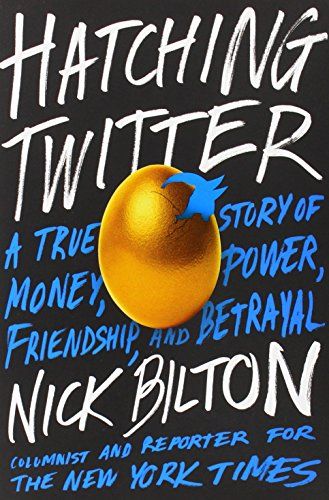
Hatching Twitter Book Summary
In 'Hatching Twitter', Nick Bilton unveils the tumultuous rise of the social media giant Twitter, chronicling the intense rivalries and relationships among its founders. From a small idea in a messy office to a billion-dollar company, the book reveals the behind-the-scenes struggles and creative tensions that shaped the platform. Readers will discover the personal sacrifices and ethical dilemmas faced by the key players in this digital revolution. With gripping storytelling, the book captures the chaotic blend of ambition, innovation, and betrayal that defined Twitter's inception. What will you uncover about the true stories behind the tweets?
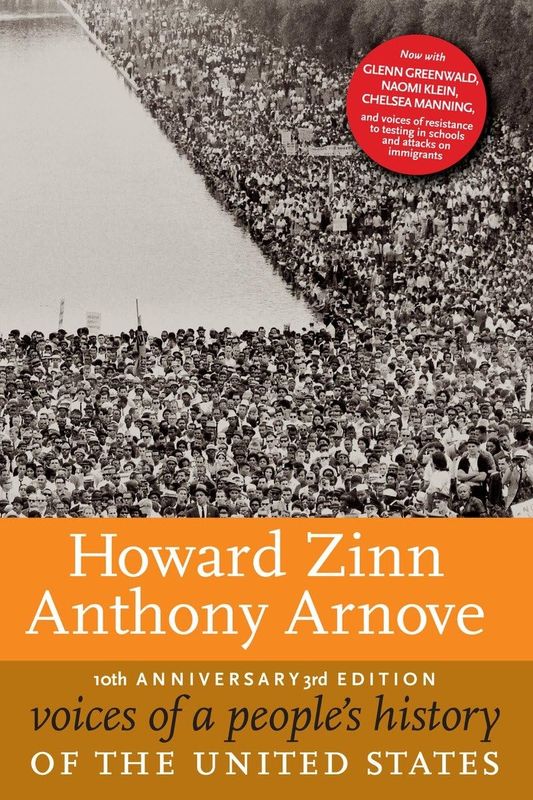
Voices of a People's History of the United States, 10th Anniversary Edition Book Summary
In 'Voices of a People's History of the United States,' Howard Zinn and Anthony Arnove present a powerful anthology that amplifies the voices often silenced in mainstream narratives. This 10th Anniversary Edition delves into the stories of marginalized communities, offering a profound insight into the struggles and triumphs of the American populace. Featuring riveting accounts from laborers, activists, and everyday citizens, the book challenges conventional historical perspectives. Each narrative serves as a reminder of the resilience of the human spirit and the continuous fight for justice. Discover the untold stories that shape the fabric of America and provoke thought about the narratives we accept.
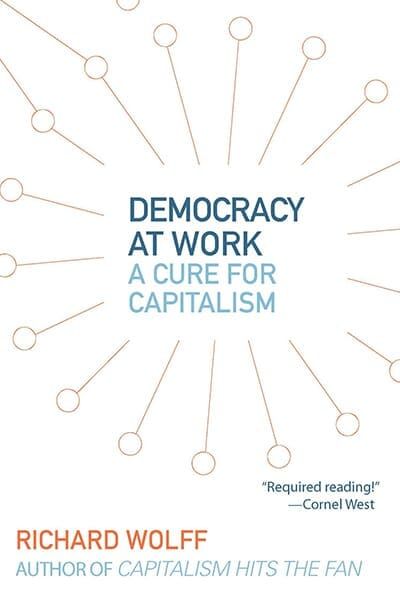
Democracy at Work Book Summary
In 'Democracy at Work', Richard D. Wolff challenges the conventional notions of democracy and the workplace, advocating for a radical transformation where workers have a say in their enterprises. Through compelling arguments and real-world examples, he explores the failures of capitalism and presents a vision for a more just and equitable economic system. Wolff introduces the idea of worker cooperatives as a feasible alternative, illustrating how they can empower employees and foster true democratic practices. This thought-provoking book urges readers to reconsider their understanding of democracy beyond the confines of politics and into the very fabric of their daily work lives. Are we ready to rethink who really holds the power in the workplace?

Washington's War on Nicaragua Book Summary
In 'Washington's War on Nicaragua,' Holly Sklar uncovers the hidden stories of U.S. intervention in Nicaragua during the 1980s. The book reveals how political power plays and covert operations shaped the lives of Nicaraguans and altered the course of history. Sklar’s gripping narrative illustrates the resilience of a nation caught in a geopolitical struggle. Readers are drawn into the complexities of war, ideology, and the human cost of foreign policy. This compelling exploration raises vital questions about democracy, sovereignty, and the true meaning of peace.

Inevitable Revolutions Book Summary
In 'Inevitable Revolutions', Walter LaFeber delves into the history of U.S. involvement in Central America, revealing the complex interplay between ideologies and national interests. With eloquent storytelling, LaFeber highlights the economic and political forces that led to revolutions, casting a revealing light on America's role as both a supporter and suppressor of democracy. The book challenges readers to reconsider the narrative of American exceptionalism, raising questions about accountability and the consequences of intervention. Through case studies of specific nations, LaFeber illustrates the paradox of U.S. foreign policy—intentions versus outcomes. This thought-provoking work leaves readers pondering the true cost of 'freedom' as seen through the lens of American influence.

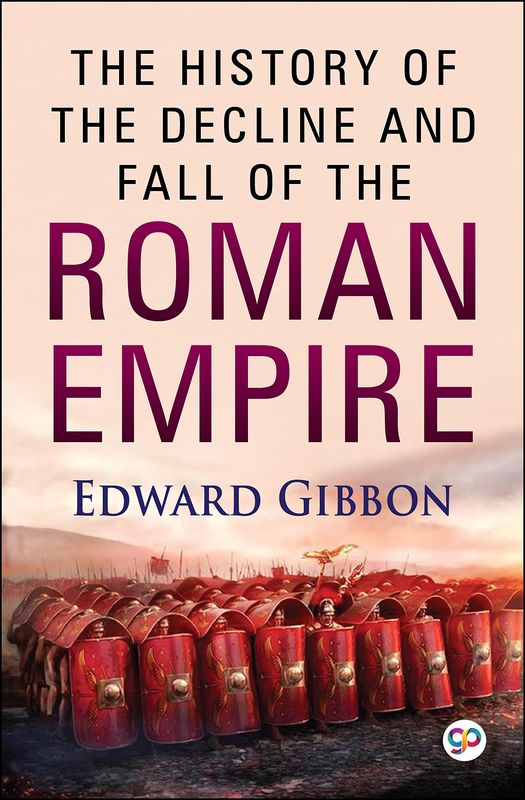
The History of the Decline & Fall of the Roman Empire Book Summary
In 'The History of the Decline & Fall of the Roman Empire,' Edward Gibbon meticulously chronicles the mighty empire's descent into chaos and obscurity. With eloquent prose, Gibbon unveils the interplay of political intrigue, moral decay, and military defeats that eroded Rome's power. His analysis does not merely recount events but delves into the philosophical implications of decline and the lessons for future societies. As empires rise and fall, engage with the timeless questions Gibbon poses about civilization itself. Dive into this monumental work to understand how history shapes our present and future.

Accidental Presidents Book Summary
In 'Accidental Presidents', Jared Cohen explores the unexpected rise of U.S. leaders who ascended to the presidency by chance rather than through traditional paths. From political mishaps to sudden deaths, these leaders had to navigate unique challenges that transformed their presidencies and the nation. Cohen delves into their distinct personalities and pivotal moments, revealing how fortune and fate can shape history. This compelling narrative raises questions about leadership, legacy, and the unpredictability of political power. Discover how chance encounters led to monumental changes and what this means for the future of American leadership.
Showing 8 of 29 similar books
Take your reading experience to the next level
Download our mobile app to enjoy your favorite books on the go. Get access to exclusive features, offline listening, and personalized recommendations.

Similar Book Recommendations →

Chelsea Handler's Book Recommendations
Chelsea Handler is an American comedian, actress, author, and talk show host, best known for her late-night talk show Chelsea Lately on E!. Handler's bold, unapologetic humor and outspoken views on politics, gender, and social issues have made her a prominent figure in comedy and media. In addition to her TV career, she has written several best-selling books, including Are You There, Vodka? It’s Me, Chelsea, and has been a strong advocate for political activism and mental health awareness. Handler continues to be a leading voice in entertainment and social commentary, using her platform to challenge norms and promote change.

Alicia Keys's Book Recommendations
Alicia Keys, an acclaimed American singer-songwriter and classically trained pianist, has made significant contributions to the music industry with her soulful voice and compelling lyrics. She burst onto the scene with her debut album, "Songs in A Minor," which earned her five Grammy Awards. In addition to her musical achievements, Keys is also a celebrated author; her memoir "More Myself: A Journey" provides an intimate look at her life and career. She has used her platform to advocate for social justice, co-founding the Keep a Child Alive organization to combat HIV/AIDS in Africa. Alicia Keys continues to inspire through her artistry and activism, leaving a lasting impact on both music and literature.

Ezra Klein's Book Recommendations
Ezra Klein is a prominent American journalist, political analyst, and author, renowned for his incisive commentary on politics and policy. He co-founded Vox, a widely respected news website known for its explanatory journalism, and served as its editor-in-chief. Klein's work includes the critically acclaimed book "Why We're Polarized," which delves into the deep-seated divisions in American politics. He also hosts "The Ezra Klein Show," a popular podcast where he interviews thought leaders from various fields. Klein's contributions have significantly shaped contemporary political discourse and media consumption.

Ray Dalio's Book Recommendations
Ray Dalio is the founder of Bridgewater Associates, one of the largest and most successful hedge funds in the world. He is also the author of the bestselling book Principles, where he outlines his philosophy on life, leadership, and investing. Ray is renowned for his unique approach to transparency, radical truth, and thoughtful disagreement within organizations. His insights into economics and investing have made him one of the most influential figures in the financial world. Dalio continues to be a thought leader in business, economics, and philanthropy.

Alex Honnold's Book Recommendations
Alex Honnold is an American professional rock climber, best known for his free solo ascent of El Capitan in Yosemite National Park, a feat that was documented in the Oscar-winning film Free Solo. Honnold is renowned for his mental toughness, technical skill, and ability to climb without ropes or safety equipment. His accomplishments have made him a legend in the climbing world, and he continues to push the boundaries of the sport. Outside of climbing, Honnold is a philanthropist, founding the Honnold Foundation, which supports environmental sustainability projects, particularly in solar energy.

Patrick Collison's Book Recommendations
Patrick Collison is an Irish entrepreneur and co-founder of Stripe, a global technology company that enables businesses to accept online payments. Along with his brother John, Patrick has transformed Stripe into one of the most valuable private tech companies in the world. Stripe’s innovative approach to online payments has made it a key player in the financial technology space. Collison is known for his deep interest in science, technology, and policy, often engaging in conversations about innovation, progress, and how to improve societal outcomes. He is an advocate for scientific advancement and the intersection of technology and public policy.

Barack Obama's Book Recommendations
Barack Obama is the 44th President of the United States, serving from 2009 to 2017. As the first African American president, Obama’s leadership marked a historic moment in American history. His administration focused on healthcare reform, economic recovery from the Great Recession, and environmental policies. He is best known for the Affordable Care Act, as well as his efforts to expand civil rights and restore diplomatic relations with Cuba. Since leaving office, Obama has continued to engage in public life through his foundation, focusing on leadership development, civic engagement, and global issues.

Jon Stewart's Book Recommendations
Jon Stewart is an American comedian, writer, and former host of The Daily Show, where he gained fame for his satirical take on news and politics. Stewart transformed The Daily Show into a critical voice in American media, blending humor with hard-hitting commentary on political and social issues. After stepping down from the show, Stewart has continued to advocate for causes like 9/11 first responders and veterans' rights. He is also a filmmaker, directing the political satire film Irresistible. Stewart remains a significant figure in American culture, known for his wit, activism, and influence on political discourse.
Showing 8 of 22 related collections
“Communism, in its theoretical foundation, held the promise of a utopia of equality, yet its practice often manifested as a haunting landscape of suffering and oppression.”
The Black Book of Communism
By Stéphane Courtois
Frequently Asked Questions
Explore Our Catalogue
Discover a world of knowledge through our extensive collection of book summaries.
Genres
Genres
Genres
Featured Collections
- Top Book Club Picks
- One-Stop Nutrition
- Summer Reads 2024
- Best Beach Reads 2024
- Work-Life Balance Guide
- Time Management
- Healthy Foods
- Entrepreneur Toolkit
- Mind & Body Wellness
- Future Tech Insights
- Leadership Essentials
- Financial Freedom
- Sci-Fi Masterpieces
- Parenting 101
- Books That Became Blockbusters
- Guide to a Healthy Pregnancy