The Book of Why Book Summary
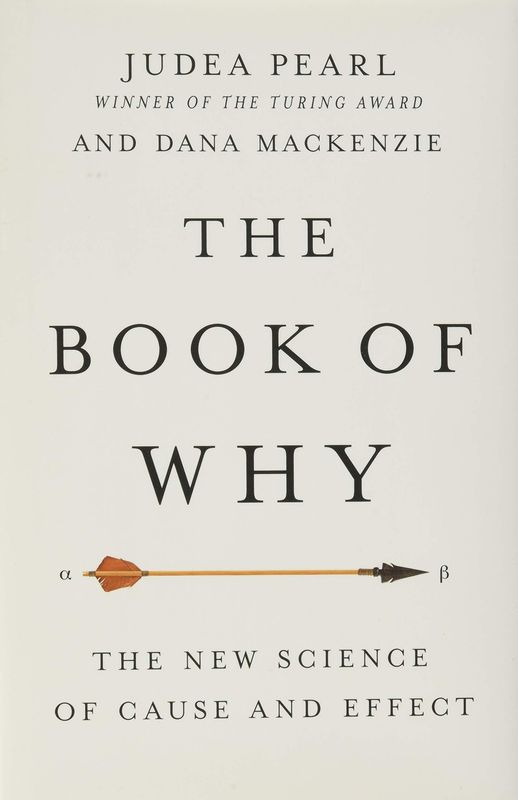
In 'The Book of Why', Judea Pearl and Dana Mackenzie unveil the profound concepts of causality and its pivotal role in understanding the world around us. They challenge traditional statistical methods, introducing the causal revolution that will change how we interpret data. Through captivating anecdotes and accessible explanations, the authors reveal the tools necessary to discern cause from correlation. Readers will be drawn into the mystery of why things happen, unfolding layers of knowledge that provoke deeper inquiry. This book is not just about statistics; it's a pathway to mastering the art of reasoning itself.
By Judea Pearl, Dana Mackenzie
Published: 2018
"The power of causal thinking is the key to unlocking the mysteries of the universe, allowing us to transform mere correlation into profound understanding."

Start Listening to Book Summary
Book Review of The Book of Why
A Turing Award-winning computer scientist and statistician shows how understanding causality has revolutionized science and will revolutionize artificial intelligence "Correlation is not causation." This mantra, chanted by scientists for more than a century, has led to a virtual prohibition on causal talk. Today, that taboo is dead. The causal revolution, instigated by Judea Pearl and his colleagues, has cut through a century of confusion and established causality--the study of cause and effect--on a firm scientific basis. His work explains how we can know easy things, like whether it was rain or a sprinkler that made a sidewalk wet; and how to answer hard questions, like whether a drug cured an illness. Pearl's work enables us to know not just whether one thing causes another: it lets us explore the world that is and the worlds that could have been. It shows us the essence of human thought and key to artificial intelligence. Anyone who wants to understand either needs The Book of Why.
Book Overview of The Book of Why
About the Book Authors
Judea Pearl
Judea Pearl is a renowned computer scientist and philosopher best known for his pioneering work in artificial intelligence and statistics. He is the author of several influential books, including "Causality: Models, Reasoning, and Inference," which has become a foundational text in the field of causal inference. Pearl's writing is characterized by its clarity, rigor, and the ability to bridge complex theoretical concepts with practical applications. His contributions have not only advanced the field of AI but have also significantly influenced fields such as social sciences and epidemiology.
Dana Mackenzie
Dana Mackenzie is a distinguished author and mathematician known for his engaging exploration of mathematical concepts in literature. He is the author of notable works such as 'The Universe in Zero Words' and 'The Big Splat, or How Our Moon Came to Be', which blends narrative with scientific inquiry. Mackenzie’s writing is characterized by its clarity, creativity, and ability to make complex ideas accessible to a broad audience. He holds a Ph.D. in mathematics, and his background informs his ability to communicate intricate subjects with enthusiasm and insight.
Book Details
Key information about the book.
- Authors
- Judea Pearl, Dana Mackenzie
- Published
- May 2018
- Publisher
- Basic Books
- ISBN
- 046509760X
- Language
- English
- Pages
- N/A
- Genres
- Cognitive PsychologySocial PsychologyPsychologyScience and Nature
Purchase Options
 Buy on Amazon
 Buy via BookShop
Support local bookstores: BookShop gives a portion of each sale to independent bookshops!
Similar books you might like →
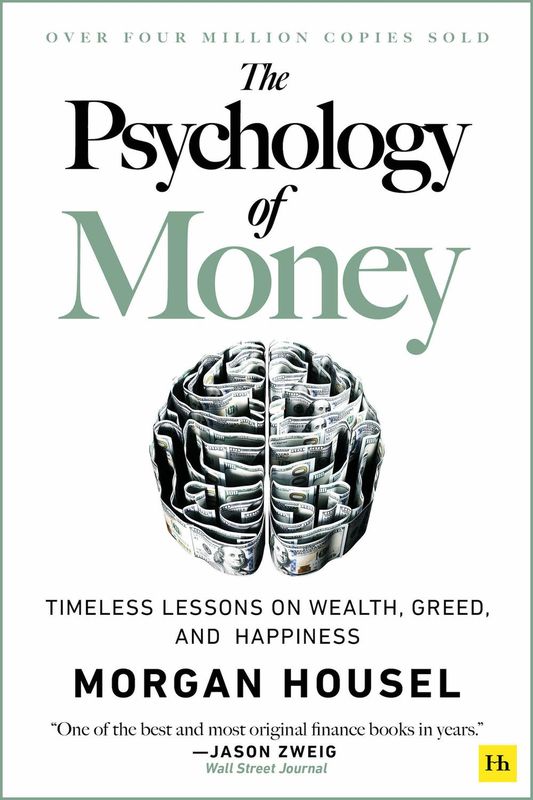
The Psychology of Money Book Summary
In "The Psychology of Money," Morgan Housel unravels the complex relationship between our emotions and financial decisions. Through captivating anecdotes and profound insights, he reveals that wealth isn't just about numbers, but about behavior and mindset. The book challenges conventional wisdom, urging readers to understand the subtle psychological forces that influence our spending and saving habits. Housel's reflections highlight the power of patience, humility, and a long-term perspective in building true financial success. Prepare to rethink everything you thought you knew about money and its role in your life!
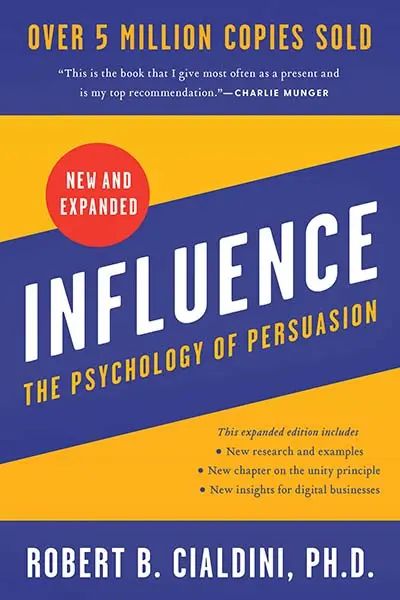
Influence Book Summary
In "Influence: The Psychology of Persuasion," renowned psychologist Robert Cialdini unveils the hidden forces that drives our decisions. Through captivating anecdotes and groundbreaking research, he introduces six key principles of persuasion that shape everyday interactions. From the power of reciprocity to the allure of authority, Cialdini reveals how marketers, salespeople, and even friends subtly manipulate our choices. As you navigate the complexities of influence, you'll discover how to recognize and harness these tactics for your own benefit. Prepare to question your instincts and master the art of persuasion—are you ready to see behind the curtain?
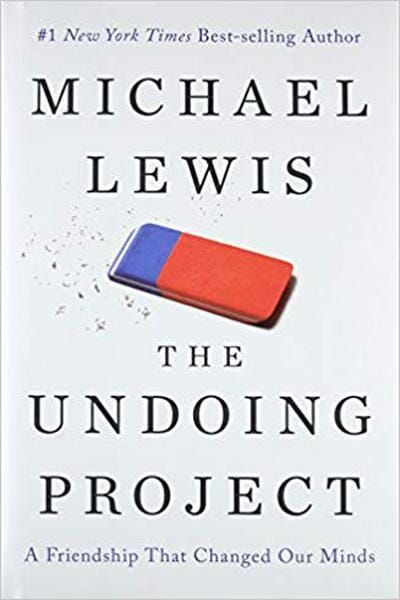
The Undoing Project Book Summary
In 'The Undoing Project', Michael Lewis explores the groundbreaking collaboration between two Israeli psychologists, Daniel Kahneman and Amos Tversky, whose revolutionary theories on decision-making changed our understanding of human rationality. Their research reveals the cognitive biases that influence our choices, often leading us astray in unexpected ways. Through compelling anecdotes and vivid storytelling, Lewis uncovers how their work not only transformed psychology but also impacted economics, medicine, and public policy. As their friendship deepens amid professional triumphs and personal struggles, the book delves into the complexities of the human mind and the power of perspective. Will their insights lead to a newfound awareness of our own thought processes? Discover the fascinating tale behind the science of thinking.

The Psychology of Executive Coaching Book Summary
In 'The Psychology of Executive Coaching,' Bruce Peltier explores the intricate dynamics between coaches and leaders, revealing the psychological principles that underpin effective coaching practices. The book delves into the art of transformation, showcasing how understanding human behavior can unlock latent potential in executives. Peltier combines psychological theories with practical strategies to equip coaches with tools to navigate the challenges of leadership development. Through case studies and empirical research, he illustrates the profound impact of coaching on organizational success. This insightful read invites readers to consider how deep psychological insights can elevate executive coaching to new heights, making it a must-read for aspiring coaches and leaders alike.
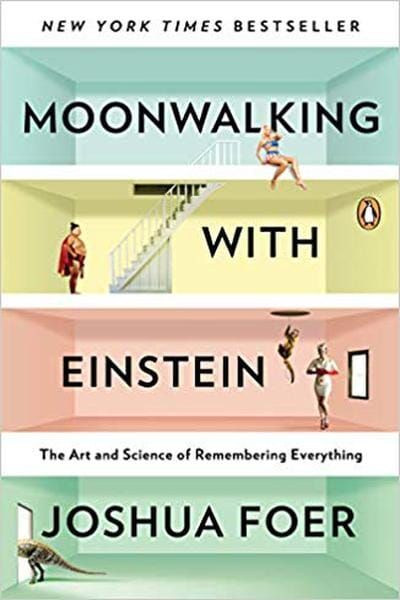
Moonwalking with Einstein Book Summary
In 'Moonwalking with Einstein', Joshua Foer takes readers on a mesmerizing journey through the world of memory, revealing how he transformed from a memory-challenged journalist to a USA Memory Champion. Exploring the fascinating techniques of memory athletes, he uncovers the science behind memory formation and recall. Foer combines personal anecdotes with history, psychology, and the quirks of the human mind. As he delves deeper into memory training, readers are left questioning the potential of their own minds. This captivating blend of memoir and exploration challenges us to rethink how we remember and what it means to truly learn.
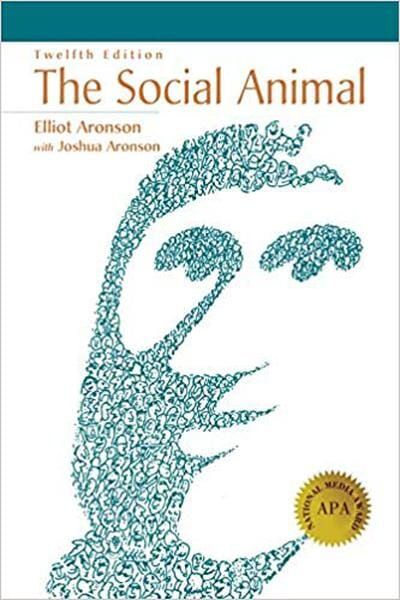
The Social Animal Book Summary
In 'The Social Animal', Joshua and Elliot Aronson explore the psychological and social forces shaping human behavior through rich anecdotes and groundbreaking research. The authors take readers on a journey through the intricacies of love, hate, and the powerful influence of social contexts on individual decisions. Juxtaposing captivating storytelling with scientific insights, they unravel the complexities of conformity, prejudice, and self-identity. This thought-provoking exploration challenges our understanding of what it means to be human in a social world. Prepare to question your beliefs and see the connections between psychology and everyday life like never before.
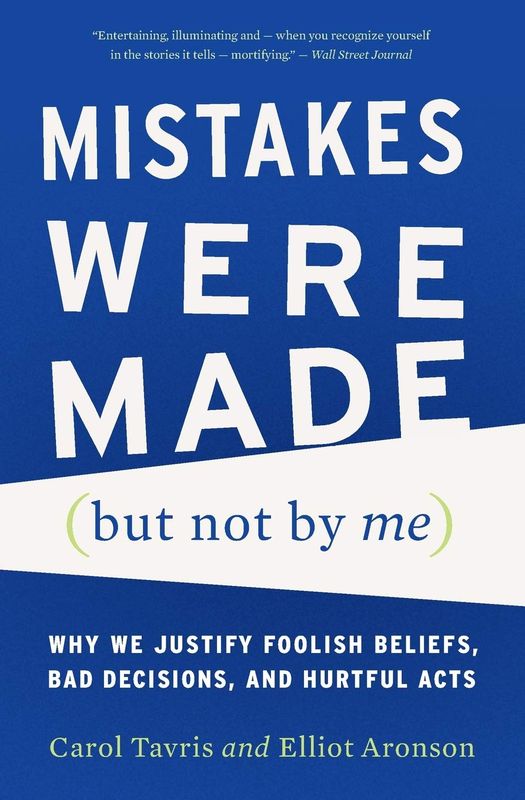
Mistakes Were Made (but Not by Me) Book Summary
In 'Mistakes Were Made (but Not by Me)', Carol Tavris and Elliot Aronson explore the psychological mechanisms of self-justification and the often-unconscious ways we avoid admitting our wrongs. With compelling examples from history, psychology, and personal anecdotes, the authors reveal why people, from individuals to large organizations, refuse to accept accountability. This thought-provoking book challenges readers to confront their own biases and the cognitive dissonance that influences decision-making. Will you choose to embrace the discomfort of acknowledging your mistakes? Dive into this enlightening read and discover the profound impact of accountability on personal growth and relationships.

From Chocolate to Morphine Book Summary
'From Chocolate to Morphine' takes readers on an intriguing journey through the world of psychoactive substances, examining their effects on the human body and mind. Authors Andrew Weil and Winifred Rosen delve into the history and cultural significance of various drugs, from the innocent pleasure of chocolate to the complex nature of morphine. This compelling exploration challenges conventional perceptions of addiction and therapeutic use, sparking curiosity about the fine line between pleasure and peril. The book not only illuminates the science behind these substances but also invites readers to reflect on their own experiences and beliefs surrounding them. A thought-provoking read for anyone interested in health, wellness, and the psychology of our choices.
Showing 8 of 30 similar books
Take your reading experience to the next level
Download our mobile app to enjoy your favorite books on the go. Get access to exclusive features, offline listening, and personalized recommendations.

Similar Book Recommendations →

Lex Fridman's Book Recommendations
Lex Fridman is an artificial intelligence researcher, podcaster, and MIT professor, known for his work in autonomous vehicles, robotics, and deep learning. Fridman has gained widespread popularity through his podcast, Lex Fridman Podcast, where he interviews leading thinkers in science, technology, and philosophy, exploring topics like AI, consciousness, and the future of humanity. His academic work focuses on human-centered AI, aiming to create machines that can better understand and interact with humans. Fridman’s ability to distill complex topics into accessible conversations has earned him a large following, and his podcast is known for its thoughtful, in-depth discussions with some of the brightest minds of our time. He is also an advocate for the responsible development of AI, emphasizing the ethical implications of this rapidly advancing technology. Outside of academia and podcasting, Fridman is a practitioner of jiu-jitsu and frequently speaks about the importance of discipline and continuous learning.

Bret Victor's Book Recommendations
Bret Victor is a renowned American interface designer and computer scientist celebrated for his innovative contributions to interactive design and human-computer interaction. He is best known for creating dynamic, explorable explanations, which have significantly influenced the way educational content is presented and understood. Victor's seminal work, "Inventing on Principle," advocates for the integration of immediate feedback in creative processes, inspiring a new wave of interactive programming environments. As a former member of the Apple Human Interface team, he played a pivotal role in shaping modern user interfaces. Through his organization, Dynamicland, Victor continues to explore and expand the boundaries of immersive, collaborative computing environments.

Bryan Johnson's Book Recommendations
Bryan Johnson is an American entrepreneur, investor, and futurist, best known for founding Braintree, a payments company that was acquired by PayPal, and Kernel, a company focused on developing brain-computer interfaces. Johnson is deeply interested in advancing human cognition and longevity through technological innovation. His work at Kernel seeks to better understand the brain and its potential to enhance human intelligence. He is also the founder of OS Fund, which invests in companies tackling complex, world-changing problems in areas like health and energy. Johnson is a strong advocate for using technology to extend human potential and reshape the future of humanity.

Bill Gates's Book Recommendations
Bill Gates, co-founder of Microsoft Corporation, is a pioneering figure in the tech industry, having played a key role in the personal computer revolution. His work at Microsoft, particularly the development of Windows, transformed software and computing globally. Beyond his technology contributions, Gates is also a prolific author, with notable works such as "The Road Ahead" and "Business @ the Speed of Thought," which offer insights into the future of technology and business. Additionally, his philanthropic efforts through the Bill & Melinda Gates Foundation have had a profound impact on global health, education, and poverty. Gates continues to influence both technology and literature with his forward-thinking perspectives and innovative ideas.

Peter Thiel's Book Recommendations
Peter Thiel is a renowned entrepreneur, venture capitalist, and author best known for co-founding PayPal and Palantir Technologies. He played a pivotal role in the early growth of Facebook as its first outside investor. Thiel's literary contributions include his influential book "Zero to One: Notes on Startups, or How to Build the Future," which offers insights into innovation, entrepreneurship, and the future of technology. A prominent figure in Silicon Valley, he has significantly impacted the tech industry's landscape through his investments and thought leadership. Thiel's work continues to inspire entrepreneurs and innovators around the world.
Bret Weinstein's Book Recommendations
Bret Weinstein is an evolutionary biologist and author renowned for his thought-provoking insights into human behavior and societal structures. He gained significant attention as a professor at Evergreen State College, where his opposition to a campus event in 2017 sparked a national conversation about free speech and academic freedom. Alongside his wife, Heather Heying, Weinstein co-authored the acclaimed book "A Hunter-Gatherer's Guide to the 21st Century," which explores evolutionary principles and their implications for modern life. He is also a prominent figure in the Intellectual Dark Web, contributing to discussions on science, politics, and culture through various platforms, including his popular podcast, "DarkHorse." Weinstein's work emphasizes the importance of evolutionary thinking in addressing contemporary issues.

Keith Rabois's Book Recommendations
Keith Rabois is a prominent American entrepreneur, investor, and author known for his significant contributions to the tech industry and startup ecosystem. He played crucial roles in the early success of companies like PayPal, LinkedIn, Square, and Yelp, earning a reputation as a skilled operator and strategic thinker. As a partner at Founders Fund and later at Khosla Ventures, Rabois has invested in and advised numerous successful startups. In addition to his business ventures, he has written insightful articles and essays on technology, entrepreneurship, and innovation, contributing to the broader discourse on these subjects. Rabois continues to influence the tech world with his strategic insights and thought leadership.

Adam Grant's Book Recommendations
Adam Grant is a renowned organizational psychologist and bestselling author, celebrated for his influential work on motivation and workplace dynamics. He is a professor at the Wharton School of the University of Pennsylvania, where he has been the youngest tenured professor and earned numerous teaching awards. Grant's books, including "Give and Take," "Originals," and "Think Again," have been translated into multiple languages and have topped bestseller lists worldwide. His research and insights are frequently featured in major media outlets, and he hosts the popular podcast "WorkLife." Through his writing and speaking, Grant has profoundly impacted the fields of psychology, business, and education.
“The power of causal thinking is the key to unlocking the mysteries of the universe, allowing us to transform mere correlation into profound understanding.”
The Book of Why
By Judea Pearl, Dana Mackenzie
Frequently Asked Questions
Explore Our Catalogue
Discover a world of knowledge through our extensive collection of book summaries.
Genres
Genres
Genres
Featured Collections
- Top Book Club Picks
- One-Stop Nutrition
- Summer Reads 2024
- Best Beach Reads 2024
- Work-Life Balance Guide
- Time Management
- Healthy Foods
- Entrepreneur Toolkit
- Mind & Body Wellness
- Future Tech Insights
- Leadership Essentials
- Financial Freedom
- Sci-Fi Masterpieces
- Parenting 101
- Books That Became Blockbusters
- Guide to a Healthy Pregnancy