The Clockwork Universe Book Summary
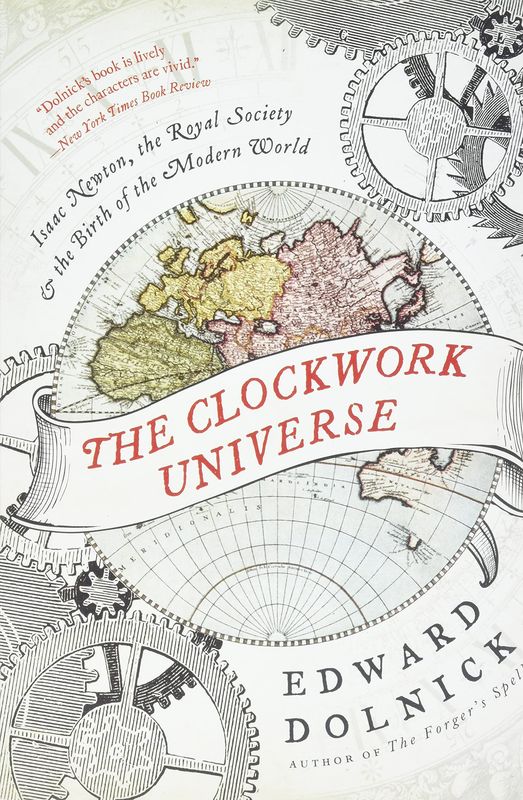
In 'The Clockwork Universe,' Edward Dolnick unveils the breathtaking revolution of science in the 17th century, where the intricate gears of the universe began to reveal their secrets. Through the lens of remarkable figures like Isaac Newton, we witness the birth of a new understanding that transformed the way humanity perceives existence. Dolnick weaves together history, philosophy, and science into a captivating narrative that showcases the battle between ancient beliefs and emerging scientific thought. This journey through time propels readers into a world where chaos and order collide, igniting curiosity about the true nature of reality. Prepare to be enthralled as you explore how the cosmos operates like an elaborate machine, meticulously crafted and just waiting to be understood.
By Edward Dolnick
Published: 2012
"In the heart of every clock, there exists a dance of gears and springs, not merely to mark the passing of time, but to reveal the universe's own intricate rhythm."

Start Listening to Book Summary
Book Review of The Clockwork Universe
In a world of chaos and disease, one group of driven, idiosyncratic geniuses envisioned a universe that ran like clockwork. They were the Royal Society, the men who made the modern world. At the end of the seventeenth century, sickness was divine punishment, astronomy and astrology were indistinguishable, and the world’s most brilliant, ambitious, and curious scientists were tormented by contradiction. They believed in angels, devils, and alchemy yet also believed that the universe followed precise mathematical laws that were as intricate and perfectly regulated as the mechanisms of a great clock. The Clockwork Universe captures these monolithic thinkers as they wrestled with nature’s most sweeping mysteries. Award-winning writer Edward Dolnick illuminates the fascinating personalities of Newton, Leibniz, Kepler, and others, and vividly animates their momentous struggle during an era when little was known and everything was new—battles of will, faith, and intellect that would change the course of history itself.
Book Overview of The Clockwork Universe
About the Book Author
Edward Dolnick
Edward Dolnick is an acclaimed American author and a former journalist, recognized for his engaging narrative non-fiction that brings history and science to life. He has written several notable works, including 'The Forger's Spell', 'The Clockwork Universe', and 'Absolute Madness', which showcase his talent for weaving complex ideas into accessible and compelling stories. Dolnick's writing style is characterized by its clarity, wit, and a strong sense of narrative, making intricate subjects appealing to a broad audience.
Book Details
Key information about the book.
- Authors
- Edward Dolnick
- Published
- February 2012
- Publisher
- Harper Perennial
- ISBN
- 0061719528
- Language
- English
- Pages
- 416
- Genres
- HistoryHistory of ScienceScience and Nature
Purchase Options
 Buy on Amazon
 Buy via BookShop
Support local bookstores: BookShop gives a portion of each sale to independent bookshops!
Similar books you might like →
The 10X Rule Book Summary
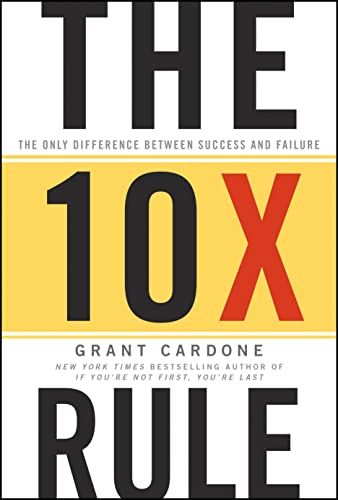
In "The 10X Rule," Grant Cardone unleashes a revolutionary philosophy that challenges you to aim ten times higher than your initial goals. He emphasizes that average thinking leads to mediocre results, while embracing massive action can propel you to extraordinary success. Through intense personal anecdotes and hard-hitting strategies, Cardone inspires readers to reject excuses and push boundaries in every aspect of their lives. Are you ready to break free from the status quo and achieve what you once deemed impossible? Dive in and discover how the 10X mindset can transform not just your goals, but your entire life.
The Money Class Book Summary
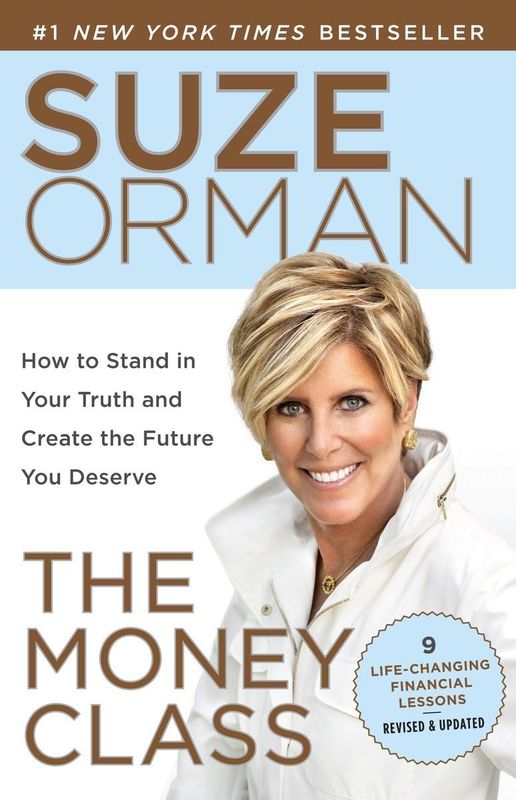
In "The Money Class," Suze Orman redefines financial literacy in a world where traditional rules no longer apply. She reveals the secrets to navigating modern economic challenges, providing actionable advice on saving, investing, and building wealth. Orman emphasizes the importance of understanding your personal values and translating them into financial choices. With relatable stories and practical tips, she empowers readers to take control of their financial futures. Are you ready to transform your relationship with money and unlock the life you deserve?

The Grapes of Wrath Book Summary
In John Steinbeck's powerful saga, "The Grapes of Wrath," the Joad family's harrowing journey unfolds amidst the backdrop of the Great Depression. Forced off their Oklahoma farm by relentless drought and economic despair, they head west in search of a promised land in California. Along the way, they encounter not just hardship and injustice, but also the resilience of the human spirit and the bonds of kinship. As they navigate a world rife with exploitation and desperation, their struggle becomes a poignant critique of social inequality. Will the Joads find the hope they seek, or will the weight of their trials crush their dreams?
The Gene Book Summary
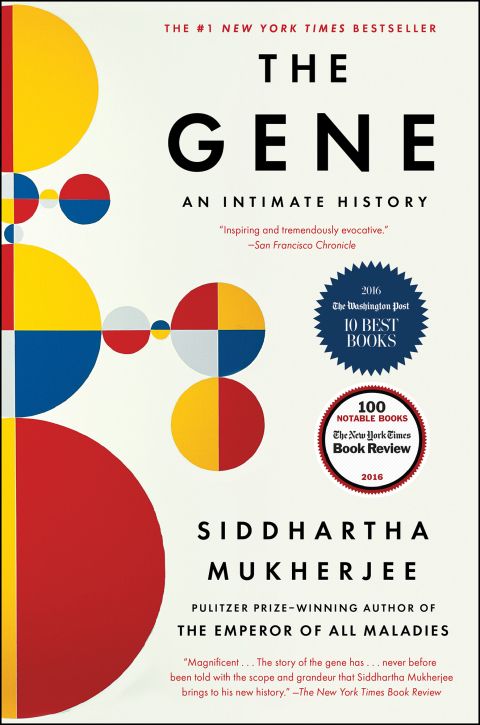
In "The Gene: An Intimate History," Siddhartha Mukherjee weaves together a compelling narrative that explores the profound impact of genetics on our identities and destinies. This journey spans from ancient discoveries to modern science, unraveling the stories of legendary geneticists and their groundbreaking findings. Mukherjee delves into the ethical dilemmas and societal implications of genetic manipulation, leaving readers questioning what it truly means to be human. With rich anecdotes and scientific insights, the book invites you to reflect on your own genetic legacy. Can our genes dictate our future, or do we hold the power to shape our own narratives?
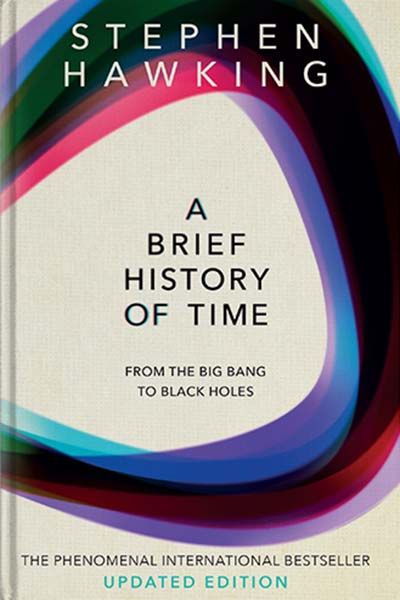
A Brief History of Time Book Summary
In "A Brief History of Time," Stephen Hawking takes readers on a captivating journey through the cosmos, exploring the nature of time, black holes, and the universe's beginnings. With stunning clarity, he unravels complex scientific concepts, inviting everyone—from curious laypersons to seasoned physicists—to ponder the mysteries of existence. Hawking's charismatic storytelling challenges our perceptions of reality and time itself, posing profound questions about the universe's fate. As he merges science with philosophy, the reader is compelled to reflect on their place in a vast, enigmatic cosmos. Prepare to be inspired and awed by a narrative that transcends mere facts, pushing the boundaries of human understanding.
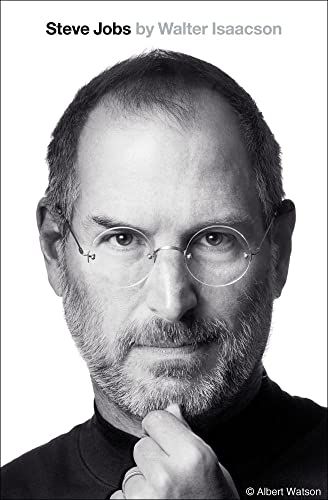
Steve Jobs Book Summary
In 'Steve Jobs', Walter Isaacson unveils the enigmatic life of the Apple co-founder, revealing the genius behind his relentless pursuit of perfection. This biography captures the brilliance and contradictions of a man who transformed entire industries with his innovative vision. Dive into the milestones of Jobs' career, from his revolutionary products to his tumultuous relationships. With candid insights from Jobs himself and those who knew him best, this book exposes the complex psyche of a modern icon. Discover how one man's dream reshaped technology, design, and the way we communicate forever.
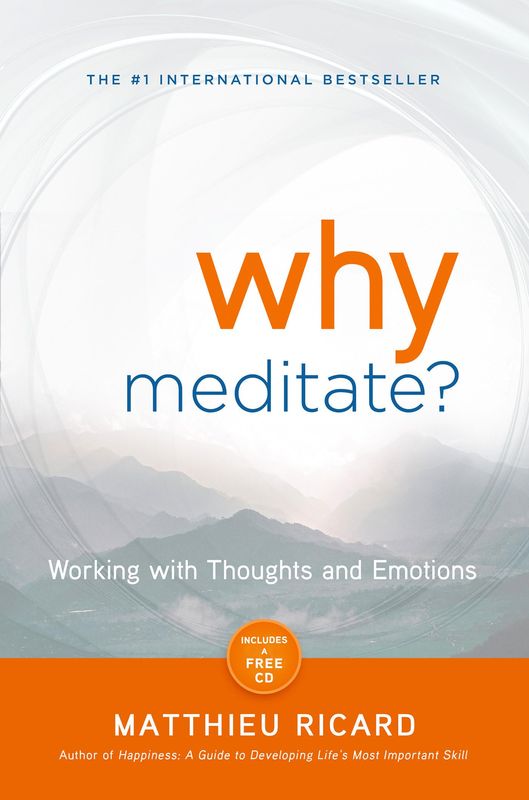
Why Meditate Book Summary
In 'Why Meditate', Matthieu Ricard invites readers on a transformative journey into the profound benefits of meditation. He elegantly intertwines scientific insights with personal anecdotes, revealing how mindfulness can reshape our thoughts and emotions. As a renowned monk and scientist, Ricard shares compelling evidence that meditation can enhance well-being, promote emotional resilience, and cultivate compassion. This book is not just about the practice of meditation; it's an exploration of its potential to bring about a deeper understanding of ourselves and our relationships with others. Discover how a few minutes of stillness each day might unlock the secrets to a more fulfilled and meaningful life.
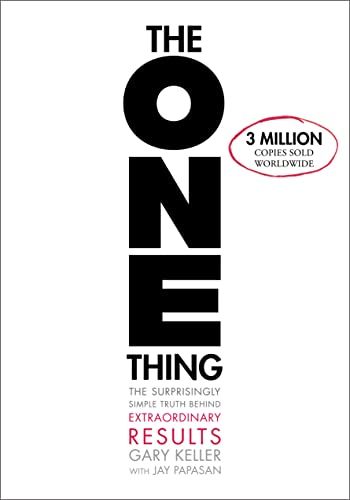
The One Thing Book Summary
In 'The One Thing,' Gary Keller and Jay Papasan present a powerful concept that focuses on the extraordinary results achieved when we concentrate on the most important task in our lives. They argue that success is not about doing more, but about doing less—focusing on what truly matters. With practical strategies and insightful anecdotes, the authors guide readers to cut through the clutter and prioritize effectively. As you dive into this influential book, discover the secret to simplifying your workload and achieving remarkable results. Will you uncover your 'one thing' and transform your life?
Showing 8 of 28 similar books
Take your reading experience to the next level
Download our mobile app to enjoy your favorite books on the go. Get access to exclusive features, offline listening, and personalized recommendations.

Similar Book Recommendations →

Amanda Palmer's Book Recommendations
Amanda Palmer is an American singer-songwriter, author, and performance artist, best known for her work as a solo artist and as part of the band The Dresden Dolls. Palmer is known for her theatrical performances, genre-blending music, and her strong connection with her fanbase. She has been a pioneer in crowdfunding, raising millions to fund her creative projects through platforms like Kickstarter and Patreon. Palmer is also the author of The Art of Asking, where she explores themes of vulnerability, creativity, and connection. Her work transcends traditional music, blending performance art, activism, and community engagement.

Chris Dixon's Book Recommendations
Chris Dixon is a notable venture capitalist and technology entrepreneur, best known for his influential role as a general partner at Andreessen Horowitz, where he leads investments in cryptocurrency and blockchain technology. Before joining the firm, Dixon co-founded two startups: SiteAdvisor, a web security company acquired by McAfee, and Hunch, a recommendation engine acquired by eBay. In addition to his investment career, Dixon is a prolific writer and thought leader on technology and innovation, contributing insightful essays and articles to various platforms such as his personal blog and Medium. His writings often explore the future of technology, the internet, and the impact of blockchain, making significant contributions to contemporary tech literature. Dixon's work has earned him recognition as a visionary in both the tech and literary worlds.

Lex Fridman's Book Recommendations
Lex Fridman is an artificial intelligence researcher, podcaster, and MIT professor, known for his work in autonomous vehicles, robotics, and deep learning. Fridman has gained widespread popularity through his podcast, Lex Fridman Podcast, where he interviews leading thinkers in science, technology, and philosophy, exploring topics like AI, consciousness, and the future of humanity. His academic work focuses on human-centered AI, aiming to create machines that can better understand and interact with humans. Fridman’s ability to distill complex topics into accessible conversations has earned him a large following, and his podcast is known for its thoughtful, in-depth discussions with some of the brightest minds of our time. He is also an advocate for the responsible development of AI, emphasizing the ethical implications of this rapidly advancing technology. Outside of academia and podcasting, Fridman is a practitioner of jiu-jitsu and frequently speaks about the importance of discipline and continuous learning.

Bret Victor's Book Recommendations
Bret Victor is a renowned American interface designer and computer scientist celebrated for his innovative contributions to interactive design and human-computer interaction. He is best known for creating dynamic, explorable explanations, which have significantly influenced the way educational content is presented and understood. Victor's seminal work, "Inventing on Principle," advocates for the integration of immediate feedback in creative processes, inspiring a new wave of interactive programming environments. As a former member of the Apple Human Interface team, he played a pivotal role in shaping modern user interfaces. Through his organization, Dynamicland, Victor continues to explore and expand the boundaries of immersive, collaborative computing environments.

Bryan Johnson's Book Recommendations
Bryan Johnson is an American entrepreneur, investor, and futurist, best known for founding Braintree, a payments company that was acquired by PayPal, and Kernel, a company focused on developing brain-computer interfaces. Johnson is deeply interested in advancing human cognition and longevity through technological innovation. His work at Kernel seeks to better understand the brain and its potential to enhance human intelligence. He is also the founder of OS Fund, which invests in companies tackling complex, world-changing problems in areas like health and energy. Johnson is a strong advocate for using technology to extend human potential and reshape the future of humanity.

Brian Earp's Book Recommendations
Brian Earp is a distinguished ethicist and interdisciplinary researcher, renowned for his extensive work in medical ethics, philosophy, and psychology. He serves as the Associate Director of the Yale-Hastings Program in Ethics and Health Policy at Yale University. Earp has co-authored several influential books, including "Love Drugs: The Chemical Future of Relationships," which explores the ethical implications of using pharmaceuticals to enhance romantic relationships. His scholarly articles have been widely published in leading academic journals, making significant contributions to debates on bioethics, sexuality, and human enhancement. Earp is also recognized for his engaging public outreach, effectively bridging the gap between academic research and public discourse.

Charlie Munger's Book Recommendations
Charlie Munger is an American investor, businessman, and philanthropist, best known as the vice chairman of Berkshire Hathaway, where he partners with Warren Buffett. Renowned for his insights on investment strategies and mental models, Munger has significantly influenced the world of finance. His notable literary contributions include "Poor Charlie's Almanack," a compilation of his speeches and writings that distill his wisdom on decision-making and business principles. Munger's work emphasizes the importance of multidisciplinary thinking and continuous learning. Beyond his financial acumen, he is celebrated for his charitable efforts, particularly in education and healthcare.

Jamie Dimon's Book Recommendations
Jamie Dimon is an American business executive, best known as the Chairman and CEO of JPMorgan Chase, one of the largest and most influential financial institutions in the world. Dimon has led JPMorgan through multiple economic crises, including the 2008 financial crash, and has consistently been recognized for his leadership in the banking industry. Under his tenure, JPMorgan has grown into a global financial powerhouse, focusing on innovation and sustainability. Dimon is also an advocate for corporate responsibility and frequently speaks on economic and regulatory issues. His leadership style and strategic insights have earned him widespread respect in the business world.
Showing 8 of 13 related collections
“In the heart of every clock, there exists a dance of gears and springs, not merely to mark the passing of time, but to reveal the universe's own intricate rhythm.”
The Clockwork Universe
By Edward Dolnick
Frequently Asked Questions
Explore Our Catalogue
Discover a world of knowledge through our extensive collection of book summaries.
Genres
Genres
Genres
Featured Collections
- Top Book Club Picks
- One-Stop Nutrition
- Summer Reads 2024
- Best Beach Reads 2024
- Work-Life Balance Guide
- Time Management
- Healthy Foods
- Entrepreneur Toolkit
- Mind & Body Wellness
- Future Tech Insights
- Leadership Essentials
- Financial Freedom
- Sci-Fi Masterpieces
- Parenting 101
- Books That Became Blockbusters
- Guide to a Healthy Pregnancy