The Coddling of the American Mind Book Summary
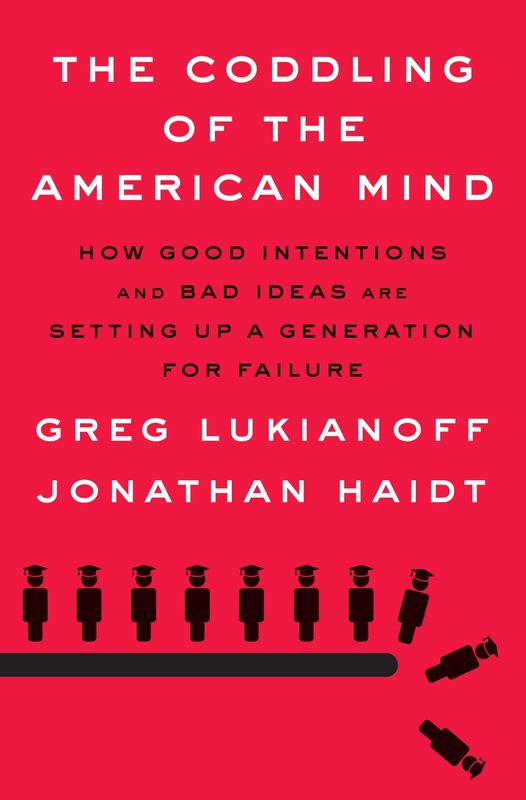
In 'The Coddling of the American Mind,' authors Greg Lukianoff and Jonathan Haidt explore the troubling trends of emotional fragility and avoidance of discomfort among today's youth. They argue that overprotection and the decline of critical thinking in education are eroding resilience and fostering divisions. The book delves into the psychological and cultural shifts that have led to this phenomenon, revealing how it impacts free speech and democracy. With compelling anecdotes and rigorous research, the authors challenge readers to reconsider the implications of their parenting and educational choices. A thought-provoking read that raises questions about the future of society and the importance of mental toughness.
By Jonathan Haidt, Greg Lukianoff
Published: 2018
"The resilience of young minds hinges on their ability to confront challenges, and in shielding them from discomfort, we risk crippling their capacity for growth and understanding."

Start Listening to Book Summary
Book Review of The Coddling of the American Mind
New York Times Bestseller • Finalist for the 2018 National Book Critics Circle Award in Nonfiction • A New York Times Notable Book • Bloomberg Best Book of 2018 “Their distinctive contribution to the higher-education debate is to meet safetyism on its own, psychological turf . . . Lukianoff and Haidt tell us that safetyism undermines the freedom of inquiry and speech that are indispensable to universities.” —Jonathan Marks, Commentary “The remedies the book outlines should be considered on college campuses, among parents of current and future students, and by anyone longing for a more sane society.” —Pittsburgh Post-Gazette Something has been going wrong on many college campuses in the last few years. Speakers are shouted down. Students and professors say they are walking on eggshells and are afraid to speak honestly. Rates of anxiety, depression, and suicide are rising—on campus as well as nationally. How did this happen? First Amendment expert Greg Lukianoff and social psychologist Jonathan Haidt show how the new problems on campus have their origins in three terrible ideas that have become increasingly woven into American childhood and education: What doesn’t kill you makes you weaker; always trust your feelings; and life is a battle between good people and evil people. These three Great Untruths contradict basic psychological principles about well-being and ancient wisdom from many cultures. Embracing these untruths—and the resulting culture of safetyism—interferes with young people’s social, emotional, and intellectual development. It makes it harder for them to become autonomous adults who are able to navigate the bumpy road of life. Lukianoff and Haidt investigate the many social trends that have intersected to promote the spread of these untruths. They explore changes in childhood such as the rise of fearful parenting, the decline of unsupervised, child-directed play, and the new world of social media that has engulfed teenagers in the last decade. They examine changes on campus, including the corporatization of universities and the emergence of new ideas about identity and justice. They situate the conflicts on campus within the context of America’s rapidly rising political polarization and dysfunction. This is a book for anyone who is confused by what is happening on college campuses today, or has children, or is concerned about the growing inability of Americans to live, work, and cooperate across party lines.
Book Overview of The Coddling of the American Mind
About the Book Authors
Jonathan Haidt
Jonathan Haidt is an American social psychologist, author, and professor known for his research on the psychology of morality and the interplay between culture, morality, and politics. He is the author of several influential books, including 'The Happiness Hypothesis', 'The Righteous Mind: Why Good People Are Divided by Politics and Religion', and 'The Coddling of the American Mind', co-authored with Greg Lukianoff. Haidt's writing style is characterized by its clarity, engaging narrative, and an emphasis on empirical research, making complex ideas accessible to a broad audience. Through his work, he seeks to foster understanding between differing viewpoints and address the divisions in contemporary society.
Greg Lukianoff
Greg Lukianoff is an American author, attorney, and civil liberties advocate, best known for his exploration of free speech and its implications in contemporary society. He is the president of the Foundation for Individual Rights in Education (FIRE) and has written extensively on issues related to free expression and censorship. His notable works include 'Unlearning Liberty: Campus Censorship and the End of American Debate' and 'The Coddling of the American Mind,' co-authored with Jonathan Haidt, in which they analyze the impact of cultural shifts on the resilience of young people. Lukianoff's writing style is characterized by a blend of rigorous research and accessible prose, making complex legal and societal issues comprehensible to a broad audience.
Book Details
Key information about the book.
- Authors
- Jonathan Haidt, Greg Lukianoff
- Published
- September 2018
- Publisher
- Penguin
- ISBN
- 0735224897
- Language
- English
- Pages
- 354
- Genres
- Cognitive PsychologyMental HealthPsychologyDevelopmental Psychology
Purchase Options
 Buy on Amazon
 Buy via BookShop
Support local bookstores: BookShop gives a portion of each sale to independent bookshops!
Similar books you might like →

The Science of Parenting Book Summary
In "The Science of Parenting," leading researchers intertwine the latest findings in psychology and neuroscience to revolutionize our understanding of child-rearing. Explore the powerful impact of early experiences on a child's brain development and emotional well-being. Discover practical strategies backed by science that can transform everyday parenting challenges into growth opportunities. From fostering resilience to nurturing creativity, this book empowers parents to unlock their child's full potential. Are you ready to rethink your parenting approach and embrace the science that can guide you along the journey?
No Rules Rules Book Summary
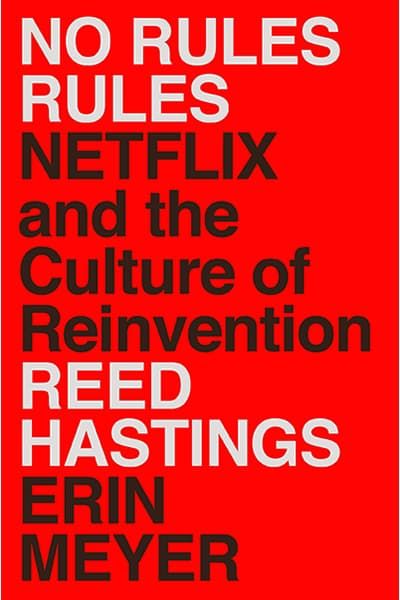
In 'No Rules Rules,' Netflix co-founder Reed Hastings reveals the unconventional culture that propelled the company to unprecedented heights. Delving into the principles of radical freedom and responsibility, Hastings and co-author Erin Meyer challenge traditional management norms. They explain how eliminating rules and fostering an environment of candor can lead to extraordinary innovation and performance. With captivating anecdotes and practical insights, this book unveils the secrets behind Netflix's success. Are you ready to rethink everything you thought you knew about effective leadership?
The Dip Book Summary
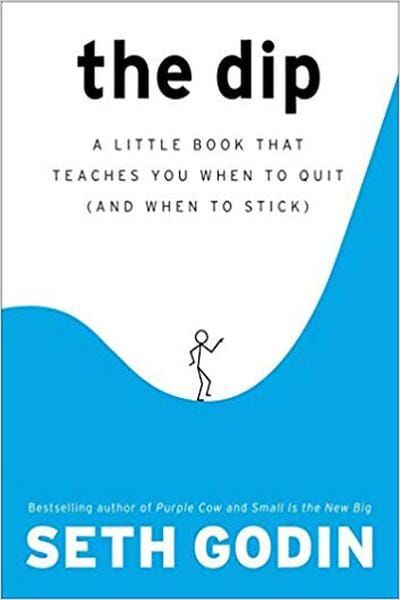
In 'The Dip', Seth Godin explores the critical moments of struggle that can make or break our paths to success. He argues that most people quit when the going gets tough, but those who endure these challenging phases often find great rewards. Godin reveals how to identify the dips worth pushing through and when to strategically quit to save time and energy. This book challenges conventional wisdom about persistence and encourages readers to focus on their unique strengths. Prepare to rethink your approach to challenges and discover the power of strategic quitting!
The Botany of Desire Book Summary
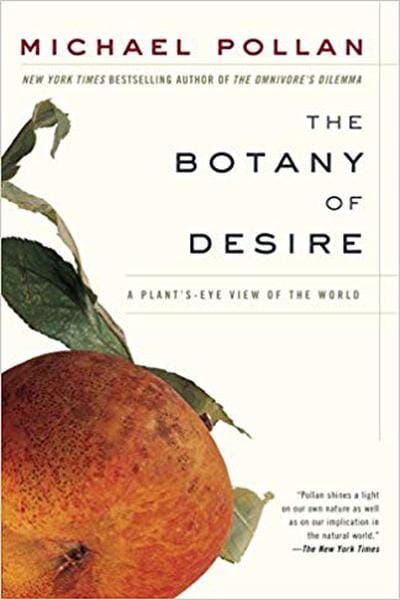
In 'The Botany of Desire', Michael Pollan explores the intricate relationship between humans and plants through the lens of four key species: the apple, the tulip, marijuana, and the potato. Each chapter reveals how these plants have evolved alongside humanity, reflecting our desires for sweetness, beauty, intoxication, and control. Pollan weaves fascinating anecdotes and scientific insights, challenging us to reconsider our role in nature's designs. As he delves into the botanical world, Pollan poses provocative questions about our interconnectedness with flora. This thought-provoking journey invites readers to reflect on the profound impact of desire on the evolution of both plants and people.

12 Rules for Life Book Summary
In '12 Rules for Life', psychologist Jordan B. Peterson distills life lessons from psychology, philosophy, and mythology into twelve profound principles for personal growth. Each rule invites readers to confront the chaos of existence and embrace responsibility, guiding them toward meaning and order. Peterson's compelling narratives and incisive insights challenge conventional wisdom, urging self-reflection and accountability. As readers navigate through the complexities of life, they discover how to build a stable foundation for themselves and their communities. This thought-provoking book promises to provoke deep contemplation and inspire transformative change.
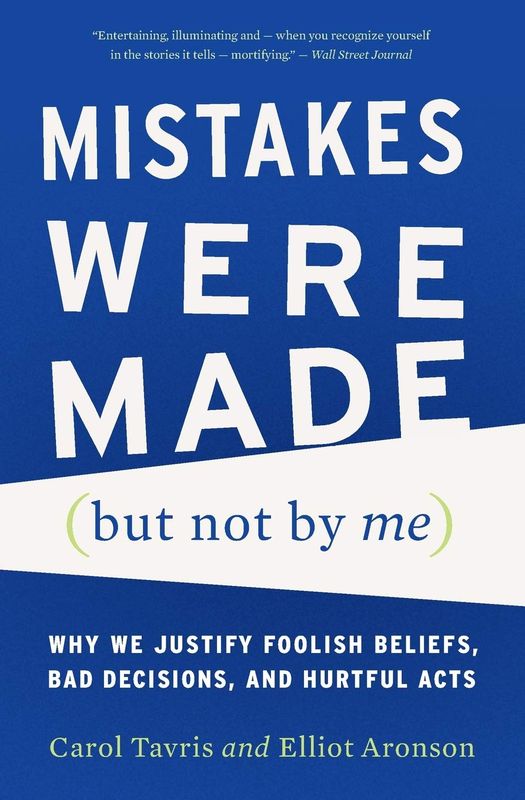
Mistakes Were Made (but Not by Me) Book Summary
In 'Mistakes Were Made (but Not by Me)', Carol Tavris and Elliot Aronson explore the psychological mechanisms of self-justification and the often-unconscious ways we avoid admitting our wrongs. With compelling examples from history, psychology, and personal anecdotes, the authors reveal why people, from individuals to large organizations, refuse to accept accountability. This thought-provoking book challenges readers to confront their own biases and the cognitive dissonance that influences decision-making. Will you choose to embrace the discomfort of acknowledging your mistakes? Dive into this enlightening read and discover the profound impact of accountability on personal growth and relationships.
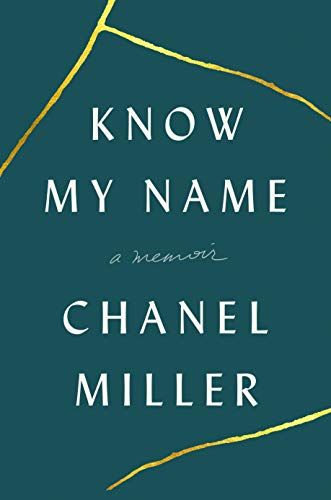
Know My Name Book Summary
In 'Know My Name', Chanel Miller bravely shares her deeply personal journey after surviving a highly publicized sexual assault. Once known only as "Emily Doe," she reclaims her identity and voice, exposing the trauma and resilience that come from her experience. Miller masterfully weaves her story with raw honesty, illuminating the flaws in the justice system and societal perceptions of victimhood. As she explores themes of identity, healing, and empowerment, readers are compelled to rethink how we recognize and support survivors. This powerful memoir invites us to understand the strength in vulnerability and the importance of making every name known.
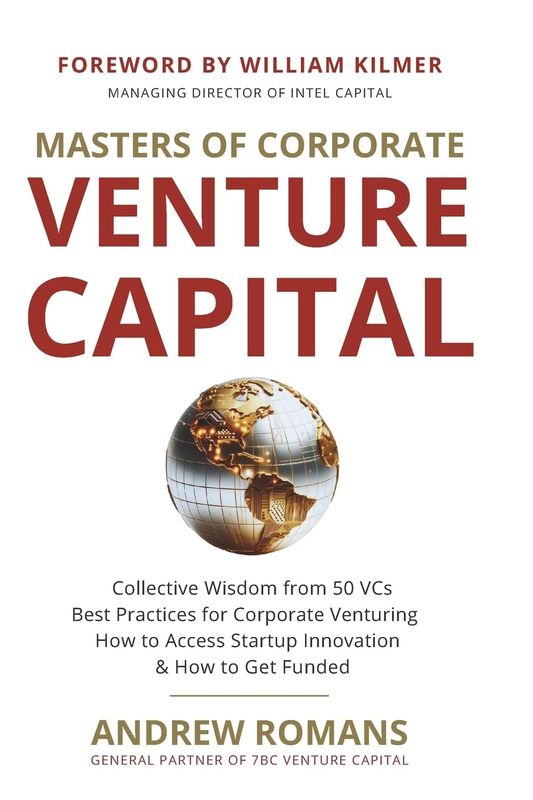
Masters of Corporate Venture Capital Book Summary
In 'Masters of Corporate Venture Capital,' Andrew Romans unveils the intricate world where corporate giants invest in startups to fuel innovation and gain competitive advantages. The book offers a fascinating exploration of the strategies, structures, and mindset required to succeed in this unique investment landscape. Readers are introduced to the key players and the high-stakes decisions that shape industries and drive economic growth. With real-world case studies and insider insights, Romans demystifies the art of corporate venture capital, making it accessible for aspiring investors and entrepreneurs alike. This provocative guide invites you to discover how corporate investments are transforming the future of business.
Showing 8 of 29 similar books
Take your reading experience to the next level
Download our mobile app to enjoy your favorite books on the go. Get access to exclusive features, offline listening, and personalized recommendations.

Similar Book Recommendations →

David Heinemeier Hansson's Book Recommendations
David Heinemeier Hansson, also known as DHH, is a Danish programmer, entrepreneur, and author, best known as the creator of Ruby on Rails, a popular web application framework. Heinemeier Hansson is also a partner at Basecamp, a project management and collaboration software company he co-founded. His contributions to software development have earned him widespread recognition, with Ruby on Rails being used by thousands of developers and companies worldwide. Heinemeier Hansson is also a vocal advocate for remote work, simplicity in business, and sustainable work practices, ideas he explores in his bestselling books Rework and It Doesn’t Have to Be Crazy at Work. In addition to his work in tech, he is an accomplished race car driver, having competed in the 24 Hours of Le Mans. Heinemeier Hansson’s approach to work-life balance and entrepreneurship has made him a thought leader in the tech community, where he continues to challenge traditional business practices and advocate for more human-centered approaches to work

Andrew Huberman's Book Recommendations
Andrew Huberman is a renowned neuroscientist and tenured professor at Stanford University, where he leads the Huberman Lab, focusing on brain function, behavior, and health. He has significantly contributed to the understanding of neural plasticity, particularly how the brain can change in response to experience and injury. Huberman is widely recognized for his engaging public science communication, which includes the popular "Huberman Lab" podcast that translates complex neuroscience topics into accessible insights for broad audiences. His research has been published in leading scientific journals, earning him numerous accolades and fostering a deeper public appreciation for neuroscience. Additionally, his work extends into practical applications, influencing fields such as mental health, vision restoration, and performance optimization.

Joe Rogan's Book Recommendations
Joe Rogan is a multifaceted American entertainer known primarily for his work as a comedian, podcast host, and commentator. He gained widespread recognition through his immensely popular podcast, "The Joe Rogan Experience," which has featured in-depth conversations with a diverse array of guests, including scientists, celebrities, and politicians. Though not primarily known for literature, Rogan has contributed to the field with his thought-provoking discussions that often explore philosophical and intellectual ideas. Additionally, he has authored the book "Mastering the Rubber Guard," which delves into Brazilian Jiu-Jitsu techniques, showcasing his expertise in martial arts. Rogan's influence extends beyond traditional media, impacting contemporary discourse through his unique blend of humor, curiosity, and critical thinking.

Glenn Beck's Book Recommendations
Glenn Beck is a prominent American media personality, political commentator, and author known for his provocative and often polarizing views. He gained widespread recognition as the host of "The Glenn Beck Program," which aired on Fox News and later transitioned to radio and digital platforms. Beck is also a prolific writer, having authored multiple New York Times bestsellers, including "The Overton Window" and "Arguing with Idiots." His work often explores themes of American history, politics, and social issues, resonating with a conservative audience. Additionally, Beck founded Mercury Radio Arts, a multimedia production company, further solidifying his influence in both media and literature.

James Clear's Book Recommendations
James Clear is the author of the bestselling book Atomic Habits, which focuses on the power of small habits and incremental improvements to achieve significant personal and professional growth. Clear’s writing blends insights from psychology, neuroscience, and productivity to provide practical strategies for building better habits. His work has helped millions of people create positive changes in their lives by focusing on the process rather than the outcome. James’s clear, actionable advice has made him a sought-after speaker and thought leader in the field of personal development.

Bret Weinstein's Book Recommendations
Bret Weinstein is an evolutionary biologist and author renowned for his thought-provoking insights into human behavior and societal structures. He gained significant attention as a professor at Evergreen State College, where his opposition to a campus event in 2017 sparked a national conversation about free speech and academic freedom. Alongside his wife, Heather Heying, Weinstein co-authored the acclaimed book "A Hunter-Gatherer's Guide to the 21st Century," which explores evolutionary principles and their implications for modern life. He is also a prominent figure in the Intellectual Dark Web, contributing to discussions on science, politics, and culture through various platforms, including his popular podcast, "DarkHorse." Weinstein's work emphasizes the importance of evolutionary thinking in addressing contemporary issues.

Steven Pinker's Book Recommendations
Steven Pinker is a Canadian-American cognitive psychologist, linguist, and author, best known for his work on language, the mind, and human nature. Pinker has written several best-selling books, including The Better Angels of Our Nature and Enlightenment Now, where he argues that human progress is real and measurable, often citing data to show that violence, poverty, and other negative trends have been declining over time. He is also a professor at Harvard University and a frequent public intellectual who speaks on topics related to science, reason, and progress. Pinker’s optimistic view of human development has made him a leading figure in modern intellectual discourse.

Brendon Burchard's Book Recommendations
Brendon Burchard is a high-performance coach, motivational speaker, and bestselling author, best known for his books High Performance Habits and The Motivation Manifesto. He helps individuals and organizations achieve peak performance through strategies focused on clarity, energy, and productivity. Brendon’s work emphasizes the importance of personal growth and developing habits that lead to sustained success. He has coached Fortune 500 CEOs, Olympians, and other high-achieving individuals. Brendon is also the founder of the High Performance Academy, where he trains people to lead more impactful and successful lives.
Showing 8 of 10 related collections
“The resilience of young minds hinges on their ability to confront challenges, and in shielding them from discomfort, we risk crippling their capacity for growth and understanding.”
The Coddling of the American Mind
By Jonathan Haidt, Greg Lukianoff
Frequently Asked Questions
Explore Our Catalogue
Discover a world of knowledge through our extensive collection of book summaries.
Genres
Genres
Genres
Featured Collections
- Top Book Club Picks
- One-Stop Nutrition
- Summer Reads 2024
- Best Beach Reads 2024
- Work-Life Balance Guide
- Time Management
- Healthy Foods
- Entrepreneur Toolkit
- Mind & Body Wellness
- Future Tech Insights
- Leadership Essentials
- Financial Freedom
- Sci-Fi Masterpieces
- Parenting 101
- Books That Became Blockbusters
- Guide to a Healthy Pregnancy