The Crime of Reason Book Summary
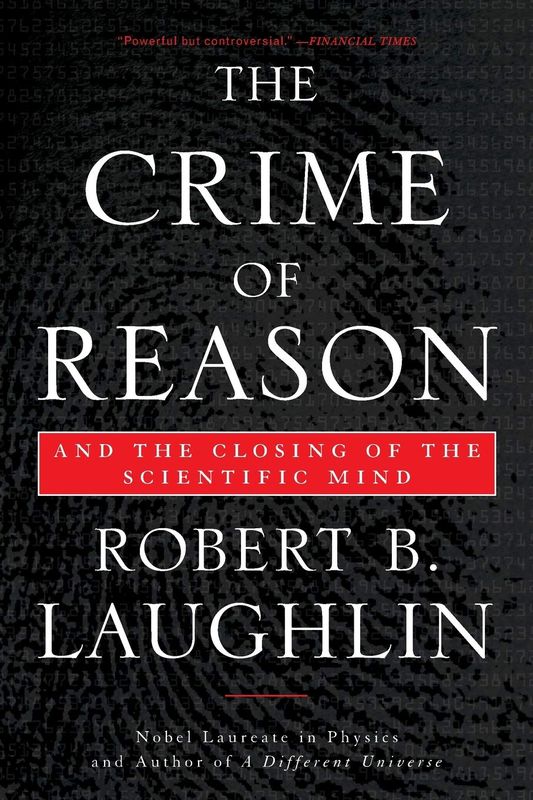
In 'The Crime of Reason,' physicist Robert B. Laughlin challenges the traditional views of science and philosophy, arguing that the true nature of reality is often obscured by our rigid reasoning. He delves into the interplay between imagination and reason, questioning how our pursuit of knowledge may inhibit creative thought. Through captivating anecdotes and profound insights, Laughlin exposes the limitations of rationality in understanding the complexities of the universe. This thought-provoking work invites readers to reconsider the foundations of scientific thought and the role of personal intuition. Prepare to embark on an intellectual journey that defies conventional wisdom and ignites the spark of curiosity.
By Robert B. Laughlin
Published: 2010
"In the pursuit of reason, we often find that the greatest crimes are the ones we commit against our own understanding."

Start Listening to Book Summary
Book Review of The Crime of Reason
We all agree that the free flow of ideas is essential to creativity. And we like to believe that in our modern, technological world, information is more freely available and flows faster than ever before. But according to Nobel Laureate Robert Laughlin, acquiring information is becoming a danger or even a crime. Increasingly, the really valuable information is private property or a state secret, with the result that it is now easy for a flash of insight, entirely innocently, to infringe a patent or threaten national security. The public pays little attention because this vital information is “technical”—but, Laughlin argues, information is often labeled technical so it can be sequestered, not sequestered because it's technical. The increasing restrictions on information in such fields as cryptography, biotechnology, and computer software design are creating a new Dark Age: a time characterized not by light and truth but by disinformation and ignorance. Thus we find ourselves dealing more and more with the Crime of Reason, the antisocial and sometimes outright illegal nature of certain intellectual activities. The Crime of Reason is a reader-friendly jeremiad, On Bullshit for the Slashdot and Creative Commons crowd: a short, fiercely argued essay on a problem of increasing concern to people at the frontiers of new ideas.
Book Overview of The Crime of Reason
About the Book Author
Robert B. Laughlin
Robert B. Laughlin is an acclaimed physicist and author best known for his contributions to the field of condensed matter physics and for being awarded the Nobel Prize in Physics in 1998. His notable works include 'A Different Universe: Reinventing Physics from the Bottom Down,' where he explores the fundamental nature of reality and challenges conventional scientific wisdom. Laughlin's writing style is characterized by clarity and accessibility, making complex scientific concepts understandable to a broader audience while maintaining a deep intellectual rigor.
Book Details
Key information about the book.
- Authors
- Robert B. Laughlin
- Published
- December 2010
- Publisher
- Basic Books
- ISBN
- 0465020283
- Language
- English
- Pages
- N/A
- Genres
- Philosophy of MindPhilosophyScience and NatureScientific Discoveries
Purchase Options
 Buy on Amazon
 Buy via BookShop
Support local bookstores: BookShop gives a portion of each sale to independent bookshops!
Similar books you might like →
A Brief History of Time Book Summary
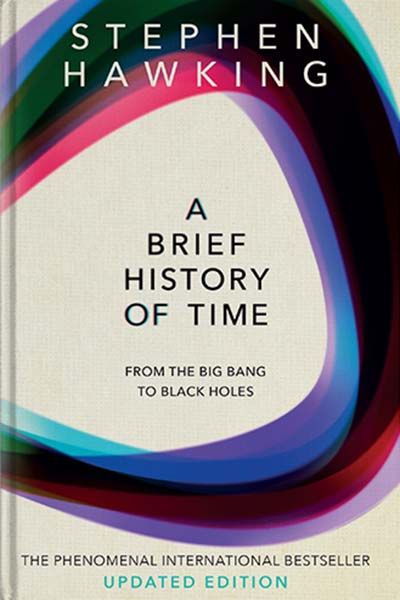
In "A Brief History of Time," Stephen Hawking takes readers on a captivating journey through the cosmos, exploring the nature of time, black holes, and the universe's beginnings. With stunning clarity, he unravels complex scientific concepts, inviting everyone—from curious laypersons to seasoned physicists—to ponder the mysteries of existence. Hawking's charismatic storytelling challenges our perceptions of reality and time itself, posing profound questions about the universe's fate. As he merges science with philosophy, the reader is compelled to reflect on their place in a vast, enigmatic cosmos. Prepare to be inspired and awed by a narrative that transcends mere facts, pushing the boundaries of human understanding.
Wealth And Poverty Of Nations Book Summary
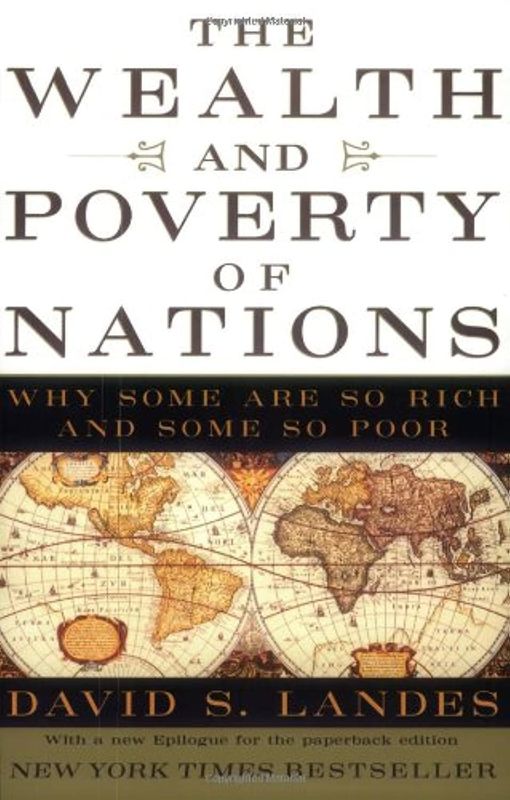
In 'Wealth and Poverty of Nations,' David S. Landes explores the complex tapestry of economic history and development across the globe. He delves into why some nations flourish while others remain entrenched in poverty, examining cultural, geographical, and historical factors that have shaped economies. Through engaging anecdotes and incisive analysis, Landes challenges simplistic explanations, revealing the intricate interplay of innovation, tradition, and policy. This book not only illuminates past economic trajectories but also provokes thought about the future of global prosperity. Prepare to question your assumptions about wealth and consider the paths nations have taken in their pursuit of success.
One Up on Wall Street Book Summary
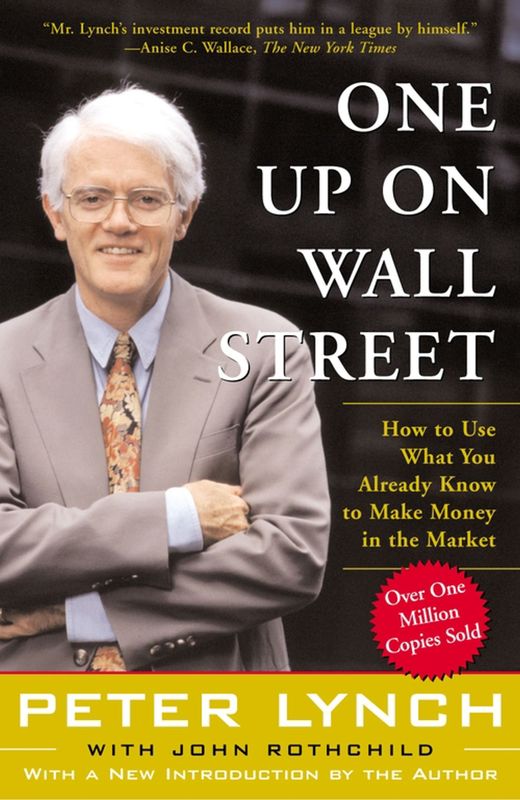
In 'One Up on Wall Street', legendary investor Peter S. Lynch shares his investment philosophy that empowers everyday individuals to confidently navigate the stock market. With insightful anecdotes and a no-nonsense approach, Lynch reveals how to identify promising companies before they become household names. He emphasizes the importance of doing your homework and investing in what you know, challenging traditional investment strategies. Lynch's compelling narrative demystifies stock picking, making it accessible to both novice and seasoned investors. Will you discover the secrets to outperforming Wall Street?
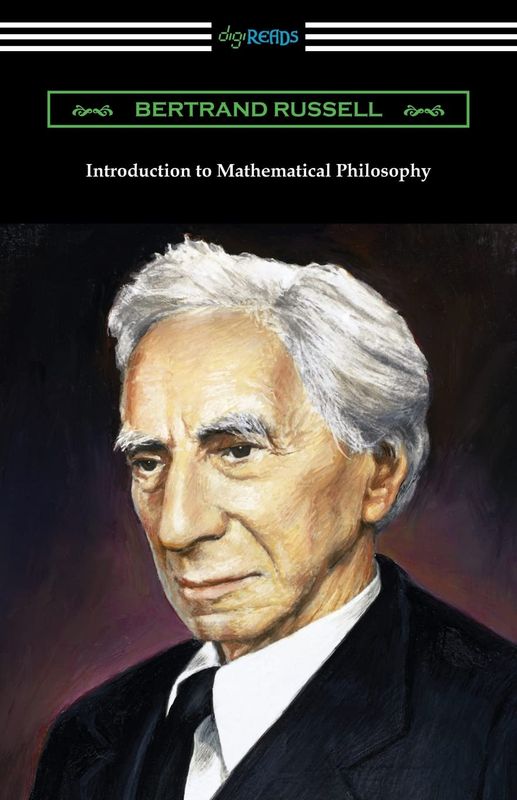
Introduction to Mathematical Philosophy Book Summary
In 'Introduction to Mathematical Philosophy,' Bertrand Russell takes readers on a fascinating journey through the foundations of mathematics and its philosophical implications. He explores concepts such as numbers, infinity, and the nature of mathematical truth, challenging conventional thinking. With his unique blend of clarity and insight, Russell demystifies complex ideas, revealing the profound connections between logic and mathematics. This thought-provoking work not only invites readers to rethink their understanding of numbers but also questions the very essence of reality itself. A must-read for anyone intrigued by the interplay of philosophy and mathematics, this book promises to expand your horizons.
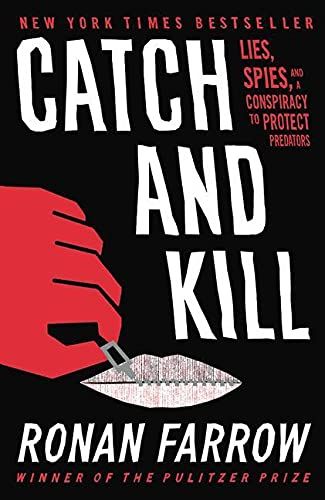
Catch and Kill Book Summary
In 'Catch and Kill', investigative journalist Ronan Farrow uncovers the harrowing truth behind allegations of sexual assault against powerful figures in Hollywood. As he delves deeper, he faces a complex web of intimidation and cover-ups that threaten his career and safety. This gripping narrative exposes the lengths to which some will go to silence survivors and protect the status quo. Farrow's relentless pursuit of the truth not only reveals shocking secrets but also highlights the systemic issues within media and culture. A riveting must-read that challenges readers to confront uncomfortable realities.
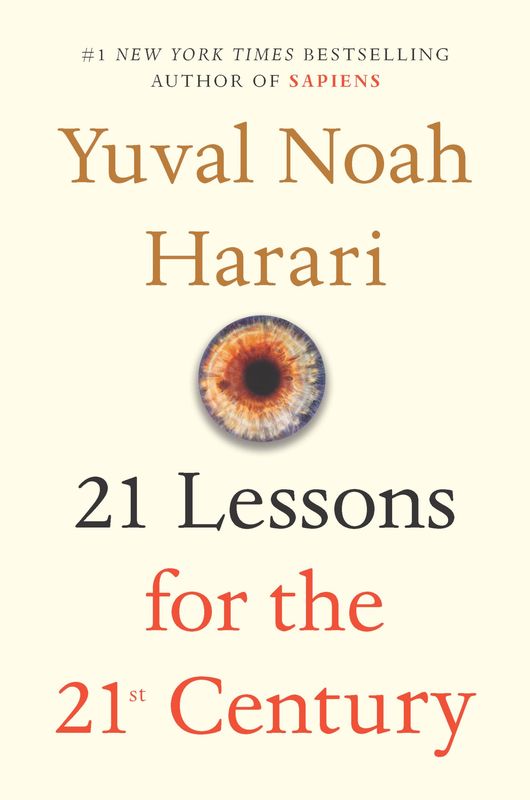
21 Lessons for the 21st Century Book Summary
In '21 Lessons for the 21st Century', Yuval Noah Harari navigates the complex landscape of today's world, tackling urgent questions about our future. From the impact of technology on society to the challenges of political stability, each lesson provokes thought and introspection. Harari explores key themes such as the rise of artificial intelligence, the significance of data, and the importance of meaning in an increasingly uncertain world. With a blend of history, philosophy, and science, the book invites readers to reflect on their roles in shaping a shared future. Will we adapt, or become obsolete? Dive in to uncover the lessons that could redefine humanity's path.
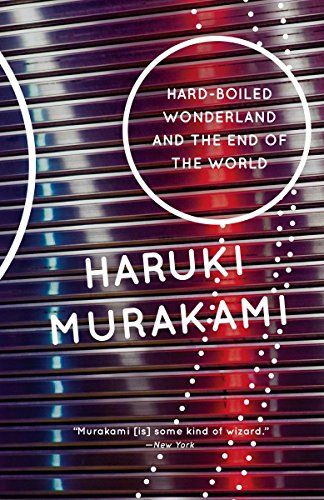
Hard-Boiled Wonderland and the End of the World Book Summary
In 'Hard-Boiled Wonderland and the End of the World,' Haruki Murakami crafts a surreal narrative that oscillates between two contrasting realities: a futuristic Tokyo filled with data-siphoning dreams and a mysterious town where memories are erased. As a data technician known for his unique abilities uncovers a conspiracy entwined with his own subconscious, readers are drawn into an intricate labyrinth of consciousness and identity. Parallel to this, the enigmatic narrative of the End of the World unfolds, exploring themes of isolation and the essence of humanity. Each character, from the original to the fantastical, adds layers to Murakami's exploration of existential dilemmas. This novel challenges the very fabric of reality, leaving you questioning where dreams end and truth begins.

If the Universe Is Teeming with Aliens ... WHERE IS EVERYBODY? Book Summary
In 'If the Universe Is Teeming with Aliens ... WHERE IS EVERYBODY?', Stephen Webb explores the tantalizing paradox of the Fermi question: if the cosmos is filled with extraterrestrial life, why haven't we encountered any? Through a captivating blend of science, philosophy, and speculation, Webb presents intriguing theories and potential explanations for the silence of the universe. He delves into topics such as the vastness of space, technological limitations, and the nature of life itself. Each chapter unravels more mysteries, keeping readers on the edge of their seats. This thought-provoking journey compels us to reconsider our place in the universe and the possibilities that lie beyond our planet.
Showing 8 of 30 similar books
Take your reading experience to the next level
Download our mobile app to enjoy your favorite books on the go. Get access to exclusive features, offline listening, and personalized recommendations.

Similar Book Recommendations →

Bret Victor's Book Recommendations
Bret Victor is a renowned American interface designer and computer scientist celebrated for his innovative contributions to interactive design and human-computer interaction. He is best known for creating dynamic, explorable explanations, which have significantly influenced the way educational content is presented and understood. Victor's seminal work, "Inventing on Principle," advocates for the integration of immediate feedback in creative processes, inspiring a new wave of interactive programming environments. As a former member of the Apple Human Interface team, he played a pivotal role in shaping modern user interfaces. Through his organization, Dynamicland, Victor continues to explore and expand the boundaries of immersive, collaborative computing environments.

Charlie Munger's Book Recommendations
Charlie Munger is an American investor, businessman, and philanthropist, best known as the vice chairman of Berkshire Hathaway, where he partners with Warren Buffett. Renowned for his insights on investment strategies and mental models, Munger has significantly influenced the world of finance. His notable literary contributions include "Poor Charlie's Almanack," a compilation of his speeches and writings that distill his wisdom on decision-making and business principles. Munger's work emphasizes the importance of multidisciplinary thinking and continuous learning. Beyond his financial acumen, he is celebrated for his charitable efforts, particularly in education and healthcare.

Barack Obama's Book Recommendations
Barack Obama is the 44th President of the United States, serving from 2009 to 2017. As the first African American president, Obama’s leadership marked a historic moment in American history. His administration focused on healthcare reform, economic recovery from the Great Recession, and environmental policies. He is best known for the Affordable Care Act, as well as his efforts to expand civil rights and restore diplomatic relations with Cuba. Since leaving office, Obama has continued to engage in public life through his foundation, focusing on leadership development, civic engagement, and global issues.

Nat Eliason's Book Recommendations
Nat Eliason is an influential writer, entrepreneur, and educator known for his insightful work on personal growth, productivity, and digital marketing. He founded Growth Machine, a successful SEO and content marketing agency that has helped numerous companies expand their online presence. Eliason's thought-provoking articles on his blog cover a wide range of topics, from philosophy to health, attracting a large and engaged audience. Additionally, he authored "Effortless Output with Roam," a comprehensive guide on using the Roam Research tool for knowledge management. Through his diverse contributions, Eliason has established himself as a significant voice in the realms of self-improvement and digital strategy.

Andrew Wilkinson's Book Recommendations
Andrew Wilkinson is a distinguished author and entrepreneur, best known for his insightful business writings and contributions to the tech industry. He co-founded MetaLab, a prominent design agency that has shaped the user experience of major platforms like Slack and Coinbase. Wilkinson's entrepreneurial journey and his publications provide valuable perspectives on startup culture, innovation, and leadership. His writing, often featured in leading business magazines and his personal blog, has garnered a wide readership for its practical advice and engaging storytelling. Andrew continues to influence both literature and the business world with his unique blend of creativity and strategic thinking.

Albert Wenger's Book Recommendations
Albert Wenger is a prominent venture capitalist and author, best known for his insightful contributions to the intersection of technology and society. As a managing partner at Union Square Ventures, he has invested in and mentored numerous groundbreaking startups, significantly shaping the digital landscape. Wenger is the author of "World After Capital," a thought-provoking book that explores the implications of a post-capitalist society driven by abundant knowledge and digital innovation. His work has sparked important discussions about the future of work, education, and governance in an increasingly automated world. Beyond his writing, Wenger is a sought-after speaker and influential thought leader in the tech community.
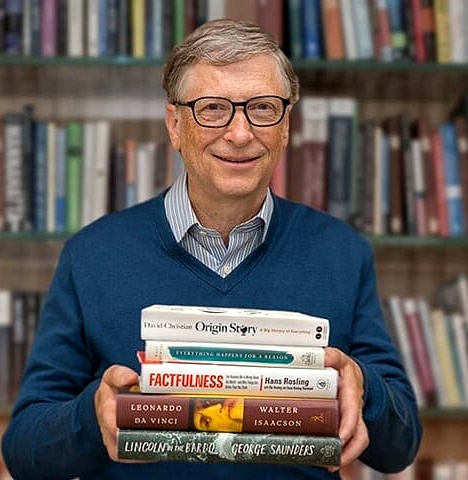
Bill Gates's Book Recommendations
Bill Gates, co-founder of Microsoft Corporation, is a pioneering figure in the tech industry, having played a key role in the personal computer revolution. His work at Microsoft, particularly the development of Windows, transformed software and computing globally. Beyond his technology contributions, Gates is also a prolific author, with notable works such as "The Road Ahead" and "Business @ the Speed of Thought," which offer insights into the future of technology and business. Additionally, his philanthropic efforts through the Bill & Melinda Gates Foundation have had a profound impact on global health, education, and poverty. Gates continues to influence both technology and literature with his forward-thinking perspectives and innovative ideas.

Tim Ferriss's Book Recommendations
Tim Ferriss is a bestselling author, entrepreneur, and podcast host, best known for his book The 4-Hour Workweek, which advocates for designing a lifestyle of financial and personal freedom through efficiency and outsourcing. He has written several other books, including Tools of Titans and Tribe of Mentors, compiling lessons from interviews with high achievers across industries. Ferriss’s podcast, The Tim Ferriss Show, is one of the most popular in the world, where he interviews leaders and influencers about their habits, strategies, and personal development. He is known for his emphasis on productivity, health, and optimizing performance.
Showing 8 of 11 related collections
“In the pursuit of reason, we often find that the greatest crimes are the ones we commit against our own understanding.”
The Crime of Reason
By Robert B. Laughlin
Frequently Asked Questions
Explore Our Catalogue
Discover a world of knowledge through our extensive collection of book summaries.
Genres
Genres
Genres
Featured Collections
- Top Book Club Picks
- One-Stop Nutrition
- Summer Reads 2024
- Best Beach Reads 2024
- Work-Life Balance Guide
- Time Management
- Healthy Foods
- Entrepreneur Toolkit
- Mind & Body Wellness
- Future Tech Insights
- Leadership Essentials
- Financial Freedom
- Sci-Fi Masterpieces
- Parenting 101
- Books That Became Blockbusters
- Guide to a Healthy Pregnancy