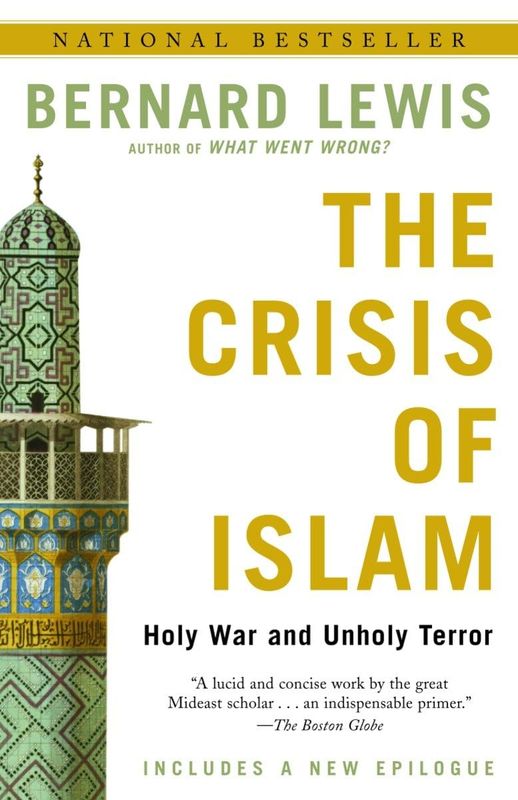
The Crisis of Islam Book Summary
In 'The Crisis of Islam,' Bernard Lewis delves into the complexities of the Islamic world, tracing its historical roots and the factors contributing to its current turmoil. He explores the clash between traditional Islamic values and modernity, revealing the socio-political struggles that have shaped contemporary Muslim societies. Through compelling analysis, Lewis challenges prevalent misconceptions about Islam and emphasizes the diverse voices within it. This engaging examination not only illuminates the crises faced by the Muslim world but also invites readers to understand the broader implications for global society. Are we ready to confront the realities that lie at the heart of this pivotal cultural intersection?
By Bernard Lewis
Published: 2004
""In the modern world, the struggle between freedom and tyranny takes on many forms; understanding the roots of these conflicts is essential to forging a path toward peace.""

Start Listening to Book Summary
Book Review of The Crisis of Islam
In his first book since What Went Wrong? Bernard Lewis examines the historical roots of the resentments that dominate the Islamic world today and that are increasingly being expressed in acts of terrorism. He looks at the theological origins of political Islam and takes us through the rise of militant Islam in Iran, Egypt, and Saudi Arabia, examining the impact of radical Wahhabi proselytizing, and Saudi oil money, on the rest of the Islamic world. The Crisis of Islam ranges widely through thirteen centuries of history, but in particular it charts the key events of the twentieth century leading up to the violent confrontations of today: the creation of the state of Israel, the Cold War, the Iranian Revolution, the Soviet defeat in Afghanistan, the Gulf War, and the September 11th attacks on the United States. While hostility toward the West has a long and varied history in the lands of Islam, its current concentration on America is new. So too is the cult of the suicide bomber. Brilliantly disentangling the crosscurrents of Middle Eastern history from the rhetoric of its manipulators, Bernard Lewis helps us understand the reasons for the increasingly dogmatic rejection of modernity by many in the Muslim world in favor of a return to a sacred past. Based on his George Polk Award–winning article for The New Yorker, The Crisis of Islam is essential reading for anyone who wants to know what Usama bin Ladin represents and why his murderous message resonates so widely in the Islamic world.
Book Overview of The Crisis of Islam
About the Book Author
Bernard Lewis
Bernard Lewis (1916-2018) was a prominent British historian, scholar, and author, renowned for his extensive expertise in Middle Eastern history and Islamic studies. His notable works include 'The Shaping of the Modern Middle East', 'The Crisis of Islam', and 'What Went Wrong? Western Impact and Middle Eastern Response'. Lewis's writing style is characterized by its clarity, depth, and analytical rigor, often providing insightful perspectives on the complexities of cultures and civilizations. His contributions have significantly influenced both academic discourse and public understanding of the region's history and politics.
Book Details
Key information about the book.
- Authors
- Bernard Lewis
- Published
- March 2004
- Publisher
- Random House Trade Paperbacks
- ISBN
- 0812967852
- Language
- English
- Pages
- 226
- Genres
- Social Justice MovementsPolitical IdeologiesPolitical HistoryInternational RelationsPolitics and Current Affairs
Purchase Options
 Buy on Amazon
 Buy via BookShop
Support local bookstores: BookShop gives a portion of each sale to independent bookshops!
Similar books you might like →
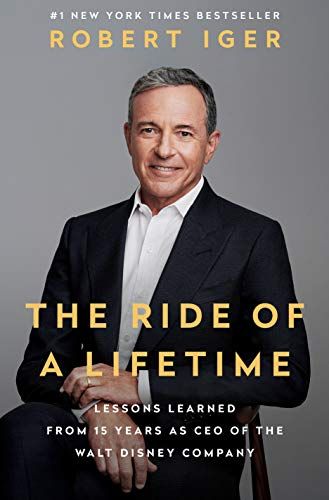
The Ride of a Lifetime Book Summary
In 'The Ride of a Lifetime', Robert Iger, the former CEO of The Walt Disney Company, shares his inspiring journey from a small-town boy to the helm of one of the world's most iconic brands. Iger details the bold decisions and visionary strategies that transformed Disney, including the acquisition of Pixar, Marvel, and Lucasfilm. His candid reflections on leadership, creativity, and the art of storytelling reveal the secrets behind Disney's unprecedented success. As Iger navigates through challenges and triumphs, he invites readers to understand the importance of resilience and innovation in a rapidly changing world. This memoir is not just a recount of corporate achievements; it's a thrilling exploration of dreams realized and the enduring magic of imagination.

In the Name of Democracy Book Summary
In 'In the Name of Democracy', Tom H. Carothers excavates the intricate relationship between democracy promotion and foreign policy. He unveils the paradoxes and challenges faced by nations striving to export democratic ideals across diverse cultures. Through compelling case studies, Carothers reveals how well-intentioned efforts often lead to unintended consequences. This thought-provoking exploration encourages readers to reconsider the effectiveness of democracy as a universal solution. Will the pursuit of democracy enhance global stability, or will it spark new conflicts?

Politicide Book Summary
In 'Politicide', Baruch Kimmerling presents a thought-provoking examination of the complex interplay between politics and violence in the Israeli-Palestinian conflict. He introduces the concept of 'politicide', a strategy that systematically undermines the existence of a group, leading to a chilling narrative of state-sponsored aggression. Kimmerling's incisive analysis reveals the deep-rooted socio-political factors fueling decades of turmoil and suffering. The book challenges readers to confront uncomfortable truths about power, identity, and the human cost of conflict. With eloquent prose and compelling arguments, 'Politicide' is a must-read for anyone seeking to understand the intricacies of contemporary geopolitics.


Last Reflections on a War Book Summary
In 'Last Reflections on a War', Bernard B. Fall offers a haunting and poignant examination of the Vietnam War, weaving together personal insights and profound observations. Drawing on his experiences as a war correspondent, Fall sheds light on the complexities of conflict and the human cost it entails. He challenges the narratives often presented about the war, urging readers to confront the harsh realities faced by soldiers and civilians alike. With a blend of historical analysis and personal anecdotes, this work leaves a lasting impression on the moral implications of warfare. Fall's reflections prompt us to consider the true meaning of victory and loss in the timeless struggle for peace.

The Age Of Terror Book Summary
In 'The Age of Terror,' Strobe Talbott and Nayan Chanda explore the evolving landscape of global conflict in the post-9/11 era. The authors delve into how terrorism has reshaped international relations and domestic policies, urging readers to reassess their understanding of security and freedom. With gripping anecdotes and comprehensive analysis, the book unveils the intricate web connecting political power, societal fears, and the relentless threat of terror. As they expose the complex motivations behind terrorist actions, Talbott and Chanda challenge the notion of strict dichotomies between good and evil. This thought-provoking work leaves readers pondering: How do we navigate a world rife with uncertainty and shadows of violence?
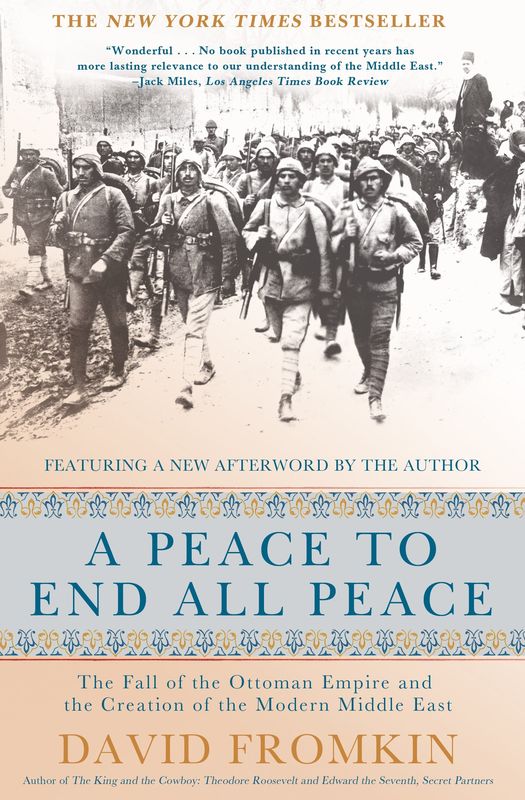
A Peace to End All Peace Book Summary
In 'A Peace to End All Peace', David Fromkin unravels the intricate web of events that led to the creation of the modern Middle East after World War I. With compelling narratives, Fromkin reveals how the decisions made by imperial powers set the stage for decades of conflict. This historical analysis not only highlights the reckless diplomacy of the time but also exposes the enduring consequences of these choices on today's geopolitical landscape. As tensions rise in the region, the book prompts readers to ponder: can any lasting peace ever truly emerge from such a fractured legacy? Dive into this thought-provoking exploration of history, power, and the quest for stability in a tumultuous world.

Wooden Leg Book Summary
'Wooden Leg' is a powerful memoir from the perspective of a Native American who shares the harrowing yet inspiring tale of his experiences during the tumultuous era of westward expansion. With vivid storytelling, the author recounts his resilience and the cultural clash that defined his childhood. This poignant narrative delves into themes of identity, survival, and the struggle against oppression. Will you discover the secrets of strength and wisdom that emerge from his extraordinary journey? Join Wooden Leg as he reclaims his history and offers a unique lens on America’s past.
Showing 8 of 26 similar books
Take your reading experience to the next level
Download our mobile app to enjoy your favorite books on the go. Get access to exclusive features, offline listening, and personalized recommendations.

Similar Book Recommendations →

Lex Fridman's Book Recommendations
Lex Fridman is an artificial intelligence researcher, podcaster, and MIT professor, known for his work in autonomous vehicles, robotics, and deep learning. Fridman has gained widespread popularity through his podcast, Lex Fridman Podcast, where he interviews leading thinkers in science, technology, and philosophy, exploring topics like AI, consciousness, and the future of humanity. His academic work focuses on human-centered AI, aiming to create machines that can better understand and interact with humans. Fridman’s ability to distill complex topics into accessible conversations has earned him a large following, and his podcast is known for its thoughtful, in-depth discussions with some of the brightest minds of our time. He is also an advocate for the responsible development of AI, emphasizing the ethical implications of this rapidly advancing technology. Outside of academia and podcasting, Fridman is a practitioner of jiu-jitsu and frequently speaks about the importance of discipline and continuous learning.

Audrey Gelman's Book Recommendations
Audrey Gelman is an American entrepreneur and writer, best known as the co-founder and former CEO of The Wing, a network of co-working spaces and social clubs designed for women. She has been recognized for her innovative approach to creating supportive environments for professional women, significantly impacting feminist discourse and workplace equality. Gelman has also contributed thought-provoking essays to prominent publications such as The New York Times and The New Yorker, where she discusses gender, politics, and culture. Her leadership at The Wing has been celebrated for fostering community and collaboration among women. Additionally, Gelman's influence extends to the political sphere, having previously worked as a press aide on several high-profile campaigns.

Ben Shapiro's Book Recommendations
Ben Shapiro is an American conservative political commentator, author, and lawyer, known for his sharp analytical skills and outspoken views. He graduated from UCLA at the age of 20 and Harvard Law School at 23, demonstrating his early intellectual prowess. Shapiro is the author of several best-selling books including "Bullies: How the Left's Culture of Fear and Intimidation Silences Americans" and "The Right Side of History: How Reason and Moral Purpose Made the West Great." He is the co-founder and editor emeritus of The Daily Wire, a popular conservative news and opinion website. Through his writing and media presence, Shapiro has significantly influenced contemporary political discourse in the United States.

Jamie Foxx's Book Recommendations
Jamie Foxx is an American actor, comedian, and singer, known for his versatility across various forms of entertainment. He won an Academy Award for his portrayal of Ray Charles in the biopic Ray and has appeared in numerous films, including Django Unchained and Collateral. Foxx is also a successful musician, having released multiple albums and collaborated with top artists in the music industry. His ability to move between comedy, drama, and music has made him one of the most talented and respected performers in Hollywood. Beyond his entertainment career, Foxx is a philanthropist, supporting various causes related to health and education.

Henry Rollins's Book Recommendations
Henry Rollins is an American musician, writer, actor, and spoken-word artist, best known as the frontman for the hardcore punk band Black Flag. Rollins’ music and performance style are characterized by intensity and aggression, often addressing themes of alienation, anger, and social injustice. After his music career, Rollins became known for his spoken-word performances and his work as a writer, where he explores personal and political issues with a sharp, critical voice. He is also an activist, supporting causes like LGBTQ+ rights and human rights. Rollins’ blend of music, performance, and activism has made him a countercultural icon.

Bill Gates's Book Recommendations
Bill Gates, co-founder of Microsoft Corporation, is a pioneering figure in the tech industry, having played a key role in the personal computer revolution. His work at Microsoft, particularly the development of Windows, transformed software and computing globally. Beyond his technology contributions, Gates is also a prolific author, with notable works such as "The Road Ahead" and "Business @ the Speed of Thought," which offer insights into the future of technology and business. Additionally, his philanthropic efforts through the Bill & Melinda Gates Foundation have had a profound impact on global health, education, and poverty. Gates continues to influence both technology and literature with his forward-thinking perspectives and innovative ideas.
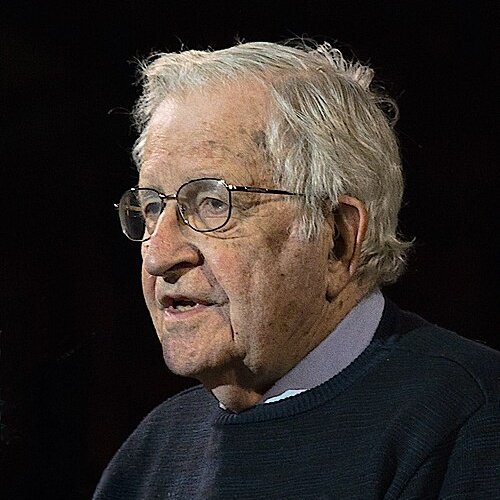
Noam Chomsky's Book Recommendations
Noam Chomsky, born December 7, 1928, is an influential American linguist, philosopher, cognitive scientist, historian, and social critic. He revolutionized the field of linguistics with his theory of generative grammar, particularly through his seminal work, "Syntactic Structures" (1957). Chomsky's contributions extend beyond linguistics to political activism, where he is known for his critiques of U.S. foreign policy and media, encapsulated in works like "Manufacturing Consent" (1988). As a professor emeritus at MIT, his interdisciplinary approach has significantly impacted cognitive science, philosophy of language, and political thought. Chomsky remains a prolific author and speaker, continuing to shape academic and public discourses.

Jimmy Dore's Book Recommendations
Jimmy Dore is a prominent American comedian, political commentator, and author known for his incisive critiques of mainstream media and politics. He gained widespread recognition through "The Jimmy Dore Show," a popular YouTube series and podcast that blends humor with sharp political analysis. Dore's written work includes the book "Your Country Is Just Not That Into You," where he employs his comedic prowess to dissect social and political issues facing America. His contributions to literature and media have made him a distinctive voice in progressive circles, often challenging conventional narratives. Beyond his writing, Dore's influence extends through his performances and public speaking engagements, where he continues to engage and provoke thought among his audience.
Showing 8 of 13 related collections
“"In the modern world, the struggle between freedom and tyranny takes on many forms; understanding the roots of these conflicts is essential to forging a path toward peace."”
The Crisis of Islam
By Bernard Lewis
Frequently Asked Questions
Explore Our Catalogue
Discover a world of knowledge through our extensive collection of book summaries.
Genres
Genres
Genres
Featured Collections
- Top Book Club Picks
- One-Stop Nutrition
- Summer Reads 2024
- Best Beach Reads 2024
- Work-Life Balance Guide
- Time Management
- Healthy Foods
- Entrepreneur Toolkit
- Mind & Body Wellness
- Future Tech Insights
- Leadership Essentials
- Financial Freedom
- Sci-Fi Masterpieces
- Parenting 101
- Books That Became Blockbusters
- Guide to a Healthy Pregnancy