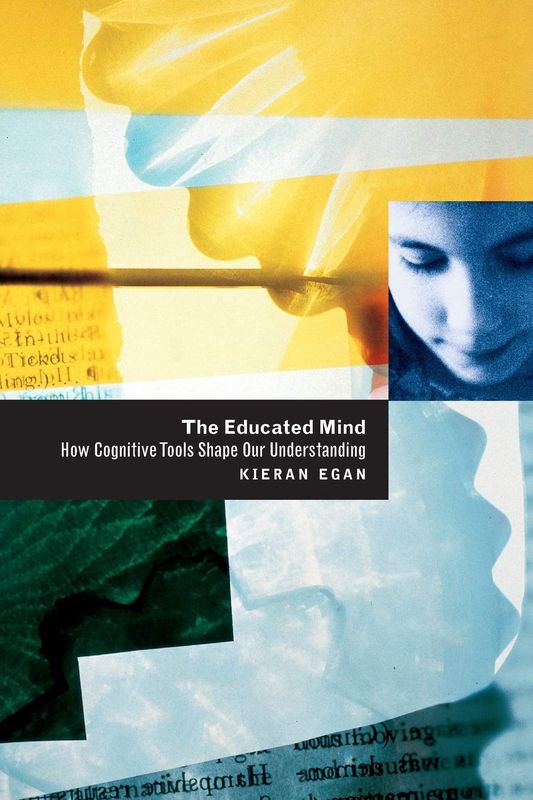

In 'The Educated Mind,' Kieran Egan explores the intricate relationship between education and the development of human thought. He challenges conventional views on learning by introducing a framework that highlights the importance of imagination and narrative in understanding the world. Through vivid examples and compelling arguments, Egan illustrates how traditional education often stifles creativity and critical thinking. Readers are invited to reevaluate their own educational experiences and consider new ways to foster a richer understanding of knowledge. This thought-provoking journey promises to ignite curiosity and inspire a transformative approach to learning.
By Kieran Egan
Published: 1998
"Education, at its best, cultivates a profound sense of wonder, shaping not just what we know, but how we think and feel about the world."
The Educated Mind offers a bold and revitalizing new vision for today's uncertain educational system. Kieran Egan reconceives education, taking into account how we learn. He proposes the use of particular "intellectual tools"—such as language or literacy—that shape how we make sense of the world. These mediating tools generate successive kinds of understanding: somatic, mythic, romantic, philosophical, and ironic. Egan's account concludes with practical proposals for how teaching and curriculum can be changed to reflect the way children learn. "A carefully argued and readable book. . . . Egan proposes a radical change of approach for the whole process of education. . . . There is much in this book to interest and excite those who discuss, research or deliver education."—Ann Fullick, New Scientist "A compelling vision for today's uncertain educational system."—Library Journal "Almost anyone involved at any level or in any part of the education system will find this a fascinating book to read."—Dr. Richard Fox, British Journal of Educational Psychology "A fascinating and provocative study of cultural and linguistic history, and of how various kinds of understanding that can be distinguished in that history are recapitulated in the developing minds of children."—Jonty Driver, New York Times Book Review
Showing 8 of 29 similar books
Scott Young is an entrepreneur, author, and learning expert, best known for his work in accelerated learning and self-education. Young gained recognition for completing MIT’s computer science curriculum in one year through self-study, an experiment he documented in his book Ultralearning. He advocates for a systematic, focused approach to learning new skills, and his work has inspired people to take on ambitious projects in fields like coding, languages, and creative arts. Young writes extensively on productivity, cognitive science, and learning techniques, sharing strategies for mastering complex subjects quickly. His approach to education has made him a prominent figure in the world of self-improvement and personal development.
Alexandria Ocasio-Cortez, also known as AOC, is a U.S. Congresswoman representing New York's 14th district. She gained national attention after winning her seat in 2018 at the age of 29, making her one of the youngest women ever elected to Congress. Ocasio-Cortez is known for her progressive policies, advocating for issues such as Medicare for All, climate change action, and economic justice. She has become a prominent figure within the Democratic Party and uses social media to engage with constituents and the public. Her rise from grassroots activism to Congress has inspired many young people to get involved in politics.
Alain de Botton is a Swiss-British philosopher, author, and founder of The School of Life, an organization dedicated to teaching emotional intelligence and life skills. De Botton’s books, such as The Consolations of Philosophy and How Proust Can Change Your Life, blend philosophy with everyday life, offering practical wisdom on love, work, and happiness. His work has popularized philosophy, making it accessible to a wider audience. De Botton is also a public speaker and essayist, frequently exploring topics related to human fulfillment and personal growth. His unique approach to philosophy has made him a respected voice in contemporary culture.
Jon Hamm is an American actor best known for his role as Don Draper in the critically acclaimed television series "Mad Men," which aired from 2007 to 2015. While Hamm's achievements are primarily in acting, his portrayal of the complex, enigmatic ad executive has been lauded for its depth and nuance, significantly impacting television storytelling. His performance earned him numerous awards, including a Golden Globe and an Emmy. Beyond "Mad Men," Hamm has appeared in various films and TV shows, showcasing his versatility across genres. Though not primarily a literary figure, his work has influenced contemporary narratives and character development in modern media.
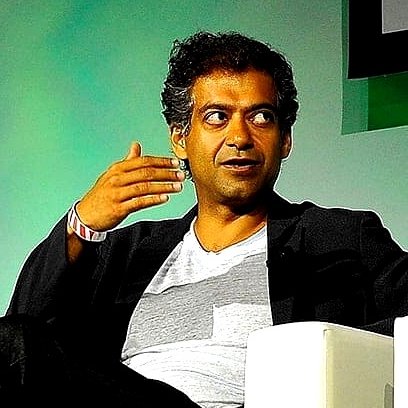
Naval Ravikant is an entrepreneur, angel investor, and philosopher, best known as the co-founder of AngelList, a platform that connects startups with investors. Ravikant is a prolific thinker and writer on topics such as startups, investing, and personal well-being, sharing his wisdom through essays, podcasts, and social media. He has invested in over 100 companies, including Uber, Twitter, and Yammer, making him one of Silicon Valley’s most successful angel investors. Ravikant is also known for his philosophical musings on wealth, happiness, and the meaning of life, which have garnered him a large and dedicated following.
Abi Tyas Tunggal is a distinguished author known for his impactful contributions to contemporary literature and digital content. He has garnered acclaim for his insightful storytelling and adept handling of complex themes, resonating with a diverse readership. Tunggal's work often explores the intersections of technology, society, and human experience, making him a prominent voice in modern narrative arts. Beyond his literary achievements, he is also recognized for his innovative use of digital platforms to engage with and expand his audience. Tunggal continues to influence the literary landscape with his thought-provoking and accessible writing.
Ryan Holiday is a bestselling author and media strategist known for his books on stoicism, including The Obstacle Is the Way and Ego Is the Enemy. He is a leading voice in modern stoic philosophy, teaching readers how to apply ancient wisdom to achieve personal and professional success. Holiday’s work emphasizes resilience, discipline, and humility as keys to navigating life’s challenges. He has consulted with major companies and individuals on marketing and strategy, blending stoic principles with contemporary business practices. His books have been translated into over 30 languages.
Charlie Munger is an American investor, businessman, and philanthropist, best known as the vice chairman of Berkshire Hathaway, where he partners with Warren Buffett. Renowned for his insights on investment strategies and mental models, Munger has significantly influenced the world of finance. His notable literary contributions include "Poor Charlie's Almanack," a compilation of his speeches and writings that distill his wisdom on decision-making and business principles. Munger's work emphasizes the importance of multidisciplinary thinking and continuous learning. Beyond his financial acumen, he is celebrated for his charitable efforts, particularly in education and healthcare.
Showing 8 of 24 related collections
“Education, at its best, cultivates a profound sense of wonder, shaping not just what we know, but how we think and feel about the world.”
The Educated Mind
By Kieran Egan
Discover a world of knowledge through our extensive collection of book summaries.
Kieran Egan is a celebrated Canadian educational theorist and author known for his influential work in the fields of education and literary theory. He is the founder of the Imaginative Education Research Group and has authored several notable works, including 'The Educated Mind: How Cognitive Tools Shape Our Understanding' and 'Getting It Wrong from the Beginning: Our Progressivist Inheritance from Herbert Spencer, John Dewey, and Jean Piaget.' Egan's writing style is characterized by its depth of insight and accessibility, melding rigorous intellectual discourse with imaginative and engaging storytelling. His contributions to the understanding of how narrative and imagination play vital roles in education have sparked discussions and innovations in teaching methodologies worldwide.
Key information about the book.
 Buy on Amazon
 Buy via BookShop
Support local bookstores: BookShop gives a portion of each sale to independent bookshops!
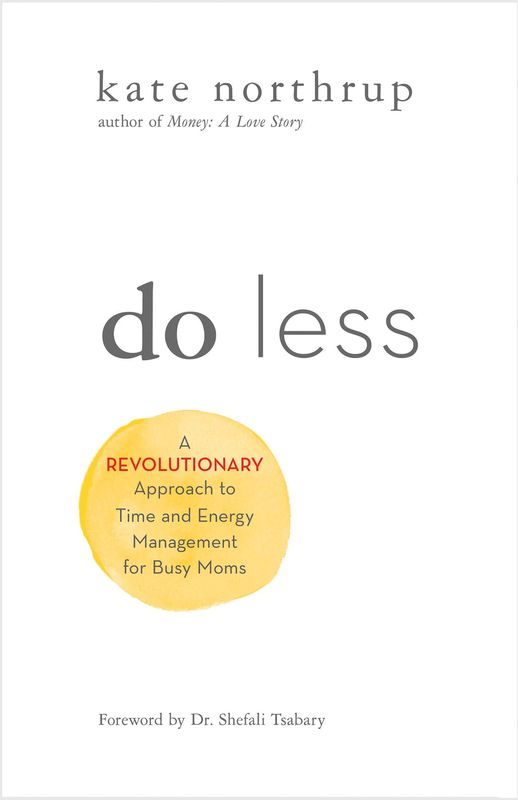
In 'Do Less', Kate Northrup challenges the relentless hustle culture, advocating instead for a life of intention and balance. She introduces the concept of the "time and energy management" approach, aligning personal rhythms with the natural cycles of life. Through practical strategies and relatable anecdotes, Northrup empowers readers to prioritize what truly matters, allowing them to achieve more by doing less. This transformative journey invites individuals to reclaim their time, leading to more fulfillment and success. Are you ready to redefine productivity and embrace a life of ease?
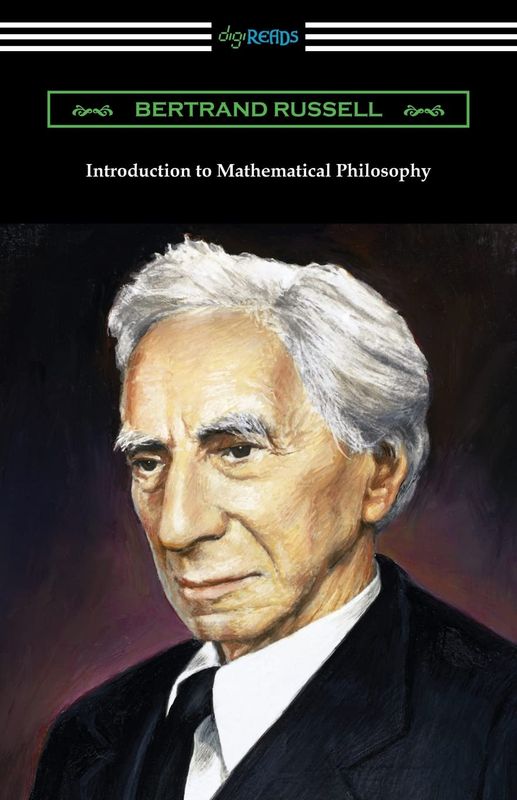
In 'Introduction to Mathematical Philosophy,' Bertrand Russell takes readers on a fascinating journey through the foundations of mathematics and its philosophical implications. He explores concepts such as numbers, infinity, and the nature of mathematical truth, challenging conventional thinking. With his unique blend of clarity and insight, Russell demystifies complex ideas, revealing the profound connections between logic and mathematics. This thought-provoking work not only invites readers to rethink their understanding of numbers but also questions the very essence of reality itself. A must-read for anyone intrigued by the interplay of philosophy and mathematics, this book promises to expand your horizons.
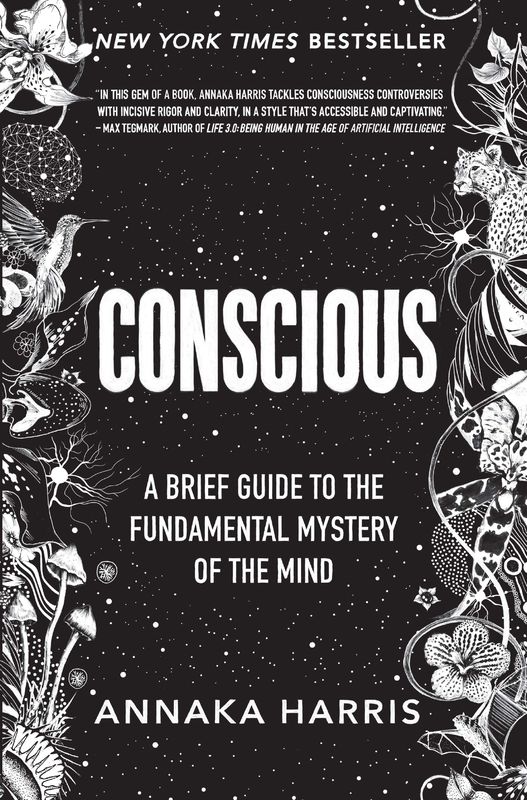
In 'Conscious,' Annaka Harris explores the enigmatic nature of consciousness, diving into profound questions about awareness and existence. Through a blend of science and philosophy, she challenges the conventional understanding, prompting readers to re-evaluate their perceptions of reality. Harris skillfully navigates the intricate relationship between the brain and subjective experience, shedding light on the mysteries that lie within. With thought-provoking insights and accessible prose, this book invites both the curious and the skeptical to ponder the depths of consciousness. Will you uncover the secrets of your own mind?
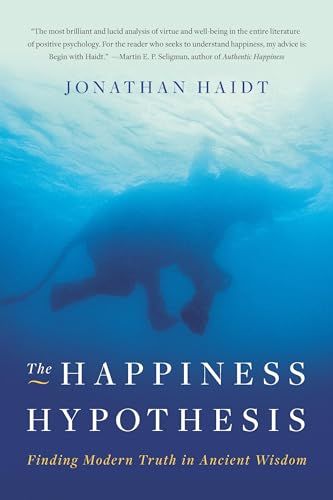
In 'The Happiness Hypothesis', Jonathan Haidt delves into the ancient wisdom of happiness, exploring how age-old philosophies intersect with modern psychology. He presents a compelling argument that our well-being can be influenced by both our external circumstances and internal beliefs. By examining ten great ideas from various cultures, Haidt reveals surprising insights about love, morality, and the meaning of life. This engaging blend of science and philosophy challenges readers to rethink what truly brings happiness. Are we mere puppets of our circumstances, or can we take charge of our own joy?
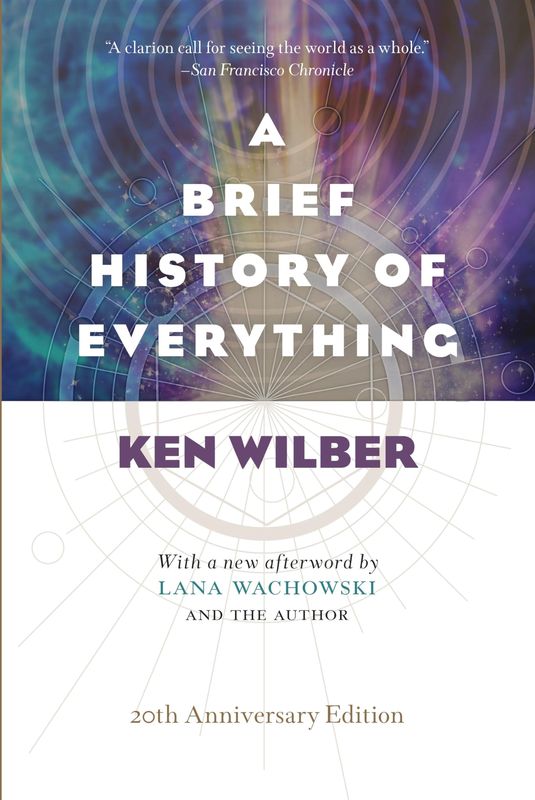
In 'A Brief History of Everything', Ken Wilber takes readers on an enlightening journey through the evolution of consciousness and the unfolding of human history. He skillfully weaves together insights from philosophy, science, and spirituality, offering a holistic perspective on our existence. Discover how various cultural paradigms intersect and influence our understanding of reality. This thought-provoking exploration challenges conventional views and invites readers to contemplate their place in the cosmos. What if the key to our future lies in understanding the past in a radically new way?
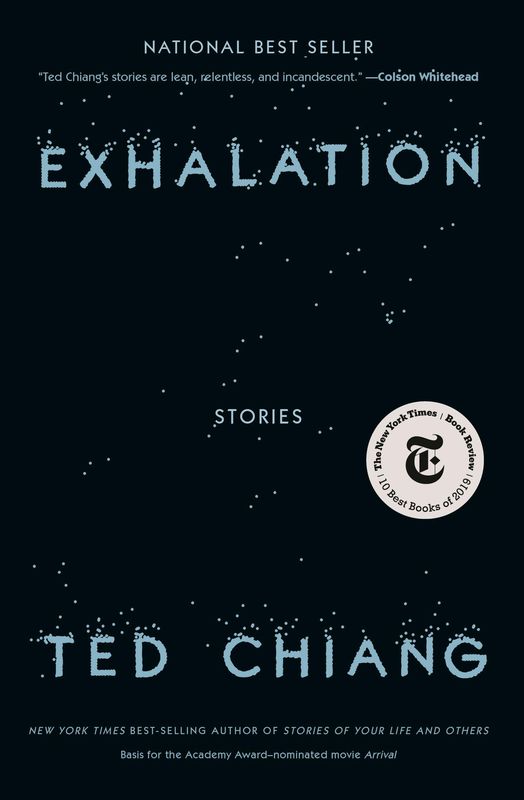
In 'Exhalation,' Ted Chiang invites readers into a universe where the boundaries of science fiction and philosophy beautifully intertwine. Through a series of thought-provoking stories, he explores the nature of consciousness, free will, and the essence of existence itself. Each narrative unfolds like a delicate puzzle, challenging our perceptions of time and reality. As the characters confront their own limitations and the inevitability of change, readers are prompted to reflect on life’s most profound questions. This collection leaves an indelible mark, urging us to ponder what it truly means to be alive.
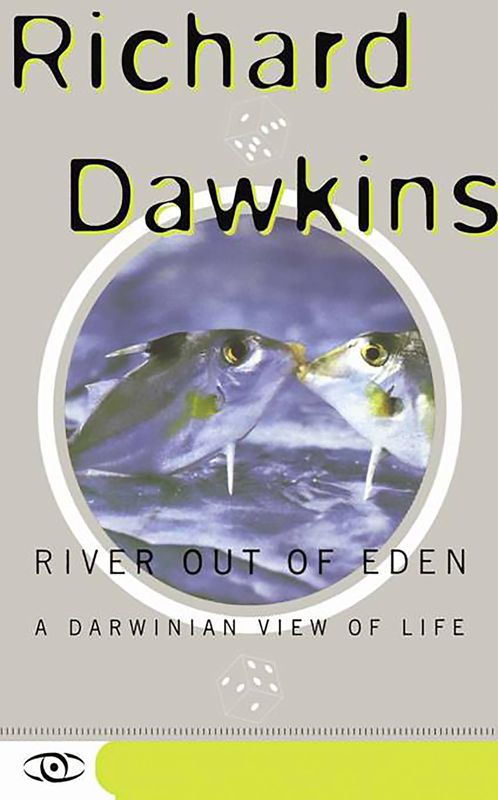
In 'River Out of Eden,' Richard Dawkins explores the intricate web of evolution, revealing how life is a continuous journey shaped by natural selection. He vividly illustrates the idea of a 'river' representing the flow of genetic information and the interconnectedness of all living beings. With his signature eloquence, Dawkins challenges readers to reconsider their understanding of life and humanity’s place in the natural world. As he connects science, philosophy, and a touch of poetic imagery, the book provokes deep reflection on the essence of existence. Will you dive into the currents of evolution and discover what lies beneath?







Download our mobile app to enjoy your favorite books on the go. Get access to exclusive features, offline listening, and personalized recommendations.