The Fountainhead Book Summary
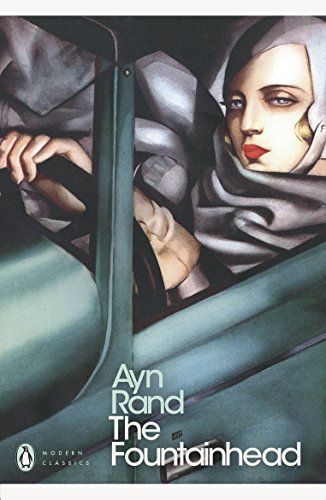
'The Fountainhead' follows the journey of Howard Roark, an innovative and fiercely individualistic architect, who refuses to conform to traditional architectural styles. As Roark battles societal norms and the expectations of a world that values conformity over creativity, he encounters friendships, rivalries, and romantic entanglements that challenge his ideals. The novel explores themes of individualism versus collectivism, the corrupting influence of society, and the pursuit of personal integrity. Ayn Rand's compelling narrative immerses readers in a philosophical debate about the nature of success and the cost of true artistry. Will Roark's unwavering commitment to his vision lead to triumph, or will it ultimately bring him to his knees?
By Ayn Rand
Published: 2007
""The question isn't whether we will be able to achieve our dreams, but whether we will have the courage to pursue them relentlessly, in the face of all obstacles.""

Start Listening to Book Summary
Book Review of The Fountainhead
Ayn Rand's story of Howard Roark, a brilliant architect who dares to stand alone against the hostility of second-hand souls. First published in 1943, this best-selling novel is a passionate defense of individualism and presents an exalted view of man's creative potential; it is a book about ambition, power, gold and love.
Book Overview of The Fountainhead
About the Book Author
Ayn Rand
Ayn Rand (1905-1982) was a Russian-American novelist, philosopher, and playwright, best known for her influential works promoting individualism and capitalism through her philosophy of Objectivism. Rand's most notable novels include 'The Fountainhead' (1943), which follows the life of an innovative architect, and 'Atlas Shrugged' (1957), a dystopian narrative that examines the role of individualism in society and the consequences of government overreach. Her writing style is characterized by its strong narrative structure, detailed character development, and philosophical dialogue, often embedded in grand themes of human achievement and moral absolutism. Rand's ideas have sparked extensive debate and have left a lasting impact on the fields of literature, philosophy, and politics.
Book Details
Key information about the book.
- Authors
- Ayn Rand
- Published
- January 2007
- Publisher
- Penguin Classics
- ISBN
- 0141188626
- Language
- English
- Pages
- N/A
- Genres
- PhilosophyExistentialismLiteratureEthics and Morality
Purchase Options
 Buy on Amazon
 Buy via BookShop
Support local bookstores: BookShop gives a portion of each sale to independent bookshops!
Similar books you might like →
A Brief History of Time Book Summary
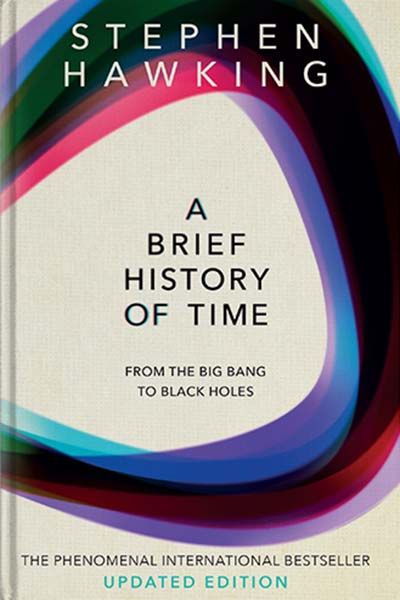
In "A Brief History of Time," Stephen Hawking takes readers on a captivating journey through the cosmos, exploring the nature of time, black holes, and the universe's beginnings. With stunning clarity, he unravels complex scientific concepts, inviting everyone—from curious laypersons to seasoned physicists—to ponder the mysteries of existence. Hawking's charismatic storytelling challenges our perceptions of reality and time itself, posing profound questions about the universe's fate. As he merges science with philosophy, the reader is compelled to reflect on their place in a vast, enigmatic cosmos. Prepare to be inspired and awed by a narrative that transcends mere facts, pushing the boundaries of human understanding.
Introduction to Mathematical Philosophy Book Summary
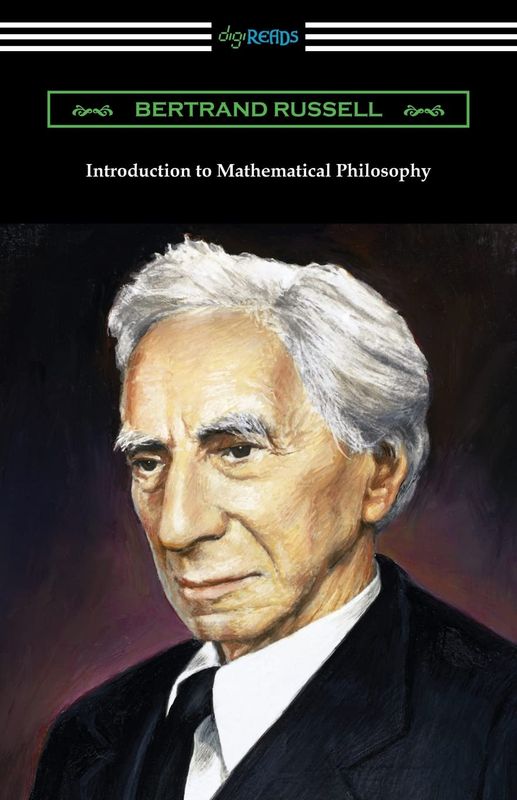
In 'Introduction to Mathematical Philosophy,' Bertrand Russell takes readers on a fascinating journey through the foundations of mathematics and its philosophical implications. He explores concepts such as numbers, infinity, and the nature of mathematical truth, challenging conventional thinking. With his unique blend of clarity and insight, Russell demystifies complex ideas, revealing the profound connections between logic and mathematics. This thought-provoking work not only invites readers to rethink their understanding of numbers but also questions the very essence of reality itself. A must-read for anyone intrigued by the interplay of philosophy and mathematics, this book promises to expand your horizons.
12 Rules for Life Book Summary
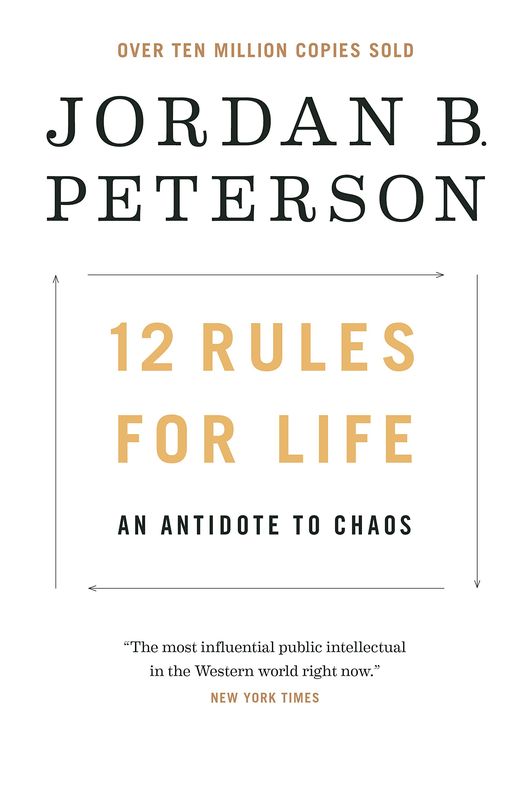
In '12 Rules for Life', psychologist Jordan B. Peterson distills life lessons from psychology, philosophy, and mythology into twelve profound principles for personal growth. Each rule invites readers to confront the chaos of existence and embrace responsibility, guiding them toward meaning and order. Peterson's compelling narratives and incisive insights challenge conventional wisdom, urging self-reflection and accountability. As readers navigate through the complexities of life, they discover how to build a stable foundation for themselves and their communities. This thought-provoking book promises to provoke deep contemplation and inspire transformative change.
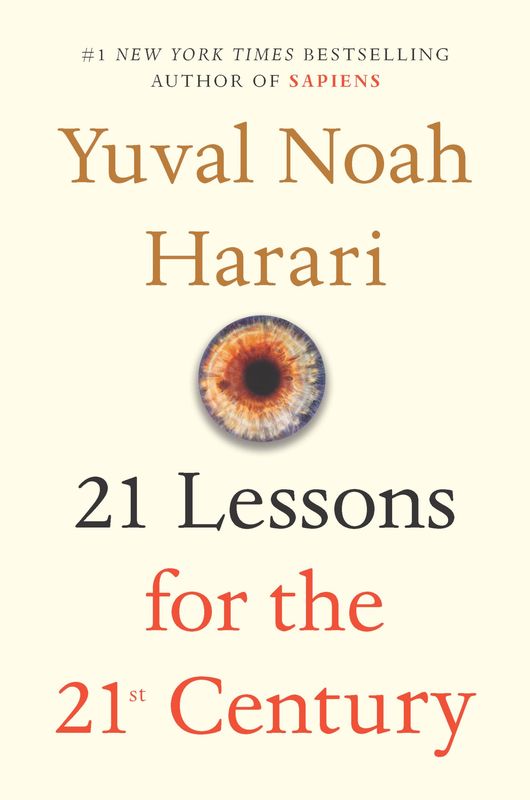
21 Lessons for the 21st Century Book Summary
In '21 Lessons for the 21st Century', Yuval Noah Harari navigates the complex landscape of today's world, tackling urgent questions about our future. From the impact of technology on society to the challenges of political stability, each lesson provokes thought and introspection. Harari explores key themes such as the rise of artificial intelligence, the significance of data, and the importance of meaning in an increasingly uncertain world. With a blend of history, philosophy, and science, the book invites readers to reflect on their roles in shaping a shared future. Will we adapt, or become obsolete? Dive in to uncover the lessons that could redefine humanity's path.

The Philosophy of Composition Book Summary
In 'The Philosophy of Composition,' Edgar Allan Poe unveils his meticulous approach to writing, arguing that artistic creation is a calculated endeavor rather than purely intuitive. He dissects his own poem 'The Raven,' revealing the deep psychological and structural elements that contribute to its haunting allure. Poe explores the interplay of beauty, emotion, and effect, offering a profound glimpse into the mind of a master writer. With each analytical step, he ignites curiosity about the art of storytelling and the techniques that captivate readers. This exploration leaves one pondering: What secrets lie behind the craft of their favorite writers?
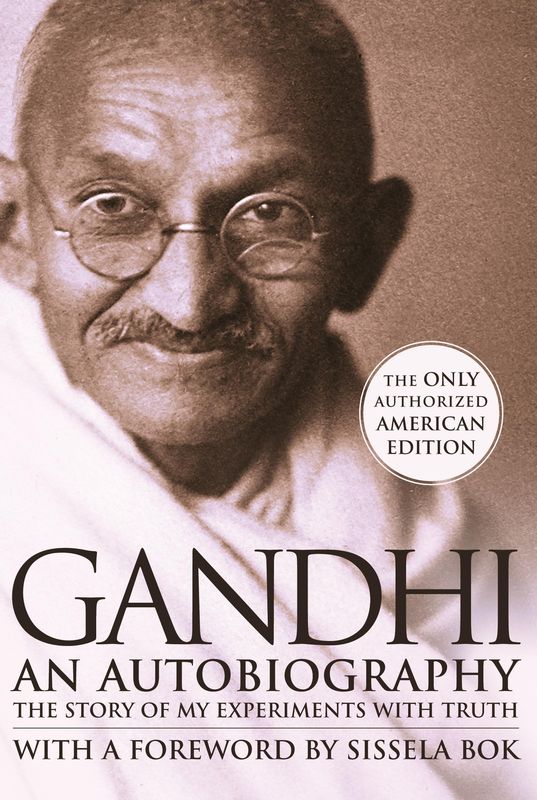
An Autobiography Book Summary
In 'An Autobiography', Mohandas K. Gandhi shares the remarkable journey of his life, revealing the evolution of his philosophy of non-violence and truth. From his early years in India to his transformative experiences in South Africa, Gandhi exposes the struggles that shaped his commitment to social justice. His candid reflections on faith, morality, and personal growth challenge conventional beliefs and inspire readers to question their own values. This gripping narrative not only details his political activism but also provides an intimate look at his family life and spiritual pursuits. Discover the profound insights that guided one of history's most influential leaders in his quest for freedom and equality.
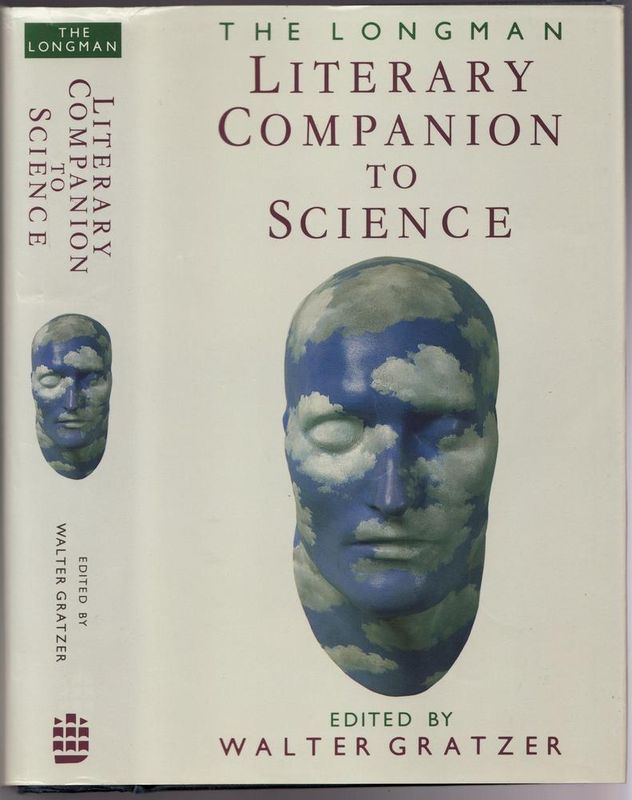
A Literary Companion to Science Book Summary
A Literary Companion to Science by Angus Fletcher delves into the intersection of science and literature, exploring how scientific concepts have influenced writers throughout history. This insightful book reveals the hidden connections between scientific breakthroughs and the literary imagination, offering readers a unique perspective on how science shapes the way we think, write, and understand the world. Fletcher draws from a wide array of texts and historical figures, showing how literature has responded to and reflected on scientific advancements across centuries.
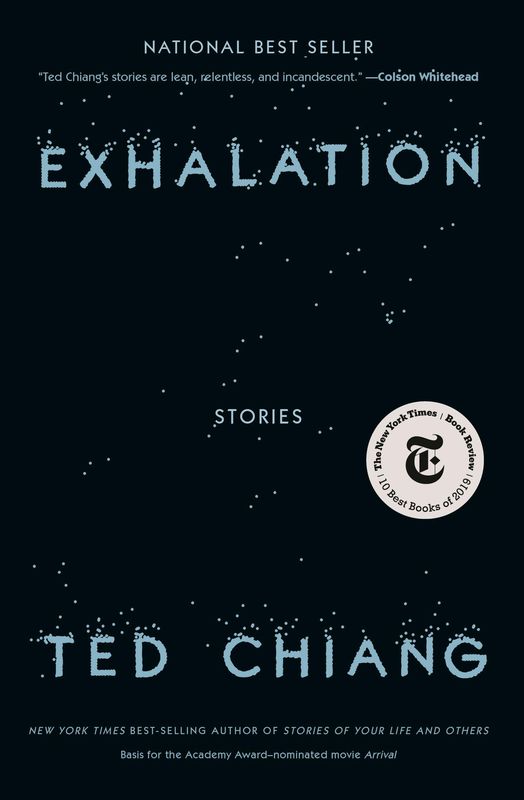
Exhalation Book Summary
In 'Exhalation,' Ted Chiang invites readers into a universe where the boundaries of science fiction and philosophy beautifully intertwine. Through a series of thought-provoking stories, he explores the nature of consciousness, free will, and the essence of existence itself. Each narrative unfolds like a delicate puzzle, challenging our perceptions of time and reality. As the characters confront their own limitations and the inevitability of change, readers are prompted to reflect on life’s most profound questions. This collection leaves an indelible mark, urging us to ponder what it truly means to be alive.
Showing 8 of 26 similar books
Take your reading experience to the next level
Download our mobile app to enjoy your favorite books on the go. Get access to exclusive features, offline listening, and personalized recommendations.

Similar Book Recommendations →

Lex Fridman's Book Recommendations
Lex Fridman is an artificial intelligence researcher, podcaster, and MIT professor, known for his work in autonomous vehicles, robotics, and deep learning. Fridman has gained widespread popularity through his podcast, Lex Fridman Podcast, where he interviews leading thinkers in science, technology, and philosophy, exploring topics like AI, consciousness, and the future of humanity. His academic work focuses on human-centered AI, aiming to create machines that can better understand and interact with humans. Fridman’s ability to distill complex topics into accessible conversations has earned him a large following, and his podcast is known for its thoughtful, in-depth discussions with some of the brightest minds of our time. He is also an advocate for the responsible development of AI, emphasizing the ethical implications of this rapidly advancing technology. Outside of academia and podcasting, Fridman is a practitioner of jiu-jitsu and frequently speaks about the importance of discipline and continuous learning.
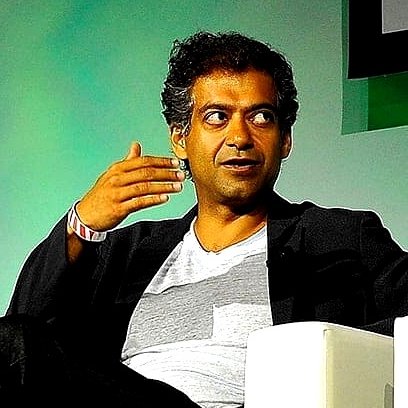
Naval Ravikant's Book Recommendations
Naval Ravikant is an entrepreneur, angel investor, and philosopher, best known as the co-founder of AngelList, a platform that connects startups with investors. Ravikant is a prolific thinker and writer on topics such as startups, investing, and personal well-being, sharing his wisdom through essays, podcasts, and social media. He has invested in over 100 companies, including Uber, Twitter, and Yammer, making him one of Silicon Valley’s most successful angel investors. Ravikant is also known for his philosophical musings on wealth, happiness, and the meaning of life, which have garnered him a large and dedicated following.

Barack Obama's Book Recommendations
Barack Obama is the 44th President of the United States, serving from 2009 to 2017. As the first African American president, Obama’s leadership marked a historic moment in American history. His administration focused on healthcare reform, economic recovery from the Great Recession, and environmental policies. He is best known for the Affordable Care Act, as well as his efforts to expand civil rights and restore diplomatic relations with Cuba. Since leaving office, Obama has continued to engage in public life through his foundation, focusing on leadership development, civic engagement, and global issues.

Niki Scevak's Book Recommendations
Niki Scevak is a distinguished entrepreneur and venture capitalist, widely recognized for his contributions to the startup ecosystem rather than traditional literature. As a co-founder and partner at Blackbird Ventures, he has played a pivotal role in funding and mentoring successful Australian tech startups. Scevak also co-founded Startmate, an influential accelerator program that has shaped numerous early-stage companies. His work has significantly impacted the Australian tech landscape, fostering innovation and entrepreneurial growth. Though not an author of traditional books, his insights and thought leadership are frequently shared through industry publications and speaking engagements.

Diana Kimball's Book Recommendations
Diana Kimball is an entrepreneur, author, and founder of the mentorship platform Mentor List, which connects people looking for guidance with industry leaders. Kimball is a champion for personal and professional development, emphasizing the power of mentorship to foster growth and build meaningful connections. She has worked in product management and marketing roles at companies like Twitter and Microsoft, bringing her unique insights into tech and community building. Kimball also speaks and writes on topics related to leadership, career development, and the importance of empathy in the workplace. Her work has helped people build stronger networks and pursue their goals with purpose.
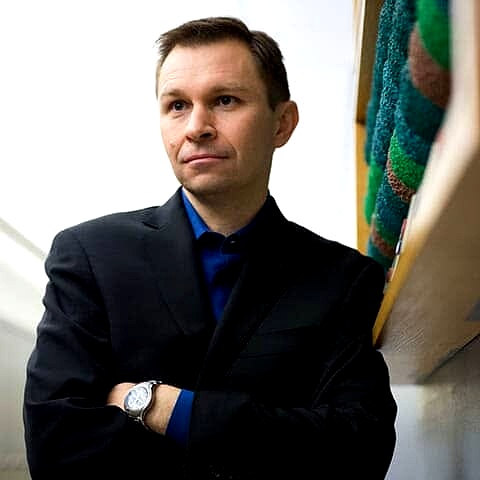
David Sinclair's Book Recommendations
David Sinclair is an Australian biologist and professor at Harvard Medical School, known for his pioneering research in the field of aging and longevity. Sinclair's work focuses on understanding the biological mechanisms that drive aging and developing interventions to slow or reverse the process. His bestselling book Lifespan: Why We Age – and Why We Don’t Have To explores the latest advancements in anti-aging science and offers insights into how humans might extend their healthspan. Sinclair's research has led to breakthroughs in areas such as sirtuins, NAD+ metabolism, and cellular reprogramming. He is also the co-founder of several biotech companies, including Sirtris Pharmaceuticals and Life Biosciences, dedicated to translating aging research into practical treatments. Sinclair is a vocal advocate for taking a proactive approach to aging, promoting lifestyle changes and emerging therapies to delay age-related diseases. His work has made him a leading figure in the longevity movement, influencing both scientific and public discourse on the future of health.

Elon Musk's Book Recommendations
Elon Musk is an influential entrepreneur and innovator known for founding and leading several groundbreaking companies, including Tesla, SpaceX, Neuralink, and The Boring Company. He has played a pivotal role in advancing electric vehicles, space exploration, and renewable energy. Musk's vision extends to colonizing Mars and reducing the risk of human extinction through space travel. In addition to his technological contributions, he has co-authored the book "Spacex: Making Commercial Spaceflight a Reality," providing insights into his ambitious projects and vision for the future. Musk's relentless pursuit of innovation continues to shape the trajectory of multiple industries.
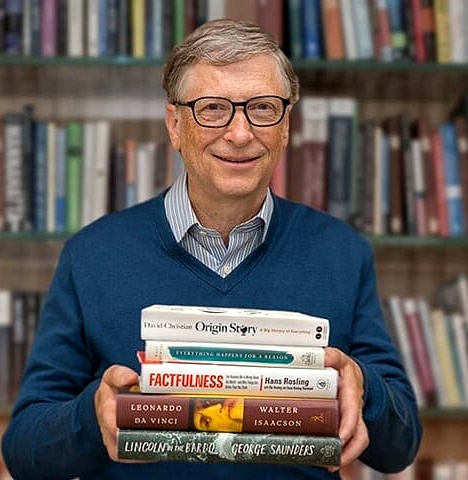
Bill Gates's Book Recommendations
Bill Gates, co-founder of Microsoft Corporation, is a pioneering figure in the tech industry, having played a key role in the personal computer revolution. His work at Microsoft, particularly the development of Windows, transformed software and computing globally. Beyond his technology contributions, Gates is also a prolific author, with notable works such as "The Road Ahead" and "Business @ the Speed of Thought," which offer insights into the future of technology and business. Additionally, his philanthropic efforts through the Bill & Melinda Gates Foundation have had a profound impact on global health, education, and poverty. Gates continues to influence both technology and literature with his forward-thinking perspectives and innovative ideas.
Showing 8 of 17 related collections
“"The question isn't whether we will be able to achieve our dreams, but whether we will have the courage to pursue them relentlessly, in the face of all obstacles."”
The Fountainhead
By Ayn Rand
Frequently Asked Questions
Explore Our Catalogue
Discover a world of knowledge through our extensive collection of book summaries.
Genres
Genres
Genres
Featured Collections
- Top Book Club Picks
- One-Stop Nutrition
- Summer Reads 2024
- Best Beach Reads 2024
- Work-Life Balance Guide
- Time Management
- Healthy Foods
- Entrepreneur Toolkit
- Mind & Body Wellness
- Future Tech Insights
- Leadership Essentials
- Financial Freedom
- Sci-Fi Masterpieces
- Parenting 101
- Books That Became Blockbusters
- Guide to a Healthy Pregnancy