The Glass Bead Game Book Summary
In 'The Glass Bead Game,' Hermann Hesse crafts a fascinating exploration of intellect and spirituality set in a utopian future where art and science converge in a complex game. The protagonist, Josef Knecht, navigates the tensions between his personal desires and societal expectations within the exclusive Castalia, a community dedicated to intellectual pursuit. As he ascends in the ranks, Josef grapples with profound questions about the nature of knowledge and the importance of human connection. His ultimate choice leads him to challenge the very foundations of a life spent in seclusion and contemplation. This thought-provoking tale invites readers to reflect on the meaning of fulfillment and the balance between mind and soul.
By Hermann Hesse
Published: 2002
"The highest wisdom and knowledge can only be attained through a lifelong journey of contemplation and play, where the mind and spirit dance in perfect harmony."


Start Listening to Book Summary
Book Review of The Glass Bead Game
Setting his story in the distant, post-Holocaust future, Hesse tells of an elite cult of intellectuals occupying themselves with an elaborate game that employs all the cultural and scientific knowledge of the ages. The most imaginative and prophetic of Hesse's works.
Book Overview of The Glass Bead Game
About the Book Author
Hermann Hesse
Hermann Hesse was a renowned German-Swiss author and painter, born on July 2, 1877, in Calw, Germany. His literary works often explore themes of self-discovery, spirituality, and the dichotomy between the individual and society, with notable novels such as "Steppenwolf," "Siddhartha," and "The Glass Bead Game." Hesse's style is characterized by a deep psychological insight and philosophical depth, reflecting his lifelong interest in Eastern philosophies and psychology. In 1946, he was awarded the Nobel Prize in Literature for his impactful contributions to modern literature. Hesse passed away on August 9, 1962, but his works continue to inspire readers worldwide.
Book Details
Key information about the book.
- Authors
- Hermann Hesse
- Published
- December 2002
- Publisher
- Macmillan
- ISBN
- 0312278497
- Language
- English
- Pages
- 580
- Genres
- Philosophy of MindPhilosophyComparative ReligionLiterature
Purchase Options
 Buy on Amazon
 Buy via BookShop
Support local bookstores: BookShop gives a portion of each sale to independent bookshops!
Similar books you might like →
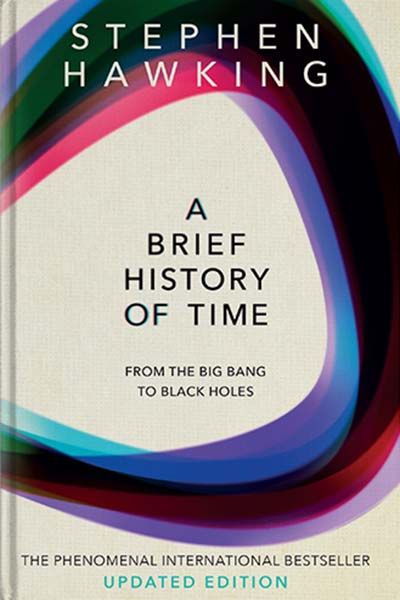
A Brief History of Time Book Summary
In "A Brief History of Time," Stephen Hawking takes readers on a captivating journey through the cosmos, exploring the nature of time, black holes, and the universe's beginnings. With stunning clarity, he unravels complex scientific concepts, inviting everyone—from curious laypersons to seasoned physicists—to ponder the mysteries of existence. Hawking's charismatic storytelling challenges our perceptions of reality and time itself, posing profound questions about the universe's fate. As he merges science with philosophy, the reader is compelled to reflect on their place in a vast, enigmatic cosmos. Prepare to be inspired and awed by a narrative that transcends mere facts, pushing the boundaries of human understanding.
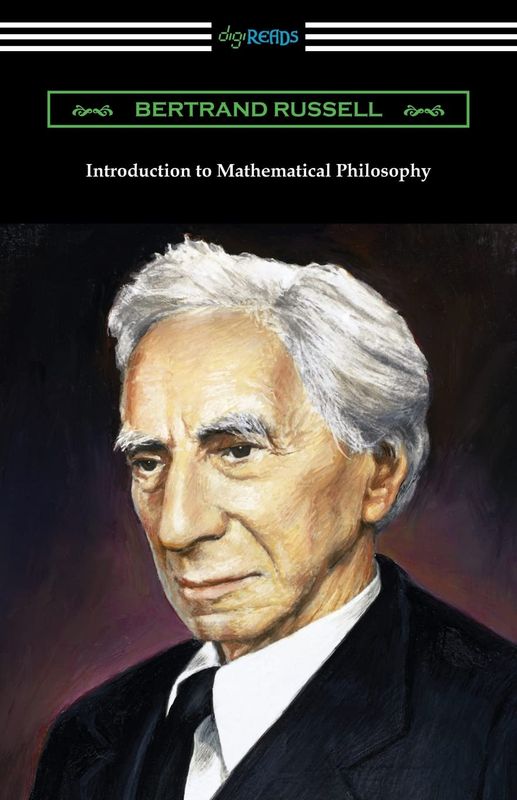
Introduction to Mathematical Philosophy Book Summary
In 'Introduction to Mathematical Philosophy,' Bertrand Russell takes readers on a fascinating journey through the foundations of mathematics and its philosophical implications. He explores concepts such as numbers, infinity, and the nature of mathematical truth, challenging conventional thinking. With his unique blend of clarity and insight, Russell demystifies complex ideas, revealing the profound connections between logic and mathematics. This thought-provoking work not only invites readers to rethink their understanding of numbers but also questions the very essence of reality itself. A must-read for anyone intrigued by the interplay of philosophy and mathematics, this book promises to expand your horizons.
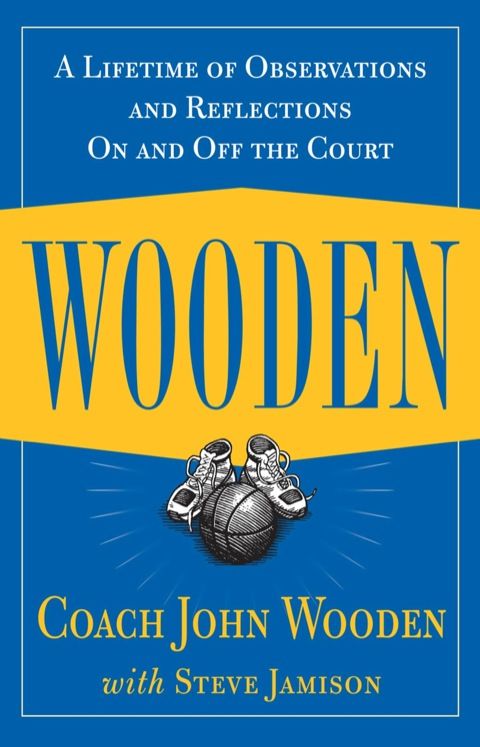
Wooden: A Lifetime of Observations and Reflections On and Off the Court Book Summary
In 'Wooden,' famed basketball coach John Wooden shares invaluable life lessons honed over decades of coaching and mentoring. With a focus on integrity, hard work, and self-discipline, he reveals the principles that guided not only his successful teams but also his personal life. Each reflection is a treasure trove of wisdom, encouraging readers to look beyond basketball to understand the essence of greatness in any endeavor. This book is a profound exploration of leadership and character that transcends the sports world. What can we learn from Wooden's legacy to apply in our own lives?
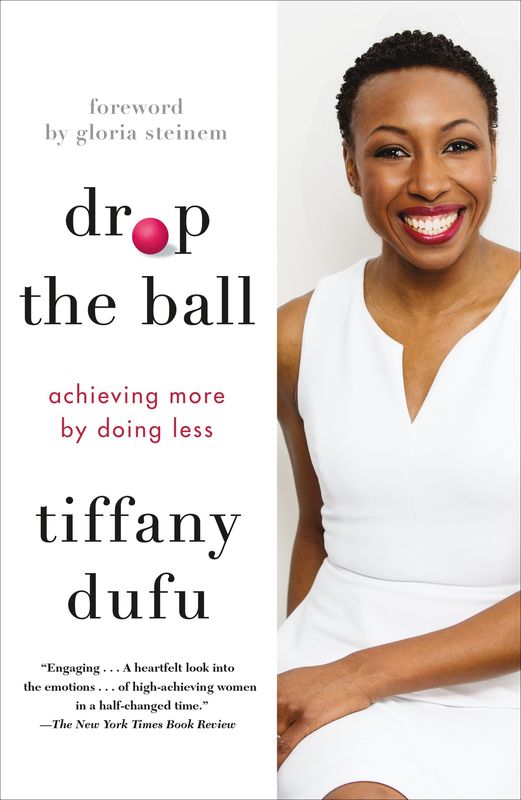
Drop the Ball Book Summary
In 'Drop the Ball,' Tiffany Dufu shares her transformative journey of embracing imperfection and redefining success. She challenges the societal expectations placed upon women to be perfect and highlights the power of delegation in both personal and professional realms. With humor and honesty, Dufu encourages readers to let go of unnecessary burdens and focus on what truly matters. This refreshing perspective not only empowers women to take control of their lives but also redefines the traditional narrative of 'having it all.' Dive into this inspiring read and discover how to thrive by dropping the unnecessary!
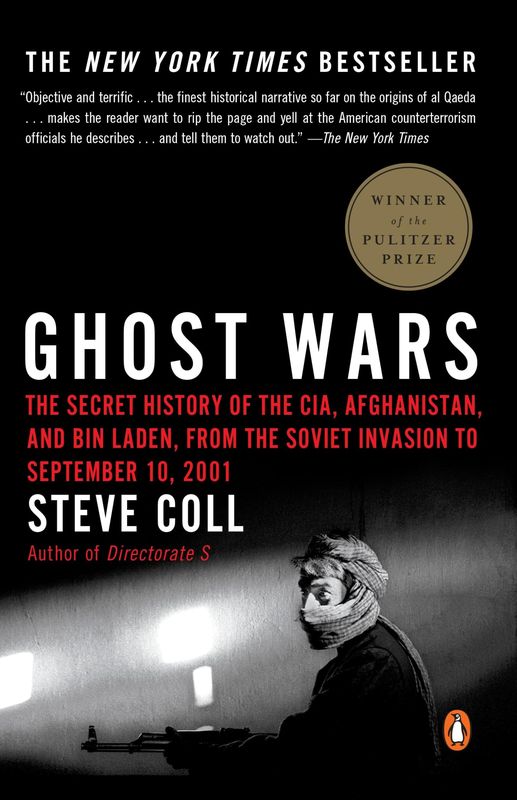
Ghost Wars Book Summary
'Ghost Wars' by Steve Coll unravels the intricate web of covert operations in Afghanistan leading up to the September 11 attacks. It delves deep into the shadowy world of espionage, highlighting the CIA's involvement and the rise of the Taliban. With vivid storytelling, Coll exposes the complex interplay between global politics and local conflicts. The book reveals how these hidden narratives shaped not only Afghanistan but the entire geopolitical landscape. Readers are left questioning the consequences of our choices on the world stage.
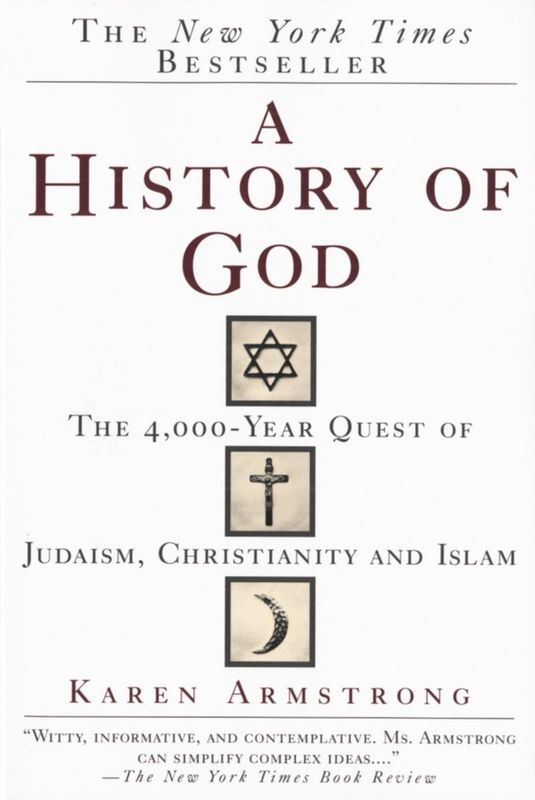
A History of God Book Summary
In 'A History of God', Karen Armstrong embarks on a fascinating journey through the evolution of the concept of God from ancient times to the modern era. She explores how various religions—Judaism, Christianity, and Islam—have shaped humanity's understanding of the divine, revealing the complexities and contradictions in these beliefs. Highlighting the influence of culture, politics, and philosophy, Armstrong invites readers to reconsider their perceptions of faith and spirituality. This thought-provoking narrative raises profound questions about the nature of belief and the future of religious thought. Are we on the brink of a new understanding of God, or are we simply repeating history?

Hardcore History Book Summary
In 'Hardcore History', Dan Carlin takes listeners on an epic auditory journey through the annals of human conflict, exploring the profound impact of war on civilization. His vivid storytelling and deep analysis breathe life into historical events, making even the most distant eras feel immediate and relevant. With a unique blend of passion and intellect, Carlin challenges conventional narratives, urging us to question what we think we know about our past. Each episode transforms history into a gripping tale of human drama, complete with the moral dilemmas faced by our ancestors. Prepare to rethink history as you uncover the haunting truths hidden in the echoes of time.
Showing 8 of 29 similar books
Take your reading experience to the next level
Download our mobile app to enjoy your favorite books on the go. Get access to exclusive features, offline listening, and personalized recommendations.

Similar Book Recommendations →

Jordan Hughes's Book Recommendations
Jordan Hughes is a celebrated author known for their compelling narratives and richly developed characters. Their debut novel, "Echoes of Tomorrow," won the prestigious Man Booker Prize, marking a significant milestone in contemporary fiction. Hughes's work often explores themes of identity, resilience, and the human condition, earning them critical acclaim and a dedicated readership. In addition to their novels, Hughes has contributed thought-provoking essays to major literary journals, further solidifying their influence in the literary world. Their innovative storytelling continues to inspire and captivate audiences worldwide.

Dave Elitch's Book Recommendations
Dave Elitch is a renowned drummer and educator, best known for his dynamic and innovative drumming techniques. Though primarily celebrated for his contributions to the music industry, Elitch has authored several influential articles and educational materials on drumming, solidifying his reputation as a thought leader in the field. His work has been featured in prestigious music publications, where he shares his insights on rhythm, technique, and the art of performance. Elitch's dedication to teaching has also led him to conduct masterclasses worldwide, inspiring a new generation of drummers. His contributions have significantly impacted both the practical and theoretical aspects of modern drumming.

Jon Hamm's Book Recommendations
Jon Hamm is an American actor best known for his role as Don Draper in the critically acclaimed television series "Mad Men," which aired from 2007 to 2015. While Hamm's achievements are primarily in acting, his portrayal of the complex, enigmatic ad executive has been lauded for its depth and nuance, significantly impacting television storytelling. His performance earned him numerous awards, including a Golden Globe and an Emmy. Beyond "Mad Men," Hamm has appeared in various films and TV shows, showcasing his versatility across genres. Though not primarily a literary figure, his work has influenced contemporary narratives and character development in modern media.

Steve Jobs's Book Recommendations
Steve Jobs was an American entrepreneur, inventor, and co-founder of Apple Inc., known for revolutionizing the personal computing, music, and smartphone industries. Jobs’ vision for technology was focused on simplicity, innovation, and user experience, leading to the development of iconic products like the Macintosh, iPod, iPhone, and iPad. He also co-founded Pixar Animation Studios, which became one of the most successful animation companies in the world. Jobs’ influence extended beyond technology, shaping the way people interact with media, communication, and design. His legacy as a visionary leader and innovator continues to impact industries around the globe.

Joe Rogan's Book Recommendations
Joe Rogan is a multifaceted American entertainer known primarily for his work as a comedian, podcast host, and commentator. He gained widespread recognition through his immensely popular podcast, "The Joe Rogan Experience," which has featured in-depth conversations with a diverse array of guests, including scientists, celebrities, and politicians. Though not primarily known for literature, Rogan has contributed to the field with his thought-provoking discussions that often explore philosophical and intellectual ideas. Additionally, he has authored the book "Mastering the Rubber Guard," which delves into Brazilian Jiu-Jitsu techniques, showcasing his expertise in martial arts. Rogan's influence extends beyond traditional media, impacting contemporary discourse through his unique blend of humor, curiosity, and critical thinking.

Jack Edwards's Book Recommendations
Jack Edwards is a British YouTuber, content creator, and author known for his videos on literature, academia, and productivity. Edwards gained popularity through his educational content, which includes book recommendations, study tips, and insights into university life. He is an advocate for reading and lifelong learning, often encouraging his audience to explore literature and improve their academic skills. Edwards has also written a book, The Uni-Verse, which offers advice to students navigating university life. His work has made him a well-known figure in the educational and literary communities, particularly among young readers and students.

Ray Dalio's Book Recommendations
Ray Dalio is the founder of Bridgewater Associates, one of the largest and most successful hedge funds in the world. He is also the author of the bestselling book Principles, where he outlines his philosophy on life, leadership, and investing. Ray is renowned for his unique approach to transparency, radical truth, and thoughtful disagreement within organizations. His insights into economics and investing have made him one of the most influential figures in the financial world. Dalio continues to be a thought leader in business, economics, and philanthropy.

Esther Perel's Book Recommendations
Esther Perel is a renowned Belgian psychotherapist and author, celebrated for her groundbreaking work in the field of relationships and sexuality. She is best known for her best-selling books "Mating in Captivity: Unlocking Erotic Intelligence" and "The State of Affairs: Rethinking Infidelity," which explore the complexities of modern love and desire. Perel's insightful TED Talks have garnered millions of views, further establishing her as a leading voice on intimacy and human connection. She also hosts the popular podcast "Where Should We Begin?" where she provides a candid look into the intricacies of couples therapy. Perel's innovative perspectives have significantly influenced contemporary discussions on relationships, making her a pivotal figure in both psychology and literature.
Showing 8 of 14 related collections
“The highest wisdom and knowledge can only be attained through a lifelong journey of contemplation and play, where the mind and spirit dance in perfect harmony.”
The Glass Bead Game
By Hermann Hesse
Frequently Asked Questions
Explore Our Catalogue
Discover a world of knowledge through our extensive collection of book summaries.
Genres
Genres
Genres
Featured Collections
- Top Book Club Picks
- One-Stop Nutrition
- Summer Reads 2024
- Best Beach Reads 2024
- Work-Life Balance Guide
- Time Management
- Healthy Foods
- Entrepreneur Toolkit
- Mind & Body Wellness
- Future Tech Insights
- Leadership Essentials
- Financial Freedom
- Sci-Fi Masterpieces
- Parenting 101
- Books That Became Blockbusters
- Guide to a Healthy Pregnancy