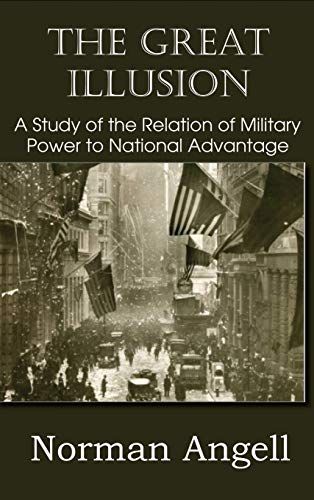
The Great Illusion a Study of the Relation of Military Power to National Advantage Book Summary
In 'The Great Illusion,' Norman Angell boldly challenges the traditional notions of military power and its relationship to national success. He argues that the interconnectedness of modern economies renders war not only futile but self-destructive. By dissecting the illusions that have fueled militarism, Angell compels readers to reconsider the true sources of national security. This provocative study questions the very basis of international relations in a rapidly changing world. Will Angell's insights prompt a reevaluation of how nations pursue power and peace?
By Norman Angell
Published: 2017
""The greatest illusion of all is the belief that war can bring about lasting peace and prosperity; true security lies not in strength of arms, but in the bonds of cooperation among nations.""

Start Listening to Book Summary
Book Review of The Great Illusion a Study of the Relation of Military Power to National Advantage
American interest in the problems discussed here is hardly less vital than that of Europe. Being more persuaded than when the first American edition of this book was issued in 1910, it is certain that opinion in America will not be equiped for dealing with the problems arising out of the relations with the Spanish American states; with Japan; and with the Philippians; unless it has some fair understanding of the principles with which this book deals. Its general interest even goes farther than this; no great community like that of modern America can remain indifferent to the drift of general opinion throughout the world on matters wrapped up with issues so important as those of war and peace. That the tangible commercial and business interest of America are involved in these European events is obvious from the very factors of financial and commercial interdependence which forms the basis of the argument. That the interest of Americans are inextricably, if indirectly, bound up with those of Europe has become increasingly clear as can be proven by the barest investigation of the trend of political thought in this country.
Book Overview of The Great Illusion a Study of the Relation of Military Power to National Advantage
About the Book Author
Norman Angell
Norman Angell (1872-1967) was a British author, journalist, and political activist best known for his influential works on international relations and peace. His most notable work, "The Great Illusion" (1910), argued against the inevitability of war, positing that economic interdependence would render conflict between nations obsolete. Angell's writing style is characterized by a combination of clear, persuasive prose and rigorous logical analysis, making complex ideas accessible to a broad audience. He was awarded the Nobel Peace Prize in 1933 for his dedication to promoting peace and understanding among nations.
Book Details
Key information about the book.
- Authors
- Norman Angell
- Published
- June 2017
- Publisher
- N/A
- ISBN
- 148379864X
- Language
- English
- Pages
- 224
- Genres
- Political IdeologiesInternational RelationsPolitics and Current Affairs
Purchase Options
 Buy on Amazon
 Buy via BookShop
Support local bookstores: BookShop gives a portion of each sale to independent bookshops!
Similar books you might like →
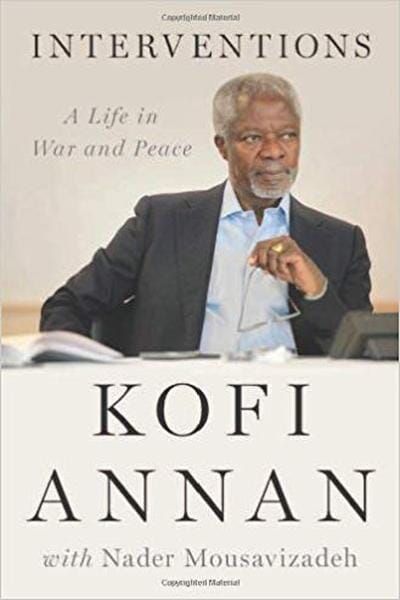
Interventions Book Summary
In 'Interventions,' Kofi Atta Annan shares riveting insights from his tenure as the UN Secretary-General, unraveling the complexities of global diplomacy and humanitarian crises. Co-authored by Nader Mousavizadeh, the book offers a candid exploration of critical international interventions in the realms of conflict, peacekeeping, and development. Annan's personal anecdotes and reflections challenge conventional narratives, inviting readers to ponder the moral dilemmas faced by world leaders. With a blend of personal and political history, the text reveals the intricate dance between power, responsibility, and human rights on the global stage. Prepare to be captivated by Annan's vision for a more just and united world.
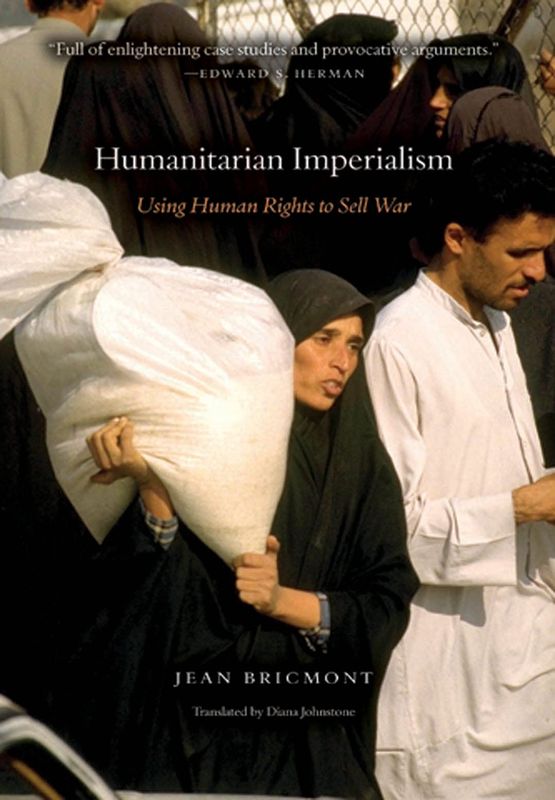
Humanitarian Intervention Book Summary
In 'Humanitarian Intervention', Sean D. Murphy explores the complex interplay between sovereignty and the responsibility to protect innocent lives in times of crisis. He examines historical precedents and legal frameworks that shape the debate on intervention. With compelling case studies, Murphy raises critical questions about ethics, legitimacy, and the role of international organizations. Can military action ever be justified under the guise of humanitarian aid? This thought-provoking book invites readers to reconsider the boundaries of global responsibility and the moral imperatives that drive intervention.
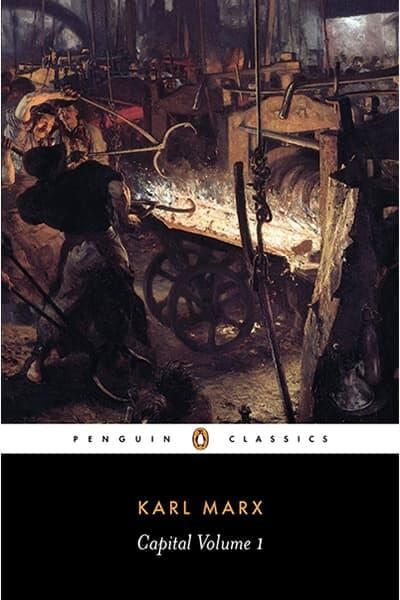
Capital Book Summary
In 'Capital,' Karl Marx unveils the intricate mechanics of capitalism, revealing how it perpetuates class struggle and economic disparity. Through a meticulous exploration of labor, commodity, and value, he exposes the exploitative relationships hiding beneath the surface of wealth. With a bold critique of industrial society, Marx argues that the relentless pursuit of profit leads to societal decay and discontent. His revolutionary ideas challenge the very foundations of capitalism, prompting readers to question the status quo. Dive into this groundbreaking work that continues to influence modern economic thought and societal change.
In the Name of Democracy Book Summary
In 'In the Name of Democracy', Tom H. Carothers excavates the intricate relationship between democracy promotion and foreign policy. He unveils the paradoxes and challenges faced by nations striving to export democratic ideals across diverse cultures. Through compelling case studies, Carothers reveals how well-intentioned efforts often lead to unintended consequences. This thought-provoking exploration encourages readers to reconsider the effectiveness of democracy as a universal solution. Will the pursuit of democracy enhance global stability, or will it spark new conflicts?
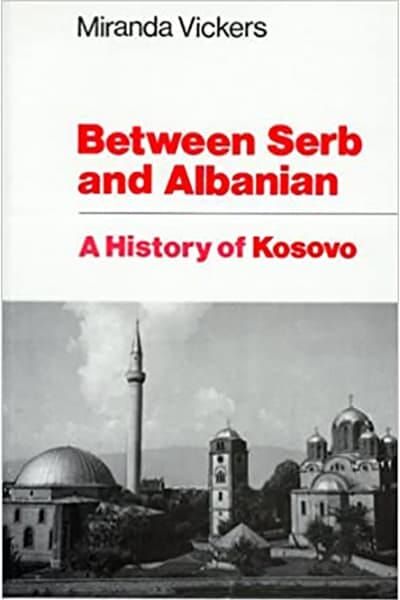
Between Serb and Albanian Book Summary
No summary available
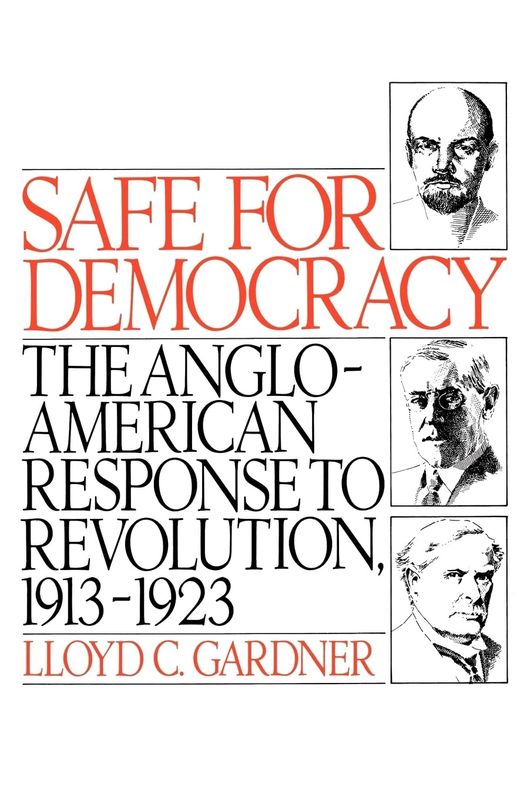
Safe for Democracy:The Anglo-American Response to Revolution, 1913-1923 Book Summary
In 'Safe for Democracy,' Lloyd C. Gardner unveils the intricate web of political maneuvers between Britain and the United States during the tumultuous decade of 1913-1923. As revolutions swept across Europe and beyond, both nations struggled with their identities and ideals in the face of global upheaval. Gardner meticulously explores how these powers responded to rising radicalism, balancing the tension between democracy and security. The narrative reveals not just historical facts, but also the deeper implications of their choices for future generations. This compelling analysis prompts readers to question how the past shapes contemporary democratic struggles.
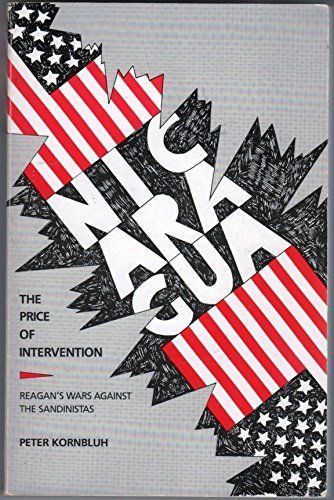
Nicaragua, the Price of Intervention Book Summary
No summary available

Expulsion of the Palestinians Book Summary
No summary available
Showing 8 of 30 similar books
Take your reading experience to the next level
Download our mobile app to enjoy your favorite books on the go. Get access to exclusive features, offline listening, and personalized recommendations.

Similar Book Recommendations →

Ana Fabrega's Book Recommendations
Ana Lorena Fabrega is an innovative educator and author passionate about reimagining education. Known as “Ms. Fab,” she is the Chief Evangelist at Synthesis, an education startup inspired by the problem-solving and collaboration model used at SpaceX. She advocates for alternative learning methods, encouraging curiosity and creativity in students. Ana's work emphasizes the importance of engaging young learners in real-world challenges and critical thinking. She also shares insights on education reform through her popular newsletter, Fab Fridays.

Jessica Gomes's Book Recommendations
Jessica Gomes is an Australian model and actress, best known for her appearances in Sports Illustrated’s Swimsuit Issue and for her work as a brand ambassador for various global brands. Gomes has worked with high-profile fashion houses and beauty brands, becoming one of the most recognized Australian models internationally. She has also branched into acting, appearing in films such as Once Upon a Time in Venice. In addition to her modeling and acting career, Gomes is involved in philanthropy and has supported several charitable causes, particularly those focused on health and education.

Ben Shapiro's Book Recommendations
Ben Shapiro is an American conservative political commentator, author, and lawyer, known for his sharp analytical skills and outspoken views. He graduated from UCLA at the age of 20 and Harvard Law School at 23, demonstrating his early intellectual prowess. Shapiro is the author of several best-selling books including "Bullies: How the Left's Culture of Fear and Intimidation Silences Americans" and "The Right Side of History: How Reason and Moral Purpose Made the West Great." He is the co-founder and editor emeritus of The Daily Wire, a popular conservative news and opinion website. Through his writing and media presence, Shapiro has significantly influenced contemporary political discourse in the United States.
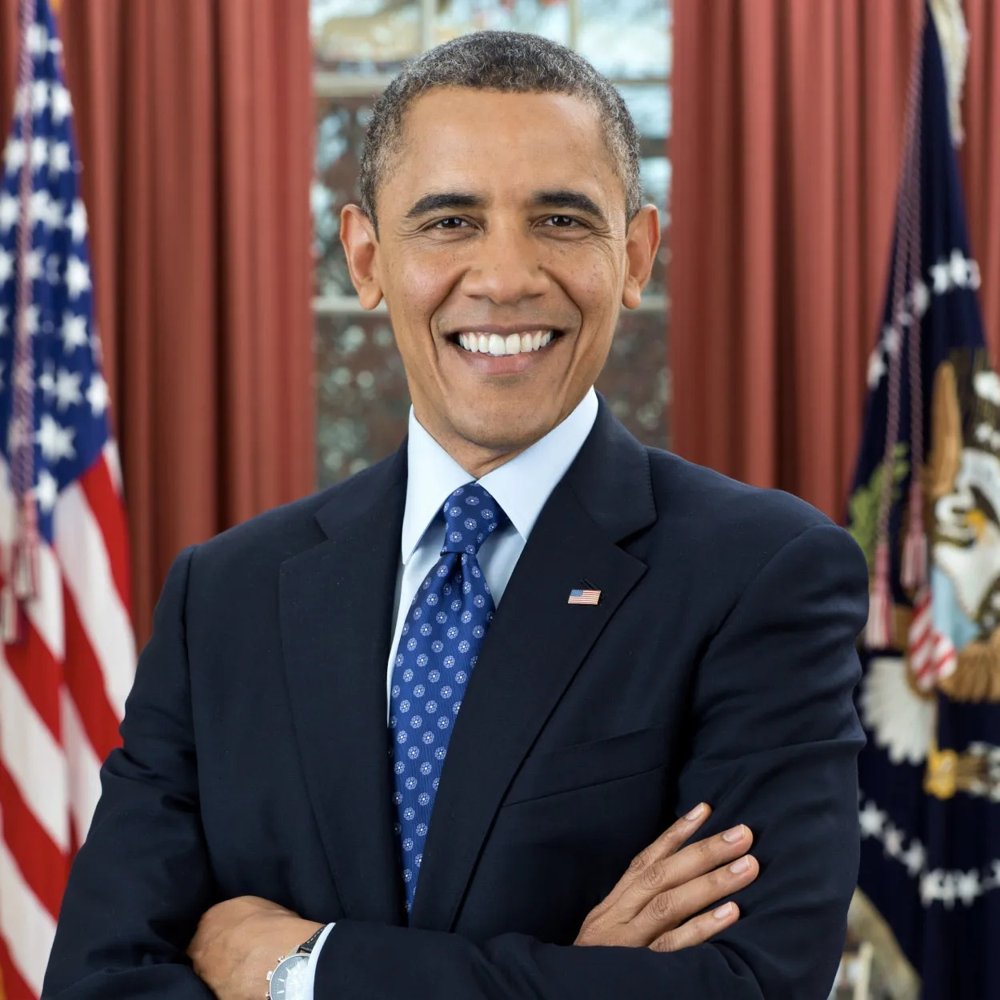
Barack Obama's Book Recommendations
Barack Obama is the 44th President of the United States, serving from 2009 to 2017. As the first African American president, Obama’s leadership marked a historic moment in American history. His administration focused on healthcare reform, economic recovery from the Great Recession, and environmental policies. He is best known for the Affordable Care Act, as well as his efforts to expand civil rights and restore diplomatic relations with Cuba. Since leaving office, Obama has continued to engage in public life through his foundation, focusing on leadership development, civic engagement, and global issues.

Reid Hoffman's Book Recommendations
Reid Hoffman is an influential American entrepreneur, venture capitalist, and author, best known as the co-founder of LinkedIn, the professional networking platform that transformed online professional interactions. Hoffman has significantly impacted the business world through his investments in notable tech companies like Airbnb, Facebook, and Zynga. As an author, he has co-written several acclaimed books, including "The Start-Up of You" and "Blitzscaling," which provide strategic insights into career development and business growth. His works are celebrated for their practical advice and have become essential reading for aspiring entrepreneurs and business leaders. Hoffman's contributions extend beyond his literary efforts, as he remains a prominent figure in Silicon Valley, shaping the future of technology and innovation.

Dan Savage's Book Recommendations
Dan Savage is an American author, media pundit, and LGBT activist, best known for his sex advice column Savage Love and his podcast Savage Lovecast. Savage has been a prominent voice in discussions around sexuality, relationships, and LGBTQ+ rights, often using humor and frankness to tackle difficult subjects. He co-founded the "It Gets Better" project, an anti-bullying initiative aimed at supporting LGBTQ+ youth. Savage is known for challenging conventional wisdom around monogamy, marriage, and sex, making him a controversial but respected figure in the world of advice and advocacy. His work has had a significant impact on public discourse around sex and relationships.
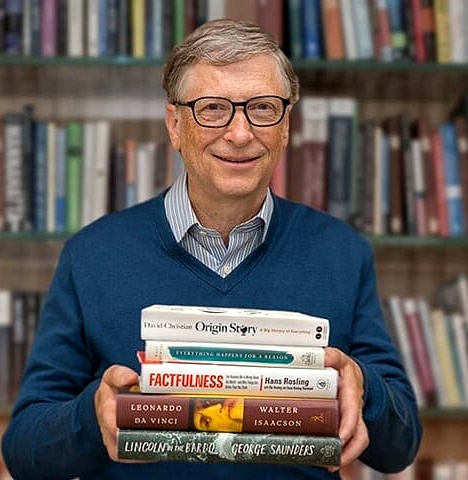
Bill Gates's Book Recommendations
Bill Gates, co-founder of Microsoft Corporation, is a pioneering figure in the tech industry, having played a key role in the personal computer revolution. His work at Microsoft, particularly the development of Windows, transformed software and computing globally. Beyond his technology contributions, Gates is also a prolific author, with notable works such as "The Road Ahead" and "Business @ the Speed of Thought," which offer insights into the future of technology and business. Additionally, his philanthropic efforts through the Bill & Melinda Gates Foundation have had a profound impact on global health, education, and poverty. Gates continues to influence both technology and literature with his forward-thinking perspectives and innovative ideas.

Peter Thiel's Book Recommendations
Peter Thiel is a renowned entrepreneur, venture capitalist, and author best known for co-founding PayPal and Palantir Technologies. He played a pivotal role in the early growth of Facebook as its first outside investor. Thiel's literary contributions include his influential book "Zero to One: Notes on Startups, or How to Build the Future," which offers insights into innovation, entrepreneurship, and the future of technology. A prominent figure in Silicon Valley, he has significantly impacted the tech industry's landscape through his investments and thought leadership. Thiel's work continues to inspire entrepreneurs and innovators around the world.
Showing 8 of 14 related collections
“"The greatest illusion of all is the belief that war can bring about lasting peace and prosperity; true security lies not in strength of arms, but in the bonds of cooperation among nations."”
The Great Illusion a Study of the Relation of Military Power to National Advantage
By Norman Angell
Frequently Asked Questions
Explore Our Catalogue
Discover a world of knowledge through our extensive collection of book summaries.
Genres
Genres
Genres
Featured Collections
- Top Book Club Picks
- One-Stop Nutrition
- Summer Reads 2024
- Best Beach Reads 2024
- Work-Life Balance Guide
- Time Management
- Healthy Foods
- Entrepreneur Toolkit
- Mind & Body Wellness
- Future Tech Insights
- Leadership Essentials
- Financial Freedom
- Sci-Fi Masterpieces
- Parenting 101
- Books That Became Blockbusters
- Guide to a Healthy Pregnancy