The Half Has Never Been Told Book Summary
In 'The Half Has Never Been Told,' Edward E. Baptist unearths the untold story of American slavery and its profound impact on the nation's economic development. Through compelling narratives and vivid imagery, Baptist reveals how the brutal system of cotton production fueled capitalism and reshaped the very fabric of society. This book challenges readers to confront the staggering contradictions of freedom and exploitation that defined the era. As Baptist intricately weaves personal accounts with historical analysis, he illuminates the deeply entrenched legacy of slavery that continues to resonate today. Prepare to see American history in a completely new light and question the narratives you've always accepted.
By Edward E. Baptist
Published: 2016
"The moral contradiction of slavery and economic progress reveals a dark truth about the foundations of America: prosperity built on the backs of the oppressed is a legacy we cannot ignore."


Start Listening to Book Summary
Book Review of The Half Has Never Been Told
A groundbreaking, must-read history demonstrating that America's economic supremacy was built on the backs of slaves Americans tend to cast slavery as a pre-modern institution -- the nation's original sin, perhaps, but isolated in time and divorced from America's later success. But to do so robs the millions who suffered in bondage of their full legacy. As historian Edward E. Baptist reveals in the prizewinning The Half Has Never Been Told, the expansion of slavery in the first eight decades after American independence drove the evolution and modernization of the United States. In the span of a single lifetime, the South grew from a narrow coastal strip of worn-out tobacco plantations to a continental cotton empire, and the United States grew into a modern, industrial, and capitalist economy. Told through intimate slave narratives, plantation records, newspapers, and the words of politicians, entrepreneurs, and escaped slaves, The Half Has Never Been Told offers a radical new interpretation of American history. Bloomberg View Top Ten Nonfiction Books of 2014 Daily Beast Best Nonfiction Books of 2014 Winner of the 2015 Avery O. Craven Prize from the Organization of American HistoriansWinner of the 2015 Sidney Hillman Prize
Book Overview of The Half Has Never Been Told
About the Book Author
Edward E. Baptist
Edward E. Baptist is an acclaimed American historian and author specializing in the history of slavery and its enduring impact on American society. He is best known for his influential works, including 'The Half Has Never Been Told: Slavery and the Making of American Capitalism', which received widespread praise for its compelling narrative and detailed research. Baptist's writing is characterized by its synthesis of historiography and personal narrative, making complex subjects accessible to a broad audience. His scholarship has significantly advanced the understanding of the economic dimensions of slavery, and he continues to contribute to discussions on race, history, and social justice.
Book Details
Key information about the book.
- Authors
- Edward E. Baptist
- Published
- October 2016
- Publisher
- Basic Books
- ISBN
- 0465049664
- Language
- English
- Pages
- N/A
- Genres
- American HistoryHistoryPolitical HistoryCultural History
Purchase Options
 Buy on Amazon
 Buy via BookShop
Support local bookstores: BookShop gives a portion of each sale to independent bookshops!
Similar books you might like →
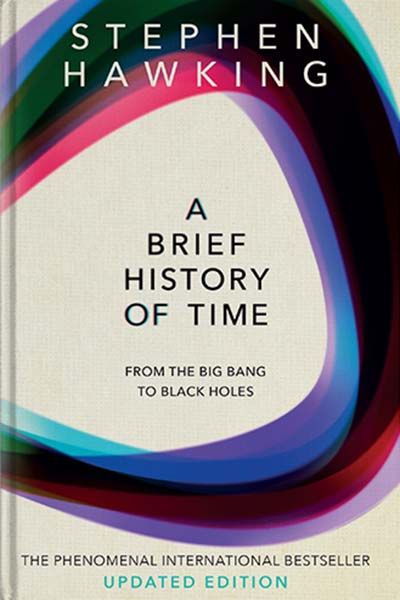
A Brief History of Time Book Summary
In "A Brief History of Time," Stephen Hawking takes readers on a captivating journey through the cosmos, exploring the nature of time, black holes, and the universe's beginnings. With stunning clarity, he unravels complex scientific concepts, inviting everyone—from curious laypersons to seasoned physicists—to ponder the mysteries of existence. Hawking's charismatic storytelling challenges our perceptions of reality and time itself, posing profound questions about the universe's fate. As he merges science with philosophy, the reader is compelled to reflect on their place in a vast, enigmatic cosmos. Prepare to be inspired and awed by a narrative that transcends mere facts, pushing the boundaries of human understanding.
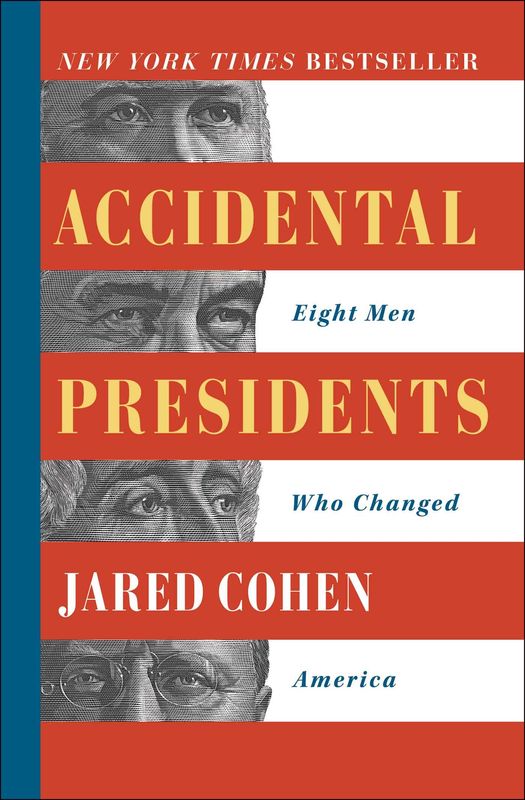
Accidental Presidents Book Summary
In 'Accidental Presidents', Jared Cohen explores the unexpected rise of U.S. leaders who ascended to the presidency by chance rather than through traditional paths. From political mishaps to sudden deaths, these leaders had to navigate unique challenges that transformed their presidencies and the nation. Cohen delves into their distinct personalities and pivotal moments, revealing how fortune and fate can shape history. This compelling narrative raises questions about leadership, legacy, and the unpredictability of political power. Discover how chance encounters led to monumental changes and what this means for the future of American leadership.
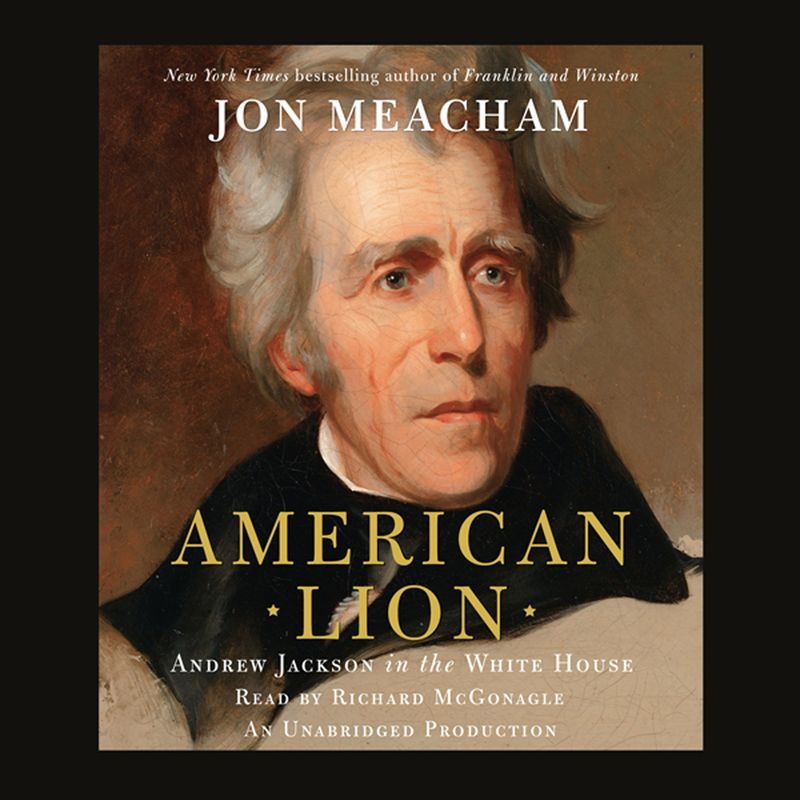
American Lion Book Summary
"American Lion" by Jon Meacham delves into the life of Andrew Jackson, one of America's most controversial presidents. Meacham paints a vivid portrait of Jackson's fierce leadership and tumultuous presidency during a pivotal era in U.S. history. The book explores Jackson's complex legacy, from his championing of democracy to his stark policies regarding Native Americans. Through rich storytelling and meticulous research, Meacham invites readers to grapple with the dualities of Jackson's character and the implications of his choices. Will you uncover the man behind the myth and understand how his presidency shaped the nation?
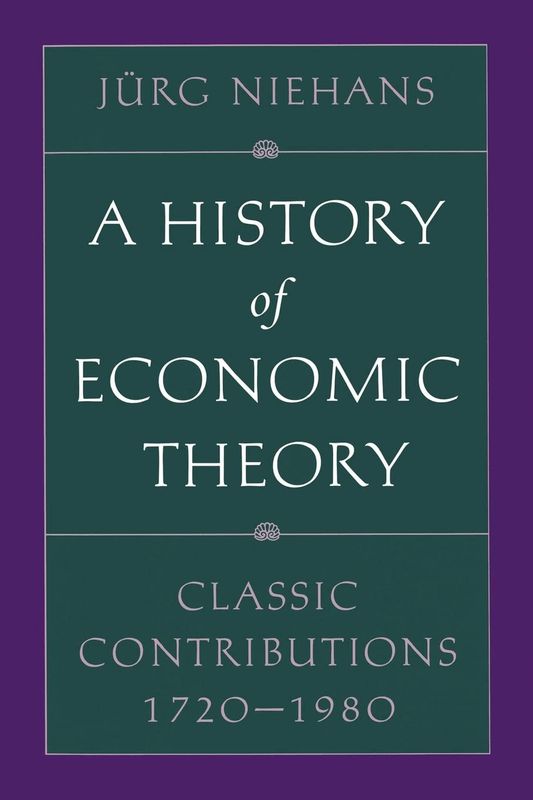
A History of Economic Theory Book Summary
In 'A History of Economic Theory', Jürg Niehans takes readers on a captivating journey through the evolution of economic thought. From ancient philosophies to contemporary paradigms, the book unravels how ideas have shaped economic practices across cultures and eras. With each chapter, Niehans reveals the intellectual battles and breakthroughs that have defined the discipline. Rich in historical context, this work challenges readers to consider the relevance of past theories in today's economy. Dive into this scholarly adventure and discover how the past continually influences our understanding of wealth and value.
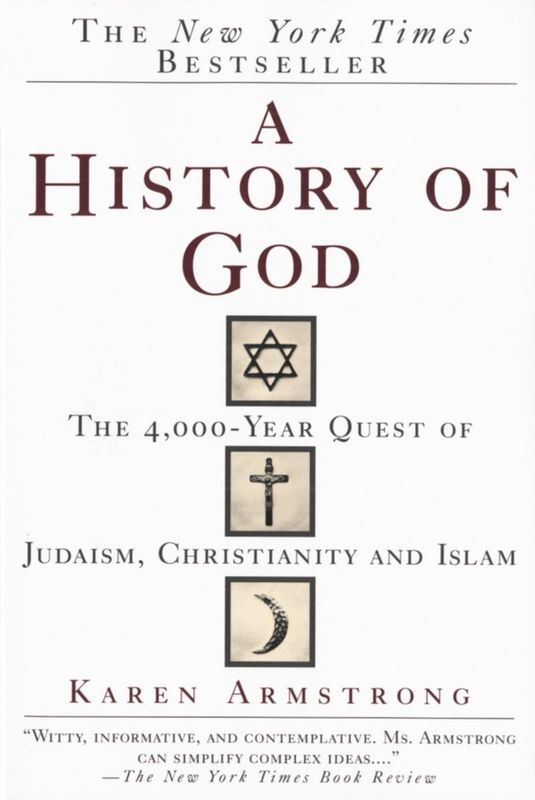
A History of God Book Summary
In 'A History of God', Karen Armstrong embarks on a fascinating journey through the evolution of the concept of God from ancient times to the modern era. She explores how various religions—Judaism, Christianity, and Islam—have shaped humanity's understanding of the divine, revealing the complexities and contradictions in these beliefs. Highlighting the influence of culture, politics, and philosophy, Armstrong invites readers to reconsider their perceptions of faith and spirituality. This thought-provoking narrative raises profound questions about the nature of belief and the future of religious thought. Are we on the brink of a new understanding of God, or are we simply repeating history?
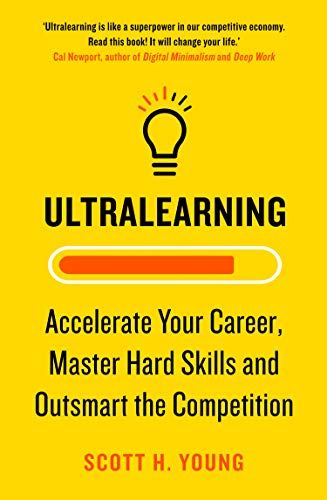
Ultralearning Book Summary
In 'Ultralearning', Scott H. Young unveils a revolutionary approach to mastering skills and knowledge at lightning speed. By blending psychology, neuroscience, and practical techniques, Young reveals how intense self-directed learning can help anyone achieve expertise. He shares inspiring stories of individuals who have transformed their lives through ultralearning strategies. Discover actionable steps to enhance your learning potential and tackle any skill with confidence and efficiency. Are you ready to unlock the secrets to becoming an ultimate learner?
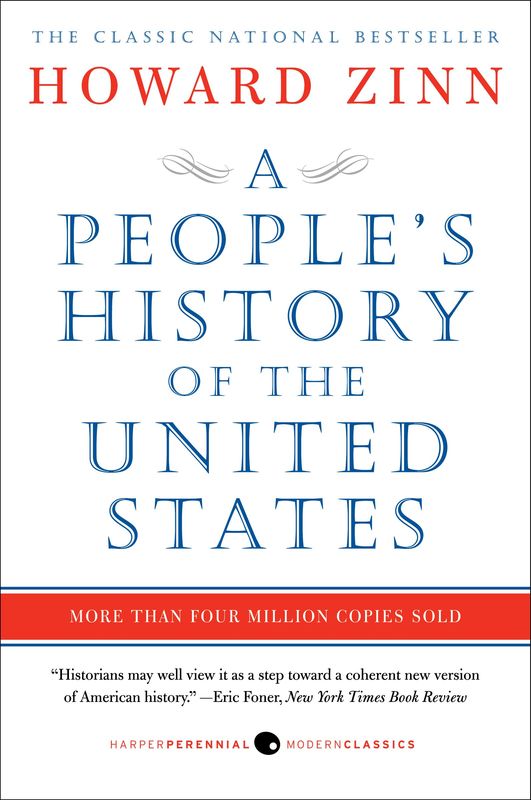
A People's History of the United States Book Summary
In 'A People's History of the United States,' Howard Zinn redefines the American narrative by focusing on the experiences and struggles of marginalized groups throughout history. This provocative work unveils the hidden stories of Native Americans, slaves, women, and others who have been silenced in traditional historical accounts. Zinn challenges the reader to rethink the very foundations of American society and its values, highlighting the continuous fight for justice and equality. As he dives into pivotal moments where ordinary people stood against power, the book raises questions about who writes history and whose voices are heard. A compelling call to recognize the past in order to inform the future, it leaves readers hungry for deeper truths about the American experience.

The Idea of Decline in Western History Book Summary
In 'The Idea of Decline in Western History', Arthur Herman challenges the notion that Western civilization is in a state of decay. He traces the historical roots of decline rhetoric through pivotal moments in history, revealing how fear and pessimism have often dominated the narrative. Herman argues that these ideas have profound implications on society's self-perception and progress. This thought-provoking exploration raises critical questions about the resilience and future of Western values. Will we rise from the ashes of decline, or is the narrative of decay an inescapable destiny?
Showing 8 of 17 similar books
Take your reading experience to the next level
Download our mobile app to enjoy your favorite books on the go. Get access to exclusive features, offline listening, and personalized recommendations.

Similar Book Recommendations →

Michael Pollan's Book Recommendations
Michael Pollan is a renowned American author and journalist, celebrated for his insightful explorations of food, agriculture, and human culture. His groundbreaking book, "The Omnivore's Dilemma," published in 2006, critically examines the complexities of the modern food industry and has become a seminal work in food studies. Pollan's engaging narrative style and thorough research have earned him a place on The New York Times Best Seller list multiple times. In addition to his literary contributions, he is also a professor of journalism at the University of California, Berkeley. Pollan's work continues to influence public discourse on sustainable eating and the ethical implications of food choices.

Julian Shapiro's Book Recommendations
Julian Shapiro is a renowned writer and entrepreneur, acclaimed for his insightful essays on personal growth and marketing strategies. He is the author of "The Julian Shapiro Collection," a compilation of his most impactful writings that have garnered a wide readership online. Shapiro co-founded the growth marketing agency Bell Curve, where he has helped numerous startups achieve exponential growth. His work often blends practical advice with deep philosophical inquiries, making complex subjects accessible to a broad audience. Through his prolific writing and entrepreneurial ventures, Julian has become a key figure in the intersection of business and self-improvement literature.

Lex Fridman's Book Recommendations
Lex Fridman is an artificial intelligence researcher, podcaster, and MIT professor, known for his work in autonomous vehicles, robotics, and deep learning. Fridman has gained widespread popularity through his podcast, Lex Fridman Podcast, where he interviews leading thinkers in science, technology, and philosophy, exploring topics like AI, consciousness, and the future of humanity. His academic work focuses on human-centered AI, aiming to create machines that can better understand and interact with humans. Fridman’s ability to distill complex topics into accessible conversations has earned him a large following, and his podcast is known for its thoughtful, in-depth discussions with some of the brightest minds of our time. He is also an advocate for the responsible development of AI, emphasizing the ethical implications of this rapidly advancing technology. Outside of academia and podcasting, Fridman is a practitioner of jiu-jitsu and frequently speaks about the importance of discipline and continuous learning.

Charlie Munger's Book Recommendations
Charlie Munger is an American investor, businessman, and philanthropist, best known as the vice chairman of Berkshire Hathaway, where he partners with Warren Buffett. Renowned for his insights on investment strategies and mental models, Munger has significantly influenced the world of finance. His notable literary contributions include "Poor Charlie's Almanack," a compilation of his speeches and writings that distill his wisdom on decision-making and business principles. Munger's work emphasizes the importance of multidisciplinary thinking and continuous learning. Beyond his financial acumen, he is celebrated for his charitable efforts, particularly in education and healthcare.

Ray Dalio's Book Recommendations
Ray Dalio is the founder of Bridgewater Associates, one of the largest and most successful hedge funds in the world. He is also the author of the bestselling book Principles, where he outlines his philosophy on life, leadership, and investing. Ray is renowned for his unique approach to transparency, radical truth, and thoughtful disagreement within organizations. His insights into economics and investing have made him one of the most influential figures in the financial world. Dalio continues to be a thought leader in business, economics, and philanthropy.

Ben Shapiro's Book Recommendations
Ben Shapiro is an American conservative political commentator, author, and lawyer, known for his sharp analytical skills and outspoken views. He graduated from UCLA at the age of 20 and Harvard Law School at 23, demonstrating his early intellectual prowess. Shapiro is the author of several best-selling books including "Bullies: How the Left's Culture of Fear and Intimidation Silences Americans" and "The Right Side of History: How Reason and Moral Purpose Made the West Great." He is the co-founder and editor emeritus of The Daily Wire, a popular conservative news and opinion website. Through his writing and media presence, Shapiro has significantly influenced contemporary political discourse in the United States.

Barack Obama's Book Recommendations
Barack Obama is the 44th President of the United States, serving from 2009 to 2017. As the first African American president, Obama’s leadership marked a historic moment in American history. His administration focused on healthcare reform, economic recovery from the Great Recession, and environmental policies. He is best known for the Affordable Care Act, as well as his efforts to expand civil rights and restore diplomatic relations with Cuba. Since leaving office, Obama has continued to engage in public life through his foundation, focusing on leadership development, civic engagement, and global issues.

Lisa Ling's Book Recommendations
Lisa Ling is an acclaimed journalist, television presenter, and author known for her insightful storytelling and investigative reporting. She gained prominence as a co-host of ABC's "The View" and later as the executive producer and host of "This Is Life with Lisa Ling" on CNN. Ling has authored several impactful books, including "Mother, Daughter, Sister, Bride: Rituals of Womanhood" and "Somewhere Inside," co-written with her sister Laura, chronicling Laura's captivity in North Korea. Her work often highlights underreported issues and marginalized communities, earning her critical acclaim and numerous awards. Ling's contributions continue to shape public discourse and inspire change through compelling narratives and brave journalism.
Showing 8 of 11 related collections
“The moral contradiction of slavery and economic progress reveals a dark truth about the foundations of America: prosperity built on the backs of the oppressed is a legacy we cannot ignore.”
The Half Has Never Been Told
By Edward E. Baptist
Frequently Asked Questions
Explore Our Catalogue
Discover a world of knowledge through our extensive collection of book summaries.
Genres
Genres
Genres
Featured Collections
- Top Book Club Picks
- One-Stop Nutrition
- Summer Reads 2024
- Best Beach Reads 2024
- Work-Life Balance Guide
- Time Management
- Healthy Foods
- Entrepreneur Toolkit
- Mind & Body Wellness
- Future Tech Insights
- Leadership Essentials
- Financial Freedom
- Sci-Fi Masterpieces
- Parenting 101
- Books That Became Blockbusters
- Guide to a Healthy Pregnancy