The House of Rothschild Book Summary
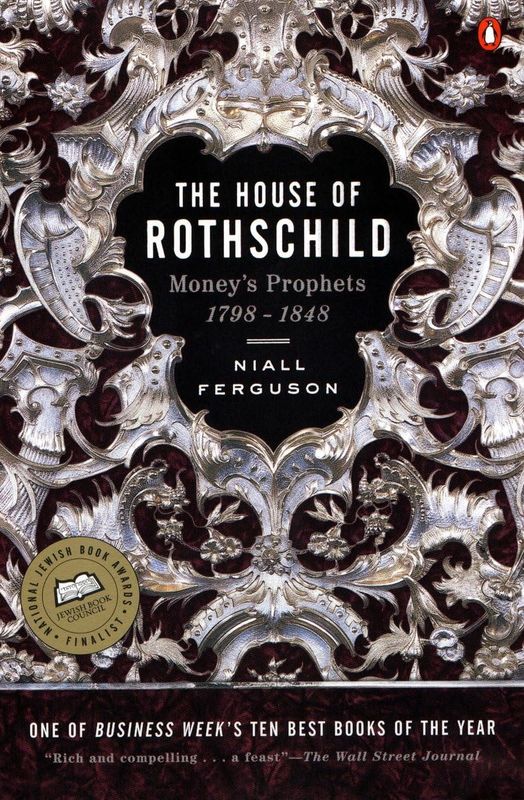
In 'The House of Rothschild', Niall Ferguson unveils the astonishing rise of the Rothschild banking dynasty, tracing their influence from the windswept streets of Frankfurt to the grand parlors of London. With unparalleled access to historical documents, he reveals the family's intricate web of financial power, shaped by wars, revolutions, and new technologies. The Rothschilds not only amassed wealth but also wielded political clout that altered the course of history. Their story is a captivating blend of ambition, intrigue, and the relentless pursuit of fortune that reveals the darker side of the financial world. As the narrative unfolds, readers are left to wonder: what price comes with such monumental power?
By Niall Ferguson
Published: 1999
"The true measure of wealth is not what you own, but the influence you wield and the legacy you leave behind."

Start Listening to Book Summary
Book Review of The House of Rothschild
From the bestselling author of The Ascent of Money and The Square and the Tower In his rich and nuanced portrait of the remarkable, elusive Rothschild family, Oxford scholar and bestselling author Niall Ferguson uncovers the secrets behind the family's phenomenal economic success. He reveals for the first time the details of the family's vast political network, which gave it access to and influence over many of the greatest statesmen of the age. And he tells a family saga, tracing the importance of unity and the profound role of Judaism in the lives of a dynasty that rose from the confines of the Frankfurt ghetto and later used its influence to assist oppressed Jews throughout Europe. A definitive work of impeccable scholarship with a thoroughly engaging narrative, The House of Rothschild is a biography of the rarest kind, in which mysterious and fascinating historical figures finally spring to life.
Book Overview of The House of Rothschild
About the Book Author
Niall Ferguson
Niall Ferguson is a prominent historian, author, and broadcaster known for his work examining the interplay of economics, history, and politics. Born in 1964 in Glasgow, Scotland, he has served as a professor at prestigious institutions such as Harvard University and the University of Oxford. Ferguson's notable works include 'The Ascent of Money', 'Empire: The Rise and Demise of the British World Order', and 'The Square and the Tower', where he analyzes complex historical narratives with a keen insight into economic forces shaping societies. His writing style is characterized by rigorous scholarship combined with a compelling narrative, making complex historical themes accessible to a wide audience. Ferguson frequently explores themes of imperialism, finance, and the impact of technology on historical events.
Book Details
Key information about the book.
- Authors
- Niall Ferguson
- Published
- November 1999
- Publisher
- National Geographic Books
- ISBN
- 0140240845
- Language
- English
- Pages
- N/A
- Genres
- FinanceHistoryEconomic PolicyPolitical History
Purchase Options
 Buy on Amazon
 Buy via BookShop
Support local bookstores: BookShop gives a portion of each sale to independent bookshops!
Similar books you might like →
Black Edge Book Summary
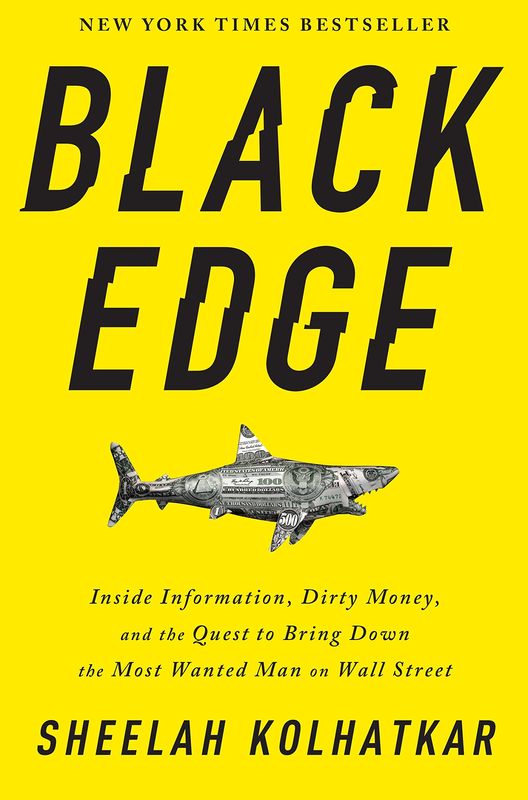
In "Black Edge," investigative journalist Sheelah Kolhatkar delves into the high-stakes world of hedge funds and the enigmatic figure of Steven A. Cohen. As she unravels the saga of insider trading, greed, and Wall Street's murky ethics, the book pulls readers into a gripping tale of ambition that spans decades. With intellectual prowess and audacious risk-taking, Cohen's rise to power raises questions about the moral compass of finance. Kolhatkar's penetrating analysis unveils the dark side of wealth and the relentless pursuit of success, leaving readers questioning the true cost of ambition. Will you dare to uncover the secrets of a financial titan and the shadowy underworld they inhabit?
Fiasco Book Summary
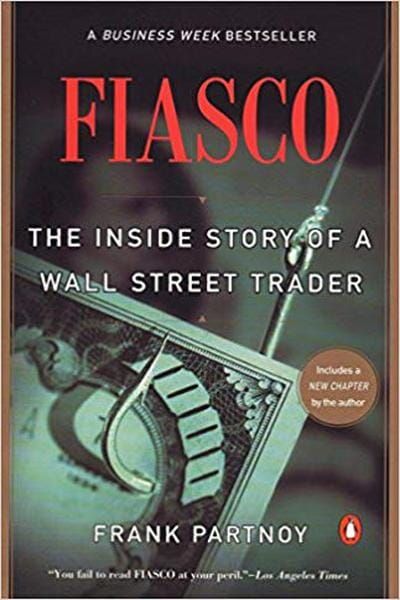
In 'Fiasco,' Frank Partnoy unveils the chaotic world of financial markets, where seemingly sound decisions can lead to catastrophic failures. He provides a gripping narrative of the 2008 financial crisis, dissecting the miscalculations and greed that fueled it. Through engaging anecdotes and sharp insights, Partnoy challenges readers to rethink risk and the nature of financial systems. This exploration serves as both a cautionary tale and a deep dive into the mechanisms that govern our economy. Prepare to question everything you thought you knew about finance and the true cost of ambition.
Middlemarch Book Summary
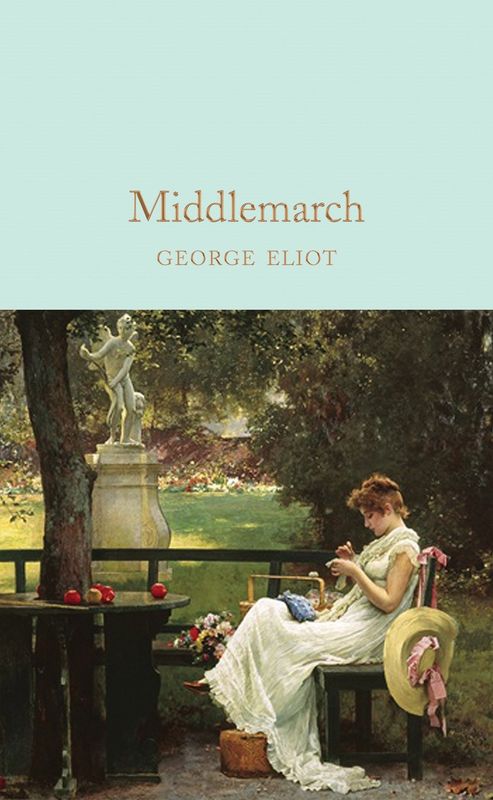
In 'Middlemarch', George Eliot weaves a tapestry of interconnected lives in a provincial English town during the early 19th century. The novel explores the aspirations, disappointments, and moral dilemmas of its vibrant characters, including the idealistic Dorothea Brooke and the ambitious Tertius Lydgate. As their personal struggles unfold against the backdrop of social and political change, the reader is drawn into a rich examination of love, ambition, and the quest for meaning. Eliot's intricate narrative challenges societal norms and offers profound insights into human nature. Will the characters find fulfillment or be ensnared by the very society they strive to change?
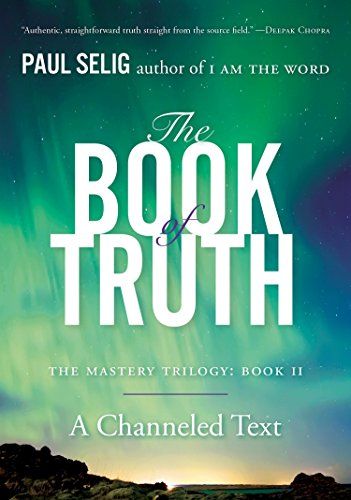
The Book of Truth Book Summary
In 'The Book of Truth,' Paul Selig unveils a profound exploration of spiritual awakening and self-discovery. Through transformative teachings and deep insights, he invites readers to challenge their perceptions of reality. Selig's journey into the realms of higher consciousness encourages an inner dialogue that transcends ordinary existence. As he reveals universal truths, the book raises compelling questions about the nature of existence and our place within it. Prepare to embark on a captivating journey that promises to transform your understanding of truth itself.

One Hundred Years of Solitude Book Summary
In the mythical town of Macondo, the Buendía family grapples with solitude, love, and the passage of time across several generations. Gabriel Garcia Marquez weaves a tale rich with magical realism, blurring the lines between myth and history. As the family's fortunes rise and fall, secrets and heartbreak shape their destinies, intertwined with the fate of their extraordinary town. Themes of isolation and the cyclical nature of life resonate throughout the narrative, inviting readers to ponder the implications of their choices. Will the Buendías ever escape the solitude that binds them, or is it their ultimate inheritance?
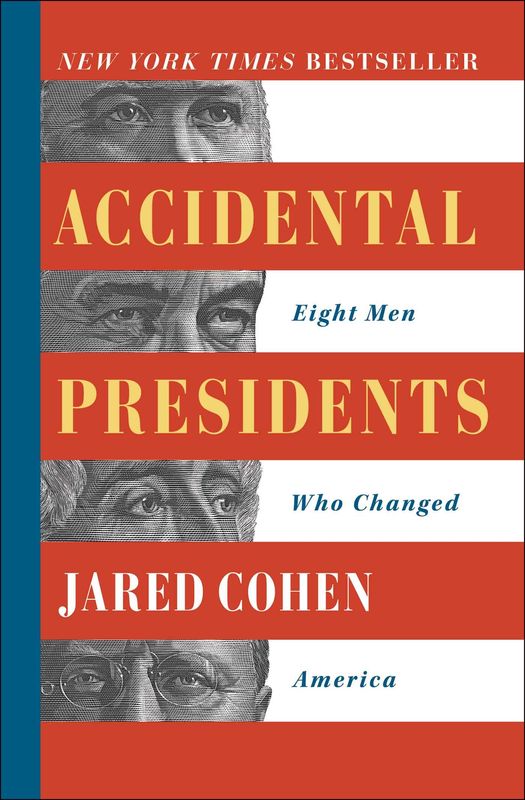
Accidental Presidents Book Summary
In 'Accidental Presidents', Jared Cohen explores the unexpected rise of U.S. leaders who ascended to the presidency by chance rather than through traditional paths. From political mishaps to sudden deaths, these leaders had to navigate unique challenges that transformed their presidencies and the nation. Cohen delves into their distinct personalities and pivotal moments, revealing how fortune and fate can shape history. This compelling narrative raises questions about leadership, legacy, and the unpredictability of political power. Discover how chance encounters led to monumental changes and what this means for the future of American leadership.
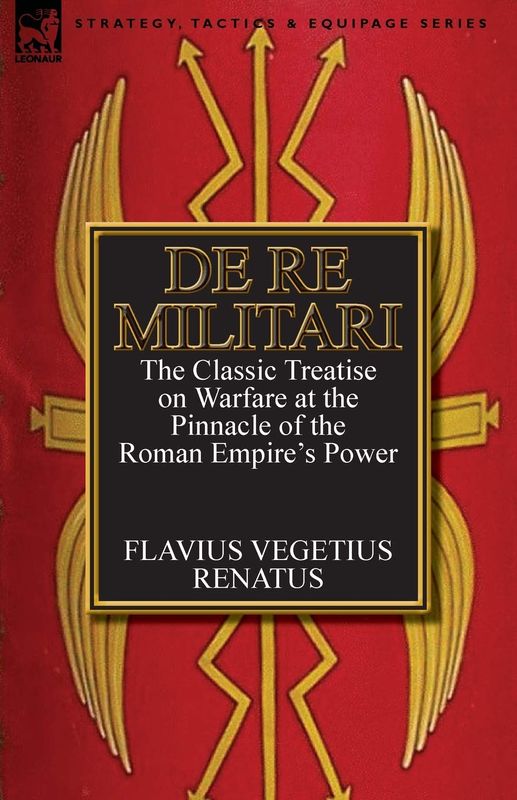
De Re Militari (Concerning Military Affairs) Book Summary
Dive into the ancient wisdom of 'De Re Militari,' where Flavius Vegetius Renatus unveils the essential principles of military strategy and discipline. This classic text transcends time, offering insights into training, fortification, and the art of war that are as relevant today as they were in the Roman legions. Vegetius highlights the importance of preparation and leadership, revealing secrets that shaped the victories of empires. With a blend of practical advice and philosophical musings, this book challenges conventional notions of warfare. Discover how the lessons of the past can inform the battles of the future in this compelling guide to military affairs.

Walden Book Summary
In 'Walden', Henry David Thoreau recounts his experiment in simple living and self-sufficiency in a cabin near Walden Pond. As he immerses himself in nature, he explores profound themes of individuality, spirituality, and the critique of modern society. Thoreau's reflections challenge readers to reconsider their own lives and the values they hold dear. With poetic prose and philosophical insights, he invites us to reconnect with the natural world. Can one truly find freedom and fulfillment outside the constraints of society?
Showing 8 of 26 similar books
Take your reading experience to the next level
Download our mobile app to enjoy your favorite books on the go. Get access to exclusive features, offline listening, and personalized recommendations.

Similar Book Recommendations →
Adam Grant's Book Recommendations
Adam Grant is a renowned organizational psychologist and bestselling author, celebrated for his influential work on motivation and workplace dynamics. He is a professor at the Wharton School of the University of Pennsylvania, where he has been the youngest tenured professor and earned numerous teaching awards. Grant's books, including "Give and Take," "Originals," and "Think Again," have been translated into multiple languages and have topped bestseller lists worldwide. His research and insights are frequently featured in major media outlets, and he hosts the popular podcast "WorkLife." Through his writing and speaking, Grant has profoundly impacted the fields of psychology, business, and education.

Bernie Sanders's Book Recommendations
Bernie Sanders is an American politician and U.S. Senator from Vermont, known for his progressive policies and his advocacy for economic equality. Sanders ran for the Democratic presidential nomination in 2016 and 2020, inspiring a movement with his calls for Medicare for All, free college tuition, and a $15 minimum wage. He identifies as a democratic socialist and has been a long-standing advocate for labor rights, environmental justice, and social welfare programs. Sanders’ candidacy energized a new generation of activists and has had a lasting influence on the direction of the Democratic Party. His focus on income inequality and social justice continues to shape political discourse in the U.S.

Ben Shapiro's Book Recommendations
Ben Shapiro is an American conservative political commentator, author, and lawyer, known for his sharp analytical skills and outspoken views. He graduated from UCLA at the age of 20 and Harvard Law School at 23, demonstrating his early intellectual prowess. Shapiro is the author of several best-selling books including "Bullies: How the Left's Culture of Fear and Intimidation Silences Americans" and "The Right Side of History: How Reason and Moral Purpose Made the West Great." He is the co-founder and editor emeritus of The Daily Wire, a popular conservative news and opinion website. Through his writing and media presence, Shapiro has significantly influenced contemporary political discourse in the United States.

Marc Andreessen's Book Recommendations
Marc Andreessen is an American entrepreneur, software engineer, and venture capitalist, best known for co-creating the Mosaic web browser, the first widely-used web browser, and co-founding Netscape. Andreessen is also the co-founder of Andreessen Horowitz, one of Silicon Valley’s most prominent venture capital firms, where he invests in groundbreaking technology companies like Facebook, Airbnb, and Coinbase. He is a thought leader on the impact of technology and innovation, often sharing his views on the future of the internet and startups. His contributions to the development of the web and the tech ecosystem have made him one of the most influential figures in technology.
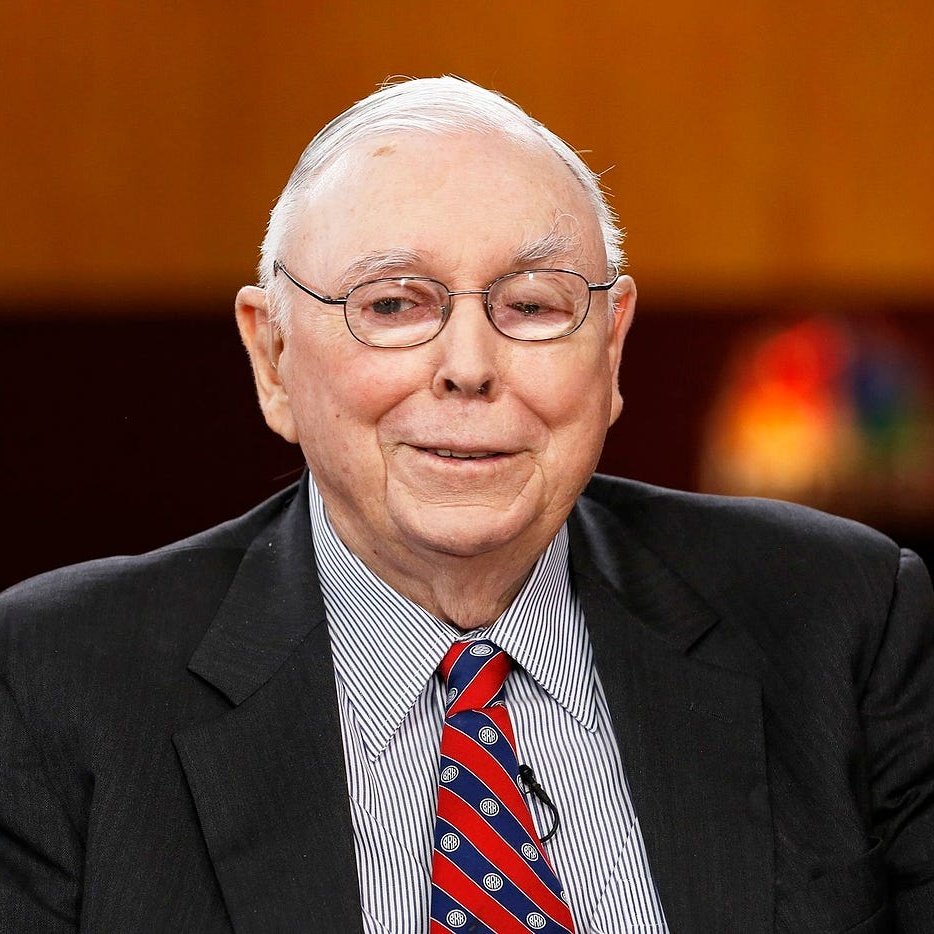
Charlie Munger's Book Recommendations
Charlie Munger is an American investor, businessman, and philanthropist, best known as the vice chairman of Berkshire Hathaway, where he partners with Warren Buffett. Renowned for his insights on investment strategies and mental models, Munger has significantly influenced the world of finance. His notable literary contributions include "Poor Charlie's Almanack," a compilation of his speeches and writings that distill his wisdom on decision-making and business principles. Munger's work emphasizes the importance of multidisciplinary thinking and continuous learning. Beyond his financial acumen, he is celebrated for his charitable efforts, particularly in education and healthcare.

David Heinemeier Hansson's Book Recommendations
David Heinemeier Hansson, also known as DHH, is a Danish programmer, entrepreneur, and author, best known as the creator of Ruby on Rails, a popular web application framework. Heinemeier Hansson is also a partner at Basecamp, a project management and collaboration software company he co-founded. His contributions to software development have earned him widespread recognition, with Ruby on Rails being used by thousands of developers and companies worldwide. Heinemeier Hansson is also a vocal advocate for remote work, simplicity in business, and sustainable work practices, ideas he explores in his bestselling books Rework and It Doesn’t Have to Be Crazy at Work. In addition to his work in tech, he is an accomplished race car driver, having competed in the 24 Hours of Le Mans. Heinemeier Hansson’s approach to work-life balance and entrepreneurship has made him a thought leader in the tech community, where he continues to challenge traditional business practices and advocate for more human-centered approaches to work

Alex Honnold's Book Recommendations
Alex Honnold is an American professional rock climber, best known for his free solo ascent of El Capitan in Yosemite National Park, a feat that was documented in the Oscar-winning film Free Solo. Honnold is renowned for his mental toughness, technical skill, and ability to climb without ropes or safety equipment. His accomplishments have made him a legend in the climbing world, and he continues to push the boundaries of the sport. Outside of climbing, Honnold is a philanthropist, founding the Honnold Foundation, which supports environmental sustainability projects, particularly in solar energy.

Mark Cuban's Book Recommendations
Mark Cuban is an American entrepreneur, investor, and television personality, best known as the owner of the NBA's Dallas Mavericks and a "shark" on the TV show "Shark Tank." While he is primarily recognized for his business acumen, Cuban is also an author, having written the book "How to Win at the Sport of Business," which provides insights into his journey and strategies for success. His contributions to literature focus on imparting practical business advice and sharing his experiences as a self-made billionaire. Cuban's writing is praised for its straightforward, no-nonsense approach, making complex business concepts accessible to a broad audience. Through his book and numerous articles, he continues to inspire aspiring entrepreneurs worldwide.
Showing 8 of 11 related collections
“The true measure of wealth is not what you own, but the influence you wield and the legacy you leave behind.”
The House of Rothschild
By Niall Ferguson
Frequently Asked Questions
Explore Our Catalogue
Discover a world of knowledge through our extensive collection of book summaries.
Genres
Genres
Genres
Featured Collections
- Top Book Club Picks
- One-Stop Nutrition
- Summer Reads 2024
- Best Beach Reads 2024
- Work-Life Balance Guide
- Time Management
- Healthy Foods
- Entrepreneur Toolkit
- Mind & Body Wellness
- Future Tech Insights
- Leadership Essentials
- Financial Freedom
- Sci-Fi Masterpieces
- Parenting 101
- Books That Became Blockbusters
- Guide to a Healthy Pregnancy