The March of Folly Book Summary
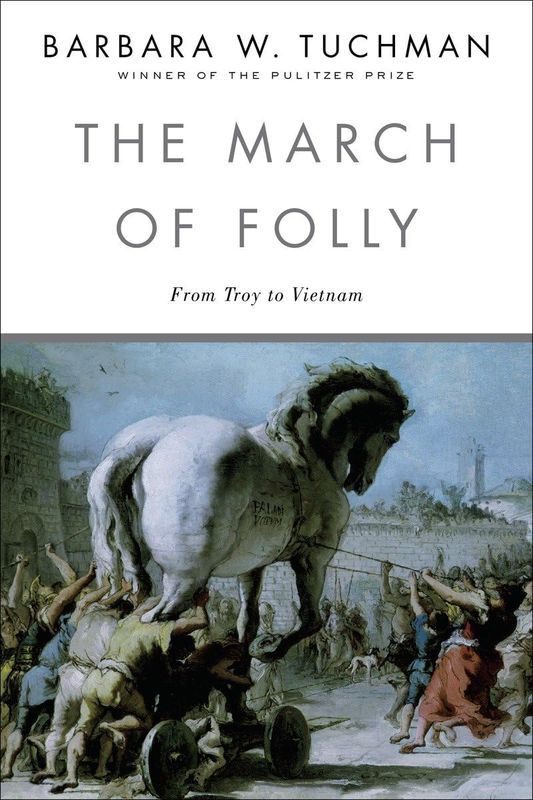
In 'The March of Folly,' Barbara W. Tuchman explores the perplexing phenomenon of human folly throughout history, showcasing how leaders repeatedly pursue self-destructive policies despite obvious alternatives. With captivating historical anecdotes, Tuchman examines case studies like the Trojan War, the rise of the American Revolution, and the Vietnam War, revealing patterns of irrational decision-making. She challenges readers to reflect on their own and society's choices, prompting intriguing questions about wisdom and folly. Tuchman's sharp analysis and engaging narrative style make this book both enlightening and thought-provoking. Will we ever learn from the past, or are we doomed to repeat it?
By Barbara W. Tuchman
Published: 1985
""The march of folly, the folly of pursuing a course of action contrary to one's best interests, is a recurring theme in history; it teaches us that the persistence of human error often outlasts the lessons learned from defeat.""

Start Listening to Book Summary
Book Review of The March of Folly
Pulitzer Prize–winning historian Barbara W. Tuchman, author of the World War I masterpiece The Guns of August, grapples with her boldest subject: the pervasive presence, through the ages, of failure, mismanagement, and delusion in government. Drawing on a comprehensive array of examples, from Montezuma’s senseless surrender of his empire in 1520 to Japan’s attack on Pearl Harbor, Barbara W. Tuchman defines folly as the pursuit by government of policies contrary to their own interests, despite the availability of feasible alternatives. In brilliant detail, Tuchman illuminates four decisive turning points in history that illustrate the very heights of folly: the Trojan War, the breakup of the Holy See provoked by the Renaissance popes, the loss of the American colonies by Britain’s George III, and the United States’ own persistent mistakes in Vietnam. Throughout The March of Folly, Tuchman’s incomparable talent for animating the people, places, and events of history is on spectacular display. Praise for The March of Folly “A glittering narrative . . . a moral [book] on the crimes and follies of governments and the misfortunes the governed suffer in consequence.”—The New York Times Book Review “An admirable survey . . . I haven’t read a more relevant book in years.”—John Kenneth Galbraith, The Boston Sunday Globe “A superb chronicle . . . a masterly examination.”—Chicago Sun-Times
Book Overview of The March of Folly
About the Book Author
Barbara W. Tuchman
Barbara W. Tuchman (1912-1989) was an acclaimed American historian and author, known for her engaging narrative style and deep analysis of historical events. She achieved widespread recognition for her notable works, including "The Guns of August," which won the Pulitzer Prize in 1963, and "A Distant Mirror: The Calamitous 14th Century," which provides a vivid portrayal of the Middle Ages. Tuchman's writing is characterized by its scholarly rigor blended with a storyteller's flair, allowing her to bring historical events to life for a broad audience. Her ability to weave rich detail into the tapestry of history has made her one of the most celebrated historians of the 20th century.
Book Details
Key information about the book.
- Authors
- Barbara W. Tuchman
- Published
- February 1985
- Publisher
- Random House Trade Paperbacks
- ISBN
- 0345308239
- Language
- English
- Pages
- 530
- Genres
- HistorySocial CommentaryPolitical HistoryPolitics and Current Affairs
Purchase Options
 Buy on Amazon
 Buy via BookShop
Support local bookstores: BookShop gives a portion of each sale to independent bookshops!
Similar books you might like →
The Lessons of History Book Summary
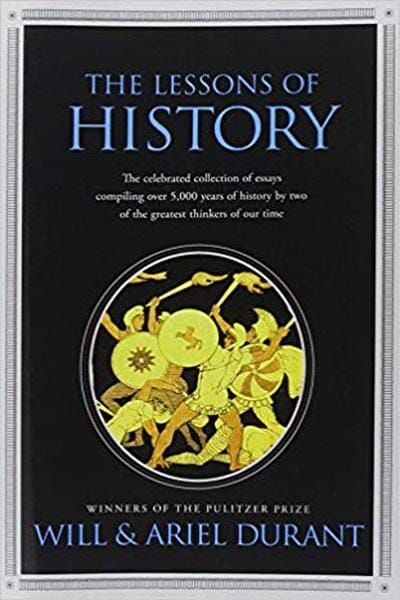
In "The Lessons of History," Will and Ariel Durant distill the sweeping narrative of human civilization into profound insights that span cultures and epochs. They explore the recurring themes of war, economics, religion, and human nature that shape our collective journey. With razor-sharp clarity, the Durants argue that the past holds invaluable lessons that can guide our present and future decisions. What patterns emerge when we closely examine the ebb and flow of societies? This thought-provoking work invites readers to reflect on the intricacies of humanity's story and consider how we might navigate the path ahead.
Voices of a People's History of the United States, 10th Anniversary Edition Book Summary
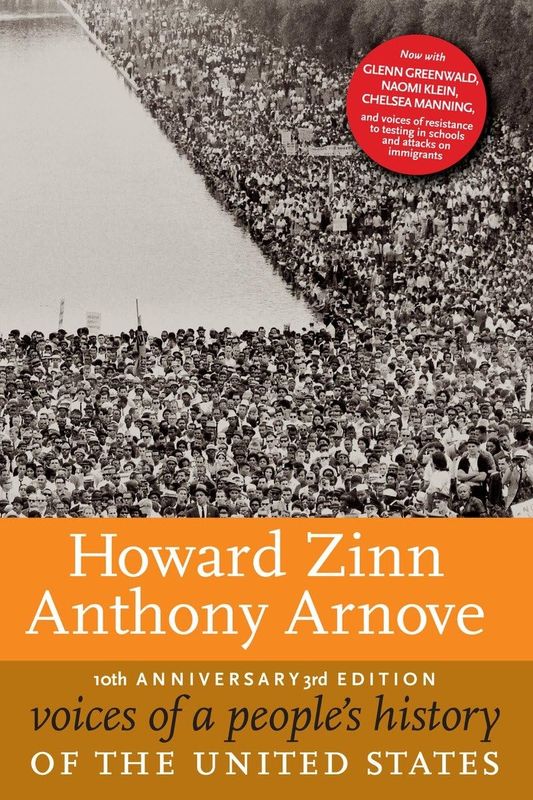
In 'Voices of a People's History of the United States,' Howard Zinn and Anthony Arnove present a powerful anthology that amplifies the voices often silenced in mainstream narratives. This 10th Anniversary Edition delves into the stories of marginalized communities, offering a profound insight into the struggles and triumphs of the American populace. Featuring riveting accounts from laborers, activists, and everyday citizens, the book challenges conventional historical perspectives. Each narrative serves as a reminder of the resilience of the human spirit and the continuous fight for justice. Discover the untold stories that shape the fabric of America and provoke thought about the narratives we accept.

Inevitable Revolutions Book Summary
In 'Inevitable Revolutions', Walter LaFeber delves into the history of U.S. involvement in Central America, revealing the complex interplay between ideologies and national interests. With eloquent storytelling, LaFeber highlights the economic and political forces that led to revolutions, casting a revealing light on America's role as both a supporter and suppressor of democracy. The book challenges readers to reconsider the narrative of American exceptionalism, raising questions about accountability and the consequences of intervention. Through case studies of specific nations, LaFeber illustrates the paradox of U.S. foreign policy—intentions versus outcomes. This thought-provoking work leaves readers pondering the true cost of 'freedom' as seen through the lens of American influence.
The History of the Decline & Fall of the Roman Empire Book Summary
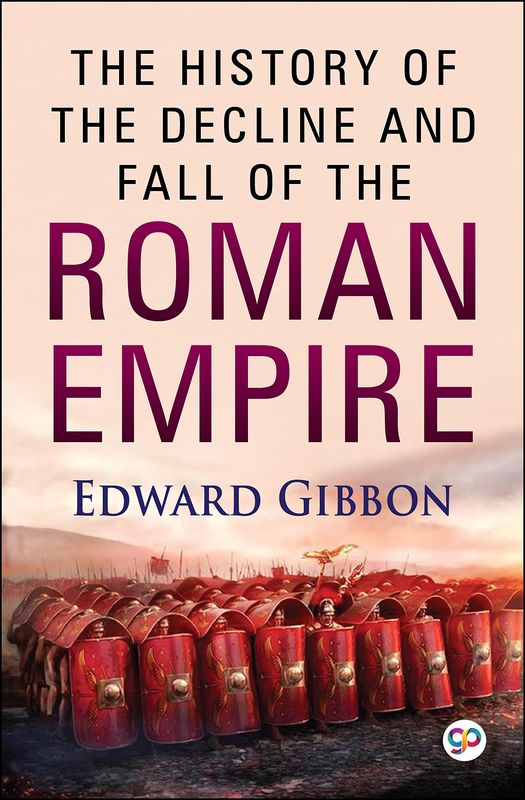
In 'The History of the Decline & Fall of the Roman Empire,' Edward Gibbon meticulously chronicles the mighty empire's descent into chaos and obscurity. With eloquent prose, Gibbon unveils the interplay of political intrigue, moral decay, and military defeats that eroded Rome's power. His analysis does not merely recount events but delves into the philosophical implications of decline and the lessons for future societies. As empires rise and fall, engage with the timeless questions Gibbon poses about civilization itself. Dive into this monumental work to understand how history shapes our present and future.
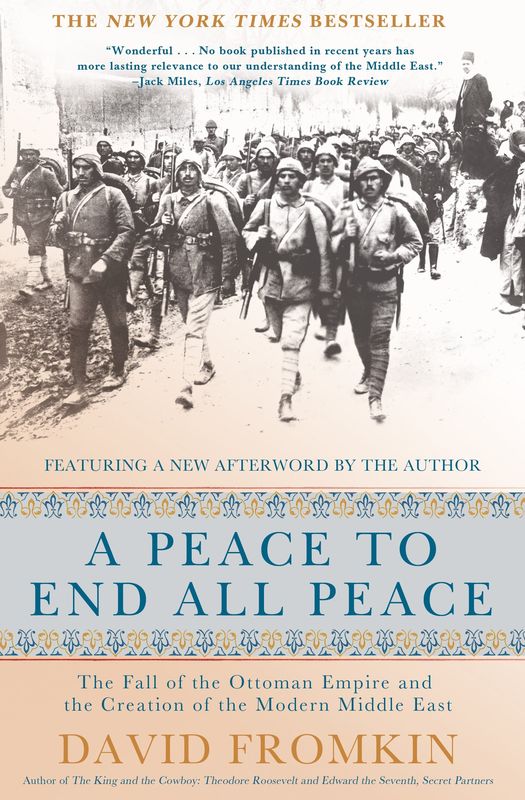
A Peace to End All Peace Book Summary
In 'A Peace to End All Peace', David Fromkin unravels the intricate web of events that led to the creation of the modern Middle East after World War I. With compelling narratives, Fromkin reveals how the decisions made by imperial powers set the stage for decades of conflict. This historical analysis not only highlights the reckless diplomacy of the time but also exposes the enduring consequences of these choices on today's geopolitical landscape. As tensions rise in the region, the book prompts readers to ponder: can any lasting peace ever truly emerge from such a fractured legacy? Dive into this thought-provoking exploration of history, power, and the quest for stability in a tumultuous world.

A Brief History of Everything (20th Anniversary Edition) Book Summary
In 'A Brief History of Everything', Ken Wilber takes readers on an enlightening journey through the evolution of consciousness and the unfolding of human history. He skillfully weaves together insights from philosophy, science, and spirituality, offering a holistic perspective on our existence. Discover how various cultural paradigms intersect and influence our understanding of reality. This thought-provoking exploration challenges conventional views and invites readers to contemplate their place in the cosmos. What if the key to our future lies in understanding the past in a radically new way?
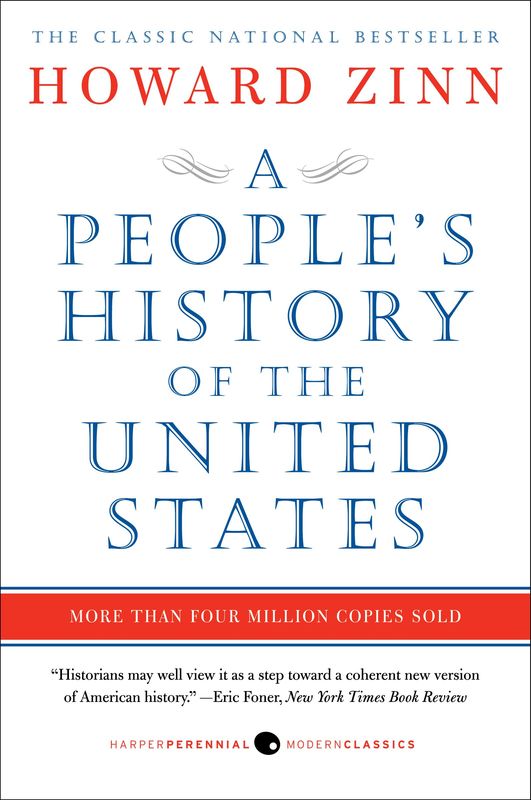
A People's History of the United States Book Summary
In 'A People's History of the United States,' Howard Zinn redefines the American narrative by focusing on the experiences and struggles of marginalized groups throughout history. This provocative work unveils the hidden stories of Native Americans, slaves, women, and others who have been silenced in traditional historical accounts. Zinn challenges the reader to rethink the very foundations of American society and its values, highlighting the continuous fight for justice and equality. As he dives into pivotal moments where ordinary people stood against power, the book raises questions about who writes history and whose voices are heard. A compelling call to recognize the past in order to inform the future, it leaves readers hungry for deeper truths about the American experience.

The Idea of Decline in Western History Book Summary
In 'The Idea of Decline in Western History', Arthur Herman challenges the notion that Western civilization is in a state of decay. He traces the historical roots of decline rhetoric through pivotal moments in history, revealing how fear and pessimism have often dominated the narrative. Herman argues that these ideas have profound implications on society's self-perception and progress. This thought-provoking exploration raises critical questions about the resilience and future of Western values. Will we rise from the ashes of decline, or is the narrative of decay an inescapable destiny?
Showing 8 of 19 similar books
Take your reading experience to the next level
Download our mobile app to enjoy your favorite books on the go. Get access to exclusive features, offline listening, and personalized recommendations.

Similar Book Recommendations →

Charlie Munger's Book Recommendations
Charlie Munger is an American investor, businessman, and philanthropist, best known as the vice chairman of Berkshire Hathaway, where he partners with Warren Buffett. Renowned for his insights on investment strategies and mental models, Munger has significantly influenced the world of finance. His notable literary contributions include "Poor Charlie's Almanack," a compilation of his speeches and writings that distill his wisdom on decision-making and business principles. Munger's work emphasizes the importance of multidisciplinary thinking and continuous learning. Beyond his financial acumen, he is celebrated for his charitable efforts, particularly in education and healthcare.

Alex Honnold's Book Recommendations
Alex Honnold is an American professional rock climber, best known for his free solo ascent of El Capitan in Yosemite National Park, a feat that was documented in the Oscar-winning film Free Solo. Honnold is renowned for his mental toughness, technical skill, and ability to climb without ropes or safety equipment. His accomplishments have made him a legend in the climbing world, and he continues to push the boundaries of the sport. Outside of climbing, Honnold is a philanthropist, founding the Honnold Foundation, which supports environmental sustainability projects, particularly in solar energy.

Barack Obama's Book Recommendations
Barack Obama is the 44th President of the United States, serving from 2009 to 2017. As the first African American president, Obama’s leadership marked a historic moment in American history. His administration focused on healthcare reform, economic recovery from the Great Recession, and environmental policies. He is best known for the Affordable Care Act, as well as his efforts to expand civil rights and restore diplomatic relations with Cuba. Since leaving office, Obama has continued to engage in public life through his foundation, focusing on leadership development, civic engagement, and global issues.

Coleen Baik's Book Recommendations
Coleen Baik is an American designer, artist, and entrepreneur, known for her work in the tech industry, including as a founding team member of Twitter. Baik played a key role in shaping the user experience and design of Twitter in its early days, contributing to its iconic interface. She is also the founder of Baik Art, a multidisciplinary art studio that blends technology and visual art. Baik is passionate about using design to create meaningful and user-centered digital experiences, and she frequently speaks on topics related to innovation, design, and creativity. Her work has made her a prominent figure in the intersection of tech and design.

Jesse Williams's Book Recommendations
Jesse Williams is a multifaceted talent best known for his work as an actor, director, and activist, but he has also made significant contributions to literature through his thought-provoking essays and social commentary. Williams has used his platform to address issues of race, identity, and social justice, often drawing from his own experiences to provide a powerful voice in contemporary discourse. His writing has appeared in various esteemed publications, capturing the complexities of modern society and advocating for systemic change. In addition to his literary efforts, Williams co-founded the production company farWord Inc., which aims to amplify underrepresented voices. His commitment to both the arts and activism continues to inspire a diverse audience, making him a prominent figure in multiple arenas of public life.

Malcolm Gladwell's Book Recommendations
Malcolm Gladwell is a Canadian journalist, author, and public speaker, best known for his best-selling books The Tipping Point, Outliers, and Blink. Gladwell’s work often explores the hidden patterns behind success, decision-making, and social phenomena, using storytelling to make complex ideas accessible to a wide audience. He has written extensively for The New Yorker and hosts the popular podcast Revisionist History, where he reexamines overlooked or misunderstood events in history. Gladwell is known for his ability to challenge conventional wisdom and provoke new ways of thinking about human behavior and societal trends.
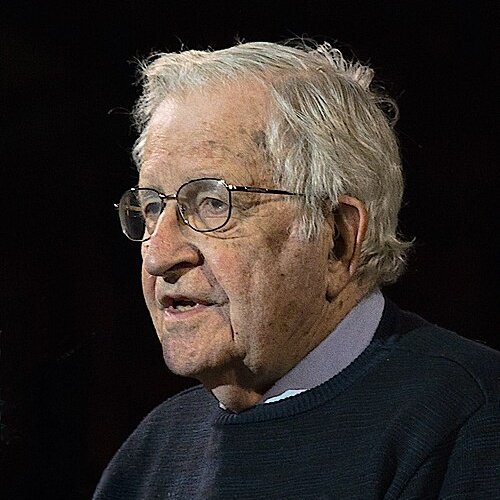
Noam Chomsky's Book Recommendations
Noam Chomsky, born December 7, 1928, is an influential American linguist, philosopher, cognitive scientist, historian, and social critic. He revolutionized the field of linguistics with his theory of generative grammar, particularly through his seminal work, "Syntactic Structures" (1957). Chomsky's contributions extend beyond linguistics to political activism, where he is known for his critiques of U.S. foreign policy and media, encapsulated in works like "Manufacturing Consent" (1988). As a professor emeritus at MIT, his interdisciplinary approach has significantly impacted cognitive science, philosophy of language, and political thought. Chomsky remains a prolific author and speaker, continuing to shape academic and public discourses.

Alfred Lin's Book Recommendations
Alfred Lin is a venture capitalist and partner at Sequoia Capital, where he focuses on investments in consumer internet, enterprise, and mobile companies. Lin is known for his early investments in companies like Airbnb and DoorDash, helping them grow into major global brands. Before joining Sequoia, Lin was an executive at Zappos, where he worked closely with CEO Tony Hsieh to develop the company’s innovative culture and customer service model. Lin’s expertise in scaling businesses and his strategic vision have made him one of the most respected venture capitalists in Silicon Valley.
Showing 8 of 14 related collections
“"The march of folly, the folly of pursuing a course of action contrary to one's best interests, is a recurring theme in history; it teaches us that the persistence of human error often outlasts the lessons learned from defeat."”
The March of Folly
By Barbara W. Tuchman
Frequently Asked Questions
Explore Our Catalogue
Discover a world of knowledge through our extensive collection of book summaries.
Genres
Genres
Genres
Featured Collections
- Top Book Club Picks
- One-Stop Nutrition
- Summer Reads 2024
- Best Beach Reads 2024
- Work-Life Balance Guide
- Time Management
- Healthy Foods
- Entrepreneur Toolkit
- Mind & Body Wellness
- Future Tech Insights
- Leadership Essentials
- Financial Freedom
- Sci-Fi Masterpieces
- Parenting 101
- Books That Became Blockbusters
- Guide to a Healthy Pregnancy