The Master Algorithm Book Summary
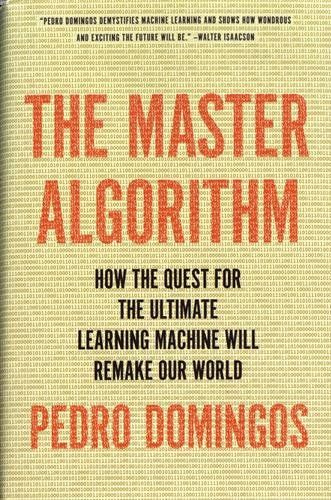
In 'The Master Algorithm', Pedro Domingos unveils a groundbreaking quest to uncover the ultimate algorithm that could master all learning processes. He explores five different schools of machine learning, each representing a unique approach to understanding data and intelligence. The book delves into the implications of finding this master algorithm, with the potential to revolutionize technology and society. Domingos reveals how algorithms are already shaping our world, often in unseen ways. This thought-provoking narrative invites readers to ponder the future of AI and its impact on humanity.
By Pedro Domingos
Published: 2015
"The future is not about who has the best algorithm, but who can harness the power of algorithms to understand and shape the world."

Start Listening to Book Summary
Book Review of The Master Algorithm
"Describes the quest to find the Master Algorithm, which will take machine learning to the next level, allowing computers to learn how to solve not just particular problems but any problem, "--Novelist.
Book Overview of The Master Algorithm
About the Book Author
Pedro Domingos
Pedro Domingos is a prominent computer scientist and professor at the University of Washington, recognized for his influential contributions to the field of machine learning. He is the author of the acclaimed book 'The Master Algorithm,' which explores the convergence of different machine learning approaches and their implications for the future of technology. Domingos is known for his ability to communicate complex ideas in a clear and engaging manner, making his work accessible to both technical and non-technical audiences. His research often intertwines theoretical insights with practical applications, reflecting his belief in the transformative power of algorithms.
Book Details
Key information about the book.
- Authors
- Pedro Domingos
- Published
- September 2015
- Publisher
- N/A
- ISBN
- 0465065708
- Language
- English
- Pages
- 354
- Genres
- Data ScienceArtificial IntelligenceTechnology
Purchase Options
 Buy on Amazon
 Buy via BookShop
Support local bookstores: BookShop gives a portion of each sale to independent bookshops!
Similar books you might like →
Homo Deus Book Summary
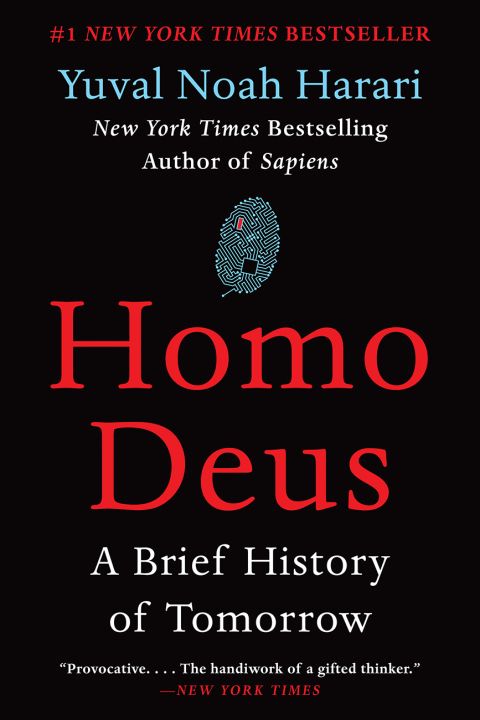
In "Homo Deus: A Brief History of Tomorrow," Yuval Noah Harari explores the future possibilities for humanity as we evolve beyond our current limitations. Delving into themes of artificial intelligence, genetic engineering, and the quest for immortality, he provokes thought about what may come after Homo sapiens. As society increasingly turns to technology for solutions, he questions the implications of our pursuit of happiness and god-like powers. Will we augment our bodies and minds, or lose our humanity in the process? This provocative journey invites readers to ponder the exhilarating—and terrifying—potential of our own evolution.
Introduction To Algorithms Book Summary
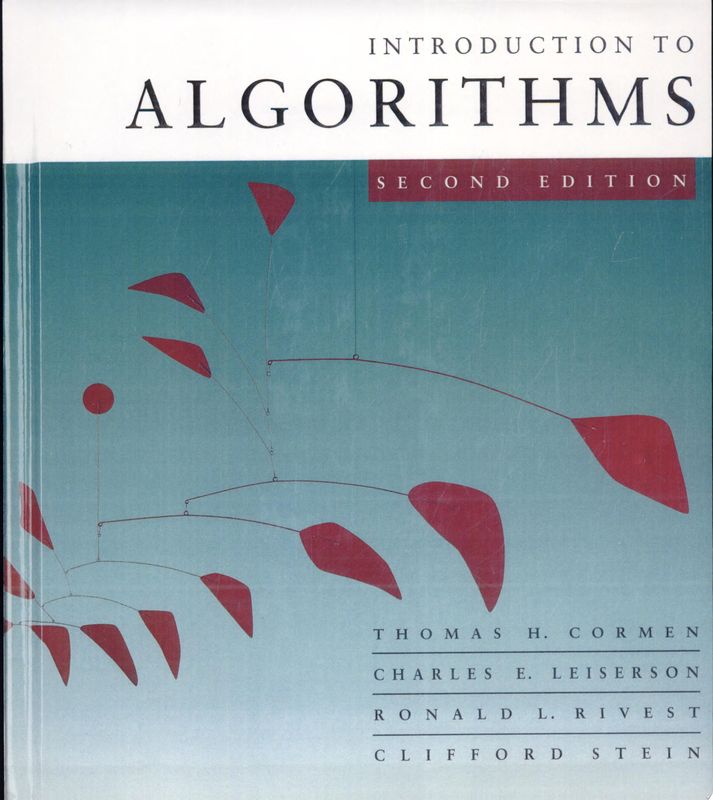
Introduction to Algorithms is a definitive guide that demystifies the art of algorithm design and analysis. Packed with clear explanations and illustrative examples, it reveals the underlying principles that drive computer science. Each chapter transforms complex topics into digestible insights, making it suitable for both novices and seasoned programmers. From sorting algorithms to graph theory, the book elucidates how these concepts shape our digital world. Dive in and discover how mastering algorithms can unlock solutions to some of the most challenging problems in technology today!
Superintelligence Book Summary
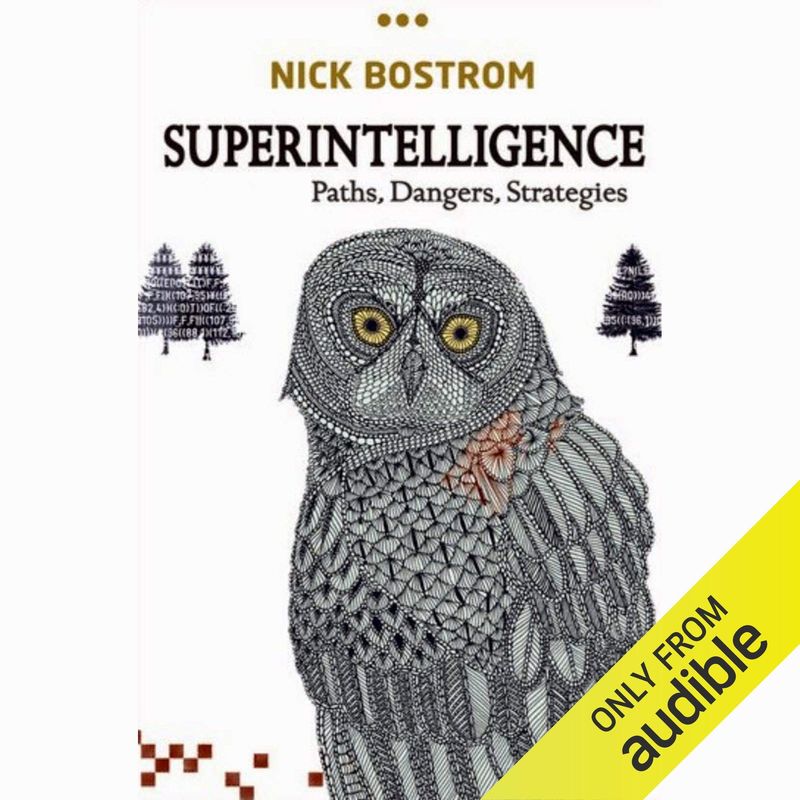
In 'Superintelligence', Nick Bostrom explores the future of artificial intelligence and its potential to surpass human intelligence. He delves into the profound implications this could have for humanity's survival and progress. With a blend of philosophical inquiry and rigorous analysis, Bostrom warns of the unforeseen risks associated with creating superintelligent machines. His thought-provoking arguments challenge readers to consider the ethical responsibilities that come with technological advancement. Will we be the masters of our own creations or their unwitting victims?
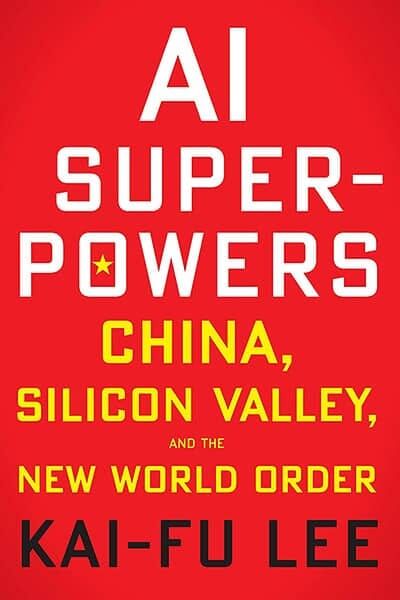
AI Superpowers Book Summary
In 'AI Superpowers', Kai-Fu Lee explores the breathtaking rise of artificial intelligence and its transformative impact on the global economy. He compares the leading AI developments in the United States and China, revealing a fierce competition that reshapes the future. Lee draws on his extensive experience in the tech industry to discuss the ethical implications and the potential for job displacement. As he presents a compelling vision of a world where AI can augment human capabilities, he challenges us to rethink our roles in an AI-driven era. With a blend of optimism and caution, this book is a must-read for anyone looking to understand the next technological revolution.
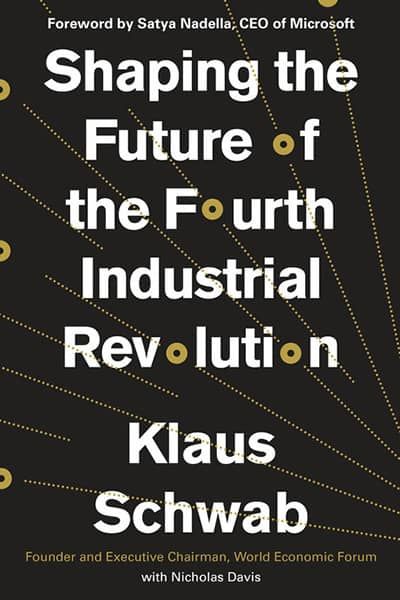
Shaping the Future of the Fourth Industrial Revolution Book Summary
In 'Shaping the Future of the Fourth Industrial Revolution', Klaus Schwab and Nicholas Davis explore the transformative impact of emerging technologies on society, economy, and governance. They argue that as we stand on the brink of this revolution, it is essential to consider the ethical implications of our innovations. The authors pose thought-provoking questions about equality, privacy, and the future of work, urging readers to take an active role in shaping this future. Drawing on real-world examples, they reveal how collaboration between leaders, businesses, and citizens can harness the power of technology for the greater good. Prepare to rethink progress and envision a world that prioritizes human values amidst rapid technological changes.
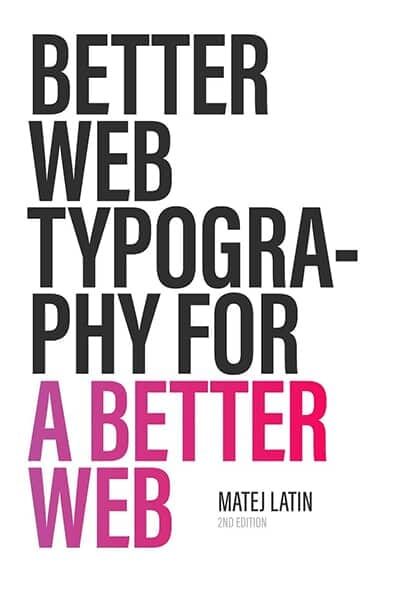
Better Web Typography for a Better Web Book Summary
In 'Better Web Typography for a Better Web,' Matej Latin unveils the transformative power of typography in web design. He delves into the principles of effective type, demonstrating how thoughtful choices can enhance user experience and engagement. The book is packed with practical tips and real-world examples to help designers craft visually stunning and readable websites. Latin's insights challenge conventional norms, urging readers to rethink their approach to typography. This essential guide equips both aspiring and seasoned designers with the tools to elevate their craft and create a more beautiful web.
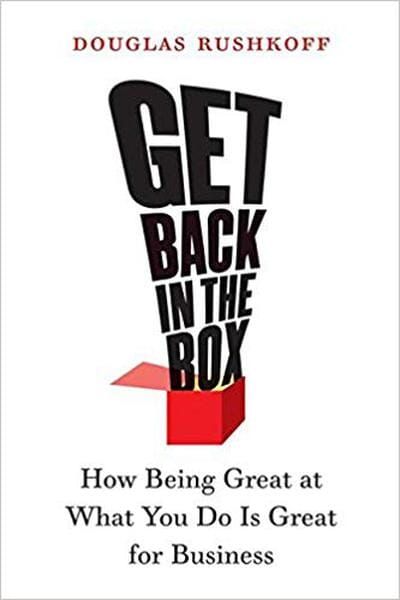
Get Back in the Box Book Summary
In 'Get Back in the Box', Douglas Rushkoff challenges the relentless embrace of technology in our lives, urging us to reconnect with the tangible world. He explores the idea that true innovation originates not from flashy gadgets, but from understanding and enhancing our existing systems. Rushkoff uses vivid anecdotes and sharp insights to illustrate how businesses and individuals can find deeper fulfillment by focusing on the core values that matter. This thought-provoking journey prompts readers to reconsider their relationship with technology and its role in their lives. Are you ready to step back, reflect, and rediscover what's truly essential?
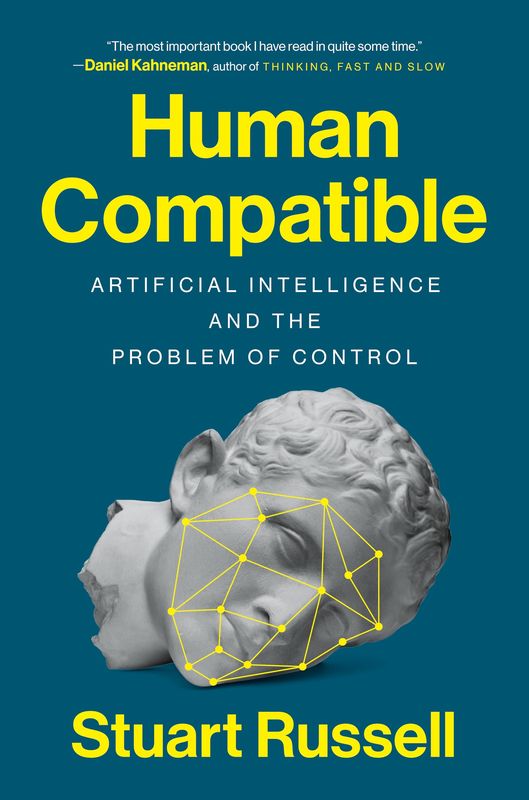
Human Compatible Book Summary
In 'Human Compatible', Stuart Russell explores the future of artificial intelligence and its intersection with humanity. He delves into the potential risks AI poses if misaligned with human values and offers innovative frameworks for designing safe AI systems. The book challenges readers to question the very essence of intelligence and what it means to create machines that can enhance our lives. As we stand on the brink of a technological revolution, Russell illuminates the ethical dilemmas we must confront. Will we succeed in ensuring that AI serves humanity rather than threatens it?
Showing 8 of 29 similar books
Take your reading experience to the next level
Download our mobile app to enjoy your favorite books on the go. Get access to exclusive features, offline listening, and personalized recommendations.

Similar Book Recommendations →

Bret Victor's Book Recommendations
Bret Victor is a renowned American interface designer and computer scientist celebrated for his innovative contributions to interactive design and human-computer interaction. He is best known for creating dynamic, explorable explanations, which have significantly influenced the way educational content is presented and understood. Victor's seminal work, "Inventing on Principle," advocates for the integration of immediate feedback in creative processes, inspiring a new wave of interactive programming environments. As a former member of the Apple Human Interface team, he played a pivotal role in shaping modern user interfaces. Through his organization, Dynamicland, Victor continues to explore and expand the boundaries of immersive, collaborative computing environments.
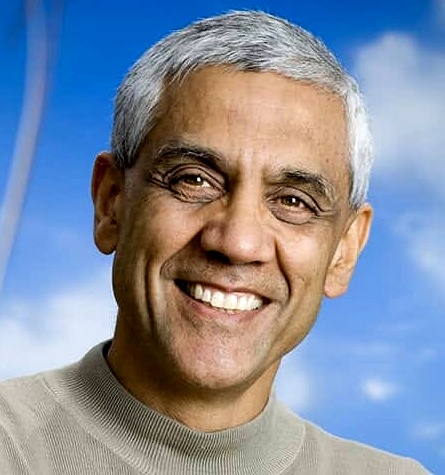
Vinod Khosla's Book Recommendations
Vinod Khosla is an Indian-American venture capitalist and co-founder of Sun Microsystems, one of the companies that helped drive the development of the internet. Khosla is the founder of Khosla Ventures, a venture capital firm that focuses on early-stage investments in technology and energy. He is known for his bold approach to investing, often backing companies working on breakthrough technologies in areas like renewable energy, healthcare, and artificial intelligence. Khosla is a vocal advocate for using technology to solve some of the world’s biggest problems. His visionary approach to investing has made him one of the most influential figures in Silicon Valley.
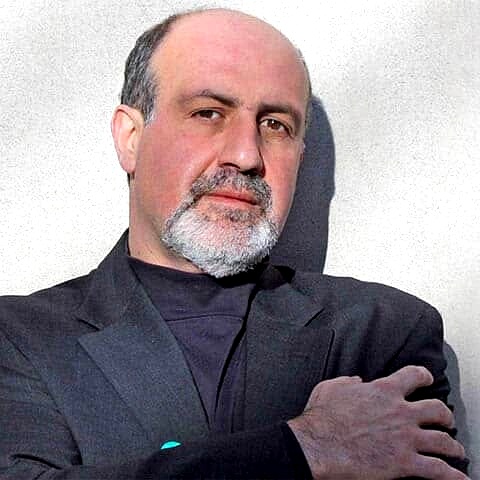
Nassim Nicholas Taleb's Book Recommendations
Nassim Nicholas Taleb is a Lebanese-American author, scholar, and risk analyst, best known for his work on uncertainty, probability, and risk. His books, including The Black Swan and Antifragile, explore how rare and unpredictable events shape the world and how individuals and systems can become more resilient to shocks. Taleb’s insights on risk management have influenced fields ranging from finance to medicine, and he is known for his outspoken criticism of conventional wisdom. His ideas about randomness, decision-making, and the limitations of human knowledge have made him a leading thinker in modern economics and philosophy.

Brad Feld's Book Recommendations
Brad Feld is a prominent American entrepreneur, venture capitalist, and author known for his influential work in the startup ecosystem. Co-founder of the Foundry Group, he has played a pivotal role in funding and mentoring early-stage technology companies. Feld is also a key figure behind the Techstars accelerator program, which has helped launch numerous successful startups. As an author, he has penned several essential books on entrepreneurship and venture capital, including "Venture Deals" and "Startup Communities," which provide invaluable insights for aspiring entrepreneurs and investors. His writings and active blogging have cemented his reputation as a thought leader in the tech and startup communities.

Jeff Bezos's Book Recommendations
Jeff Bezos is the founder and former CEO of Amazon, the world’s largest online retailer, fundamentally transforming global commerce. Under his leadership, Amazon diversified into cloud computing with Amazon Web Services, revolutionizing the tech industry. Bezos also owns The Washington Post, revitalizing the historic newspaper with significant investments in digital journalism. His ventures into space exploration through Blue Origin aim to make space travel more accessible. Beyond his entrepreneurial success, Bezos has contributed to literature with his 2020 book, "Invent and Wander," which compiles his writings and speeches on innovation and leadership.

Anna Cheng's Book Recommendations
Anna Cheng is a celebrated contemporary novelist known for her evocative prose and richly drawn characters. Her debut novel, "Whispers of the Ancients," garnered critical acclaim, securing a spot on the New York Times Bestseller list and earning her the Man Booker Prize. Cheng's subsequent works consistently explore themes of heritage, identity, and the immigrant experience, resonating with a global audience. She is also a recipient of the PEN/Faulkner Award, recognizing her contributions to American fiction. Beyond her literary pursuits, Cheng actively mentors emerging writers and participates in numerous literary festivals worldwide.

Daniel Petre's Book Recommendations
Daniel Petre is a distinguished Australian entrepreneur, author, and philanthropist known for his impactful contributions to the business and literary worlds. He co-founded the venture capital firm AirTree Ventures, which has significantly influenced the technology startup ecosystem in Australia. Petre has authored several influential books on technology and leadership, including "The Clever Country?" and "Father Time," which explore themes of innovation and work-life balance. His writing often reflects his deep commitment to shaping a forward-thinking, inclusive society. Beyond his literary and business endeavors, Petre is also recognized for his substantial philanthropic efforts, particularly in education and healthcare.

Cleo Abram's Book Recommendations
Cleo Abram is a distinguished journalist and content creator known for her incisive storytelling and engaging multimedia presentations. She gained widespread recognition as a producer and host for Vox's acclaimed series, "Glad You Asked," where she explored complex topics with clarity and depth. Abram's work often intersects with technology and culture, making intricate subjects accessible to a broad audience. In addition to her journalistic endeavors, she has contributed thought-provoking essays and articles to various esteemed publications. Her innovative approach to storytelling continues to influence and inspire both readers and aspiring journalists.
Showing 8 of 16 related collections
“The future is not about who has the best algorithm, but who can harness the power of algorithms to understand and shape the world.”
The Master Algorithm
By Pedro Domingos
Frequently Asked Questions
Explore Our Catalogue
Discover a world of knowledge through our extensive collection of book summaries.
Genres
Genres
Genres
Featured Collections
- Top Book Club Picks
- One-Stop Nutrition
- Summer Reads 2024
- Best Beach Reads 2024
- Work-Life Balance Guide
- Time Management
- Healthy Foods
- Entrepreneur Toolkit
- Mind & Body Wellness
- Future Tech Insights
- Leadership Essentials
- Financial Freedom
- Sci-Fi Masterpieces
- Parenting 101
- Books That Became Blockbusters
- Guide to a Healthy Pregnancy