The Mystery of Capital Book Summary
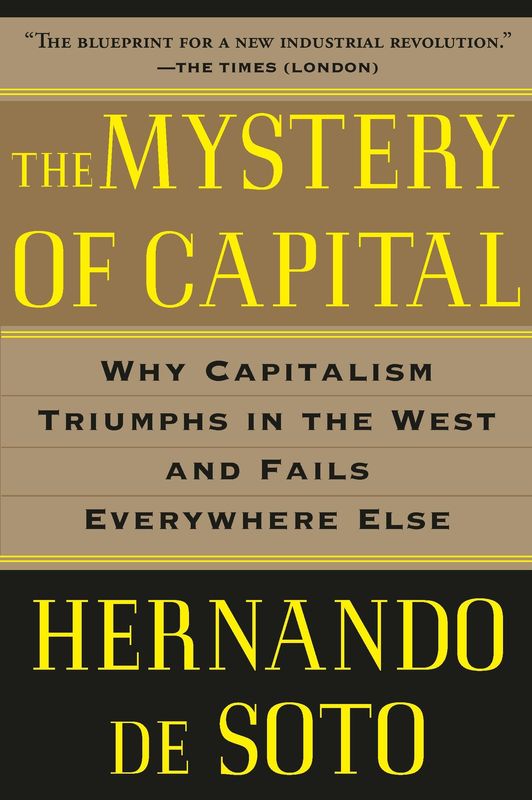
In 'The Mystery of Capital', Hernando De Soto explores the paradox of capitalism in developing countries, where wealth is often hidden away, stifling economic growth. He argues that the lack of proper property rights keeps millions from accessing capital, leaving their assets untapped and their potential unrealized. De Soto reveals how formalizing property ownership could unlock vast economic opportunities, transforming lives and communities. His thought-provoking analysis challenges readers to rethink what constitutes wealth and how it can be harnessed. Discover how understanding the mystery of capital could lead to revolutionary economic change.
By Hernando De Soto
Published: 2000
""Capital is not just assets; it is the invisible networks of rights, the legal frameworks, and the social contracts that ultimately give it value and power.""

Start Listening to Book Summary
Book Review of The Mystery of Capital
In the West we've forgotten that creating this system is also what allowed people everywhere to leverage property into wealth.
Book Overview of The Mystery of Capital
About the Book Author
Hernando De Soto
Hernando De Soto was a Spanish explorer and conquistador known for his expeditions in the Americas during the early 16th century. He is best recognized for his exploration of the southeastern United States, including parts of present-day Florida, Georgia, Alabama, Mississippi, and Arkansas. De Soto’s notable works include "The Narrative of the Expedition of Hernando de Soto", which chronicles his journey through the uncharted territories of North America in search of gold and glory. His writing is characterized by detailed observations of the indigenous peoples and landscapes he encountered, reflecting a blend of adventure, ethnographic detail, and the ethos of exploration prevalent during the Age of Discovery. De Soto's legacy is marked by both his significant contributions to the exploration of the New World and the complex impacts of his expeditions on Native American societies.
Book Details
Key information about the book.
- Authors
- Hernando De Soto
- Published
- January 2000
- Publisher
- N/A
- ISBN
- 0465016154
- Language
- English
- Pages
- 292
- Genres
- Global EconomicsBusiness and Economics
Purchase Options
 Buy on Amazon
 Buy via BookShop
Support local bookstores: BookShop gives a portion of each sale to independent bookshops!
Similar books you might like →
The Rise and Fall of American Growth Book Summary
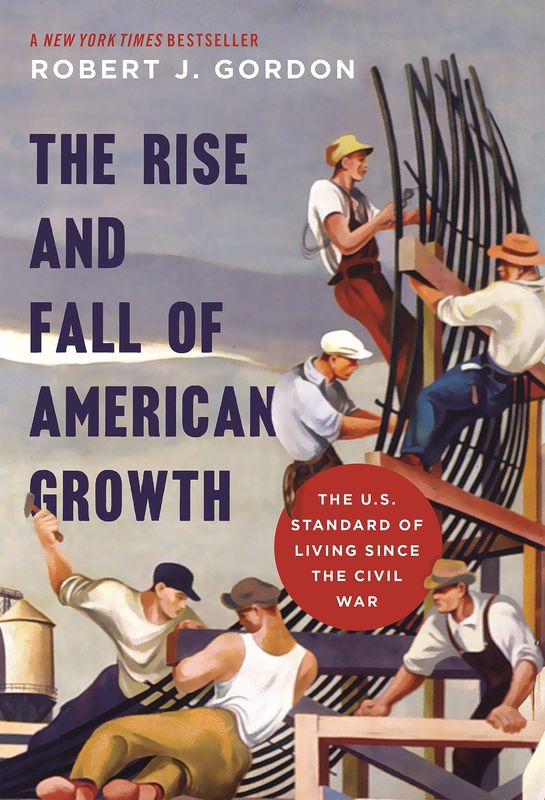
In 'The Rise and Fall of American Growth', economist Robert J. Gordon explores the transformative economic changes in the United States from the Civil War to the present day. He argues that the unprecedented growth in productivity and living standards during the early 20th century was a unique historical event that has now waned. As technological advances slow and inequality rises, Gordon challenges the optimistic narrative of perpetual progress. With a keen examination of historical data and cultural shifts, he raises questions about America’s future economic trajectory. This thought-provoking analysis invites readers to reconsider the sustainability of growth in an increasingly complex world.
The Great Convergence Book Summary
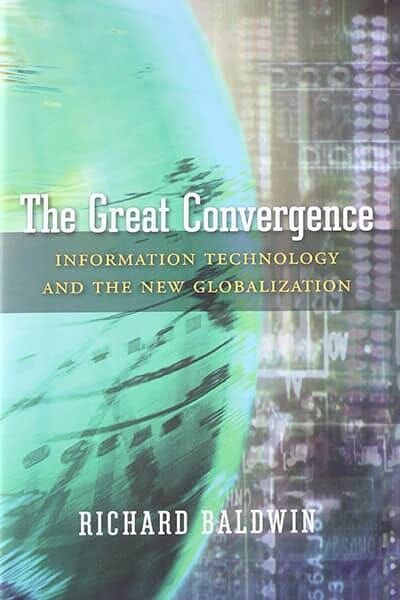
In 'The Great Convergence,' Richard Baldwin takes readers on a compelling journey through the forces shaping our global economy, emphasizing the revolutionary impact of digital technology. He argues that the convergence of production and consumption is redefining international borders and reshaping global trade. As we become more interconnected than ever, Baldwin raises critical questions about the future of jobs and economic disparity. Will the merging of markets lead to prosperity, or will it deepen existing divides? A thought-provoking exploration that challenges conventional wisdom and invites readers to rethink the implications of our rapidly changing world.

The Wealth of Nations Book Summary
In 'The Wealth of Nations', Adam Smith unveils the intricate dynamics of economics and its impact on society. He argues that free markets, driven by individual self-interest, can lead to unprecedented prosperity. Smith introduces the concept of the 'invisible hand,' suggesting that personal ambitions can benefit the collective good. This groundbreaking work lays the foundation for modern economics, challenging prevailing mercantilist ideas. Dive into Smith's insights to uncover how economic forces shape our world and influence our everyday lives.


The Fish That Ate the Whale Book Summary
Dive into the extraordinary true story of Sam Zemurray, the unlikely entrepreneur who took on the banana industry. 'The Fish That Ate the Whale' chronicles his rise from humble beginnings to becoming a titan of the trade, using cunning and a fierce determination. Rich Cohen paints a vivid portrait of a man who challenged powerful companies while navigating the heart of Central America. With an eye for adventure and a flair for the dramatic, this book reveals the complexities of capitalism and imperialism along with Zemurray's relentless spirit. Prepare to be captivated by a tale of ambition, risk, and the relentless pursuit of the American dream.
Principles for Dealing with the Changing World Order Book Summary
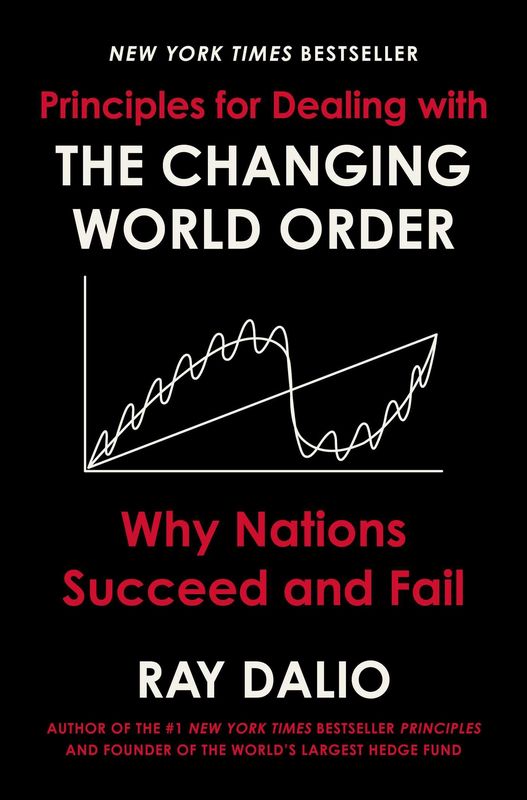
In 'Principles for Dealing with the Changing World Order', Ray Dalio reveals the intricate patterns governing global shifts and power dynamics. Drawing on historical precedents and economic principles, he uncovers the cyclical nature of empires and their eventual decline. Dalio emphasizes the importance of understanding these principles to navigate the complexities of today's fast-evolving world. With a mix of personal anecdotes and rigorous analysis, he equips readers with tools to adapt and thrive amidst uncertainty. This thought-provoking exploration invites you to reconsider what the future may hold and how to prepare for it.

More from Less Book Summary
In 'More from Less,' Andrew McAfee explores the paradox of how we can achieve greater prosperity while using fewer resources. He delves into the groundbreaking changes brought by technology that allow for sustainable growth and efficiency. Through compelling case studies and data-driven insights, McAfee challenges the notion of scarcity and presents a hopeful vision for the future. This book invites readers to rethink their assumptions about consumption and innovation. Can we truly do more with less, or is it just an illusion?
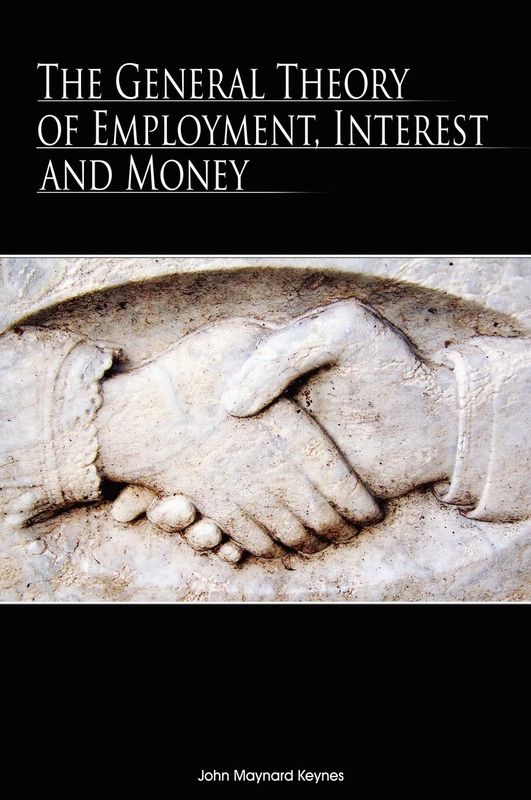
The General Theory of Employment, Interest and Money Book Summary
In 'The General Theory of Employment, Interest and Money,' John Maynard Keynes challenges the classical economics that dominated before the Great Depression. He introduces revolutionary ideas about how government intervention can stabilize economies and control unemployment. Through compelling arguments, he dissects the causes of economic fluctuations and proposes innovative solutions. Keynes's work not only reshapes the understanding of macroeconomics but also ignites debates that resonate even today. Are his insights the key to unlocking a prosperous economic future or just a theory lost in complexity?
Showing 8 of 30 similar books
Take your reading experience to the next level
Download our mobile app to enjoy your favorite books on the go. Get access to exclusive features, offline listening, and personalized recommendations.

Similar Book Recommendations →

David Heinemeier Hansson's Book Recommendations
David Heinemeier Hansson, also known as DHH, is a Danish programmer, entrepreneur, and author, best known as the creator of Ruby on Rails, a popular web application framework. Heinemeier Hansson is also a partner at Basecamp, a project management and collaboration software company he co-founded. His contributions to software development have earned him widespread recognition, with Ruby on Rails being used by thousands of developers and companies worldwide. Heinemeier Hansson is also a vocal advocate for remote work, simplicity in business, and sustainable work practices, ideas he explores in his bestselling books Rework and It Doesn’t Have to Be Crazy at Work. In addition to his work in tech, he is an accomplished race car driver, having competed in the 24 Hours of Le Mans. Heinemeier Hansson’s approach to work-life balance and entrepreneurship has made him a thought leader in the tech community, where he continues to challenge traditional business practices and advocate for more human-centered approaches to work

Naval Ravikant's Book Recommendations
Naval Ravikant is an entrepreneur, angel investor, and philosopher, best known as the co-founder of AngelList, a platform that connects startups with investors. Ravikant is a prolific thinker and writer on topics such as startups, investing, and personal well-being, sharing his wisdom through essays, podcasts, and social media. He has invested in over 100 companies, including Uber, Twitter, and Yammer, making him one of Silicon Valley’s most successful angel investors. Ravikant is also known for his philosophical musings on wealth, happiness, and the meaning of life, which have garnered him a large and dedicated following.
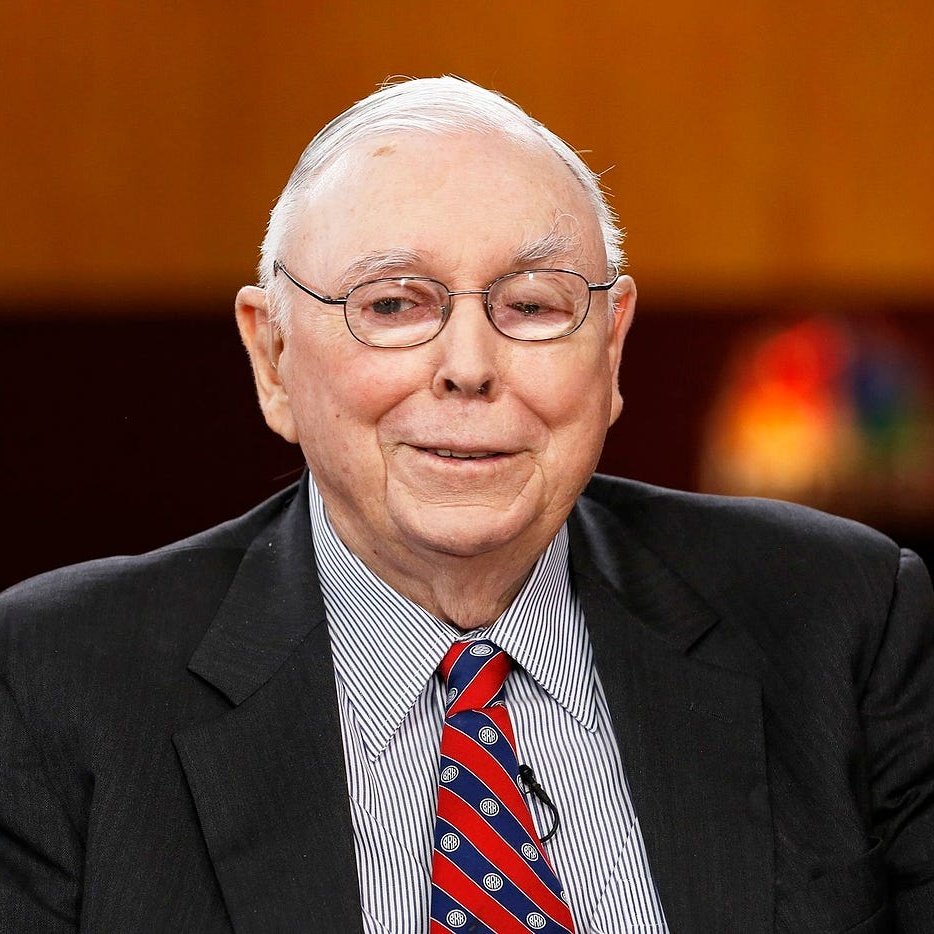
Charlie Munger's Book Recommendations
Charlie Munger is an American investor, businessman, and philanthropist, best known as the vice chairman of Berkshire Hathaway, where he partners with Warren Buffett. Renowned for his insights on investment strategies and mental models, Munger has significantly influenced the world of finance. His notable literary contributions include "Poor Charlie's Almanack," a compilation of his speeches and writings that distill his wisdom on decision-making and business principles. Munger's work emphasizes the importance of multidisciplinary thinking and continuous learning. Beyond his financial acumen, he is celebrated for his charitable efforts, particularly in education and healthcare.

Ray Dalio's Book Recommendations
Ray Dalio is the founder of Bridgewater Associates, one of the largest and most successful hedge funds in the world. He is also the author of the bestselling book Principles, where he outlines his philosophy on life, leadership, and investing. Ray is renowned for his unique approach to transparency, radical truth, and thoughtful disagreement within organizations. His insights into economics and investing have made him one of the most influential figures in the financial world. Dalio continues to be a thought leader in business, economics, and philanthropy.

Ana Fabrega's Book Recommendations
Ana Lorena Fabrega is an innovative educator and author passionate about reimagining education. Known as “Ms. Fab,” she is the Chief Evangelist at Synthesis, an education startup inspired by the problem-solving and collaboration model used at SpaceX. She advocates for alternative learning methods, encouraging curiosity and creativity in students. Ana's work emphasizes the importance of engaging young learners in real-world challenges and critical thinking. She also shares insights on education reform through her popular newsletter, Fab Fridays.

Ben Shapiro's Book Recommendations
Ben Shapiro is an American conservative political commentator, author, and lawyer, known for his sharp analytical skills and outspoken views. He graduated from UCLA at the age of 20 and Harvard Law School at 23, demonstrating his early intellectual prowess. Shapiro is the author of several best-selling books including "Bullies: How the Left's Culture of Fear and Intimidation Silences Americans" and "The Right Side of History: How Reason and Moral Purpose Made the West Great." He is the co-founder and editor emeritus of The Daily Wire, a popular conservative news and opinion website. Through his writing and media presence, Shapiro has significantly influenced contemporary political discourse in the United States.

Barack Obama's Book Recommendations
Barack Obama is the 44th President of the United States, serving from 2009 to 2017. As the first African American president, Obama’s leadership marked a historic moment in American history. His administration focused on healthcare reform, economic recovery from the Great Recession, and environmental policies. He is best known for the Affordable Care Act, as well as his efforts to expand civil rights and restore diplomatic relations with Cuba. Since leaving office, Obama has continued to engage in public life through his foundation, focusing on leadership development, civic engagement, and global issues.

Ann Handley's Book Recommendations
Ann Handley is a renowned digital marketing pioneer and a Wall Street Journal bestselling author. She is the author of "Everybody Writes," a seminal guide on creating compelling content, and co-author of "Content Rules," which outlines effective content marketing strategies. As the Chief Content Officer at MarketingProfs, she has significantly influenced modern marketing practices. Handley is also a highly sought-after keynote speaker, known for her insights on digital content and marketing trends. Her work has empowered countless marketers to elevate their content creation and strategy efforts.
Showing 8 of 18 related collections
“"Capital is not just assets; it is the invisible networks of rights, the legal frameworks, and the social contracts that ultimately give it value and power."”
The Mystery of Capital
By Hernando De Soto
Frequently Asked Questions
Explore Our Catalogue
Discover a world of knowledge through our extensive collection of book summaries.
Genres
Genres
Genres
Featured Collections
- Top Book Club Picks
- One-Stop Nutrition
- Summer Reads 2024
- Best Beach Reads 2024
- Work-Life Balance Guide
- Time Management
- Healthy Foods
- Entrepreneur Toolkit
- Mind & Body Wellness
- Future Tech Insights
- Leadership Essentials
- Financial Freedom
- Sci-Fi Masterpieces
- Parenting 101
- Books That Became Blockbusters
- Guide to a Healthy Pregnancy