The Nature of Mathematical Modeling Book Summary
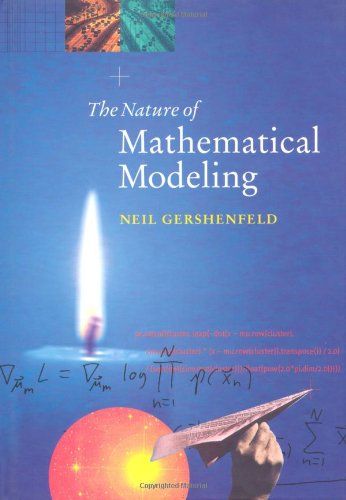
In 'The Nature of Mathematical Modeling', Neil A. Gershenfeld explores the intertwining of mathematics and real-world phenomena. He unveils how mathematical models serve as powerful tools for understanding and predicting complex systems in various fields. Through captivating examples, Gershenfeld illustrates the dynamic process of modeling—from conception to execution. Readers are invited to ponder the implications of these models on technology, science, and everyday life. This thought-provoking journey tempts readers to reconsider the way they view both math and the world around them.
By Neil A. Gershenfeld
Published: 1999
"Mathematics is not just a tool for describing the universe; it is a language through which we interpret the very fabric of reality itself."

Start Listening to Book Summary
Book Review of The Nature of Mathematical Modeling
This is a book about the nature of mathematical modeling, and about the kinds of techniques that are useful for modeling. The text is in four sections. The first covers exact and approximate analytical techniques; the second, numerical methods; the third, model inference based on observations; and the last, the special role of time in modeling. Each of the topics in the book would be the worthy subject of a dedicated text, but only by presenting the material in this way is it possible to make so much material accessible to so many people. Each chapter presents a concise summary of the core results in an area. The text is complemented by extensive worked problems.
Book Overview of The Nature of Mathematical Modeling
About the Book Author
Neil A. Gershenfeld
Neil A. Gershenfeld is a renowned physicist, author, and educator best known for his work in the field of digital fabrication and the intersection of technology and the arts. He is the director of the MIT Center for Bits and Atoms, where he explores the integration of physical and digital making. Gershenfeld's notable works include "Fab: The Coming Revolution on Your Desktop—From Personal Computers to Personal Fabrication," which highlights the future of digital fabrication, and "How to Make Almost Anything: The Digital Fabrication Revolution," which delves into the DIY culture of creating with technology. His writing style is characterized by its accessibility and engaging narrative, making complex scientific concepts understandable to a broad audience. Gershenfeld's contributions extend beyond academia, as he advocates for the democratization of technology, empowering individuals to innovate and create.
Book Details
Key information about the book.
- Authors
- Neil A. Gershenfeld
- Published
- January 1999
- Publisher
- Cambridge University Press
- ISBN
- 0521570956
- Language
- English
- Pages
- 268
- Genres
- Science and NatureScientific DiscoveriesTechnologyEmerging Technologies
Purchase Options
 Buy on Amazon
 Buy via BookShop
Support local bookstores: BookShop gives a portion of each sale to independent bookshops!
Similar books you might like →
Digital Minimalism Book Summary
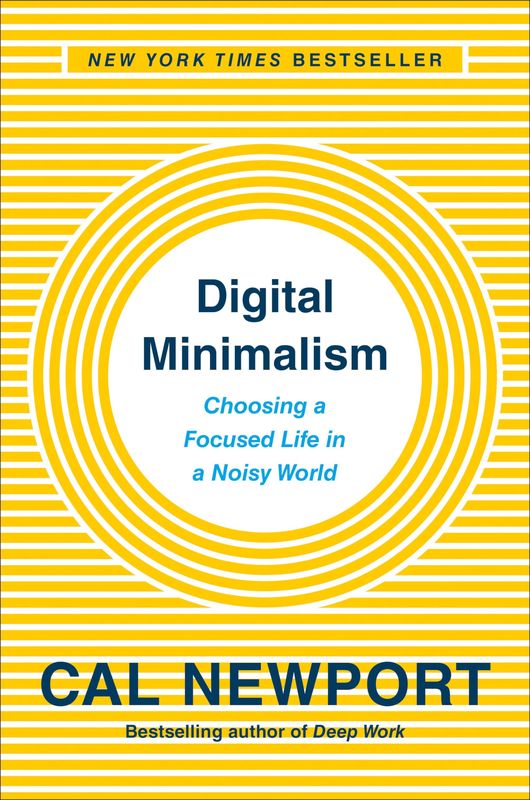
In 'Digital Minimalism', Cal Newport challenges our relationship with technology, advocating for a mindful approach to digital consumption. He presents a philosophy that emphasizes focusing on what truly matters in our lives by decluttering our digital spaces. Through compelling anecdotes and research, Newport unveils the hidden costs of excessive screen time, encouraging readers to reclaim their attention and leisure. This transformative book offers practical strategies for prioritizing meaningful interactions and passions over distractions. Are you ready to disconnect to reconnect with what truly enriches your life?
The Singularity Is Near Book Summary
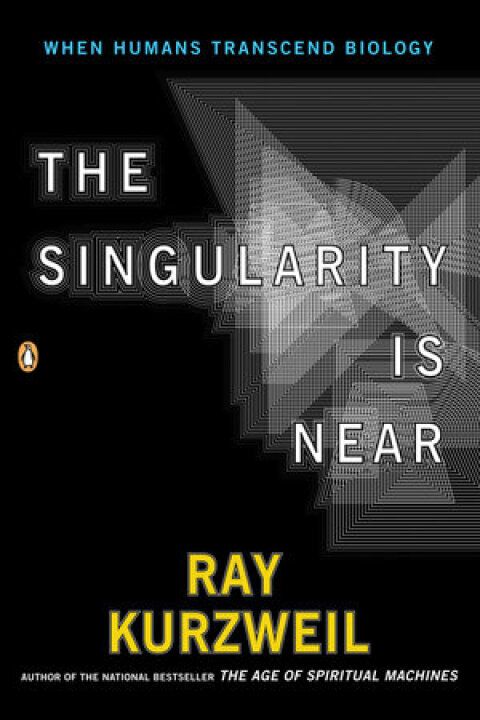
In "The Singularity Is Near," futurist Ray Kurzweil examines the transformative convergence of technology and biology, predicting a pivotal moment when artificial intelligence surpasses human intelligence. He explores the implications of exponentially accelerating advancements, from nanotechnology to genetic engineering, and their potential to reshape humanity. As Kurzweil articulates the challenges and opportunities posed by this evolution, he paints a provocative picture of a future where humans and machines merge. Could we soon transcend our biological limitations? Venture into this thought-provoking narrative that questions the very essence of what it means to be human amidst the rise of the machines.

Nineteen Eighty-four Book Summary
No summary available
Technopoly Book Summary
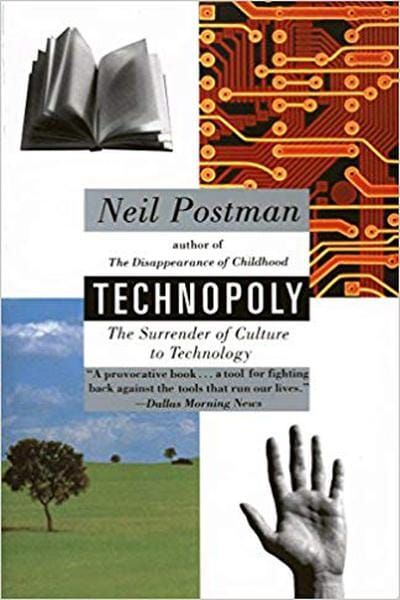
In 'Technopoly,' Neil Postman explores the complex relationship between technology and culture, arguing that society's obsession with technology can lead to a dangerous loss of critical thought and human values. He illustrates how technological advancements can dominate cultural discourse, making other perspectives obsolete. Postman warns that as we become increasingly reliant on technology, we risk losing essential skills like reasoning and communication. With a keen eye for the implications of technological dominance, he urges readers to reflect on the values that should guide technological progress. This provocative examination challenges us to consider whether we are the masters of our creations or merely servants to them.
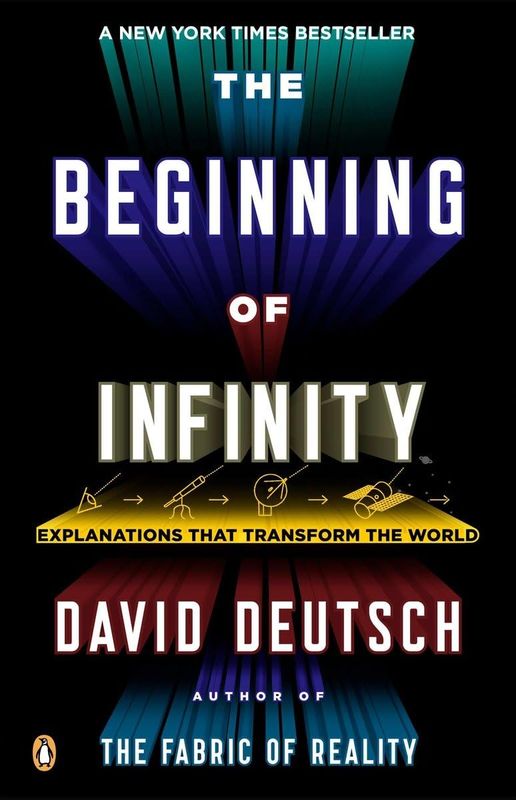
The Beginning of Infinity Book Summary
In 'The Beginning of Infinity', David Deutsch challenges our understanding of knowledge and the universe, proposing that all problems are solvable with the right approach. He delves into the philosophy of science, technology, and human progress, suggesting that the pursuit of knowledge is a never-ending journey. Deutsch argues that explanations, rather than mere observations, are the key to comprehending reality. With provocative insights, he explores the implications of infinite possibilities and the potential of human creativity. This thought-provoking read ignites curiosity about the boundless nature of discovery and the future of humanity.
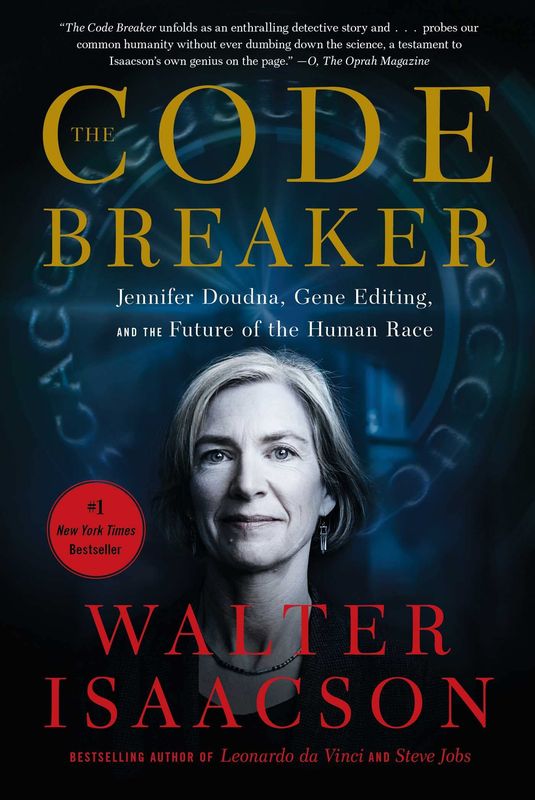
The Code Breaker Book Summary
In 'The Code Breaker', Walter Isaacson delves into the captivating world of CRISPR gene-editing technology, following the brilliant mind of Jennifer Doudna. This gripping narrative explores the ethical dilemmas and scientific breakthroughs that come with harnessing the power to edit life itself. As researchers grapple with the implications of their discoveries, readers are invited into a fast-paced journey that intertwines science, ambition, and morality. With vivid stories of personal triumphs and challenges, Isaacson raises profound questions about the future of humanity. Will unlocking the secrets of our DNA lead to a utopia or unforeseen consequences?
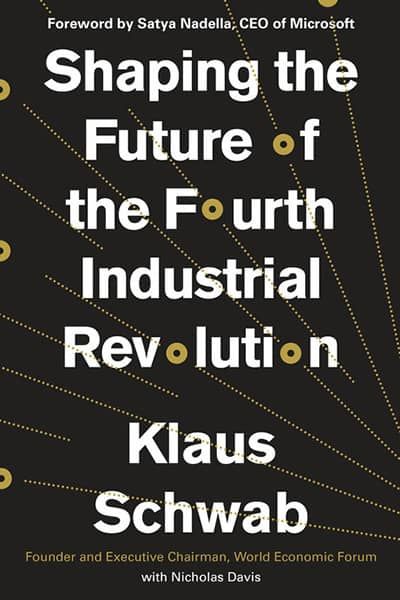
Shaping the Future of the Fourth Industrial Revolution Book Summary
In 'Shaping the Future of the Fourth Industrial Revolution', Klaus Schwab and Nicholas Davis explore the transformative impact of emerging technologies on society, economy, and governance. They argue that as we stand on the brink of this revolution, it is essential to consider the ethical implications of our innovations. The authors pose thought-provoking questions about equality, privacy, and the future of work, urging readers to take an active role in shaping this future. Drawing on real-world examples, they reveal how collaboration between leaders, businesses, and citizens can harness the power of technology for the greater good. Prepare to rethink progress and envision a world that prioritizes human values amidst rapid technological changes.
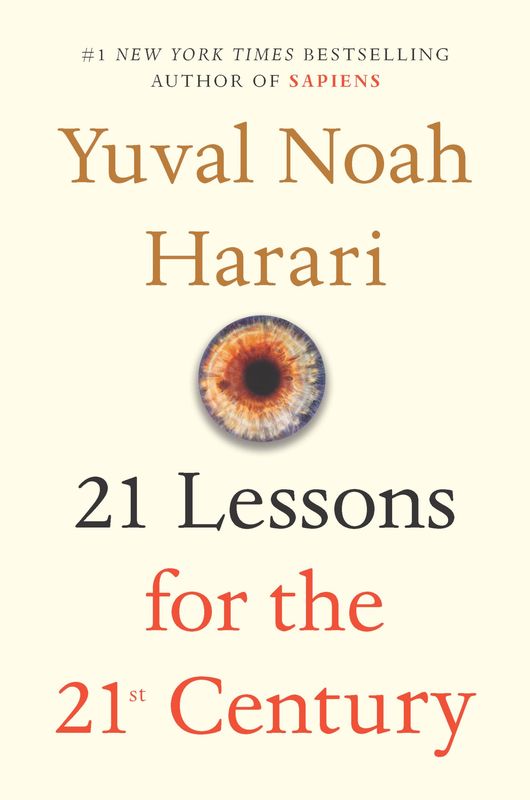
21 Lessons for the 21st Century Book Summary
In '21 Lessons for the 21st Century', Yuval Noah Harari navigates the complex landscape of today's world, tackling urgent questions about our future. From the impact of technology on society to the challenges of political stability, each lesson provokes thought and introspection. Harari explores key themes such as the rise of artificial intelligence, the significance of data, and the importance of meaning in an increasingly uncertain world. With a blend of history, philosophy, and science, the book invites readers to reflect on their roles in shaping a shared future. Will we adapt, or become obsolete? Dive in to uncover the lessons that could redefine humanity's path.
Showing 8 of 28 similar books
Take your reading experience to the next level
Download our mobile app to enjoy your favorite books on the go. Get access to exclusive features, offline listening, and personalized recommendations.

Similar Book Recommendations →

Lex Fridman's Book Recommendations
Lex Fridman is an artificial intelligence researcher, podcaster, and MIT professor, known for his work in autonomous vehicles, robotics, and deep learning. Fridman has gained widespread popularity through his podcast, Lex Fridman Podcast, where he interviews leading thinkers in science, technology, and philosophy, exploring topics like AI, consciousness, and the future of humanity. His academic work focuses on human-centered AI, aiming to create machines that can better understand and interact with humans. Fridman’s ability to distill complex topics into accessible conversations has earned him a large following, and his podcast is known for its thoughtful, in-depth discussions with some of the brightest minds of our time. He is also an advocate for the responsible development of AI, emphasizing the ethical implications of this rapidly advancing technology. Outside of academia and podcasting, Fridman is a practitioner of jiu-jitsu and frequently speaks about the importance of discipline and continuous learning.

Bret Victor's Book Recommendations
Bret Victor is a renowned American interface designer and computer scientist celebrated for his innovative contributions to interactive design and human-computer interaction. He is best known for creating dynamic, explorable explanations, which have significantly influenced the way educational content is presented and understood. Victor's seminal work, "Inventing on Principle," advocates for the integration of immediate feedback in creative processes, inspiring a new wave of interactive programming environments. As a former member of the Apple Human Interface team, he played a pivotal role in shaping modern user interfaces. Through his organization, Dynamicland, Victor continues to explore and expand the boundaries of immersive, collaborative computing environments.

Charlie Munger's Book Recommendations
Charlie Munger is an American investor, businessman, and philanthropist, best known as the vice chairman of Berkshire Hathaway, where he partners with Warren Buffett. Renowned for his insights on investment strategies and mental models, Munger has significantly influenced the world of finance. His notable literary contributions include "Poor Charlie's Almanack," a compilation of his speeches and writings that distill his wisdom on decision-making and business principles. Munger's work emphasizes the importance of multidisciplinary thinking and continuous learning. Beyond his financial acumen, he is celebrated for his charitable efforts, particularly in education and healthcare.
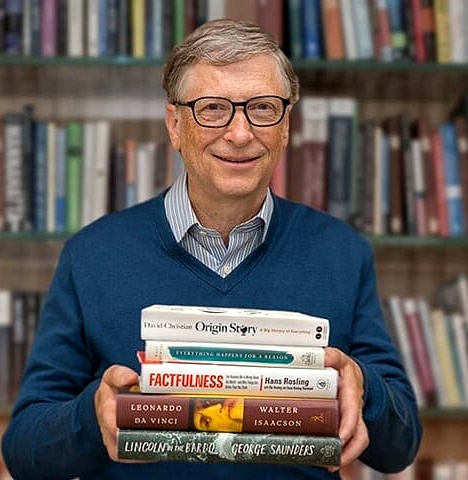
Bill Gates's Book Recommendations
Bill Gates, co-founder of Microsoft Corporation, is a pioneering figure in the tech industry, having played a key role in the personal computer revolution. His work at Microsoft, particularly the development of Windows, transformed software and computing globally. Beyond his technology contributions, Gates is also a prolific author, with notable works such as "The Road Ahead" and "Business @ the Speed of Thought," which offer insights into the future of technology and business. Additionally, his philanthropic efforts through the Bill & Melinda Gates Foundation have had a profound impact on global health, education, and poverty. Gates continues to influence both technology and literature with his forward-thinking perspectives and innovative ideas.

Brian Armstrong's Book Recommendations
Brian Armstrong is a renowned entrepreneur and author best known for co-founding and leading Coinbase, a major cryptocurrency exchange. His literary contributions include insightful writings on the future of digital currencies and blockchain technology. Armstrong's work has been pivotal in demystifying complex financial systems for a broader audience. Beyond his business acumen, his thought leadership in publications and public speaking engagements has cemented his status as a key voice in the fintech revolution. His dedication to innovation continues to influence the trajectory of global financial systems.
“Mathematics is not just a tool for describing the universe; it is a language through which we interpret the very fabric of reality itself.”
The Nature of Mathematical Modeling
By Neil A. Gershenfeld
Frequently Asked Questions
Explore Our Catalogue
Discover a world of knowledge through our extensive collection of book summaries.
Genres
Genres
Genres
Featured Collections
- Top Book Club Picks
- One-Stop Nutrition
- Summer Reads 2024
- Best Beach Reads 2024
- Work-Life Balance Guide
- Time Management
- Healthy Foods
- Entrepreneur Toolkit
- Mind & Body Wellness
- Future Tech Insights
- Leadership Essentials
- Financial Freedom
- Sci-Fi Masterpieces
- Parenting 101
- Books That Became Blockbusters
- Guide to a Healthy Pregnancy