The Net Delusion Book Summary
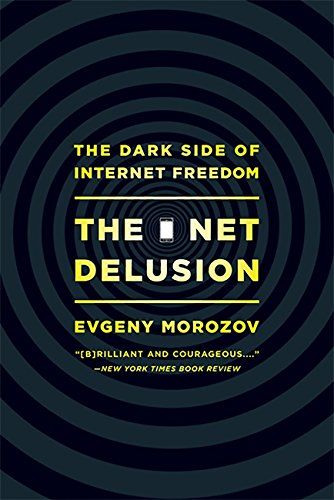
In 'The Net Delusion', Evgeny Morozov challenges the optimistic belief that the internet is an unequivocal force for democracy. He explores how authoritarian regimes can manipulate digital tools to suppress dissent and control information. With compelling examples, Morozov reveals the dark side of the web, prompting readers to reconsider the effectiveness of online activism. As he navigates the complex relationship between technology and politics, he raises crucial questions about freedom and responsibility in the digital age. Will the internet be our savior or a tool of oppression?
By Evgeny Morozov
Published: 2012
"The internet is not a cure-all; it is an amplifier of both our greatest hopes and our darkest impulses."

Start Listening to Book Summary
Book Review of The Net Delusion
Updated with a new Afterword “The revolution will be Twittered!” declared journalist Andrew Sullivan after protests erupted in Iran. But as journalist and social commentator Evgeny Morozov argues in The Net Delusion, the Internet is a tool that both revolutionaries and authoritarian governments can use. For all of the talk in the West about the power of the Internet to democratize societies, regimes in Iran and China are as stable and repressive as ever. Social media sites have been used there to entrench dictators and threaten dissidents, making it harder—not easier—to promote democracy. Marshalling a compelling set of case studies, The Net Delusion shows why the cyber-utopian stance that the Internet is inherently liberating is wrong, and how ambitious and seemingly noble initiatives like the promotion of “Internet freedom” are misguided and, on occasion, harmful.
Book Overview of The Net Delusion
About the Book Author
Evgeny Morozov
Evgeny Morozov is a renowned author, scholar, and thought leader known for his incisive critiques of technology's impact on society and politics. His notable works include 'The Net Delusion: The Dark Side of Internet Freedom,' which challenges the notion that the internet inherently promotes democracy, and 'To Save Everything, Click Here: The Folly of Technological Solutionism,' where he explores the limitations of relying on technology to solve complex social problems. Morozov's writing is characterized by a blend of rigorous research, compelling arguments, and a provocative style that encourages readers to critically examine the promises and pitfalls of digital technology.
Book Details
Key information about the book.
- Authors
- Evgeny Morozov
- Published
- February 2012
- Publisher
- PublicAffairs
- ISBN
- 1610391063
- Language
- English
- Pages
- 448
- Genres
- Social Justice MovementsPolitical PhilosophyTechnologyPolitics and Current Affairs
Purchase Options
 Buy on Amazon
 Buy via BookShop
Support local bookstores: BookShop gives a portion of each sale to independent bookshops!
Similar books you might like →

The Soul of Discipline Book Summary
In "The Soul of Discipline," Dr. Kim John Payne reveals the transformative power of self-discipline not just as a tool for children, but as a profound philosophy for parenting and education. Through compelling stories and practical strategies, he unveils how mindful guidance can lead to deeper connections and a calmer household. Discover the art of balancing freedom and structure, encouraging resilience while nurturing empathy. This book challenges conventional notions of discipline, urging readers to foster inner strength in their children. Are you ready to unlock the secrets to a more harmonious and empowered family life?
Softwar Book Summary
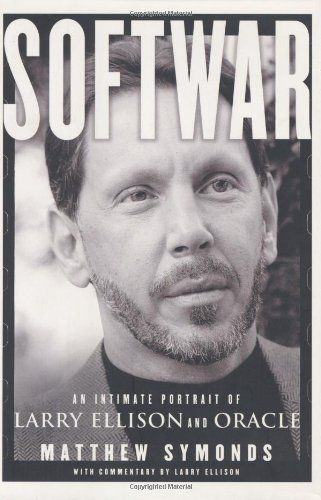
'Softwar' by Matthew Symonds delves into the intricate and often secretive world of software development amidst global geopolitics. As nations harness technology for power, the narrative reveals how software now plays a crucial role in warfare and diplomacy. With insider stories and vivid characters, Symonds illustrates the intersection of cyberspace and the physical world, raising questions about ethics and control. The book challenges readers to consider the implications of a technology-driven future shaped by both innovation and conflict. Will the next conflict be fought not on battlegrounds, but in the software that powers our lives?
Technopoly Book Summary
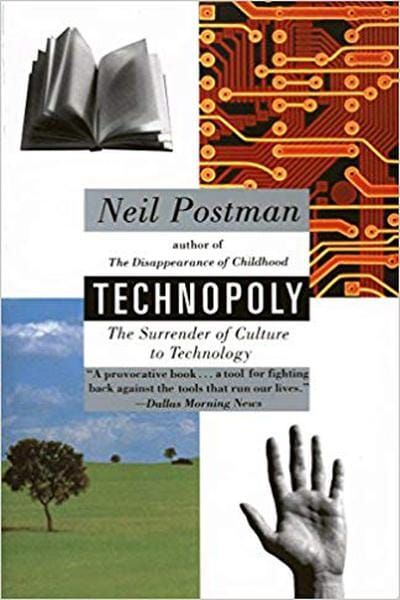
In 'Technopoly,' Neil Postman explores the complex relationship between technology and culture, arguing that society's obsession with technology can lead to a dangerous loss of critical thought and human values. He illustrates how technological advancements can dominate cultural discourse, making other perspectives obsolete. Postman warns that as we become increasingly reliant on technology, we risk losing essential skills like reasoning and communication. With a keen eye for the implications of technological dominance, he urges readers to reflect on the values that should guide technological progress. This provocative examination challenges us to consider whether we are the masters of our creations or merely servants to them.
The Sovereign Individual Book Summary
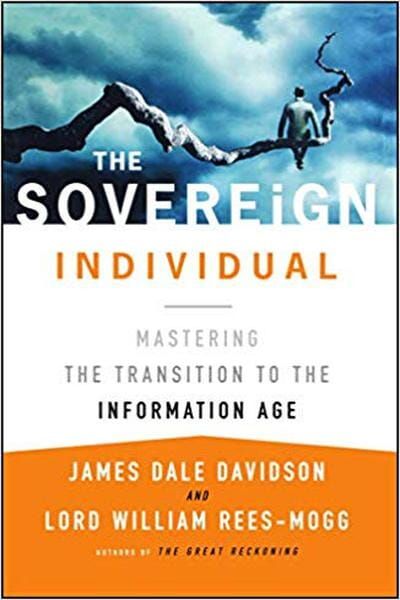
In 'The Sovereign Individual,' Davidson and Rees-Mogg explore the profound transformation of society in the face of digital technology and globalization. They argue that these changes are reshaping the balance of power between individuals and the state, leading to a future where personal sovereignty becomes paramount. As they dissect the implications of these shifts, the authors provoke thought on how one can thrive in a rapidly evolving landscape. With bold predictions and insightful analysis, their work challenges traditional norms and beckons a new era of freedom and opportunity. Are we ready to embrace our own sovereignty in this new world?
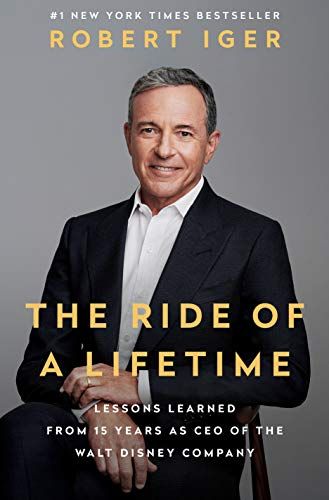
The Ride of a Lifetime Book Summary
In 'The Ride of a Lifetime', Robert Iger, the former CEO of The Walt Disney Company, shares his inspiring journey from a small-town boy to the helm of one of the world's most iconic brands. Iger details the bold decisions and visionary strategies that transformed Disney, including the acquisition of Pixar, Marvel, and Lucasfilm. His candid reflections on leadership, creativity, and the art of storytelling reveal the secrets behind Disney's unprecedented success. As Iger navigates through challenges and triumphs, he invites readers to understand the importance of resilience and innovation in a rapidly changing world. This memoir is not just a recount of corporate achievements; it's a thrilling exploration of dreams realized and the enduring magic of imagination.
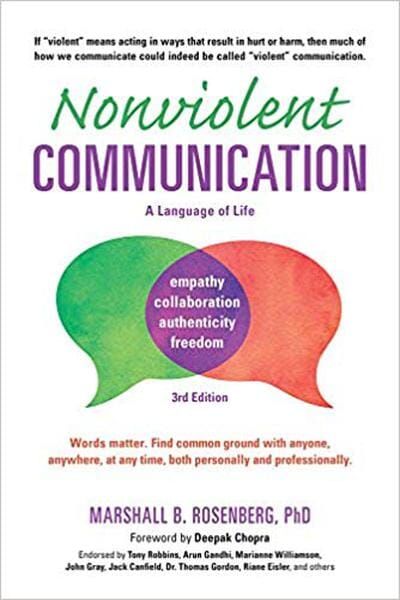
Nonviolent Communication Book Summary
In 'Nonviolent Communication,' Marshall B. Rosenberg unveils a transformative approach to communication that fosters empathy and connection. He illustrates how breaking down barriers in dialogue can lead to understanding and compassion, rather than conflict. This book guides readers to express their needs authentically and listen deeply to others, cultivating healthier relationships. With real-life examples and practical strategies, Rosenberg's teachings empower individuals to navigate challenging conversations with grace. Discover the power of words to heal and unite in this enlightening exploration of human connection.

Code Book Summary
In 'Code', Charles Petzold takes readers on a captivating journey through the world of programming and computer science. He unravels the complex tapestry of how computers work, starting from simple concepts and building up to intricate systems. Through engaging anecdotes and metaphors, Petzold demystifies the inner workings of machines, making them accessible to everyone. This exploration not only reveals the beauty of code but also challenges us to think critically about the impact of technology in our lives. Prepare to see the digital world around you in a whole new light!
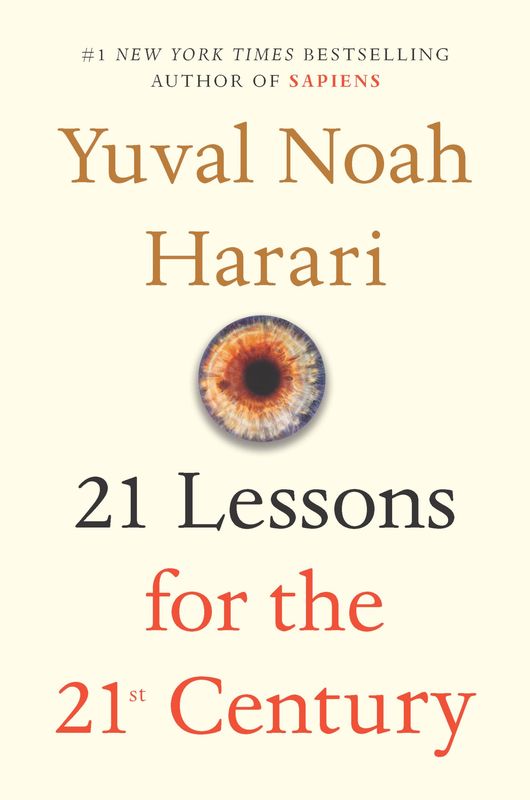
21 Lessons for the 21st Century Book Summary
In '21 Lessons for the 21st Century', Yuval Noah Harari navigates the complex landscape of today's world, tackling urgent questions about our future. From the impact of technology on society to the challenges of political stability, each lesson provokes thought and introspection. Harari explores key themes such as the rise of artificial intelligence, the significance of data, and the importance of meaning in an increasingly uncertain world. With a blend of history, philosophy, and science, the book invites readers to reflect on their roles in shaping a shared future. Will we adapt, or become obsolete? Dive in to uncover the lessons that could redefine humanity's path.
Showing 8 of 30 similar books
Take your reading experience to the next level
Download our mobile app to enjoy your favorite books on the go. Get access to exclusive features, offline listening, and personalized recommendations.

Similar Book Recommendations →

Emily Oster's Book Recommendations
Emily Oster is an economist and professor at Brown University, known for her data-driven approach to parenting. She is the author of popular books like Expecting Better and Cribsheet, where she uses economics to debunk common parenting myths and offer evidence-based advice. Emily’s research empowers parents to make informed decisions based on data rather than societal pressure. Her approachable style has made her a favorite among modern parents seeking clarity in an overwhelming information landscape. She continues to challenge conventional wisdom with a focus on making parenting less stressful.

Vitalik Buterin's Book Recommendations
Vitalik Buterin is a Canadian-Russian programmer and writer, best known as the co-founder of Ethereum, a revolutionary blockchain platform that enables smart contracts and decentralized applications. Born in 1994, Buterin displayed exceptional talent in mathematics and computer science from a young age. He co-authored the white paper for Ethereum in 2013, which has since become a cornerstone of the cryptocurrency and blockchain space. In addition to his technical contributions, Buterin is a prolific writer, having penned numerous articles and papers on blockchain technology, cryptography, and decentralization. His work has earned him recognition as one of the most influential figures in the world of cryptocurrency.

Ran Segall's Book Recommendations
Ran Segall is an Israeli designer, YouTuber, and entrepreneur, known for his work in freelance web design and his popular YouTube channel, Flux Academy. Segall provides design tutorials, business advice, and insights for freelancers, helping designers improve their craft and grow their businesses. He has built a successful online platform through his transparent and practical approach to design education. Segall also runs Flux Academy, where he teaches web design and freelancing strategies to aspiring designers around the world. His approachable style and expertise have made him a trusted resource in the design community.

Ezra Klein's Book Recommendations
Ezra Klein is a prominent American journalist, political analyst, and author, renowned for his incisive commentary on politics and policy. He co-founded Vox, a widely respected news website known for its explanatory journalism, and served as its editor-in-chief. Klein's work includes the critically acclaimed book "Why We're Polarized," which delves into the deep-seated divisions in American politics. He also hosts "The Ezra Klein Show," a popular podcast where he interviews thought leaders from various fields. Klein's contributions have significantly shaped contemporary political discourse and media consumption.

Ray Dalio's Book Recommendations
Ray Dalio is the founder of Bridgewater Associates, one of the largest and most successful hedge funds in the world. He is also the author of the bestselling book Principles, where he outlines his philosophy on life, leadership, and investing. Ray is renowned for his unique approach to transparency, radical truth, and thoughtful disagreement within organizations. His insights into economics and investing have made him one of the most influential figures in the financial world. Dalio continues to be a thought leader in business, economics, and philanthropy.

Ben Shapiro's Book Recommendations
Ben Shapiro is an American conservative political commentator, author, and lawyer, known for his sharp analytical skills and outspoken views. He graduated from UCLA at the age of 20 and Harvard Law School at 23, demonstrating his early intellectual prowess. Shapiro is the author of several best-selling books including "Bullies: How the Left's Culture of Fear and Intimidation Silences Americans" and "The Right Side of History: How Reason and Moral Purpose Made the West Great." He is the co-founder and editor emeritus of The Daily Wire, a popular conservative news and opinion website. Through his writing and media presence, Shapiro has significantly influenced contemporary political discourse in the United States.

Barack Obama's Book Recommendations
Barack Obama is the 44th President of the United States, serving from 2009 to 2017. As the first African American president, Obama’s leadership marked a historic moment in American history. His administration focused on healthcare reform, economic recovery from the Great Recession, and environmental policies. He is best known for the Affordable Care Act, as well as his efforts to expand civil rights and restore diplomatic relations with Cuba. Since leaving office, Obama has continued to engage in public life through his foundation, focusing on leadership development, civic engagement, and global issues.

Aaron Levie's Book Recommendations
Aaron Levie is the co-founder and CEO of Box, a cloud content management platform that revolutionized how businesses manage and collaborate on content. He launched Box in 2005 while still a college student, and the company rapidly grew into a leader in the cloud storage industry. Levie is known for his innovative, forward-thinking approach to enterprise software and for pushing the boundaries of digital transformation. Under his leadership, Box went public in 2015 and continues to evolve with new technologies and partnerships. He is a strong advocate for cloud-first business strategies and frequently shares his insights on the future of work and the digital workplace. Levie is also a prolific speaker and writer, often discussing technology's role in the modern economy. His energetic and witty personality has made him a popular figure in Silicon Valley and beyond.
Showing 8 of 24 related collections
“The internet is not a cure-all; it is an amplifier of both our greatest hopes and our darkest impulses.”
The Net Delusion
By Evgeny Morozov
Frequently Asked Questions
Explore Our Catalogue
Discover a world of knowledge through our extensive collection of book summaries.
Genres
Genres
Genres
Featured Collections
- Top Book Club Picks
- One-Stop Nutrition
- Summer Reads 2024
- Best Beach Reads 2024
- Work-Life Balance Guide
- Time Management
- Healthy Foods
- Entrepreneur Toolkit
- Mind & Body Wellness
- Future Tech Insights
- Leadership Essentials
- Financial Freedom
- Sci-Fi Masterpieces
- Parenting 101
- Books That Became Blockbusters
- Guide to a Healthy Pregnancy