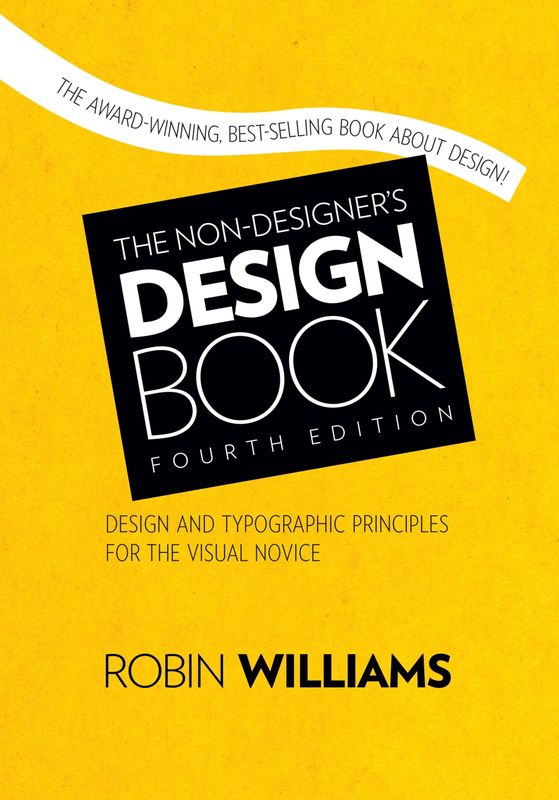
The Non-designer's Design Book Book Summary
In 'The Non-designer's Design Book', Robin Williams unveils the essential principles of design that anyone can understand and apply. With practical techniques and clear examples, she demystifies aspects like typography, color, and layout. This book empowers readers to create visually appealing projects without needing formal training. Whether you're designing a flyer, website, or presentation, Williams offers transformative insights that elevate your work. Discover how to make impactful design choices that compel and engage your audience!
By Robin Williams
Published: 2015
"Design is not just what it looks like and feels like. Design is how it works."

Start Listening to Book Summary
Book Review of The Non-designer's Design Book
This guide provides a simple, step-by-step process to better design. Techniques promise immediate results that forever change a reader's design eye. It contains dozens of examples.
Book Overview of The Non-designer's Design Book
About the Book Author
Robin Williams
Robin Williams was an acclaimed author and actor renowned for his unique blend of humor and depth in storytelling. Though primarily known for his legendary career in film and television, Williams also made significant contributions to literature. His notable works include the poignant memoir 'Robin: The Biography' and insightful essays that reflect on life, creativity, and the human experience. His writing style is characterized by wit, warmth, and an ability to connect with readers on an emotional level, often drawing from his own life experiences. Williams' legacy as a storyteller continues to inspire readers and audiences alike.
Book Details
Key information about the book.
- Authors
- Robin Williams
- Published
- January 2015
- Publisher
- Pearson Education
- ISBN
- 0133966151
- Language
- English
- Pages
- 241
- Genres
- Design ThinkingGraphic DesignDesign
Purchase Options
 Buy on Amazon
 Buy via BookShop
Support local bookstores: BookShop gives a portion of each sale to independent bookshops!
Similar books you might like →
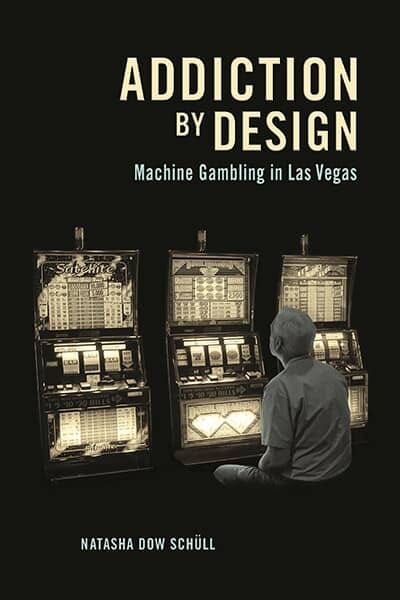
Addiction by Design Book Summary
In 'Addiction by Design', Natasha Dow Schüll explores the fascinating intersection of technology, gambling, and human psychology. She reveals how modern gaming machines are meticulously engineered to foster addictive behaviors, drawing players into a relentless cycle of engagement. Through immersive narratives and compelling case studies, Schüll raises critical questions about free will and the seductive nature of design in our digital age. This thought-provoking investigation challenges readers to consider the impact of technology on their lives and society at large. Dive into this eye-opening journey to understand the dark artistry behind the designs that capture us.

Identity Designed Book Summary
In 'Identity Designed,' David Airey takes readers on a captivating journey through the art and science of branding. This visually stunning book showcases a rich collection of global identities, revealing the strategies behind their creation. Airey delves into the psychological impact of design, urging readers to think deeply about how branding shapes perceptions. With insightful case studies and expert commentary, it sparks curiosity about the essence of identity in modern culture. Perfect for designers and entrepreneurs alike, this book invites you to explore the power of visual storytelling in building a brand.
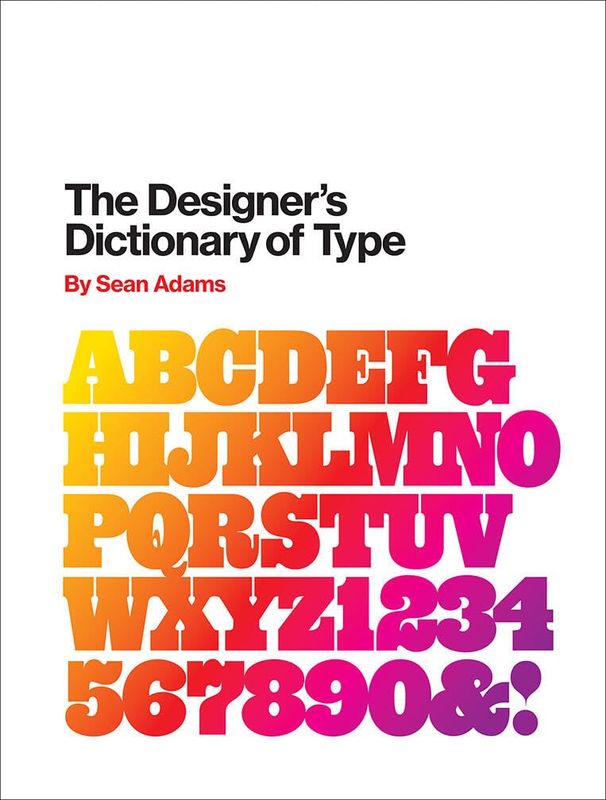
The Designer's Dictionary of Type Book Summary
Delve into the fascinating world of typography with 'The Designer's Dictionary of Type' by Sean Adams. This comprehensive guide unravels the intricacies of typefaces, revealing their unique personalities and historical contexts. Each entry offers insights that inspire creativity and enhance design skills, making it an essential reference for both novice and seasoned designers. With stunning visual examples, the book encourages a deeper appreciation for the art and science of type. Discover how the right type can transform your work and captivate your audience!
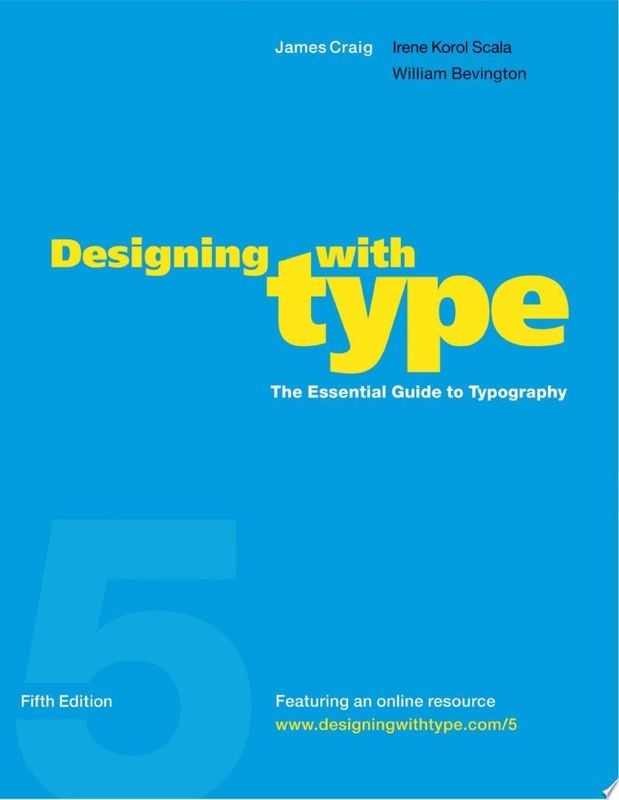
Designing with Type, 5th Edition Book Summary
Dive into the art and science of typography with 'Designing with Type, 5th Edition'. This essential guide unravels the intricacies of typefaces, spacing, and layout, empowering designers to elevate their work. Through a rich blend of practical insights and illustrative examples, Craig and Scala reveal how type influences design perception. Whether you’re a novice or a seasoned professional, this book opens your eyes to the transformative power of typography. Discover how to shape your visual communication and captivate your audience with every word.
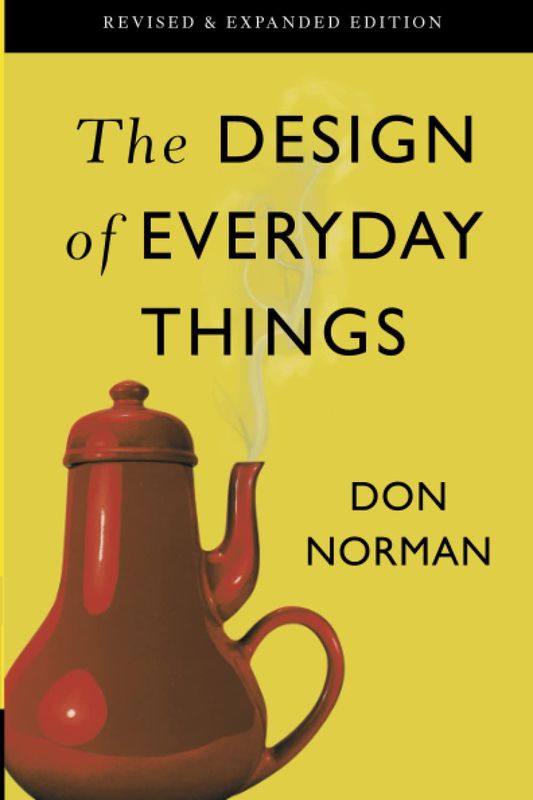
The Design of Everyday Things Book Summary
In 'The Design of Everyday Things', Don Norman reveals the hidden principles behind effective design that shapes our everyday interactions. He explores the psychological underpinnings of how we perceive and interact with objects, highlighting the importance of usability and user-centered design. Through captivating examples, Norman illustrates how poor design can lead to frustration, while thoughtful design enhances our experience. This book challenges readers to rethink the functionality of everyday items, making them consider the design choices behind the objects they encounter. Ultimately, it invites us to demand better designs that cater to our needs, making the mundane extraordinary.
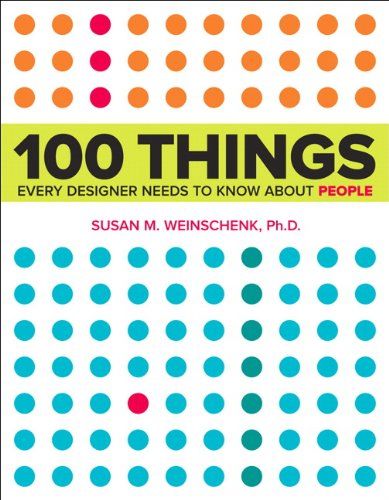
100 Things Every Designer Needs to Know about People Book Summary
In '100 Things Every Designer Needs to Know about People,' Susan Weinschenk unveils essential psychological principles that can enhance design effectiveness. With insights drawn from cognitive science, the book explores how people perceive, interact with, and make decisions about design. From the nuances of color perception to the importance of empathy in user experience, Weinschenk offers practical strategies for designers. Each principle is supported by fascinating research, making the content both informative and engaging. This enlightening guide equips designers to create more intuitive and user-friendly experiences, sparking curiosity about the intersection of psychology and design.
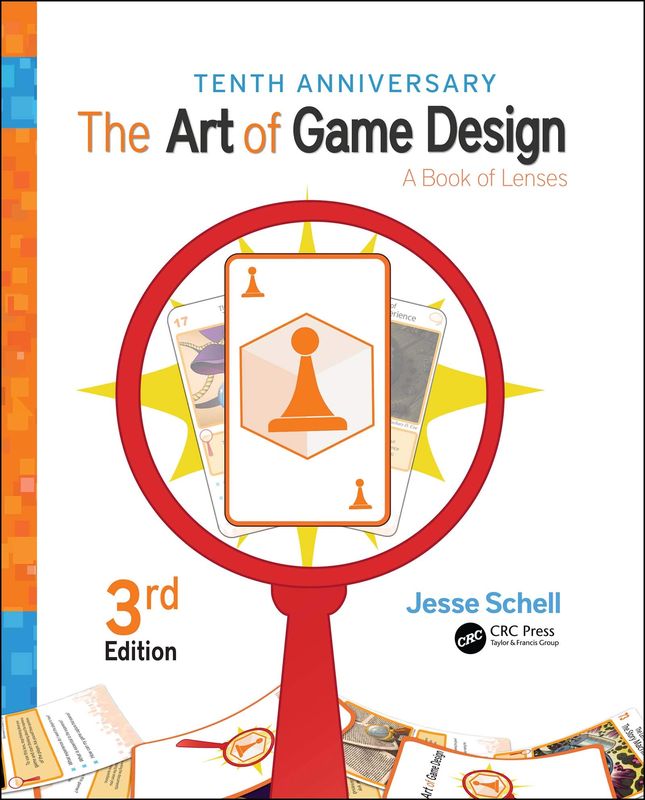
The Art of Game Design Book Summary
In 'The Art of Game Design,' Jesse Schell unravels the captivating world of game development, blending theory and practical insights. He presents a unique perspective that gaming is not just a skill but an art form, exploring what truly makes games immersive and memorable. With a combination of engaging anecdotes and hands-on exercises, Schell invites readers to think like designers and embrace creativity. The book serves as a comprehensive guide, making it an essential read for aspiring game creators and enthusiasts alike. Dive into the playful intricacies of design and discover the secrets that could inspire your next game masterpiece!
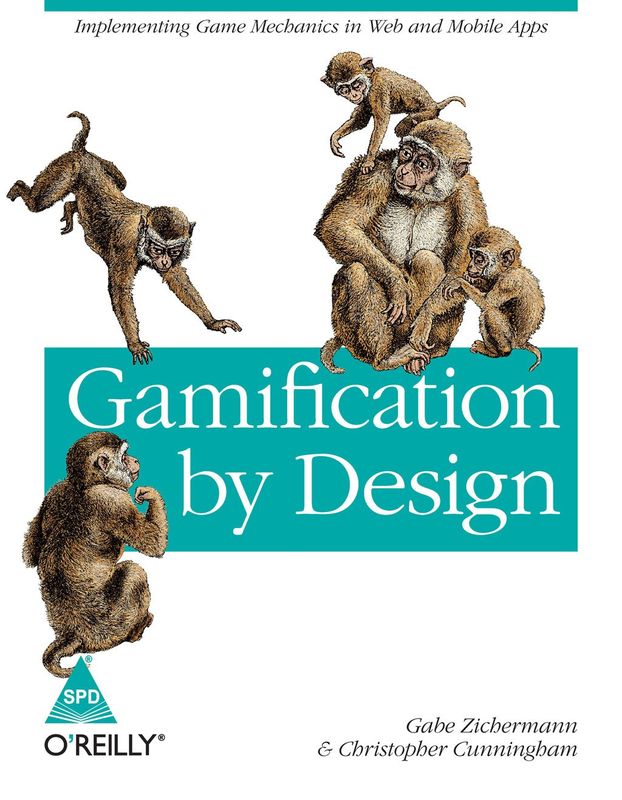
Gamification by Design Book Summary
In 'Gamification by Design', the authors explore the art and science of integrating game mechanics into non-game contexts to enhance user engagement and motivation. They uncover the psychology behind what makes games addictive and how these principles can be applied to real-world scenarios. Through practical case studies and actionable frameworks, the book reveals how gamification can be a catalyst for innovation and user loyalty. Are you ready to unlock the secrets of game mechanics and transform your projects? Dive into this insightful read to discover how to design experiences that captivate and retain users!
Showing 8 of 30 similar books
Take your reading experience to the next level
Download our mobile app to enjoy your favorite books on the go. Get access to exclusive features, offline listening, and personalized recommendations.

Similar Book Recommendations →

Bret Victor's Book Recommendations
Bret Victor is a renowned American interface designer and computer scientist celebrated for his innovative contributions to interactive design and human-computer interaction. He is best known for creating dynamic, explorable explanations, which have significantly influenced the way educational content is presented and understood. Victor's seminal work, "Inventing on Principle," advocates for the integration of immediate feedback in creative processes, inspiring a new wave of interactive programming environments. As a former member of the Apple Human Interface team, he played a pivotal role in shaping modern user interfaces. Through his organization, Dynamicland, Victor continues to explore and expand the boundaries of immersive, collaborative computing environments.

Coleen Baik's Book Recommendations
Coleen Baik is an American designer, artist, and entrepreneur, known for her work in the tech industry, including as a founding team member of Twitter. Baik played a key role in shaping the user experience and design of Twitter in its early days, contributing to its iconic interface. She is also the founder of Baik Art, a multidisciplinary art studio that blends technology and visual art. Baik is passionate about using design to create meaningful and user-centered digital experiences, and she frequently speaks on topics related to innovation, design, and creativity. Her work has made her a prominent figure in the intersection of tech and design.

Adam Ho's Book Recommendations
Adam Ho is a celebrated author known for his innovative contributions to contemporary fiction. His debut novel, "Echoes of Tomorrow," garnered critical acclaim and won the prestigious New Horizon Award for its imaginative storytelling and profound themes. Ho's work often explores the intersections of technology, identity, and human connection, earning him a dedicated readership and a place on numerous bestseller lists. In addition to his novels, he has published a collection of short stories, "Digital Dreams," which has been praised for its emotional depth and narrative ingenuity. Beyond writing, Ho is an advocate for digital literacy and frequently speaks at literary festivals and academic conferences worldwide.

Jeff Atwood's Book Recommendations
Jeff Atwood is an American software developer, writer, and co-founder of Stack Overflow, the largest online community for developers to share knowledge and collaborate on coding problems. Atwood is also known for his influential blog Coding Horror, where he writes about programming, technology, and software development practices. His work on Stack Overflow has revolutionized the way developers learn and share information, fostering a collaborative, open-source culture within the tech community. Atwood’s contributions to software development have made him a key figure in the tech industry, particularly in developer education and open knowledge sharing.

Michael Bierut's Book Recommendations
Michael Bierut is a renowned graphic designer, educator, and author, known for his influential work in the field of design. A partner at the prestigious design firm Pentagram since 1990, Bierut has created iconic branding and identity systems for clients such as The New York Times, Saks Fifth Avenue, and MIT Media Lab. His literary contributions include the acclaimed book "How to," which offers insights into his design process and philosophy, and "Seventy-nine Short Essays on Design," a collection of thought-provoking reflections on the design industry. As a senior critic in graphic design at the Yale School of Art, Bierut has mentored countless students, shaping the future of design education. His work has garnered numerous awards, solidifying his status as a leading figure in contemporary design.

Jessica Hische's Book Recommendations
Jessica Hische is an acclaimed American lettering artist, illustrator, and author, renowned for her distinctive typographic style and contributions to the world of design. She gained widespread recognition for her work on the "Daily Drop Cap" project, which showcased her talent and creativity in lettering. Hische has collaborated with major clients such as Wes Anderson, Penguin Books, and The New York Times, further cementing her status in the design community. Her book, "In Progress," offers valuable insights into her creative process, inspiring countless designers and artists. Additionally, Hische’s advocacy for work-life balance and creative entrepreneurship has made her a respected voice in the industry.
“Design is not just what it looks like and feels like. Design is how it works.”
The Non-designer's Design Book
By Robin Williams
Frequently Asked Questions
Explore Our Catalogue
Discover a world of knowledge through our extensive collection of book summaries.
Genres
Genres
Genres
Featured Collections
- Top Book Club Picks
- One-Stop Nutrition
- Summer Reads 2024
- Best Beach Reads 2024
- Work-Life Balance Guide
- Time Management
- Healthy Foods
- Entrepreneur Toolkit
- Mind & Body Wellness
- Future Tech Insights
- Leadership Essentials
- Financial Freedom
- Sci-Fi Masterpieces
- Parenting 101
- Books That Became Blockbusters
- Guide to a Healthy Pregnancy