The Origin of Species Book Summary
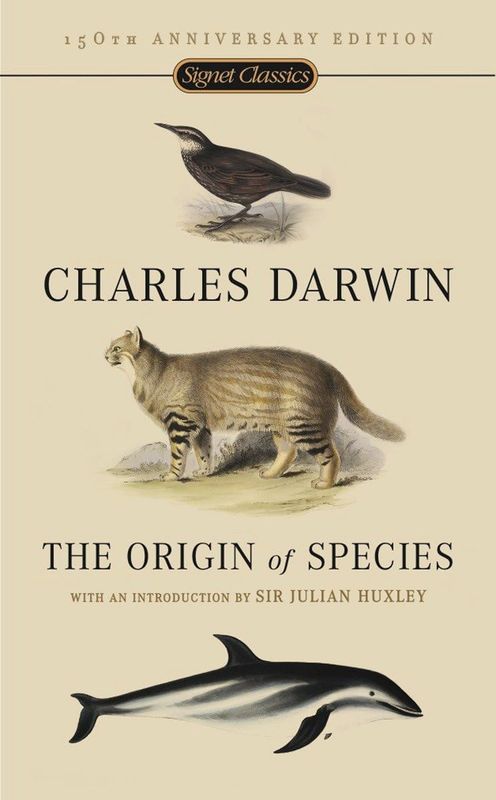
In 'The Origin of Species,' Charles Darwin unveils the groundbreaking theory of evolution through natural selection, challenging the conventional understanding of life's development. Through meticulous observations and compelling evidence, Darwin illustrates how species adapt to their environments over time, leading to survival and diversification. The narrative unfolds with fascinating examples from the natural world, urging readers to rethink their perception of humanity's place in nature. His revolutionary ideas ignited debates that continue to resonate today, as they raise profound questions about existence, change, and the interconnectedness of all living things. Prepare to embark on a journey that reshapes your understanding of life itself!
By Charles Darwin
Published: 2003
"It is not the strongest of the species that survive, nor the most intelligent, but the one most responsive to change."

Start Listening to Book Summary
Book Review of The Origin of Species
Charles Darwin’s classic that exploded into public controversy, revolutionized the course of science, and continues to transform our views of the world. Few other books have created such a lasting storm of controversy as The Origin of Species. Darwin’s theory that species derive from other species by a gradual evolutionary process and that the average level of each species is heightened by the “survival of the fittest” stirred up popular debate to fever pitch. Its acceptance revolutionized the course of science. As Sir Julian Huxley, the noted biologist, points out in his illuminating introduction, the importance of Darwin’s contribution to modern scientific knowledge is almost impossible to evaluate: “a truly great book, one which can still be read with profit by professional biologist.” Includes an Introduction by Sir Julian Huxley
Book Overview of The Origin of Species
About the Book Author
Charles Darwin
Charles Darwin (1809-1882) was an English naturalist, geologist, and biologist, best known for his contributions to the understanding of evolution. His groundbreaking work, 'On the Origin of Species' (1859), introduced the theory of natural selection, fundamentally changing the scientific landscape. Darwin's writing style is characterized by clarity and meticulous detail, often incorporating observational evidence from his extensive expeditions, including his famous voyage on the HMS Beagle. Other notable works include 'The Descent of Man' (1871) and 'The Expression of the Emotions in Man and Animals' (1872), where he further explored the implications of his theories in various fields of biology and psychology.
Book Details
Key information about the book.
- Authors
- Charles Darwin
- Published
- September 2003
- Publisher
- National Geographic Books
- ISBN
- 0451529065
- Language
- English
- Pages
- N/A
- Genres
- Evolution and GeneticsScience and NatureScientific Discoveries
Purchase Options
 Buy on Amazon
 Buy via BookShop
Support local bookstores: BookShop gives a portion of each sale to independent bookshops!
Similar books you might like →
The Selfish Gene Book Summary
In Richard Dawkins' groundbreaking work, "The Selfish Gene," the concept of evolution is reimagined through the lens of genes as the primary unit of natural selection. Dawkins provocatively argues that behaviors once perceived as altruistic are often driven by genetic self-interest. The book introduces the idea of memes, exploring how cultural evolution parallels biological evolution. With vivid examples and thought-provoking insights, Dawkins challenges readers to reconsider the motivations behind their actions and the fabric of life itself. Will this lens of selfishness reshape your understanding of humanity and its place in the universe?
Finite and Infinite Games Book Summary
In 'Finite and Infinite Games', James Carse presents a thought-provoking exploration of two types of games that shape our lives. Finite games are about winning, clearly defined rules, and competition, while infinite games focus on the ongoing pursuit of growth and learning. This philosophical masterpiece challenges readers to rethink their motivations and the very nature of their existence. As Carse reveals the deeper implications of each game, it invites you to ponder whether you are living for a trophy or the journey itself. Prepare to be inspired to redefine success in a world dominated by finite thinking!
Benjamin Franklin Book Summary
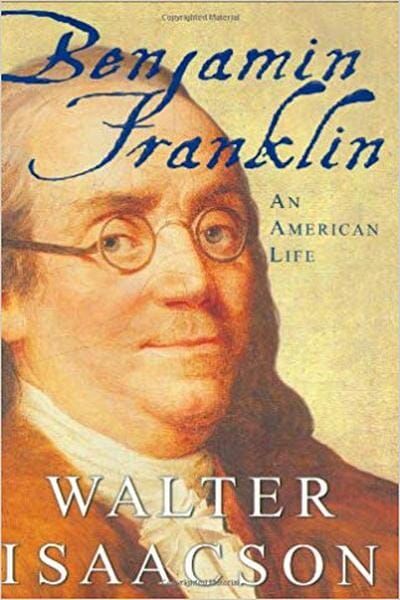
In 'Benjamin Franklin,' Walter Isaacson paints a vivid portrait of one of America's founding fathers, exploring not just his political contributions but also his personal life and philosophies. This engaging narrative delves into Franklin's insatiable curiosity and his multifaceted roles as an inventor, diplomat, and writer. Isaacson uncovers the man behind the legend, revealing Franklin's struggles with his identity and his relentless pursuit of knowledge. Readers will be captivated by Franklin's wit and wisdom, as well as his complex relationships with figures like George Washington and Thomas Jefferson. This biography invites you to discover how Franklin's innovative ideas and candid reflections continue to shape modern America.
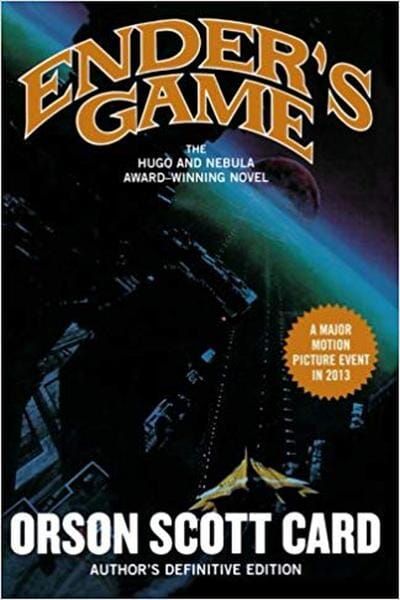
Ender's Game Book Summary
In a future where Earth is threatened by an alien species, child prodigy Ender Wiggin is recruited into a military training program in space. As he faces intense challenges and manipulative instructors, Ender's strategic brilliance shines through, setting him apart from his peers. The line between friend and foe blurs as he navigates the cutthroat environment of the Battle School. With the weight of humanity's survival on his shoulders, Ender must confront ethical dilemmas that question the morality of war. Can a child save the world, or will he become the very monster he’s been trained to defeat?
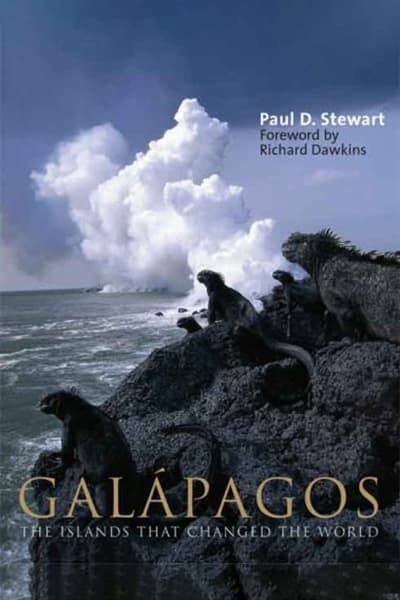
Galápagos Book Summary
In 'Galápagos', Paul D. Stewart takes readers on an extraordinary journey through the enchanted archipelago that inspired Darwin. The narrative blends adventure with vivid descriptions of unique wildlife and stunning landscapes, immersing the reader in the natural wonders of the islands. As the characters navigate the challenges of exploration and survival, they uncover the profound connections between evolution and environment. With themes of adaptation and the unpredictability of life, the story invites reflection on the delicate balance of nature. Discover the secrets of the Galápagos and its impact on the world of science!
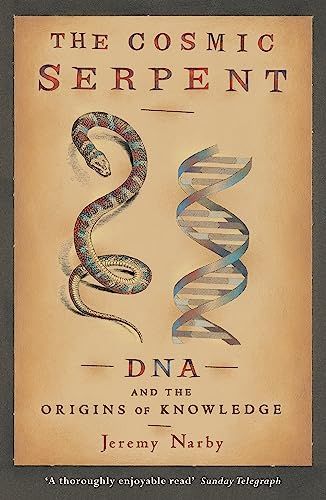
The Cosmic Serpent Book Summary
In 'The Cosmic Serpent,' Jeremy Narby embarks on a fascinating journey blending anthropology, biology, and indigenous wisdom. He explores the profound connections between ancient shamanic practices and modern scientific understanding, particularly in relation to DNA and consciousness. Narby investigates the serpent as a powerful symbol in various cultures, revealing its significance in the spiritual and material worlds. With riveting narrative and thought-provoking insights, he challenges conventional notions of knowledge and reality. Prepare to be captivated by a unique exploration that bridges the gap between the mystical and the scientific.
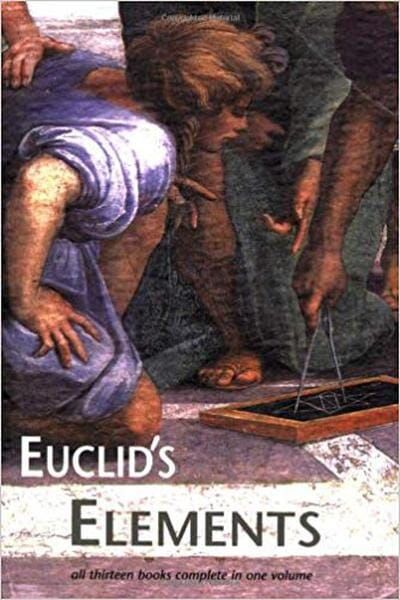
Euclid's Elements Book Summary
No summary available
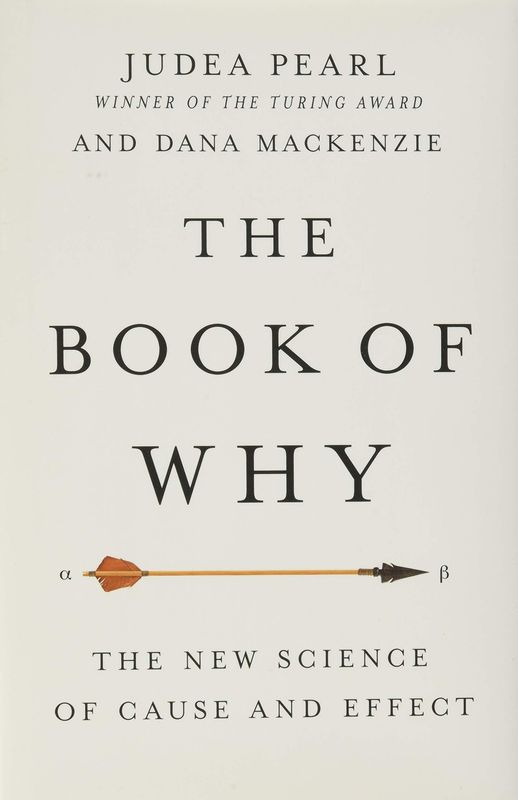
The Book of Why Book Summary
In 'The Book of Why', Judea Pearl and Dana Mackenzie unveil the profound concepts of causality and its pivotal role in understanding the world around us. They challenge traditional statistical methods, introducing the causal revolution that will change how we interpret data. Through captivating anecdotes and accessible explanations, the authors reveal the tools necessary to discern cause from correlation. Readers will be drawn into the mystery of why things happen, unfolding layers of knowledge that provoke deeper inquiry. This book is not just about statistics; it's a pathway to mastering the art of reasoning itself.
Showing 8 of 28 similar books
Take your reading experience to the next level
Download our mobile app to enjoy your favorite books on the go. Get access to exclusive features, offline listening, and personalized recommendations.

Similar Book Recommendations →

Neil deGrasse Tyson's Book Recommendations
Neil deGrasse Tyson is a renowned astrophysicist, author, and science communicator, best known for his work in popularizing science through various media. As the director of the Hayden Planetarium in New York City, he has played a pivotal role in bringing astronomical discoveries to the public. Tyson has authored several bestselling books, including "Astrophysics for People in a Hurry" and "The Pluto Files," which have made complex scientific concepts accessible to a broad audience. He is also the host of the popular science TV show "Cosmos: A Spacetime Odyssey," a continuation of Carl Sagan's groundbreaking series. Tyson's contributions have significantly enhanced public understanding and appreciation of the universe.

Matt Ridley's Book Recommendations
Matt Ridley is a British journalist, author, and businessman, best known for his books on science, economics, and human progress, including The Rational Optimist and The Evolution of Everything. Ridley’s work focuses on the power of innovation, free markets, and human ingenuity to drive progress and improve living standards. He is a member of the House of Lords and has written extensively on topics such as genetics, evolution, and the environment. Ridley’s optimistic view of human progress and his ability to explain complex scientific ideas have made him a popular author and public intellectual.

Charlie Munger's Book Recommendations
Charlie Munger is an American investor, businessman, and philanthropist, best known as the vice chairman of Berkshire Hathaway, where he partners with Warren Buffett. Renowned for his insights on investment strategies and mental models, Munger has significantly influenced the world of finance. His notable literary contributions include "Poor Charlie's Almanack," a compilation of his speeches and writings that distill his wisdom on decision-making and business principles. Munger's work emphasizes the importance of multidisciplinary thinking and continuous learning. Beyond his financial acumen, he is celebrated for his charitable efforts, particularly in education and healthcare.

Darren Aronofsky's Book Recommendations
Darren Aronofsky is an American filmmaker, known for his psychologically intense and visually stunning films, including Requiem for a Dream, Black Swan, and The Wrestler. Aronofsky’s work often explores themes of obsession, identity, and self-destruction, and his unique directorial style has earned him critical acclaim and numerous awards. His ability to blend dark, complex narratives with striking visuals has made him one of the most distinctive voices in contemporary cinema. Aronofsky is also an advocate for environmental sustainability and has used his platform to raise awareness about climate change. His films continue to push boundaries and provoke thought on a range of human experiences.

David Deutsch's Book Recommendations
David Deutsch is a British physicist and philosopher, widely known for his contributions to quantum mechanics, particularly in the area of quantum computation. He is the author of The Fabric of Reality and The Beginning of Infinity, where he explores the nature of knowledge, progress, and the future of human civilization. Deutsch’s work in quantum computing laid the groundwork for the development of quantum algorithms, positioning him as a pioneer in this emerging field. He is a proponent of the multiverse theory and has offered profound insights into the nature of reality, science, and human potential. Deutsch’s philosophical work emphasizes the power of reason and creativity in solving problems and expanding human understanding. His ideas have had a significant impact on the fields of theoretical physics and epistemology, making him a leading thinker on the future of science and technology. He continues to inspire both scientists and lay readers with his optimistic vision of a world shaped by knowledge and innovation.

David Sinclair's Book Recommendations
David Sinclair is an Australian biologist and professor at Harvard Medical School, known for his pioneering research in the field of aging and longevity. Sinclair's work focuses on understanding the biological mechanisms that drive aging and developing interventions to slow or reverse the process. His bestselling book Lifespan: Why We Age – and Why We Don’t Have To explores the latest advancements in anti-aging science and offers insights into how humans might extend their healthspan. Sinclair's research has led to breakthroughs in areas such as sirtuins, NAD+ metabolism, and cellular reprogramming. He is also the co-founder of several biotech companies, including Sirtris Pharmaceuticals and Life Biosciences, dedicated to translating aging research into practical treatments. Sinclair is a vocal advocate for taking a proactive approach to aging, promoting lifestyle changes and emerging therapies to delay age-related diseases. His work has made him a leading figure in the longevity movement, influencing both scientific and public discourse on the future of health.

Brian Cox's Book Recommendations
Brian Cox is a Scottish actor and director, best known for his roles in films like Braveheart and Adaptation, as well as for his portrayal of media mogul Logan Roy in the hit HBO series Succession. Cox is renowned for his commanding screen presence and his ability to convey complex, often morally ambiguous characters. He has had a distinguished career in both film and theater, earning numerous awards, including a Golden Globe for his performance in Succession. In addition to his acting work, Cox is a vocal advocate for arts education and has been involved in various charitable initiatives. His longevity and versatility have made him a respected and influential figure in the entertainment industry.

Sam Altman's Book Recommendations
Sam Altman is an American entrepreneur, programmer, and investor, best known as the former president of Y Combinator, a startup accelerator that has launched numerous successful companies, including Airbnb, Dropbox, and Reddit. Altman himself is a co-founder of OpenAI, an organization focused on ensuring that artificial intelligence benefits all of humanity. He has been a leading voice in the tech world, advocating for responsible innovation and the ethical use of AI. Under his leadership, Y Combinator grew into one of the most influential organizations in Silicon Valley, helping to fund and mentor early-stage startups. Altman’s blog and writings are widely read in the tech community, where he shares his insights on entrepreneurship, technology, and the future of AI. He has also been involved in several philanthropic ventures and continues to influence the tech world through his investments and thought leadership. His work at OpenAI has put him at the forefront of discussions about the future of artificial intelligence.
Showing 8 of 11 related collections
“It is not the strongest of the species that survive, nor the most intelligent, but the one most responsive to change.”
The Origin of Species
By Charles Darwin
Frequently Asked Questions
Explore Our Catalogue
Discover a world of knowledge through our extensive collection of book summaries.
Genres
Genres
Genres
Featured Collections
- Top Book Club Picks
- One-Stop Nutrition
- Summer Reads 2024
- Best Beach Reads 2024
- Work-Life Balance Guide
- Time Management
- Healthy Foods
- Entrepreneur Toolkit
- Mind & Body Wellness
- Future Tech Insights
- Leadership Essentials
- Financial Freedom
- Sci-Fi Masterpieces
- Parenting 101
- Books That Became Blockbusters
- Guide to a Healthy Pregnancy