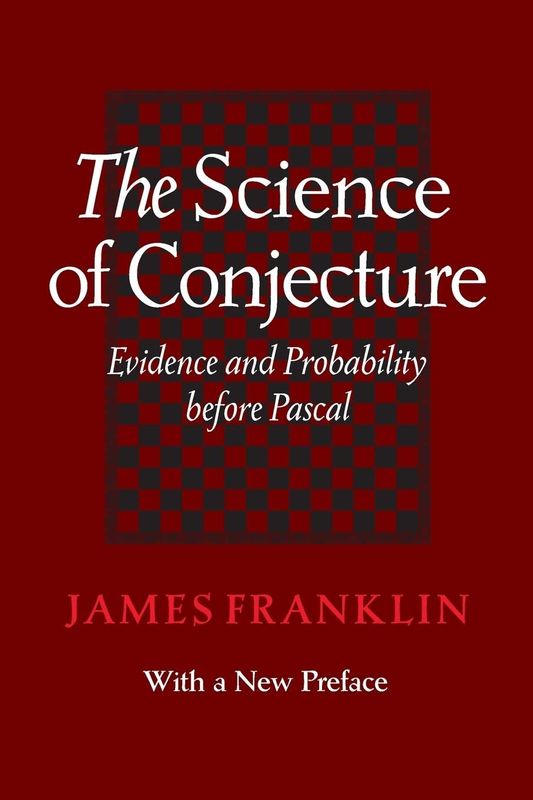
The Science of Conjecture Book Summary
In 'The Science of Conjecture,' James Franklin delves into the intricate world of probability, exploring how mathematical theories influence our understanding of uncertainty. The book uncovers the historical evolution of conjecture, marrying mathematical rigor with philosophical inquiry. Through fascinating anecdotes and rigorous analysis, Franklin challenges readers to reconsider their perceptions of knowledge and belief. What does it mean to speculate, and how do our conjectures shape reality? This thought-provoking work invites readers on a journey through the interplay of math and life, leaving them to ponder the limits of certainty.
By James Franklin
Published: NaN
"Mathematics is a mirror of our conjectures, where every hypothesis shines with the possibility of truth, urging us to explore the boundaries of human understanding."

Start Listening to Book Summary
Book Review of The Science of Conjecture
The Science of Conjecture provides a history of rational methods of dealing with uncertainty and explores the coming to consciousness of the human understanding of risk.
Book Overview of The Science of Conjecture
About the Book Author
James Franklin
James Franklin is a renowned author known for his thought-provoking narratives and compelling storytelling. With a background in philosophy and history, Franklin's works often explore complex themes of identity, morality, and human experience. His notable works include the critically acclaimed novel 'The Quiet Revolution' and the bestselling non-fiction book 'Rethinking the Past.' Franklin's writing style is characterized by rich prose, deep psychological insights, and an ability to weave intricate plots that engage readers on multiple levels.
Book Details
Key information about the book.
- Authors
- James Franklin
- Published
- N/A
- Publisher
- JHU Press
- ISBN
- 1421418800
- Language
- English
- Pages
- 520
- Genres
- Philosophy of MindPhilosophyHistorical FiguresScience and Nature
Purchase Options
 Buy on Amazon
 Buy via BookShop
Support local bookstores: BookShop gives a portion of each sale to independent bookshops!
Similar books you might like →
The Saint, the Surfer, and the CEO Book Summary
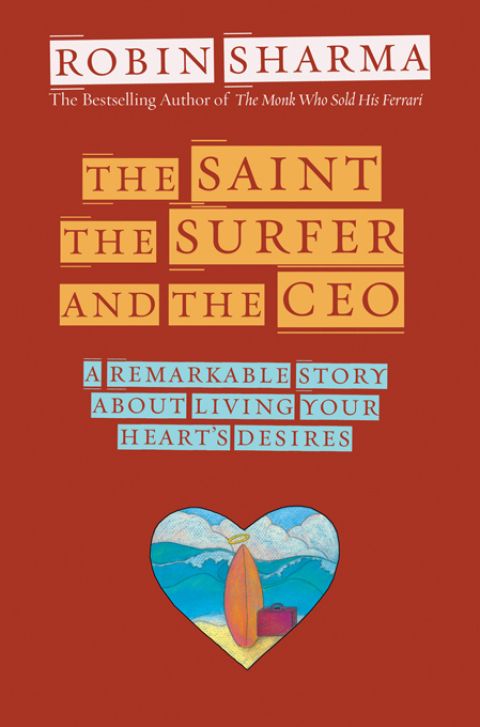
In "The Saint, The Surfer, and The CEO," author Robin Sharma takes readers on a transformative journey through the eyes of a man at a crossroads in life. Struggling with personal and professional discontent, he encounters three remarkable mentors—a wise saint, a free-spirited surfer, and a driven CEO—each offering profound insights into achieving true fulfillment. As their teachings blend philosophy, spirituality, and practical wisdom, he unravels the secrets to happiness and success beyond material wealth. This captivating narrative challenges readers to reflect on their own lives and question what they truly value. Dive in to discover how the power of purpose can lead to a fulfilling life that resonates with the soul!
A Brief History of Time Book Summary
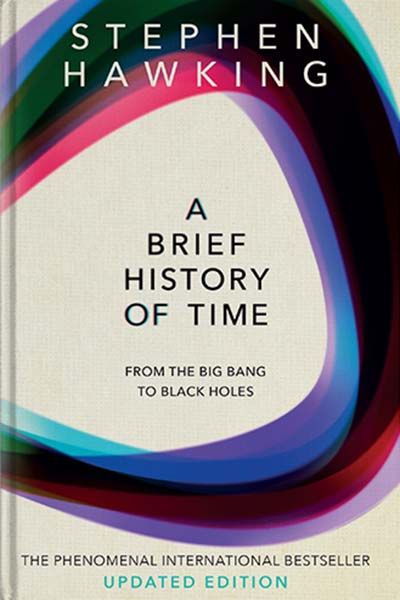
In "A Brief History of Time," Stephen Hawking takes readers on a captivating journey through the cosmos, exploring the nature of time, black holes, and the universe's beginnings. With stunning clarity, he unravels complex scientific concepts, inviting everyone—from curious laypersons to seasoned physicists—to ponder the mysteries of existence. Hawking's charismatic storytelling challenges our perceptions of reality and time itself, posing profound questions about the universe's fate. As he merges science with philosophy, the reader is compelled to reflect on their place in a vast, enigmatic cosmos. Prepare to be inspired and awed by a narrative that transcends mere facts, pushing the boundaries of human understanding.
The Beginning of Infinity Book Summary
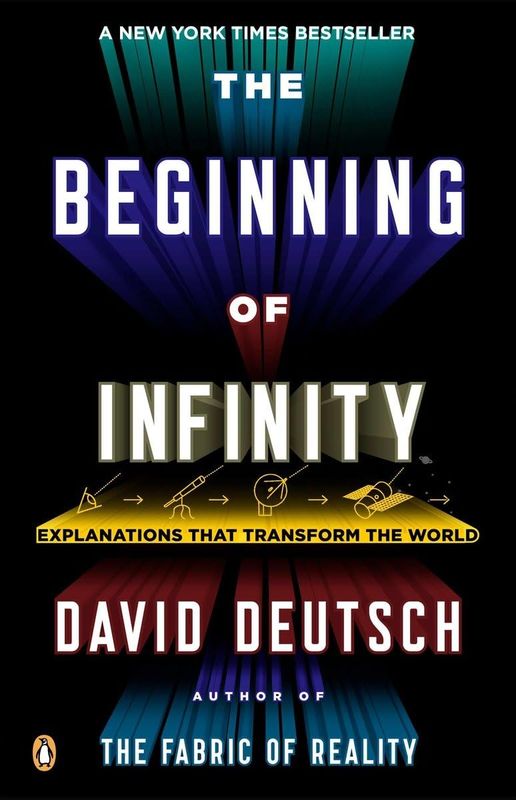
In 'The Beginning of Infinity', David Deutsch challenges our understanding of knowledge and the universe, proposing that all problems are solvable with the right approach. He delves into the philosophy of science, technology, and human progress, suggesting that the pursuit of knowledge is a never-ending journey. Deutsch argues that explanations, rather than mere observations, are the key to comprehending reality. With provocative insights, he explores the implications of infinite possibilities and the potential of human creativity. This thought-provoking read ignites curiosity about the boundless nature of discovery and the future of humanity.
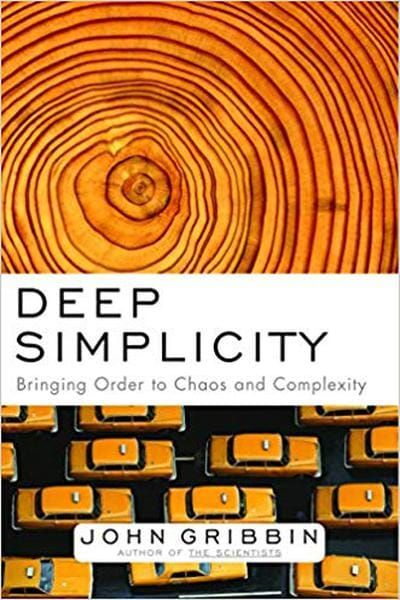
Deep Simplicity Book Summary
In 'Deep Simplicity', John Gribbin explores the profound connections between complexity and simplicity in the universe. Through captivating examples from physics and biology, he unveils how intricate systems can arise from simple rules. Gribbin challenges readers to rethink their understanding of chaos, order, and the patterns that govern existence. With an engaging narrative, he weaves together science and philosophy, inviting us to ponder the deeper meanings behind our complex world. Prepare to be intrigued by the seemingly paradoxical nature of life—where simplicity leads to complexity, and complexity reveals stunning simplicity.
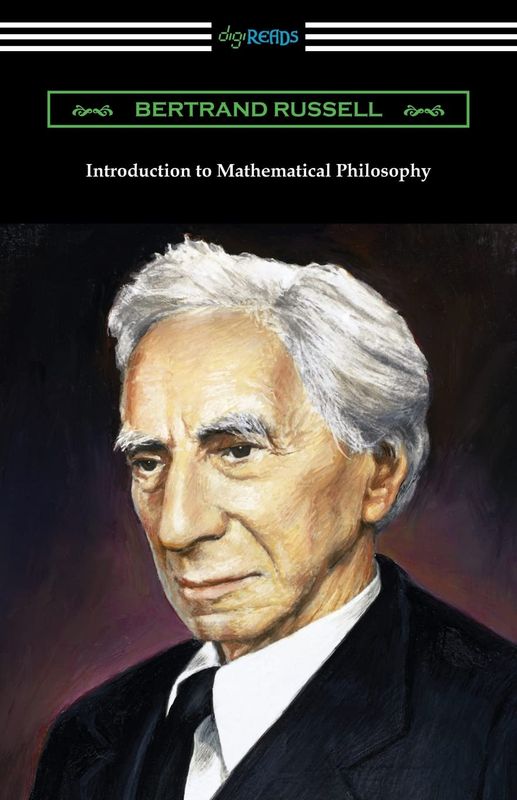
Introduction to Mathematical Philosophy Book Summary
In 'Introduction to Mathematical Philosophy,' Bertrand Russell takes readers on a fascinating journey through the foundations of mathematics and its philosophical implications. He explores concepts such as numbers, infinity, and the nature of mathematical truth, challenging conventional thinking. With his unique blend of clarity and insight, Russell demystifies complex ideas, revealing the profound connections between logic and mathematics. This thought-provoking work not only invites readers to rethink their understanding of numbers but also questions the very essence of reality itself. A must-read for anyone intrigued by the interplay of philosophy and mathematics, this book promises to expand your horizons.
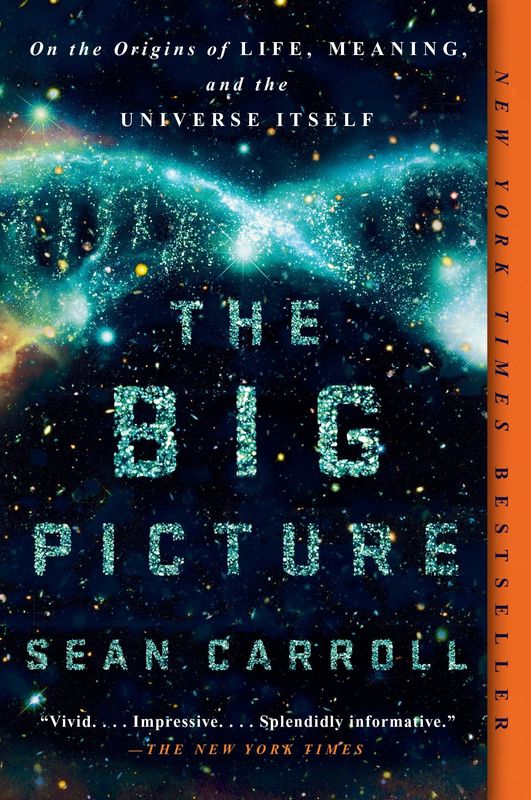
The Big Picture Book Summary
In 'The Big Picture', physicist Sean Carroll invites readers to explore the fascinating intersections of science, philosophy, and the meaning of life. He delves into the fundamental nature of reality, presenting complex concepts in a captivating and accessible manner. With a blend of narratives and profound insights, Carroll challenges us to consider our place in the universe. As he unravels the mysteries of existence, readers are urged to reflect on the implications of science for understanding consciousness and our everyday experiences. This thought-provoking journey leaves us questioning: what does it truly mean to be human in a cosmos governed by natural laws?

The Philosophy of Composition Book Summary
In 'The Philosophy of Composition,' Edgar Allan Poe unveils his meticulous approach to writing, arguing that artistic creation is a calculated endeavor rather than purely intuitive. He dissects his own poem 'The Raven,' revealing the deep psychological and structural elements that contribute to its haunting allure. Poe explores the interplay of beauty, emotion, and effect, offering a profound glimpse into the mind of a master writer. With each analytical step, he ignites curiosity about the art of storytelling and the techniques that captivate readers. This exploration leaves one pondering: What secrets lie behind the craft of their favorite writers?

Machete Season Book Summary
In 'Machete Season', Jean Hatzfeld delves into the harrowing aftermath of the Rwandan genocide through chilling interviews with perpetrators. The book reveals the chilling mentality that transformed ordinary men into fearsome killers, as they recount their gruesome actions with haunting normalcy. As Hatzfeld gives voice to these individuals, readers grapple with the unsettling questions of morality, guilt, and humanity. The juxtaposition of horror and banality forces us to confront the dark capacity within us all. This powerful narrative leaves an indelible mark, challenging our understanding of evil and forgiveness.
Showing 8 of 30 similar books
Take your reading experience to the next level
Download our mobile app to enjoy your favorite books on the go. Get access to exclusive features, offline listening, and personalized recommendations.

Similar Book Recommendations →

Naval Ravikant's Book Recommendations
Naval Ravikant is an entrepreneur, angel investor, and philosopher, best known as the co-founder of AngelList, a platform that connects startups with investors. Ravikant is a prolific thinker and writer on topics such as startups, investing, and personal well-being, sharing his wisdom through essays, podcasts, and social media. He has invested in over 100 companies, including Uber, Twitter, and Yammer, making him one of Silicon Valley’s most successful angel investors. Ravikant is also known for his philosophical musings on wealth, happiness, and the meaning of life, which have garnered him a large and dedicated following.
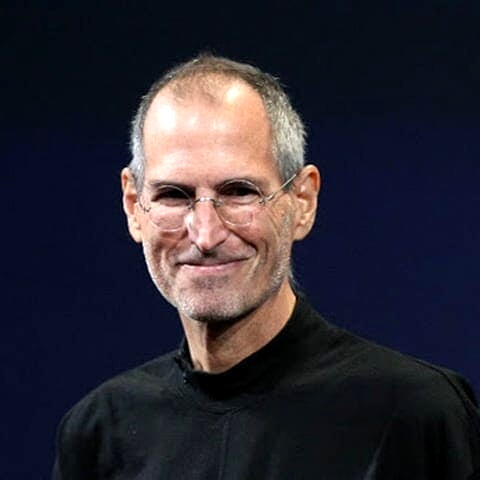
Steve Jobs's Book Recommendations
Steve Jobs was an American entrepreneur, inventor, and co-founder of Apple Inc., known for revolutionizing the personal computing, music, and smartphone industries. Jobs’ vision for technology was focused on simplicity, innovation, and user experience, leading to the development of iconic products like the Macintosh, iPod, iPhone, and iPad. He also co-founded Pixar Animation Studios, which became one of the most successful animation companies in the world. Jobs’ influence extended beyond technology, shaping the way people interact with media, communication, and design. His legacy as a visionary leader and innovator continues to impact industries around the globe.

Joe Rogan's Book Recommendations
Joe Rogan is a multifaceted American entertainer known primarily for his work as a comedian, podcast host, and commentator. He gained widespread recognition through his immensely popular podcast, "The Joe Rogan Experience," which has featured in-depth conversations with a diverse array of guests, including scientists, celebrities, and politicians. Though not primarily known for literature, Rogan has contributed to the field with his thought-provoking discussions that often explore philosophical and intellectual ideas. Additionally, he has authored the book "Mastering the Rubber Guard," which delves into Brazilian Jiu-Jitsu techniques, showcasing his expertise in martial arts. Rogan's influence extends beyond traditional media, impacting contemporary discourse through his unique blend of humor, curiosity, and critical thinking.

Charlie Munger's Book Recommendations
Charlie Munger is an American investor, businessman, and philanthropist, best known as the vice chairman of Berkshire Hathaway, where he partners with Warren Buffett. Renowned for his insights on investment strategies and mental models, Munger has significantly influenced the world of finance. His notable literary contributions include "Poor Charlie's Almanack," a compilation of his speeches and writings that distill his wisdom on decision-making and business principles. Munger's work emphasizes the importance of multidisciplinary thinking and continuous learning. Beyond his financial acumen, he is celebrated for his charitable efforts, particularly in education and healthcare.

Barack Obama's Book Recommendations
Barack Obama is the 44th President of the United States, serving from 2009 to 2017. As the first African American president, Obama’s leadership marked a historic moment in American history. His administration focused on healthcare reform, economic recovery from the Great Recession, and environmental policies. He is best known for the Affordable Care Act, as well as his efforts to expand civil rights and restore diplomatic relations with Cuba. Since leaving office, Obama has continued to engage in public life through his foundation, focusing on leadership development, civic engagement, and global issues.

Jocko Willink's Book Recommendations
Jocko Willink is a retired Navy SEAL officer, renowned for his leadership during the Battle of Ramadi in the Iraq War, which earned him the Silver Star and Bronze Star. Transitioning from military service, he co-authored the best-selling book "Extreme Ownership: How U.S. Navy SEALs Lead and Win" with fellow SEAL Leif Babin, which has become a cornerstone in leadership and management literature. Willink has also written the "Way of the Warrior Kid" series, aimed at empowering young readers with principles of discipline and resilience. Additionally, he hosts the popular "Jocko Podcast," where he discusses leadership, discipline, and personal development. Willink's influence extends beyond literature through his Echelon Front leadership consultancy, helping organizations implement effective leadership strategies.

Reid Hoffman's Book Recommendations
Reid Hoffman is an influential American entrepreneur, venture capitalist, and author, best known as the co-founder of LinkedIn, the professional networking platform that transformed online professional interactions. Hoffman has significantly impacted the business world through his investments in notable tech companies like Airbnb, Facebook, and Zynga. As an author, he has co-written several acclaimed books, including "The Start-Up of You" and "Blitzscaling," which provide strategic insights into career development and business growth. His works are celebrated for their practical advice and have become essential reading for aspiring entrepreneurs and business leaders. Hoffman's contributions extend beyond his literary efforts, as he remains a prominent figure in Silicon Valley, shaping the future of technology and innovation.

Nat Eliason's Book Recommendations
Nat Eliason is an influential writer, entrepreneur, and educator known for his insightful work on personal growth, productivity, and digital marketing. He founded Growth Machine, a successful SEO and content marketing agency that has helped numerous companies expand their online presence. Eliason's thought-provoking articles on his blog cover a wide range of topics, from philosophy to health, attracting a large and engaged audience. Additionally, he authored "Effortless Output with Roam," a comprehensive guide on using the Roam Research tool for knowledge management. Through his diverse contributions, Eliason has established himself as a significant voice in the realms of self-improvement and digital strategy.
Showing 8 of 19 related collections
“Mathematics is a mirror of our conjectures, where every hypothesis shines with the possibility of truth, urging us to explore the boundaries of human understanding.”
The Science of Conjecture
By James Franklin
Frequently Asked Questions
Explore Our Catalogue
Discover a world of knowledge through our extensive collection of book summaries.
Genres
Genres
Genres
Featured Collections
- Top Book Club Picks
- One-Stop Nutrition
- Summer Reads 2024
- Best Beach Reads 2024
- Work-Life Balance Guide
- Time Management
- Healthy Foods
- Entrepreneur Toolkit
- Mind & Body Wellness
- Future Tech Insights
- Leadership Essentials
- Financial Freedom
- Sci-Fi Masterpieces
- Parenting 101
- Books That Became Blockbusters
- Guide to a Healthy Pregnancy