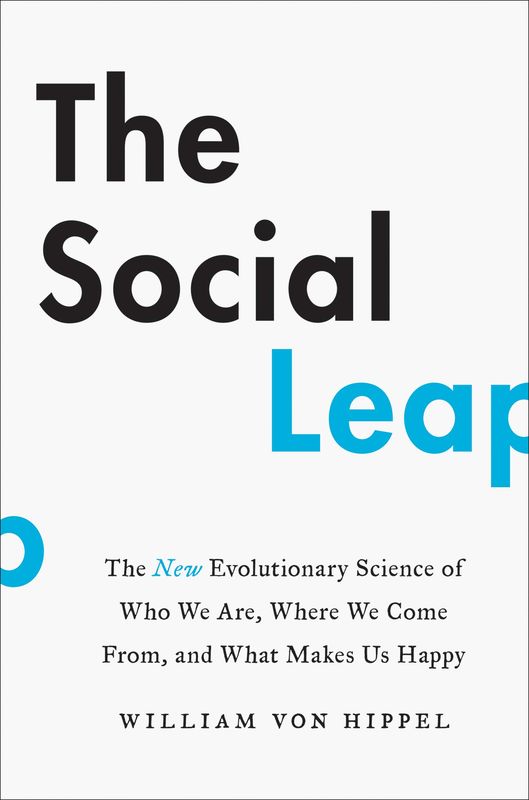
The Social Leap Book Summary
In 'The Social Leap', William von Hippel explores the evolutionary journey of humanity, revealing how our social skills shaped our survival. He illustrates how navigating complex social landscapes was pivotal in our ancestors' adaptation and success. By intertwining psychology, anthropology, and evolutionary biology, Von Hippel uncovers the secrets behind human behavior and social dynamics. The book challenges readers to rethink the significance of cooperation and competition in our daily lives. Prepare to embark on a fascinating journey that will transform your understanding of what it means to be human.
By William von Hippel
Published: 2018
""Our social instincts, honed over millions of years, shape not just our interactions but the very fabric of our societies, reminding us that to understand ourselves, we must first explore our evolutionary roots.""

Start Listening to Book Summary
Book Review of The Social Leap
In the compelling popular science tradition of Sapiens and Guns, Germs, and Steel, a groundbreaking and eye-opening exploration that applies evolutionary science to provide a new perspective on human psychology, revealing how major challenges from our past have shaped some of the most fundamental aspects of our being. The most fundamental aspects of our lives—from leadership and innovation to aggression and happiness—were permanently altered by the "social leap" our ancestors made from the rainforest to the savannah. Their struggle to survive on the open grasslands required a shift from individualism to a new form of collectivism, which forever altered the way our mind works. It changed the way we fight and our proclivity to make peace, it changed the way we lead and the way we follow, it made us innovative but not inventive, it created a new kind of social intelligence, and it led to new sources of life satisfaction. In The Social Leap, William von Hippel lays out this revolutionary hypothesis, tracing human development through three critical evolutionary inflection points to explain how events in our distant past shape our lives today. From the mundane, such as why we exaggerate, to the surprising, such as why we believe our own lies and why fame and fortune are as likely to bring misery as happiness, the implications are far reaching and extraordinary. Blending anthropology, biology, history, and psychology with evolutionary science, The Social Leap is a fresh and provocative look at our species that provides new clues about who we are, what makes us happy, and how to use this knowledge to improve our lives.
Book Overview of The Social Leap
About the Book Author
William von Hippel
William von Hippel is an accomplished author and psychologist known for his expertise in the fields of social psychology and evolutionary psychology. He has authored several notable works, including 'The Social Leap: The New Evolutionary Science of Who We Are, Where We Come From, and What Makes Us Happy' and 'The Origin of Our Species.' His writing style is characterized by clarity and accessibility, making complex psychological concepts relatable to a broad audience.
Book Details
Key information about the book.
- Authors
- William von Hippel
- Published
- November 2018
- Publisher
- Harper Wave
- ISBN
- 0062740393
- Language
- English
- Pages
- 304
- Genres
- Philosophy of MindPhilosophySocial PsychologyPsychology
Purchase Options
 Buy on Amazon
 Buy via BookShop
Support local bookstores: BookShop gives a portion of each sale to independent bookshops!
Similar books you might like →
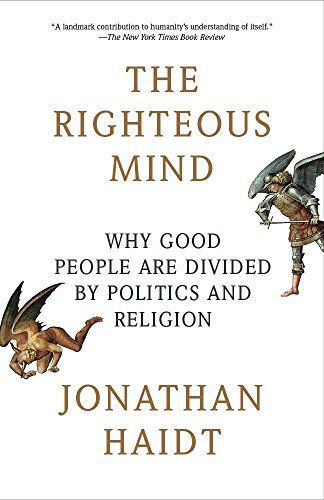
The Righteous Mind Book Summary
In 'The Righteous Mind', Jonathan Haidt explores the intricacies of human morality and its impact on political divisions. He argues that our sense of right and wrong is shaped more by intuition than by reason, leading to deep-seated clashes between differing moral perspectives. Using insights from psychology, sociology, and anthropology, Haidt delves into the reasons why people hold vastly opposing views despite sharing the same facts. The book encourages readers to understand, rather than vilify, opposing beliefs, making it a compelling read for anyone seeking to navigate the complexities of modern discourse. It challenges us to reconsider our moral frameworks and opens the door to greater empathy in an increasingly polarized world.

The Facebook Effect Book Summary
Dive into the phenomenon of Facebook through David Kirkpatrick's eye-opening narrative. This engaging exploration unveils how a simple college project transformed into a global communication powerhouse. Discover the fascinating characters behind its creation and the challenges they faced along the way. Kirkpatrick delves into the societal impact of social media, raising questions about privacy, identity, and connection in a digital age. Prepare to be intrigued by the force that changed how we interact forever!
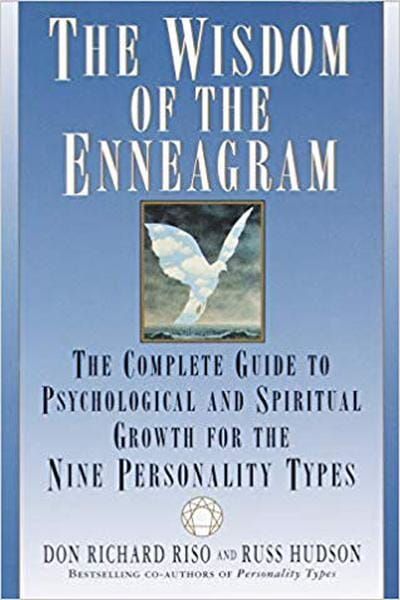
The Wisdom of the Enneagram Book Summary
No summary available

Inversions Book Summary
In a world where reality and perception blur, 'Inversions' by Iain Banks weaves a tale of two parallel narratives—one of a foreign prince in a medieval society and another of a physician in a technologically advanced world. As both characters navigate political intrigue and personal dilemmas, themes of power, morality, and identity emerge. Strange coincidences and philosophical musings challenge the reader to consider the nature of truth and the constructs of society. With rich world-building and layered storytelling, Banks keeps us questioning who the real players are in this richly imagined universe. Will you uncover the hidden connections that bind these seemingly disparate lives?

The Happiness Hypothesis Book Summary
In 'The Happiness Hypothesis', Jonathan Haidt delves into the ancient wisdom of happiness, exploring how age-old philosophies intersect with modern psychology. He presents a compelling argument that our well-being can be influenced by both our external circumstances and internal beliefs. By examining ten great ideas from various cultures, Haidt reveals surprising insights about love, morality, and the meaning of life. This engaging blend of science and philosophy challenges readers to rethink what truly brings happiness. Are we mere puppets of our circumstances, or can we take charge of our own joy?

Pale Fire Book Summary
In 'Pale Fire', a renowned poet named John Shade pens a 999-line poem that becomes the center of a complex, multi-layered narrative. The poem is presented alongside a commentary by his obsessive neighbor, Charles Kinbote, who reveals his own tumultuous past and eccentric worldview. As the two narratives intertwine, secrets unfold and identities blur, leaving readers questioning the nature of authorship and reality. Nabokov's masterful prose invites exploration of obsession, art, and the subjective truths we create. This intricately crafted tale is not just a poem and its analysis, but a thrilling puzzle that challenges perception and understanding.

Christine Book Summary
In 'Christine', Stephen King unveils the chilling tale of a 1958 Plymouth Fury that possesses a life of its own. As the car's new owner, a troubled teenager named Arnie becomes increasingly obsessed, he transforms from an awkward outcast into a confident and reckless young man. But as Christine's malevolent spirit takes over, Arnie's relationships and sanity begin to unravel, leading to deadly consequences. The story weaves themes of obsession, evil, and the clash between humanity and the machine. Will anyone be able to save Arnie from the grasp of his possessed car before it's too late?

Handbook of Social Psychology, Volume 1 Book Summary
Dive into the depths of the human mind with the 'Handbook of Social Psychology, Volume 1,' where renowned experts explore the intricacies of social behavior and theory. From the nuances of interpersonal attraction to the ripple effects of group dynamics, this comprehensive volume unveils the science behind our interactions. Each chapter is a gateway to understanding how societal influences shape our beliefs, decisions, and identities. With a rich tapestry of research and real-world applications, this book promises to challenge your preconceptions about humanity. Prepare to embark on a captivating journey through the psychology that governs our social world!
Showing 8 of 28 similar books
Take your reading experience to the next level
Download our mobile app to enjoy your favorite books on the go. Get access to exclusive features, offline listening, and personalized recommendations.

Similar Book Recommendations →

David Heinemeier Hansson's Book Recommendations
David Heinemeier Hansson, also known as DHH, is a Danish programmer, entrepreneur, and author, best known as the creator of Ruby on Rails, a popular web application framework. Heinemeier Hansson is also a partner at Basecamp, a project management and collaboration software company he co-founded. His contributions to software development have earned him widespread recognition, with Ruby on Rails being used by thousands of developers and companies worldwide. Heinemeier Hansson is also a vocal advocate for remote work, simplicity in business, and sustainable work practices, ideas he explores in his bestselling books Rework and It Doesn’t Have to Be Crazy at Work. In addition to his work in tech, he is an accomplished race car driver, having competed in the 24 Hours of Le Mans. Heinemeier Hansson’s approach to work-life balance and entrepreneurship has made him a thought leader in the tech community, where he continues to challenge traditional business practices and advocate for more human-centered approaches to work

Lex Fridman's Book Recommendations
Lex Fridman is an artificial intelligence researcher, podcaster, and MIT professor, known for his work in autonomous vehicles, robotics, and deep learning. Fridman has gained widespread popularity through his podcast, Lex Fridman Podcast, where he interviews leading thinkers in science, technology, and philosophy, exploring topics like AI, consciousness, and the future of humanity. His academic work focuses on human-centered AI, aiming to create machines that can better understand and interact with humans. Fridman’s ability to distill complex topics into accessible conversations has earned him a large following, and his podcast is known for its thoughtful, in-depth discussions with some of the brightest minds of our time. He is also an advocate for the responsible development of AI, emphasizing the ethical implications of this rapidly advancing technology. Outside of academia and podcasting, Fridman is a practitioner of jiu-jitsu and frequently speaks about the importance of discipline and continuous learning.

Naval Ravikant's Book Recommendations
Naval Ravikant is an entrepreneur, angel investor, and philosopher, best known as the co-founder of AngelList, a platform that connects startups with investors. Ravikant is a prolific thinker and writer on topics such as startups, investing, and personal well-being, sharing his wisdom through essays, podcasts, and social media. He has invested in over 100 companies, including Uber, Twitter, and Yammer, making him one of Silicon Valley’s most successful angel investors. Ravikant is also known for his philosophical musings on wealth, happiness, and the meaning of life, which have garnered him a large and dedicated following.

Nat Eliason's Book Recommendations
Nat Eliason is an influential writer, entrepreneur, and educator known for his insightful work on personal growth, productivity, and digital marketing. He founded Growth Machine, a successful SEO and content marketing agency that has helped numerous companies expand their online presence. Eliason's thought-provoking articles on his blog cover a wide range of topics, from philosophy to health, attracting a large and engaged audience. Additionally, he authored "Effortless Output with Roam," a comprehensive guide on using the Roam Research tool for knowledge management. Through his diverse contributions, Eliason has established himself as a significant voice in the realms of self-improvement and digital strategy.

Bill Gates's Book Recommendations
Bill Gates, co-founder of Microsoft Corporation, is a pioneering figure in the tech industry, having played a key role in the personal computer revolution. His work at Microsoft, particularly the development of Windows, transformed software and computing globally. Beyond his technology contributions, Gates is also a prolific author, with notable works such as "The Road Ahead" and "Business @ the Speed of Thought," which offer insights into the future of technology and business. Additionally, his philanthropic efforts through the Bill & Melinda Gates Foundation have had a profound impact on global health, education, and poverty. Gates continues to influence both technology and literature with his forward-thinking perspectives and innovative ideas.

Dennis Prager's Book Recommendations
Dennis Prager is an American conservative radio talk show host, writer, and public speaker, best known for his influential role in broadcasting and his extensive contributions to political commentary. He co-founded PragerU, a non-profit organization that produces short educational videos on various topics, which has garnered millions of views worldwide. As an author, Prager has written several best-selling books, including "Still the Best Hope," "The Rational Bible," and "Happiness Is a Serious Problem." His works often explore themes of religion, morality, and American values. Additionally, Prager's columns and essays have been widely published, solidifying his status as a prominent voice in contemporary conservative thought.

Brendon Burchard's Book Recommendations
Brendon Burchard is a high-performance coach, motivational speaker, and bestselling author, best known for his books High Performance Habits and The Motivation Manifesto. He helps individuals and organizations achieve peak performance through strategies focused on clarity, energy, and productivity. Brendon’s work emphasizes the importance of personal growth and developing habits that lead to sustained success. He has coached Fortune 500 CEOs, Olympians, and other high-achieving individuals. Brendon is also the founder of the High Performance Academy, where he trains people to lead more impactful and successful lives.

Gretchen Rubin's Book Recommendations
Gretchen Rubin is a bestselling author and happiness expert, best known for her books The Happiness Project and Better Than Before. She explores the science of habits, happiness, and human behavior, helping readers improve their everyday lives. Gretchen’s popular podcast, Happier with Gretchen Rubin, offers practical advice and personal anecdotes to cultivate a more joyful and meaningful life. Her work emphasizes small, daily changes that can lead to long-term well-being. She continues to be a sought-after speaker on topics of happiness and habit formation.
Showing 8 of 11 related collections
“"Our social instincts, honed over millions of years, shape not just our interactions but the very fabric of our societies, reminding us that to understand ourselves, we must first explore our evolutionary roots."”
The Social Leap
By William von Hippel
Frequently Asked Questions
Explore Our Catalogue
Discover a world of knowledge through our extensive collection of book summaries.
Genres
Genres
Genres
Featured Collections
- Top Book Club Picks
- One-Stop Nutrition
- Summer Reads 2024
- Best Beach Reads 2024
- Work-Life Balance Guide
- Time Management
- Healthy Foods
- Entrepreneur Toolkit
- Mind & Body Wellness
- Future Tech Insights
- Leadership Essentials
- Financial Freedom
- Sci-Fi Masterpieces
- Parenting 101
- Books That Became Blockbusters
- Guide to a Healthy Pregnancy