The Survival of the Bark Canoe Book Summary
In 'The Survival of the Bark Canoe,' John McPhee embarks on a captivating journey through the art and tradition of constructing bark canoes in North America. He intertwines history, culture, and personal anecdotes, revealing how this ancient craft is at risk of vanishing. As he immerses himself in both the craftsmanship and the significance of these canoes, readers discover the profound connection between people and nature. McPhee's narrative is rich with insight, inviting readers to reflect on sustainability and heritage. Will this time-honored skill endure, or will it drift into obscurity?
By John McPhee
Published: 1982
"The bark canoe is not just a vessel; it is a testament to the ingenuity of those who shaped it from the trees and waters of their world."


Start Listening to Book Summary
Book Review of The Survival of the Bark Canoe
In Greenville, New Hampshire, a small town in the southern part of the state, Henri Vaillancourt makes birch-bark canoes in the same manner and with the same tools that the Indians used. The Survival of the Bark Canoe is the story of this ancient craft and of a 150-mile trip through the Maine woods in those graceful survivors of a prehistoric technology. It is a book squarely in the tradition of one written by the first tourist in these woods, Henry David Thoreau, whose The Maine Woods recounts similar journeys in similar vessel. As McPhee describes the expedition he made with Vaillancourt, he also traces the evolution of the bark canoe, from its beginnings through the development of the huge canoes used by the fur traders of the Canadian North Woods, where the bark canoe played the key role in opening up the wilderness. He discusses as well the differing types of bark canoes, whose construction varied from tribe to tribe, according to custom and available materials. In a style as pure and as effortless as the waters of Maine and the glide of a canoe, John McPhee has written one of his most fascinating books, one in which his talents as a journalist are on brilliant display.
Book Overview of The Survival of the Bark Canoe
About the Book Author
John McPhee
John McPhee is an acclaimed American author and journalist, known for his masterful narrative nonfiction and intricate storytelling. Born on March 8, 1931, he has penned numerous influential works, including 'Coming into the Country,' 'The Control of Nature,' and 'Annals of the Former World,' which won the Pulitzer Prize for Biography or Autobiography in 1999. McPhee's writing often emphasizes detailed research, vivid prose, and a deep sense of place, reflecting his keen interest in human interaction with the natural world. His ability to merge personal narrative with larger themes has made him a significant figure in contemporary literature.
Book Details
Key information about the book.
- Authors
- John McPhee
- Published
- May 1982
- Publisher
- Farrar, Straus and Giroux
- ISBN
- 0374516936
- Language
- English
- Pages
- 160
- Genres
- HistoryCultural HistoryEnvironmental ScienceArts and Culture
Purchase Options
 Buy on Amazon
 Buy via BookShop
Support local bookstores: BookShop gives a portion of each sale to independent bookshops!
Similar books you might like →
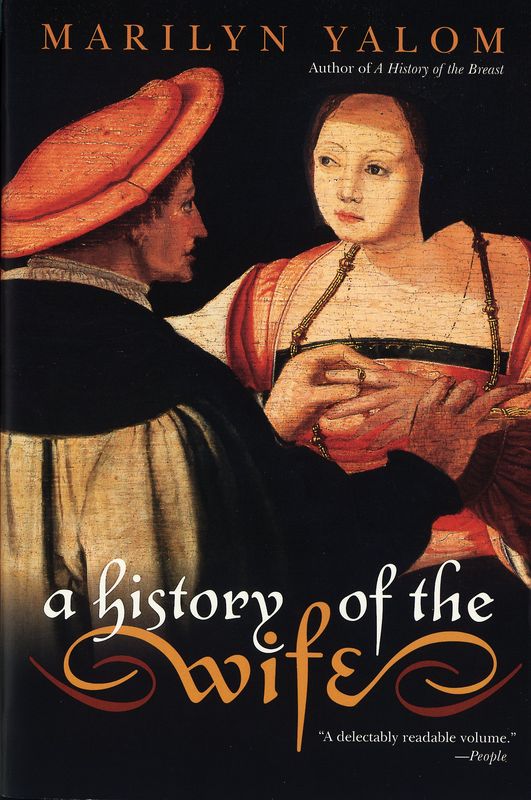
A History of the Wife Book Summary
In 'A History of the Wife', Marilyn Yalom unveils the often-overlooked narratives of women throughout history, exploring the evolution of marriage and the roles of wives in society. Through a blend of historical analysis and personal anecdotes, Yalom reveals the complex dynamics between love, obligation, and identity. Readers journey through various cultures and time periods, witnessing the shifting expectations placed on wives. This illuminating work challenges conventional views on marriage, inviting reflection on contemporary relationships. A must-read for anyone curious about how the past influences the present in the realm of love and partnership.
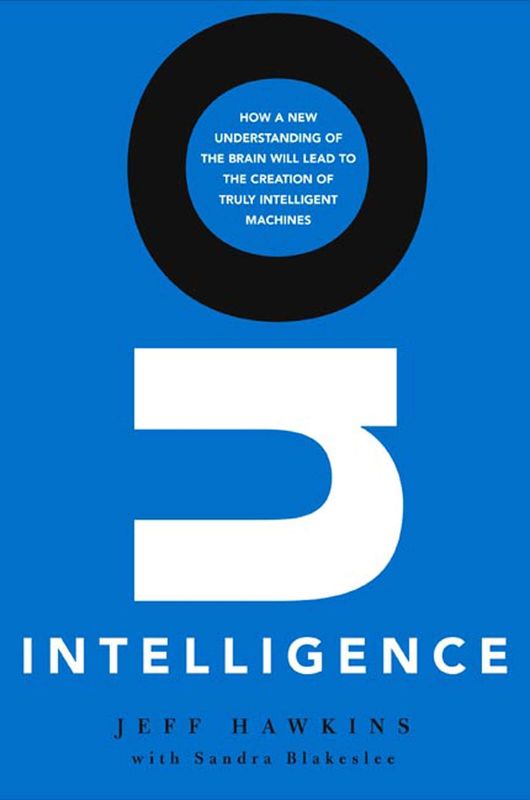
On Intelligence Book Summary
In 'On Intelligence,' Jeff Hawkins proposes a revolutionary theory of how the brain processes information, challenging traditional notions of intelligence. With a blend of neuroscience and cognitive science, Hawkins introduces the concept of the memory-prediction framework, suggesting that intelligence arises from our ability to predict future events based on past experiences. He argues that understanding this mechanism is key to replicating human-like intelligence in machines. The book is filled with intriguing insights and thought-provoking ideas, making readers reconsider what it truly means to be intelligent. A must-read for anyone curious about the intersections of brain function, consciousness, and artificial intelligence.
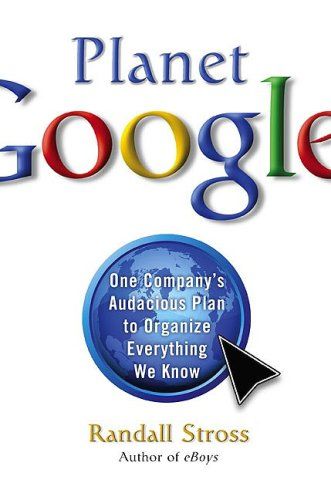
Planet Google Book Summary
'Planet Google' by Randall Stross explores the inner workings and cultural impact of one of the most influential companies in the world. Stross delves into the company's secretive operations, innovative technologies, and ambitious goals, revealing a corporate giant that reshapes how we access information. With insights into Google's unique corporate culture and its implications for society, the book raises questions about privacy, data ownership, and the future of information. Readers will be captivated by the contrast between Google's idealistic mission and the realities of its influence on daily life. This engaging narrative not only chronicles the rise of Google but also invites reflection on the digital era we inhabit.
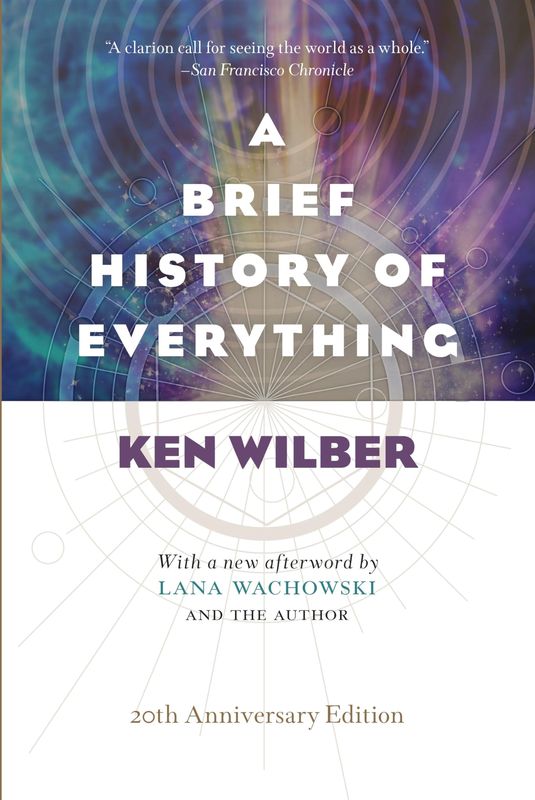
A Brief History of Everything (20th Anniversary Edition) Book Summary
In 'A Brief History of Everything', Ken Wilber takes readers on an enlightening journey through the evolution of consciousness and the unfolding of human history. He skillfully weaves together insights from philosophy, science, and spirituality, offering a holistic perspective on our existence. Discover how various cultural paradigms intersect and influence our understanding of reality. This thought-provoking exploration challenges conventional views and invites readers to contemplate their place in the cosmos. What if the key to our future lies in understanding the past in a radically new way?

Hardcore History Book Summary
In 'Hardcore History', Dan Carlin takes listeners on an epic auditory journey through the annals of human conflict, exploring the profound impact of war on civilization. His vivid storytelling and deep analysis breathe life into historical events, making even the most distant eras feel immediate and relevant. With a unique blend of passion and intellect, Carlin challenges conventional narratives, urging us to question what we think we know about our past. Each episode transforms history into a gripping tale of human drama, complete with the moral dilemmas faced by our ancestors. Prepare to rethink history as you uncover the haunting truths hidden in the echoes of time.
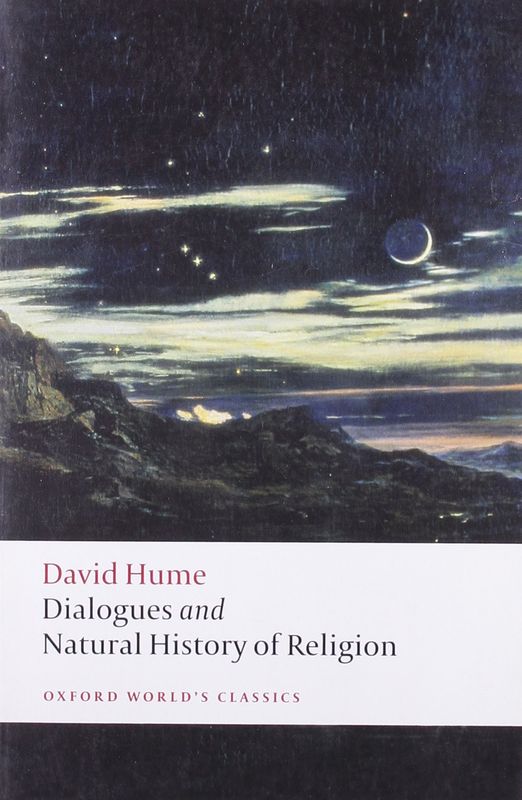
The Natural History of Religion Book Summary
In 'The Natural History of Religion,' David Hume explores the origins and development of religious beliefs across cultures. Through a blend of philosophy and empirical observation, Hume delves into the psychological and sociological factors that shape religion. His analysis raises provocative questions about the nature of faith and reason, challenging conventional views. As he uncovers the underlying motives for belief, readers are compelled to reconsider their own perspectives on spirituality. This thought-provoking work invites readers on a journey through the complexities of human belief systems.
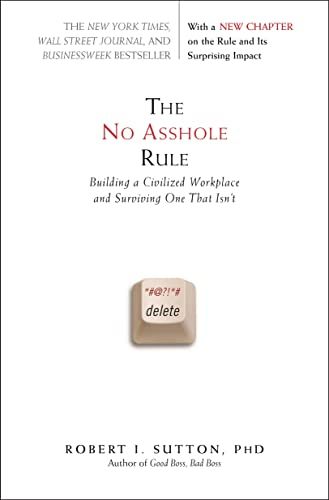
The No Asshole Rule Book Summary
In 'The No Asshole Rule,' Robert I. Sutton explores the toxic effects of toxic individuals in the workplace and beyond. He compellingly argues that environments free from harassment and negativity foster creativity and productivity. Through engaging anecdotes and research, Sutton offers a humorous yet serious guide on identifying and dealing with bullies and jerks. His thought-provoking insights challenge readers to reflect on their own interactions and workplace dynamics. Ultimately, the book serves as both a manifesto for kindness and a practical tool for creating healthier, more supportive environments.

A Little History of the World Book Summary
In 'A Little History of the World,' E. H. Gombrich takes readers on an enchanting journey through the vast expanse of human history, from prehistoric times to the modern age. With a unique blend of storytelling and insightful analysis, Gombrich makes complex historical events accessible and engaging for readers of all ages. Each chapter unfolds like a vivid tapestry, weaving together the lives of remarkable figures and significant moments that shaped our world. This compelling narrative challenges us to reflect on our shared past and consider the lessons it holds for the future. Prepare to be captivated by a history that isn’t just about dates and facts, but the vivid tales of humanity itself!
Showing 8 of 30 similar books
Take your reading experience to the next level
Download our mobile app to enjoy your favorite books on the go. Get access to exclusive features, offline listening, and personalized recommendations.

Similar Book Recommendations →

Daniel Pink's Book Recommendations
Daniel Pink is a renowned American author known for his groundbreaking work in the fields of business, work, and behavior. He has penned several bestselling books, including "Drive: The Surprising Truth About What Motivates Us," which explores the science of motivation and has been translated into over 30 languages. Pink's "A Whole New Mind" and "To Sell is Human" have also received critical acclaim, cementing his reputation as a thought leader. His insightful TED Talks and frequent contributions to major publications further amplify his influence. Pink's work has significantly shaped contemporary understanding of motivation, creativity, and the modern workplace.

Mike Phillips's Book Recommendations
Mike Phillips is a distinguished British author and journalist, best known for his groundbreaking crime fiction series featuring black detective Sam Dean. Born in Guyana and raised in London, Phillips has significantly contributed to the portrayal of black British experiences in literature. His debut novel, "Blood Rights," received critical acclaim and solidified his reputation as a formidable voice in crime writing. Beyond fiction, Phillips has also made substantial contributions to journalism and academia, notably co-authoring "Windrush: The Irresistible Rise of Multi-Racial Britain," which chronicles the experiences of Caribbean immigrants in the UK. His work has not only entertained but also provided profound social commentary, earning him a lasting place in contemporary British literature.

Michael Pollan's Book Recommendations
Michael Pollan is a renowned American author and journalist, celebrated for his insightful explorations of food, agriculture, and human culture. His groundbreaking book, "The Omnivore's Dilemma," published in 2006, critically examines the complexities of the modern food industry and has become a seminal work in food studies. Pollan's engaging narrative style and thorough research have earned him a place on The New York Times Best Seller list multiple times. In addition to his literary contributions, he is also a professor of journalism at the University of California, Berkeley. Pollan's work continues to influence public discourse on sustainable eating and the ethical implications of food choices.

Naval Ravikant's Book Recommendations
Naval Ravikant is an entrepreneur, angel investor, and philosopher, best known as the co-founder of AngelList, a platform that connects startups with investors. Ravikant is a prolific thinker and writer on topics such as startups, investing, and personal well-being, sharing his wisdom through essays, podcasts, and social media. He has invested in over 100 companies, including Uber, Twitter, and Yammer, making him one of Silicon Valley’s most successful angel investors. Ravikant is also known for his philosophical musings on wealth, happiness, and the meaning of life, which have garnered him a large and dedicated following.

Bret Victor's Book Recommendations
Bret Victor is a renowned American interface designer and computer scientist celebrated for his innovative contributions to interactive design and human-computer interaction. He is best known for creating dynamic, explorable explanations, which have significantly influenced the way educational content is presented and understood. Victor's seminal work, "Inventing on Principle," advocates for the integration of immediate feedback in creative processes, inspiring a new wave of interactive programming environments. As a former member of the Apple Human Interface team, he played a pivotal role in shaping modern user interfaces. Through his organization, Dynamicland, Victor continues to explore and expand the boundaries of immersive, collaborative computing environments.

Marc Andreessen's Book Recommendations
Marc Andreessen is an American entrepreneur, software engineer, and venture capitalist, best known for co-creating the Mosaic web browser, the first widely-used web browser, and co-founding Netscape. Andreessen is also the co-founder of Andreessen Horowitz, one of Silicon Valley’s most prominent venture capital firms, where he invests in groundbreaking technology companies like Facebook, Airbnb, and Coinbase. He is a thought leader on the impact of technology and innovation, often sharing his views on the future of the internet and startups. His contributions to the development of the web and the tech ecosystem have made him one of the most influential figures in technology.

Vinod Khosla's Book Recommendations
Vinod Khosla is an Indian-American venture capitalist and co-founder of Sun Microsystems, one of the companies that helped drive the development of the internet. Khosla is the founder of Khosla Ventures, a venture capital firm that focuses on early-stage investments in technology and energy. He is known for his bold approach to investing, often backing companies working on breakthrough technologies in areas like renewable energy, healthcare, and artificial intelligence. Khosla is a vocal advocate for using technology to solve some of the world’s biggest problems. His visionary approach to investing has made him one of the most influential figures in Silicon Valley.

Barack Obama's Book Recommendations
Barack Obama is the 44th President of the United States, serving from 2009 to 2017. As the first African American president, Obama’s leadership marked a historic moment in American history. His administration focused on healthcare reform, economic recovery from the Great Recession, and environmental policies. He is best known for the Affordable Care Act, as well as his efforts to expand civil rights and restore diplomatic relations with Cuba. Since leaving office, Obama has continued to engage in public life through his foundation, focusing on leadership development, civic engagement, and global issues.
Showing 8 of 15 related collections
“The bark canoe is not just a vessel; it is a testament to the ingenuity of those who shaped it from the trees and waters of their world.”
The Survival of the Bark Canoe
By John McPhee
Frequently Asked Questions
Explore Our Catalogue
Discover a world of knowledge through our extensive collection of book summaries.
Genres
Genres
Genres
Featured Collections
- Top Book Club Picks
- One-Stop Nutrition
- Summer Reads 2024
- Best Beach Reads 2024
- Work-Life Balance Guide
- Time Management
- Healthy Foods
- Entrepreneur Toolkit
- Mind & Body Wellness
- Future Tech Insights
- Leadership Essentials
- Financial Freedom
- Sci-Fi Masterpieces
- Parenting 101
- Books That Became Blockbusters
- Guide to a Healthy Pregnancy