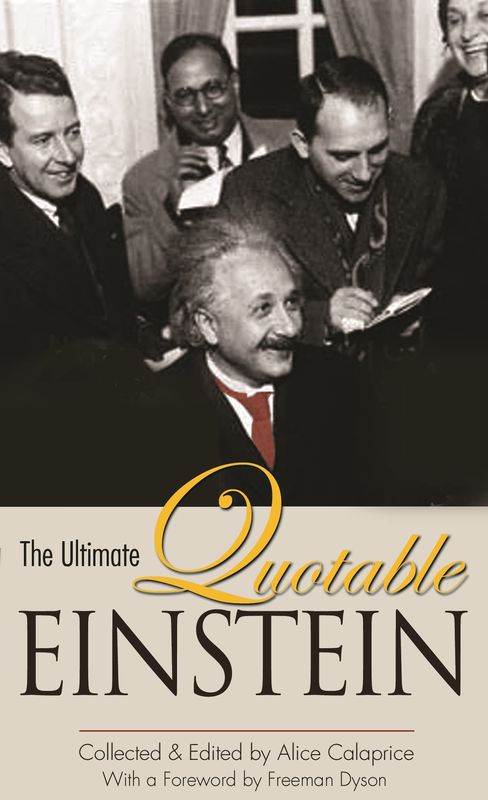
The Ultimate Quotable Einstein Book Summary
'The Ultimate Quotable Einstein' is a captivating collection of the famed physicist's most profound and insightful quotes. Each quote reveals not only Einstein's brilliance in science but also his keen observations on life, humanity, and philosophy. Readers will discover how Einstein's thoughts on imagination, curiosity, and integrity transcend time and continue to inspire generations. With a blend of wit and wisdom, this anthology invites readers to ponder the deeper meanings behind Einstein's words. Dive into the mind of a genius and explore the quotes that have shaped our understanding of the universe and our place within it.
By Albert Einstein
Published: 2013
"Imagination is more important than knowledge. For knowledge is limited, whereas imagination embraces the entire world, stimulating progress, giving birth to evolution."

Start Listening to Book Summary
Book Review of The Ultimate Quotable Einstein
This is the definitive edition of the hugely popular collection of Einstein quotations that has sold tens of thousands of copies worldwide and been translated into twenty-five languages. The Ultimate Quotable Einstein features roughly 1,600 quotes in all. This paperback edition includes sections unique to the ultimate collection--"On and to Children," "On Race and Prejudice," and "Einstein's Verses: A Small Selection"--as well as a chronology of Einstein's life and accomplishments, Freeman Dyson's authoritative foreword, and commentary and descriptive source notes by Alice Calaprice.
Book Overview of The Ultimate Quotable Einstein
About the Book Author
Albert Einstein
Albert Einstein (1879-1955) was a theoretical physicist and cosmologist, best known for developing the theory of relativity, one of the two pillars of modern physics alongside quantum mechanics. His most notable works include the revolutionary paper "Zur Elektrodynamik bewegter Körper" (On the Electrodynamics of Moving Bodies) published in 1905, where he introduced the concept of special relativity, and the general theory of relativity published in 1915, which transformed our understanding of gravity. Einstein's writing style is characterized by clarity and precision, making complex scientific concepts accessible to a wider audience. He was also an outspoken thinker on social and political issues, contributing to various publications and advocating for civil rights, pacifism, and education.
Book Details
Key information about the book.
- Authors
- Albert Einstein
- Published
- September 2013
- Publisher
- Princeton University Press
- ISBN
- 0691160147
- Language
- English
- Pages
- 608
- Genres
- Western PhilosophyPhilosophyScience and NatureScientific DiscoveriesEastern Philosophy
Purchase Options
 Buy on Amazon
 Buy via BookShop
Support local bookstores: BookShop gives a portion of each sale to independent bookshops!
Similar books you might like →
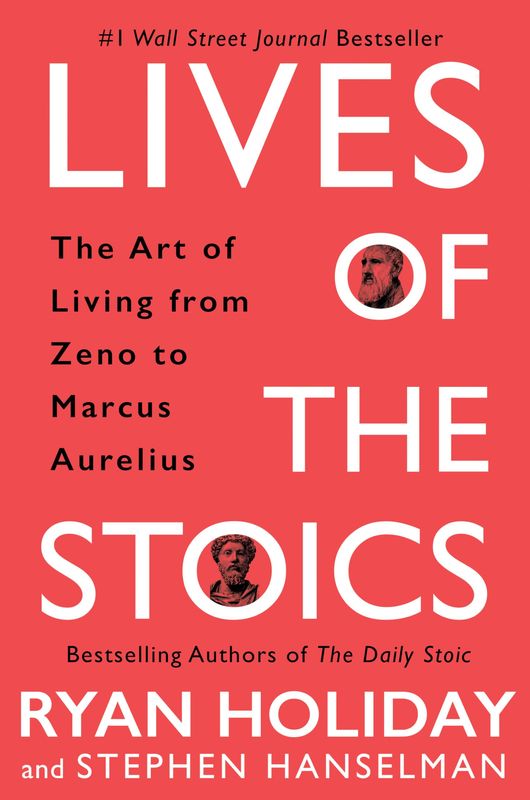
Lives of the Stoics Book Summary
In "Lives of the Stoics," Ryan Holiday and Stephen Hanselman blend biography with philosophy, illuminating the lives of history's most influential Stoic thinkers. Each chapter reveals not just their teachings, but the trials, triumphs, and personal struggles that shaped their philosophies. Discover how figures like Seneca and Epictetus navigated adversity, power, and personal loss, offering timeless wisdom for modern dilemmas. The book invites readers to ponder how these ancient insights can be harnessed to cultivate resilience in today's chaotic world. Are you ready to explore the transformative power of Stoicism through the lives of its greatest practitioners?
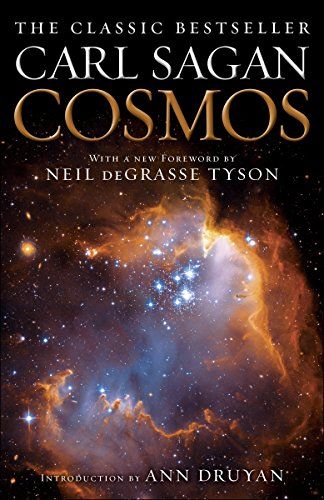
Cosmos Book Summary
In "Cosmos," Carl Sagan embarks on a thrilling expedition through space and time, weaving together the threads of science, history, and philosophy. With stunning prose, he unveils the wonders of the universe, exploring the birth of stars, the evolution of life, and the intricacies of human existence. Sagan’s passion for discovery ignites a sense of awe, inviting readers to ponder our place within the vast cosmos. As he delves into topics from alien civilizations to the origins of consciousness, each page beckons you to rethink what you know about the universe. Prepare to be captivated by a journey that challenges the boundaries of human understanding, leaving you eager to uncover the mysteries that lie beyond the stars.
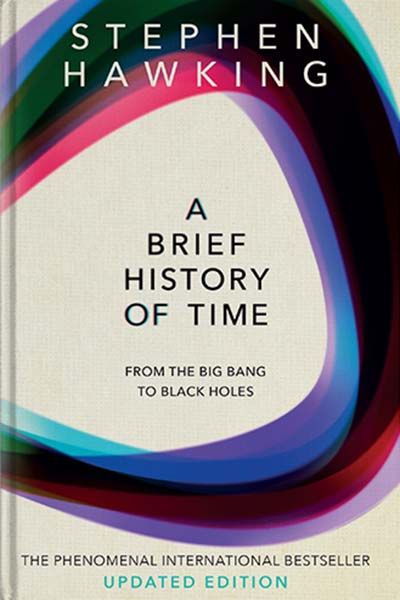
A Brief History of Time Book Summary
In "A Brief History of Time," Stephen Hawking takes readers on a captivating journey through the cosmos, exploring the nature of time, black holes, and the universe's beginnings. With stunning clarity, he unravels complex scientific concepts, inviting everyone—from curious laypersons to seasoned physicists—to ponder the mysteries of existence. Hawking's charismatic storytelling challenges our perceptions of reality and time itself, posing profound questions about the universe's fate. As he merges science with philosophy, the reader is compelled to reflect on their place in a vast, enigmatic cosmos. Prepare to be inspired and awed by a narrative that transcends mere facts, pushing the boundaries of human understanding.
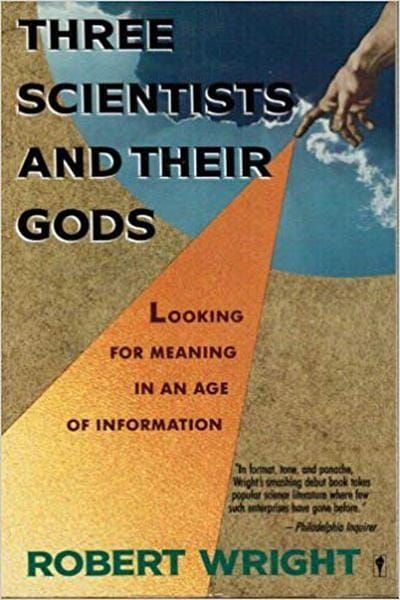
Three Scientists and Their Gods Book Summary
In 'Three Scientists and Their Gods', Robert Wright explores the profound connections between science, religion, and the human experience. He delves into the lives and thoughts of three pivotal figures—Albert Einstein, Charles Darwin, and Isaac Newton—revealing how their groundbreaking ideas reshaped our understanding of the universe. Through a captivating narrative, Wright challenges the dichotomy between faith and reason, urging readers to consider the spiritual implications of scientific discoveries. With philosophical depth and historical insight, the book raises tantalizing questions about the nature of existence and the divine. Are our beliefs about God shaped by our scientific understanding, or is there something more? Discover how these monumental thinkers grappled with the mysteries of life.
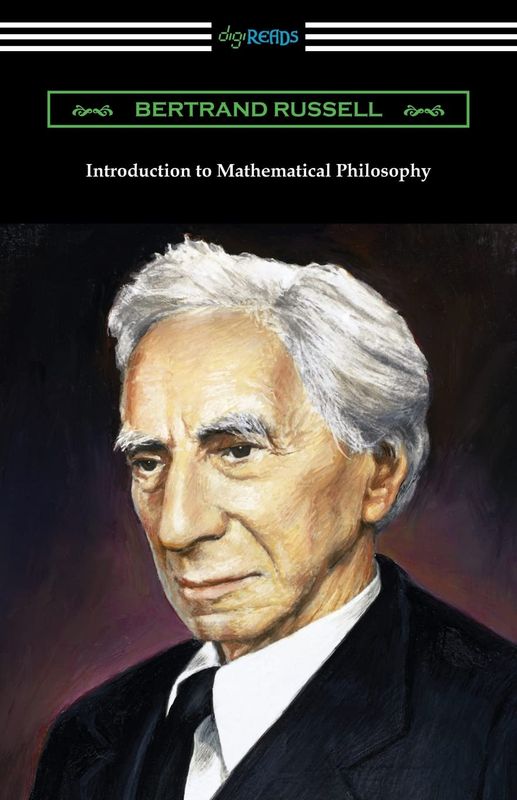
Introduction to Mathematical Philosophy Book Summary
In 'Introduction to Mathematical Philosophy,' Bertrand Russell takes readers on a fascinating journey through the foundations of mathematics and its philosophical implications. He explores concepts such as numbers, infinity, and the nature of mathematical truth, challenging conventional thinking. With his unique blend of clarity and insight, Russell demystifies complex ideas, revealing the profound connections between logic and mathematics. This thought-provoking work not only invites readers to rethink their understanding of numbers but also questions the very essence of reality itself. A must-read for anyone intrigued by the interplay of philosophy and mathematics, this book promises to expand your horizons.
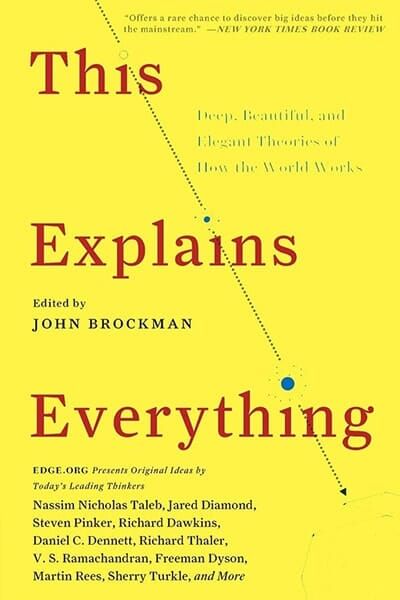
This Explains Everything Book Summary
In 'This Explains Everything,' editor John Brockman curates a fascinating collection of essays from leading thinkers and innovators, each offering their unique perspectives on the fundamental questions of existence. From science to philosophy, the contributors delve into topics that range from the origin of life to the complexities of human behavior. Through these thought-provoking insights, the book explores the intersection of knowledge and curiosity, igniting a spark for deeper exploration in the reader. Readers are left to ponder not just ‘what’ explains everything, but ‘how’ these ideas shape our understanding of the world. Join Brockman on a journey that challenges assumptions and encourages a relentless quest for clarity in a complex universe.

12 Rules for Life Book Summary
In '12 Rules for Life', psychologist Jordan B. Peterson distills life lessons from psychology, philosophy, and mythology into twelve profound principles for personal growth. Each rule invites readers to confront the chaos of existence and embrace responsibility, guiding them toward meaning and order. Peterson's compelling narratives and incisive insights challenge conventional wisdom, urging self-reflection and accountability. As readers navigate through the complexities of life, they discover how to build a stable foundation for themselves and their communities. This thought-provoking book promises to provoke deep contemplation and inspire transformative change.
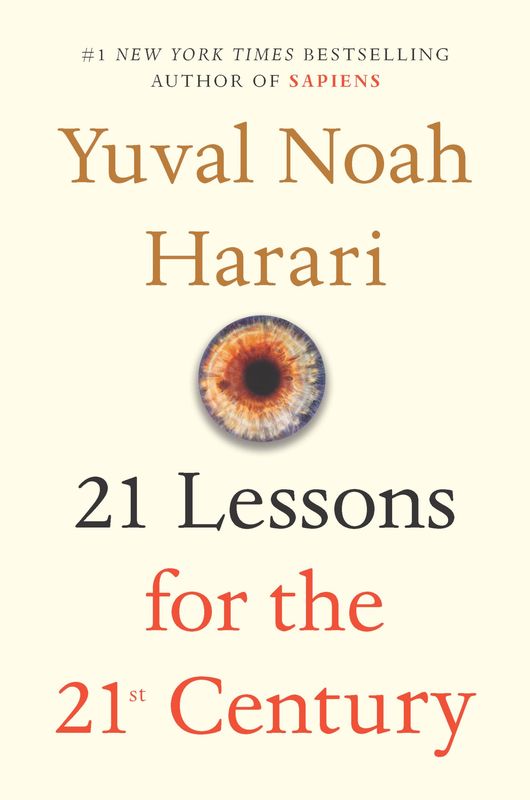
21 Lessons for the 21st Century Book Summary
In '21 Lessons for the 21st Century', Yuval Noah Harari navigates the complex landscape of today's world, tackling urgent questions about our future. From the impact of technology on society to the challenges of political stability, each lesson provokes thought and introspection. Harari explores key themes such as the rise of artificial intelligence, the significance of data, and the importance of meaning in an increasingly uncertain world. With a blend of history, philosophy, and science, the book invites readers to reflect on their roles in shaping a shared future. Will we adapt, or become obsolete? Dive in to uncover the lessons that could redefine humanity's path.
Showing 8 of 23 similar books
Take your reading experience to the next level
Download our mobile app to enjoy your favorite books on the go. Get access to exclusive features, offline listening, and personalized recommendations.

Similar Book Recommendations →

Michael Pollan's Book Recommendations
Michael Pollan is a renowned American author and journalist, celebrated for his insightful explorations of food, agriculture, and human culture. His groundbreaking book, "The Omnivore's Dilemma," published in 2006, critically examines the complexities of the modern food industry and has become a seminal work in food studies. Pollan's engaging narrative style and thorough research have earned him a place on The New York Times Best Seller list multiple times. In addition to his literary contributions, he is also a professor of journalism at the University of California, Berkeley. Pollan's work continues to influence public discourse on sustainable eating and the ethical implications of food choices.

Lex Fridman's Book Recommendations
Lex Fridman is an artificial intelligence researcher, podcaster, and MIT professor, known for his work in autonomous vehicles, robotics, and deep learning. Fridman has gained widespread popularity through his podcast, Lex Fridman Podcast, where he interviews leading thinkers in science, technology, and philosophy, exploring topics like AI, consciousness, and the future of humanity. His academic work focuses on human-centered AI, aiming to create machines that can better understand and interact with humans. Fridman’s ability to distill complex topics into accessible conversations has earned him a large following, and his podcast is known for its thoughtful, in-depth discussions with some of the brightest minds of our time. He is also an advocate for the responsible development of AI, emphasizing the ethical implications of this rapidly advancing technology. Outside of academia and podcasting, Fridman is a practitioner of jiu-jitsu and frequently speaks about the importance of discipline and continuous learning.

Naval Ravikant's Book Recommendations
Naval Ravikant is an entrepreneur, angel investor, and philosopher, best known as the co-founder of AngelList, a platform that connects startups with investors. Ravikant is a prolific thinker and writer on topics such as startups, investing, and personal well-being, sharing his wisdom through essays, podcasts, and social media. He has invested in over 100 companies, including Uber, Twitter, and Yammer, making him one of Silicon Valley’s most successful angel investors. Ravikant is also known for his philosophical musings on wealth, happiness, and the meaning of life, which have garnered him a large and dedicated following.

Charlie Munger's Book Recommendations
Charlie Munger is an American investor, businessman, and philanthropist, best known as the vice chairman of Berkshire Hathaway, where he partners with Warren Buffett. Renowned for his insights on investment strategies and mental models, Munger has significantly influenced the world of finance. His notable literary contributions include "Poor Charlie's Almanack," a compilation of his speeches and writings that distill his wisdom on decision-making and business principles. Munger's work emphasizes the importance of multidisciplinary thinking and continuous learning. Beyond his financial acumen, he is celebrated for his charitable efforts, particularly in education and healthcare.

Nat Eliason's Book Recommendations
Nat Eliason is an influential writer, entrepreneur, and educator known for his insightful work on personal growth, productivity, and digital marketing. He founded Growth Machine, a successful SEO and content marketing agency that has helped numerous companies expand their online presence. Eliason's thought-provoking articles on his blog cover a wide range of topics, from philosophy to health, attracting a large and engaged audience. Additionally, he authored "Effortless Output with Roam," a comprehensive guide on using the Roam Research tool for knowledge management. Through his diverse contributions, Eliason has established himself as a significant voice in the realms of self-improvement and digital strategy.

Steven Pinker's Book Recommendations
Steven Pinker is a Canadian-American cognitive psychologist, linguist, and author, best known for his work on language, the mind, and human nature. Pinker has written several best-selling books, including The Better Angels of Our Nature and Enlightenment Now, where he argues that human progress is real and measurable, often citing data to show that violence, poverty, and other negative trends have been declining over time. He is also a professor at Harvard University and a frequent public intellectual who speaks on topics related to science, reason, and progress. Pinker’s optimistic view of human development has made him a leading figure in modern intellectual discourse.

Tim Ferriss's Book Recommendations
Tim Ferriss is a bestselling author, entrepreneur, and podcast host, best known for his book The 4-Hour Workweek, which advocates for designing a lifestyle of financial and personal freedom through efficiency and outsourcing. He has written several other books, including Tools of Titans and Tribe of Mentors, compiling lessons from interviews with high achievers across industries. Ferriss’s podcast, The Tim Ferriss Show, is one of the most popular in the world, where he interviews leaders and influencers about their habits, strategies, and personal development. He is known for his emphasis on productivity, health, and optimizing performance.

Jordan Peterson's Book Recommendations
Jordan Peterson is a Canadian psychologist, author, and professor, best known for his work on psychology, political philosophy, and cultural criticism. His book 12 Rules for Life: An Antidote to Chaos became a global bestseller, offering advice on personal responsibility, order, and meaning in life. Peterson’s lectures, which cover topics like mythology, religion, and self-improvement, have garnered millions of views online, making him a polarizing figure in both academic and popular circles. He is known for his critiques of political correctness and his emphasis on individual responsibility. Peterson’s influence has sparked widespread debate about free speech, identity politics, and mental health.
Showing 8 of 10 related collections
“Imagination is more important than knowledge. For knowledge is limited, whereas imagination embraces the entire world, stimulating progress, giving birth to evolution.”
The Ultimate Quotable Einstein
By Albert Einstein
Frequently Asked Questions
Explore Our Catalogue
Discover a world of knowledge through our extensive collection of book summaries.
Genres
Genres
Genres
Featured Collections
- Top Book Club Picks
- One-Stop Nutrition
- Summer Reads 2024
- Best Beach Reads 2024
- Work-Life Balance Guide
- Time Management
- Healthy Foods
- Entrepreneur Toolkit
- Mind & Body Wellness
- Future Tech Insights
- Leadership Essentials
- Financial Freedom
- Sci-Fi Masterpieces
- Parenting 101
- Books That Became Blockbusters
- Guide to a Healthy Pregnancy