The Uninhabitable Earth Book Summary
In 'The Uninhabitable Earth,' David Wallace-Wells presents a stark and urgent exploration of the impending climate crisis. He paints a vivid picture of a world ravaged by unchecked global warming, revealing the devastating consequences that could unfold if we fail to act. From rising sea levels to horrendous heatwaves and widespread famine, the scenarios he describes are hauntingly plausible. Yet, through this grim narrative, Wallace-Wells also ignites a spark of urgency and a call to action, compelling readers to reconsider their role in averting catastrophe. Will humanity rise to the challenge, or will we sprint towards our own uninhabitable future?
By David Wallace-Wells
Published: 2019
"The climate crisis is not merely a challenge to be solved; it is a mirror reflecting our deepest failures as a species to act with foresight, unity, and resolve."


Start Listening to Book Summary
Book Review of The Uninhabitable Earth
"It is worse, much worse, than you think. If your anxiety about global warming is dominated by fears of sea-level rise, you are barely scratching the surface of what terrors are possible. In California, wildfires now rage year-round, destroying thousands of homes. Across the US, "500-year" storms pummel communities month after month, and floods displace tens of millions annually. This is only a preview of the changes to come. And they are coming fast. Without a revolution in how billions of humans conduct their lives, parts of the Earth could become close to uninhabitable, and other parts horrifically inhospitable, as soon as the end of this century. In his travelogue of our near future, David Wallace-Wells brings into stark relief the climate troubles that await--food shortages, refugee emergencies, and other crises that will reshape the globe. But the world will be remade by warming in more profound ways as well, transforming our politics, our culture, our relationship to technology, and our sense of history. It will be all-encompassing, shaping and distorting nearly every aspect of human life as it is lived today. Like An Inconvenient Truth and Silent Spring before it, The Uninhabitable Earth is both a meditation on the devastation we have brought upon ourselves and an impassioned call to action. For just as the world was brought to the brink of catastrophe within the span of a lifetime, the responsibility to avoid it now belongs to a single generation"--
Book Overview of The Uninhabitable Earth
About the Book Author
David Wallace-Wells
David Wallace-Wells is an American journalist and author best known for his impactful writing on climate change and its implications for humanity. He is the author of the bestselling book 'The Uninhabitable Earth: Life After Warming,' which vividly examines the potential consequences of unchecked climate change and has been praised for its urgent tone and compelling narrative style. Wallace-Wells is also a deputy editor at New York Magazine, where he covers climate-related issues, politics, and technology. His writing is characterized by its clear and engaging prose, often blending deep research with personal reflections, making complex ideas accessible to a broad audience.
Book Details
Key information about the book.
- Authors
- David Wallace-Wells
- Published
- January 2019
- Publisher
- N/A
- ISBN
- 0525576703
- Language
- English
- Pages
- 322
- Genres
- Climate ChangeScience and NaturePolitics and Current AffairsEnvironmental Science
Purchase Options
 Buy on Amazon
 Buy via BookShop
Support local bookstores: BookShop gives a portion of each sale to independent bookshops!
Similar books you might like →
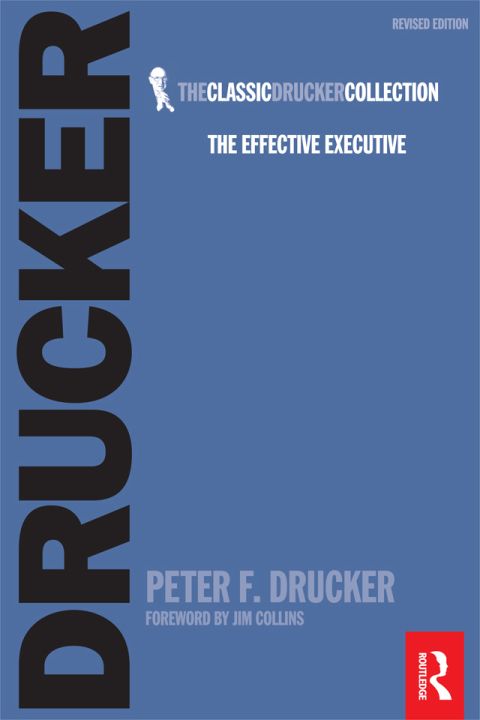
The Effective Executive Book Summary
In "The Effective Executive," Peter Drucker unveils the timeless secrets of productivity and effectiveness in leadership. He argues that true executives must focus on results rather than merely being busy, challenging conventional notions of work. Through insightful anecdotes and practical guidelines, Drucker emphasizes the importance of time management, decision-making, and prioritization. As he orchestrates a symphony of management principles, he reveals how personal accountability can transform not just careers but organizations. Are you ready to unlock your potential and redefine what it means to lead effectively?
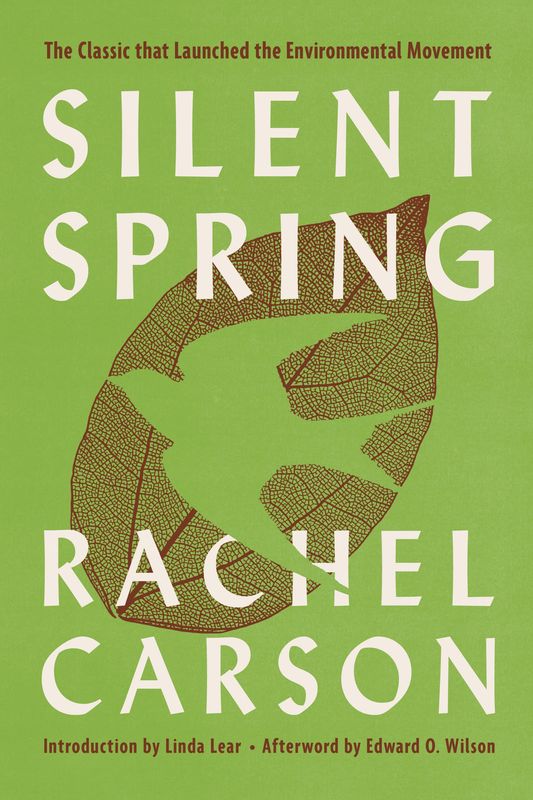
Silent Spring Book Summary
In "Silent Spring," Rachel Carson unveils the ecological consequences of pesticide use, painting a haunting portrait of a world silenced by chemical pollution. With gripping narrative and scientific precision, she reveals how toxins infiltrate the environment, threatening not just wildlife but human health. Carson's eloquent prose compels readers to confront the delicate balance of nature and the impact of human actions. As she raises dire questions about stewardship and responsibility, the urgency of her message resonates even today. Will we heed her call to protect our planet before it falls silent forever?
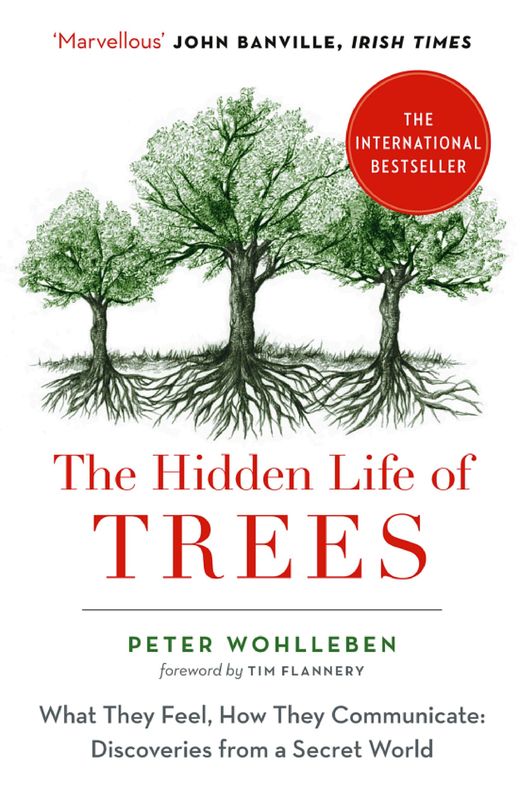
The Hidden Life of Trees: What They Feel, How They Communicate Book Summary
In "The Hidden Life of Trees," Peter Wohlleben unveils the secretive and intricate world beneath the forest canopy. Through captivating anecdotes, he reveals how trees communicate, share nutrients, and support one another in a complex social network. Delving into the emotional lives of trees, Wohlleben invites readers to reconsider their perceptions of nature and our connection to it. This enlightening journey showcases the importance of nurturing our natural world, as it plays a vital role not just in ecosystems, but in our own well-being. Prepare to see forests in a whole new light, sparking a sense of wonder and urgency to protect these remarkable living beings.
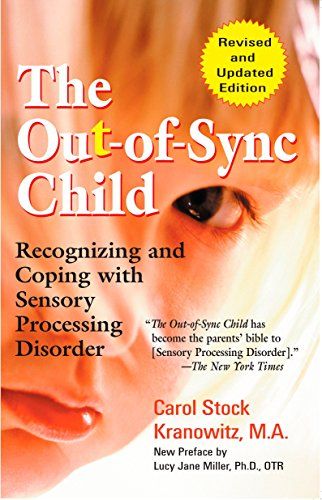
The Out-of-Sync Child Book Summary
Out of Sync Child delves into the fascinating world of Sensory Processing Disorder (SPD), illuminating the challenges faced by children who perceive the world differently. With vivid case studies and heartfelt anecdotes, the author reveals the intricate ways sensory issues can manifest in daily life, affecting behavior, learning, and social interactions. Parents are equipped with practical tools and insights to better understand and support their unique children, fostering resilience and connection. This engaging guide not only sheds light on SPD but also emphasizes the beauty of neurodiversity. Will you unlock the mysteries of sensory processing and empower a child's journey to thrive?

Small Fry Book Summary
In 'Small Fry,' Lisa Brennan-Jobs paints a poignant portrait of her childhood as the daughter of Apple co-founder Steve Jobs. Through a lens of complex family dynamics, she reveals the struggles of seeking her father's affection amidst his towering genius and emotional unavailability. With lyrical prose, Lisa captures the small moments that shape her identity, from the warmth of her mother to the isolation of her father's world. This memoir intertwines personal history with broader themes of legacy, self-discovery, and the quest for belonging. Prepare to be captivated by a narrative that explores both the intimate and the iconic in one woman's journey.
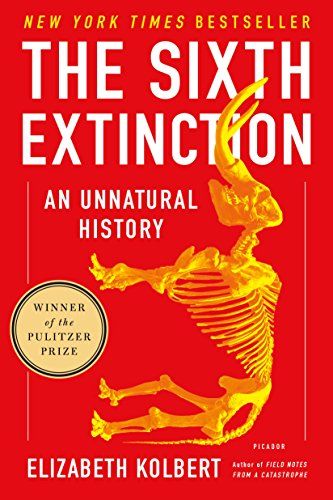
The Sixth Extinction Book Summary
In 'The Sixth Extinction,' Elizabeth Kolbert presents a compelling narrative about the ongoing mass extinction event caused by human activity. Through vivid storytelling and scientific research, she explores the alarming consequences of climate change, habitat loss, and the introduction of invasive species. Kolbert leads readers on a global journey, interacting with scientists and examining endangered species across various ecosystems. The book raises urgent questions about humanity's role in this ecological crisis and challenges us to reconsider our impact on the planet. Will we act in time to avert a future where biodiversity is all but lost?
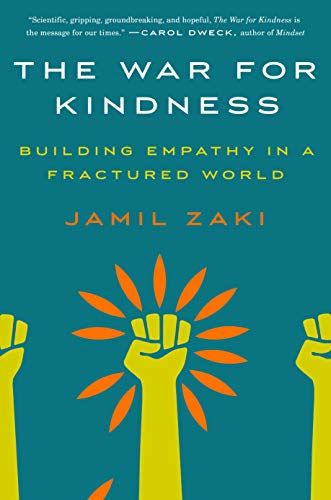
The War for Kindness Book Summary
In 'The War for Kindness,' Jamil Zaki challenges the notion that empathy is a fixed trait, revealing it as a skill we can cultivate. Through compelling stories and groundbreaking research, he shows how acts of compassion can counteract societal divisions. As he explores the science behind kindness, Zaki urges us to embrace vulnerability and connection in a fragmented world. Each chapter serves as a reminder that our ability to empathize is not only vital for personal relationships but essential for societal progress. Join Zaki on this transformative journey to rediscover the power of kindness and its potential to heal humanity.
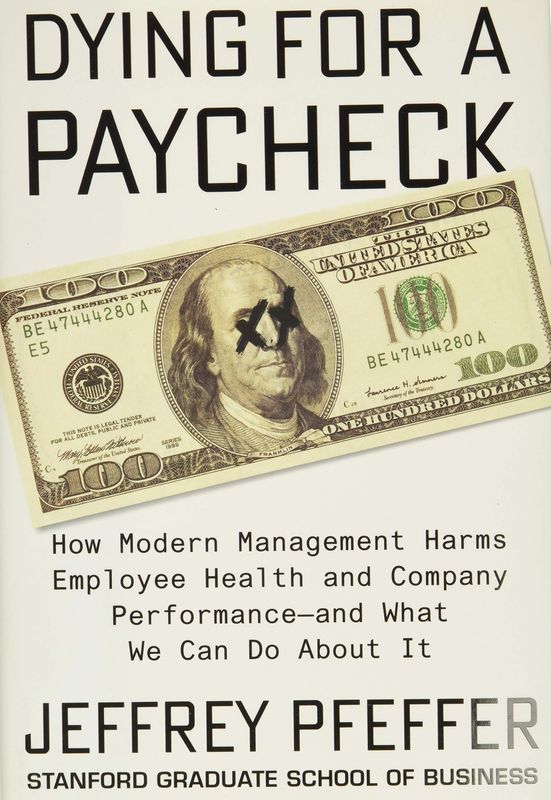
Dying for a Paycheck Book Summary
In 'Dying for a Paycheck,' Jeffrey Pfeffer unveils the shocking truth about the detrimental effects of workplace stress and unhealthy corporate cultures on employees' well-being. He argues that the business practices designed to maximize profits often come at the expense of workers' health and lives. With a blend of research and personal stories, Pfeffer exposes the alarming reality of death and suffering linked to toxic work environments. This provocative book challenges readers to reconsider what it means to succeed in business while prioritizing human dignity. What changes must we embrace to create workplaces that nurture rather than destroy?
Showing 8 of 24 similar books
Take your reading experience to the next level
Download our mobile app to enjoy your favorite books on the go. Get access to exclusive features, offline listening, and personalized recommendations.

Similar Book Recommendations →
Andrew Huberman's Book Recommendations
Andrew Huberman is a renowned neuroscientist and tenured professor at Stanford University, where he leads the Huberman Lab, focusing on brain function, behavior, and health. He has significantly contributed to the understanding of neural plasticity, particularly how the brain can change in response to experience and injury. Huberman is widely recognized for his engaging public science communication, which includes the popular "Huberman Lab" podcast that translates complex neuroscience topics into accessible insights for broad audiences. His research has been published in leading scientific journals, earning him numerous accolades and fostering a deeper public appreciation for neuroscience. Additionally, his work extends into practical applications, influencing fields such as mental health, vision restoration, and performance optimization.

George Hatzis's Book Recommendations
George Hatzis is a lawyer, entrepreneur, and social media content creator known for his humorous and insightful takes on the legal profession. Through his popular Instagram account, Hatzis shares legal memes, advice, and commentary, making complex legal topics accessible and entertaining for a broad audience. He is also the founder of Hatzis Law, a firm that specializes in criminal defense and family law. Hatzis’ ability to merge legal expertise with humor has garnered him a large following, and he continues to be a unique voice in the legal community, advocating for modernizing the industry.

Barack Obama's Book Recommendations
Barack Obama is the 44th President of the United States, serving from 2009 to 2017. As the first African American president, Obama’s leadership marked a historic moment in American history. His administration focused on healthcare reform, economic recovery from the Great Recession, and environmental policies. He is best known for the Affordable Care Act, as well as his efforts to expand civil rights and restore diplomatic relations with Cuba. Since leaving office, Obama has continued to engage in public life through his foundation, focusing on leadership development, civic engagement, and global issues.

Natalie Portman's Book Recommendations
Natalie Portman is an Academy Award-winning actress, director, and activist known for her diverse roles in films such as Black Swan, V for Vendetta, and Jackie. Beyond her successful acting career, Portman is a passionate advocate for women’s rights, animal rights, and environmental causes. She has a degree from Harvard University, where she studied psychology, and is known for her intellect as well as her artistic talent. Natalie has also directed and produced films and is a vocal supporter of the Time’s Up and #MeToo movements, advocating for gender equality in the entertainment industry.
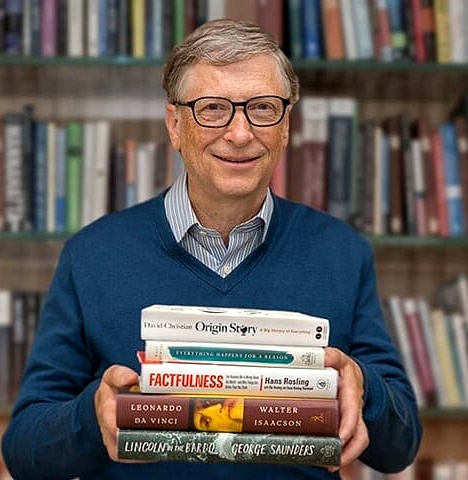
Bill Gates's Book Recommendations
Bill Gates, co-founder of Microsoft Corporation, is a pioneering figure in the tech industry, having played a key role in the personal computer revolution. His work at Microsoft, particularly the development of Windows, transformed software and computing globally. Beyond his technology contributions, Gates is also a prolific author, with notable works such as "The Road Ahead" and "Business @ the Speed of Thought," which offer insights into the future of technology and business. Additionally, his philanthropic efforts through the Bill & Melinda Gates Foundation have had a profound impact on global health, education, and poverty. Gates continues to influence both technology and literature with his forward-thinking perspectives and innovative ideas.
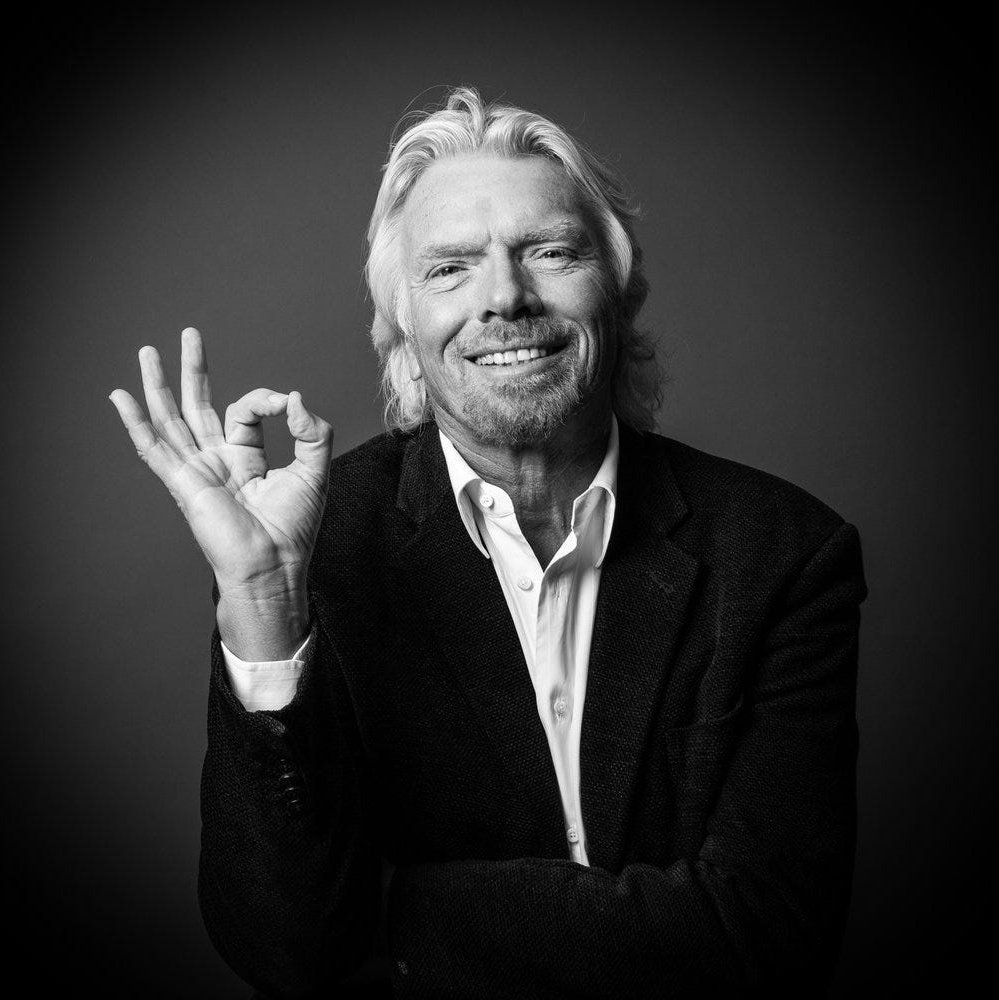
Richard Branson's Book Recommendations
Richard Branson is a British entrepreneur and founder of the Virgin Group, which operates in sectors ranging from airlines to space travel. Branson’s entrepreneurial journey began in the 1970s with Virgin Records, and he has since built one of the most recognized brands in the world. Known for his adventurous spirit and willingness to take risks, Branson has pursued innovative ventures like Virgin Galactic, aiming to pioneer commercial space tourism. He is also a philanthropist, focusing on environmental sustainability and global health issues. Branson's bold and unconventional approach to business has made him a global icon of entrepreneurship.

Brian Armstrong's Book Recommendations
Brian Armstrong is a renowned entrepreneur and author best known for co-founding and leading Coinbase, a major cryptocurrency exchange. His literary contributions include insightful writings on the future of digital currencies and blockchain technology. Armstrong's work has been pivotal in demystifying complex financial systems for a broader audience. Beyond his business acumen, his thought leadership in publications and public speaking engagements has cemented his status as a key voice in the fintech revolution. His dedication to innovation continues to influence the trajectory of global financial systems.

Earthling Ed's Book Recommendations
Earthling Ed, whose real name is Ed Winters, is a prominent British animal rights activist, author, and public speaker. Known for his compelling advocacy, he co-founded Surge, a non-profit organization dedicated to ending animal exploitation. Ed's literary contributions include his influential book "This is Vegan Propaganda: (And Other Lies the Meat Industry Tells You)," which challenges the ethics of animal agriculture and promotes veganism. He is also known for his educational outreach, engaging in debates and discussions to raise awareness about animal rights. Through his work, Earthling Ed has become a leading voice in the global vegan movement.
Showing 8 of 11 related collections
“The climate crisis is not merely a challenge to be solved; it is a mirror reflecting our deepest failures as a species to act with foresight, unity, and resolve.”
The Uninhabitable Earth
By David Wallace-Wells
Frequently Asked Questions
Explore Our Catalogue
Discover a world of knowledge through our extensive collection of book summaries.
Genres
Genres
Genres
Featured Collections
- Top Book Club Picks
- One-Stop Nutrition
- Summer Reads 2024
- Best Beach Reads 2024
- Work-Life Balance Guide
- Time Management
- Healthy Foods
- Entrepreneur Toolkit
- Mind & Body Wellness
- Future Tech Insights
- Leadership Essentials
- Financial Freedom
- Sci-Fi Masterpieces
- Parenting 101
- Books That Became Blockbusters
- Guide to a Healthy Pregnancy