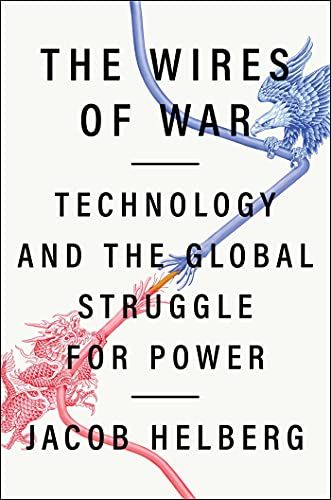
The Wires of War Book Summary
In 'The Wires of War,' Jacob Helberg unveils the clandestine battles waged in cyberspace, where nations collide not with bombs, but with lines of code. As tensions rise globally, he explores the dark underbelly of digital espionage and the unintended consequences that ripple through societies. This gripping narrative reveals how technology transforms the traditional notions of warfare and sovereignty. With provocative insights and compelling storytelling, Helberg challenges readers to consider the fragile nature of our interconnected world. Will the next battlefield be fought on our screens?
By Jacob Helberg
Published: 2021
"In a world interconnected by invisible threads, the true battle lies not in the physical realm but within the depths of our own understanding and resilience."

Start Listening to Book Summary
Book Review of The Wires of War
From the former news policy lead at Google, an urgent and groundbreaking account of the high-stakes global cyberwar brewing between Western democracies and the autocracies of China and Russia that could potentially crush democracy. From 2016 to 2020, Jacob Helberg led Google's global internal product policy efforts to combat disinformation and foreign interference. During this time, he found himself in the midst of what can only be described as a quickly escalating two-front technology cold war between democracy and autocracy. On the front-end, we're fighting to control the software--applications, news information, social media platforms, and more--of what we see on the screens of our computers, tablets, and phones, a clash which started out primarily with Russia but now increasingly includes China and Iran. Even more ominously, we're also engaged in a hidden back-end battle--largely with China--to control the Internet's hardware, which includes devices like cellular phones, satellites, fiber-optic cables, and 5G networks. This tech-fueled war will shape the world's balance of power for the coming century as autocracies exploit twenty-first-century methods to re-divide the world into twentieth century-style spheres of influence. Helberg cautions that the spoils of this fight are power over every meaningful aspect of our lives, including our economy, our infrastructure, our national security, and ultimately, our national sovereignty. Without a firm partnership with the government, Silicon Valley is unable to protect democracy from the autocrats looking to sabotage it from Beijing to Moscow and Tehran. The stakes of the ongoing cyberwar are no less than our nation's capacity to chart its own future, the freedom of our democratic allies, and even the ability of each of us to control our own fates, Helberg says. And time is quickly running out.
Book Overview of The Wires of War
About the Book Author
Jacob Helberg
Jacob Helberg is a distinguished author and thought leader, recognized for his insightful explorations of technology and its societal implications. His notable works include "The Wires of War" and numerous essays in prominent publications, where he addresses the intersection of technology, politics, and human behavior. Helberg's writing is characterized by a clear, engaging prose style that blends intricate analysis with accessible narratives, making complex topics relatable to a broad audience. He is also a sought-after speaker and consultant on issues pertaining to digital media and cybersecurity.
Book Details
Key information about the book.
- Authors
- Jacob Helberg
- Published
- October 2021
- Publisher
- Simon and Schuster
- ISBN
- 1982144432
- Language
- English
- Pages
- 384
- Genres
- CybersecurityGeopoliticsTechnologyPolitics and Current Affairs
Purchase Options
 Buy on Amazon
 Buy via BookShop
Support local bookstores: BookShop gives a portion of each sale to independent bookshops!
Similar books you might like →

The Confident Parent Book Summary
In "The Confident Parent," authors Deborah Gilboa, M.D. and L. A. Larkin empower parents with practical strategies to cultivate resilience and confidence in their children. The book explores the delicate balance between guidance and independence, encouraging parents to foster emotional growth through authentic communication. Readers will discover actionable tips for navigating the challenges of parenting, from managing screen time to promoting responsibility. With insights grounded in psychology and real-life experiences, this guide transforms the way parents approach their role. Dive in to unlock the secrets of confident parenting and watch your child's potential flourish!
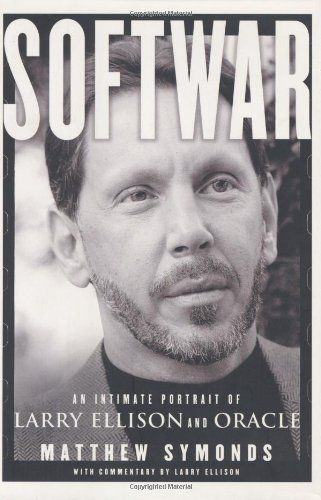
Softwar Book Summary
'Softwar' by Matthew Symonds delves into the intricate and often secretive world of software development amidst global geopolitics. As nations harness technology for power, the narrative reveals how software now plays a crucial role in warfare and diplomacy. With insider stories and vivid characters, Symonds illustrates the intersection of cyberspace and the physical world, raising questions about ethics and control. The book challenges readers to consider the implications of a technology-driven future shaped by both innovation and conflict. Will the next conflict be fought not on battlegrounds, but in the software that powers our lives?
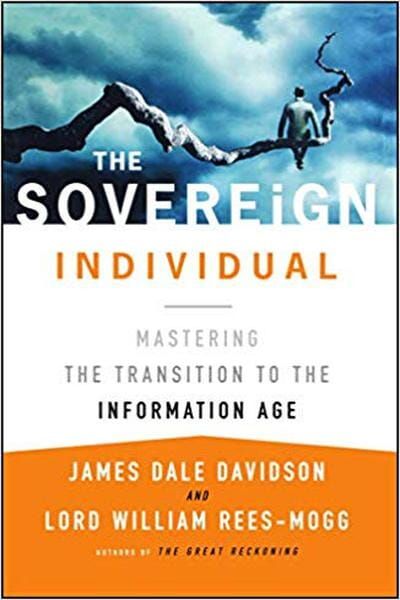
The Sovereign Individual Book Summary
In 'The Sovereign Individual,' Davidson and Rees-Mogg explore the profound transformation of society in the face of digital technology and globalization. They argue that these changes are reshaping the balance of power between individuals and the state, leading to a future where personal sovereignty becomes paramount. As they dissect the implications of these shifts, the authors provoke thought on how one can thrive in a rapidly evolving landscape. With bold predictions and insightful analysis, their work challenges traditional norms and beckons a new era of freedom and opportunity. Are we ready to embrace our own sovereignty in this new world?
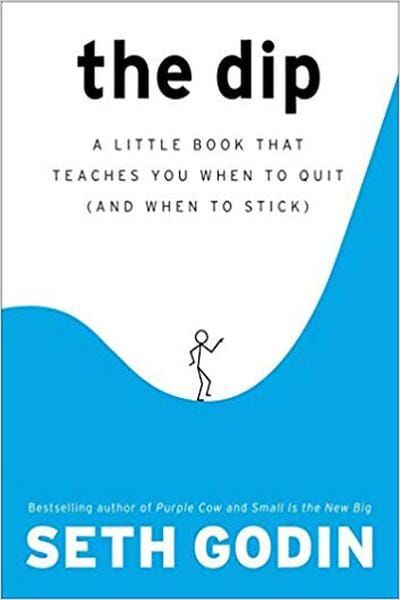
The Dip Book Summary
In 'The Dip', Seth Godin explores the critical moments of struggle that can make or break our paths to success. He argues that most people quit when the going gets tough, but those who endure these challenging phases often find great rewards. Godin reveals how to identify the dips worth pushing through and when to strategically quit to save time and energy. This book challenges conventional wisdom about persistence and encourages readers to focus on their unique strengths. Prepare to rethink your approach to challenges and discover the power of strategic quitting!
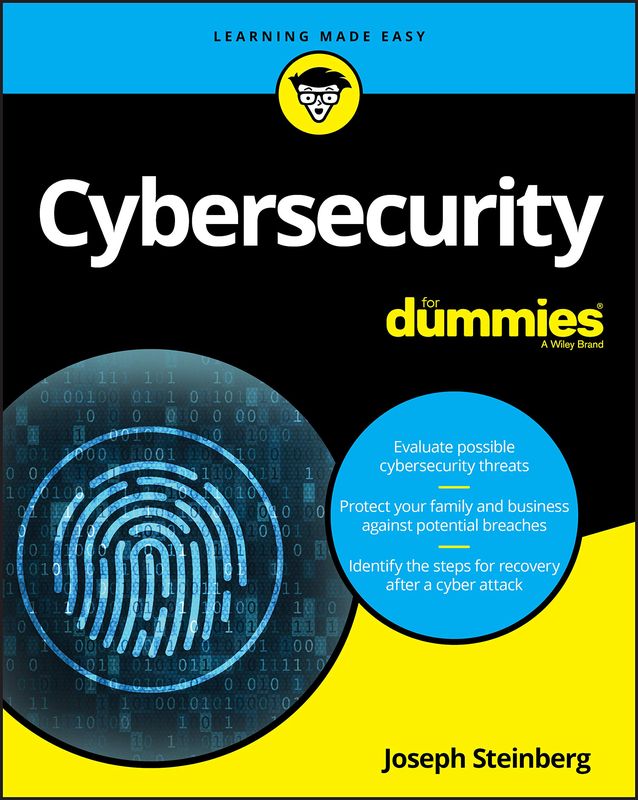
Cybersecurity For Dummies Book Summary
In 'Cybersecurity For Dummies', Joseph Steinberg demystifies the complex world of cybersecurity, making it accessible for everyone—from beginners to seasoned IT professionals. This essential guide reveals the myriad of threats lurking in the digital shadows and arms readers with practical strategies to protect their online presence. Steinberg's engaging writing breaks down intricate concepts into digestible insights, ensuring that no reader is left behind. Discover how to safeguard your personal information, navigate social engineering traps, and keep your devices secure without feeling overwhelmed. Whether you're a casual internet user or a business owner, this book is your key to navigating the cybersecurity landscape with confidence.
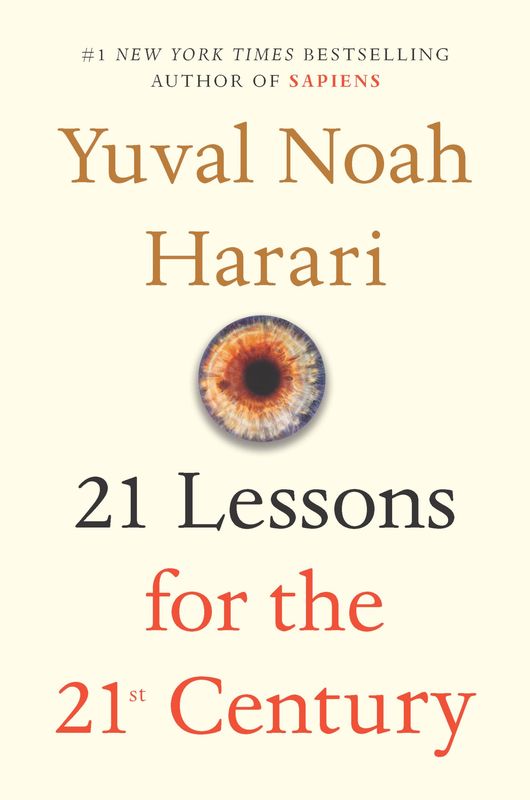
21 Lessons for the 21st Century Book Summary
In '21 Lessons for the 21st Century', Yuval Noah Harari navigates the complex landscape of today's world, tackling urgent questions about our future. From the impact of technology on society to the challenges of political stability, each lesson provokes thought and introspection. Harari explores key themes such as the rise of artificial intelligence, the significance of data, and the importance of meaning in an increasingly uncertain world. With a blend of history, philosophy, and science, the book invites readers to reflect on their roles in shaping a shared future. Will we adapt, or become obsolete? Dive in to uncover the lessons that could redefine humanity's path.
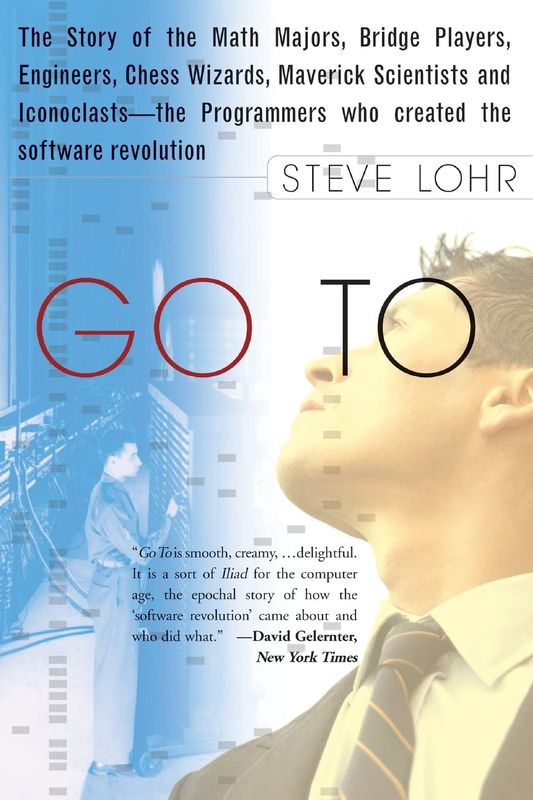
Go To Book Summary
In 'Go To,' Steve Lohr delves into the transformative power of technology and its profound impact on the way we work and interact. Through compelling stories and case studies, he illustrates how the rise of data-driven decision-making is reshaping industries and the workforce. The narrative invites readers to explore the delicate balance between human intuition and algorithmic efficiency. As the lines between man and machine blur, what does the future hold for our workplaces and ourselves? Discover the insights and challenges that come with navigating this new digital era.

NW Book Summary
In 'NW,' Zadie Smith intricately weaves the lives of four friends from a working-class neighborhood in Northwest London, exploring their diverse paths and struggles. As they navigate adulthood, the characters grapple with issues of identity, class, and connection in a rapidly changing city. Each chapter unveils the raw complexities of their relationships, revealing both nostalgia and tension. Smith's sharp and lyrical prose invites readers to reflect on the impact of environment and choices in shaping one's destiny. Will their ties to each other endure the challenges they face, or will the divide of circumstance tear them apart?
Showing 8 of 29 similar books
Take your reading experience to the next level
Download our mobile app to enjoy your favorite books on the go. Get access to exclusive features, offline listening, and personalized recommendations.

Similar Book Recommendations →

Neil deGrasse Tyson's Book Recommendations
Neil deGrasse Tyson is a renowned astrophysicist, author, and science communicator, best known for his work in popularizing science through various media. As the director of the Hayden Planetarium in New York City, he has played a pivotal role in bringing astronomical discoveries to the public. Tyson has authored several bestselling books, including "Astrophysics for People in a Hurry" and "The Pluto Files," which have made complex scientific concepts accessible to a broad audience. He is also the host of the popular science TV show "Cosmos: A Spacetime Odyssey," a continuation of Carl Sagan's groundbreaking series. Tyson's contributions have significantly enhanced public understanding and appreciation of the universe.

David Heinemeier Hansson's Book Recommendations
David Heinemeier Hansson, also known as DHH, is a Danish programmer, entrepreneur, and author, best known as the creator of Ruby on Rails, a popular web application framework. Heinemeier Hansson is also a partner at Basecamp, a project management and collaboration software company he co-founded. His contributions to software development have earned him widespread recognition, with Ruby on Rails being used by thousands of developers and companies worldwide. Heinemeier Hansson is also a vocal advocate for remote work, simplicity in business, and sustainable work practices, ideas he explores in his bestselling books Rework and It Doesn’t Have to Be Crazy at Work. In addition to his work in tech, he is an accomplished race car driver, having competed in the 24 Hours of Le Mans. Heinemeier Hansson’s approach to work-life balance and entrepreneurship has made him a thought leader in the tech community, where he continues to challenge traditional business practices and advocate for more human-centered approaches to work

Ryan Holiday's Book Recommendations
Ryan Holiday is a bestselling author and media strategist known for his books on stoicism, including The Obstacle Is the Way and Ego Is the Enemy. He is a leading voice in modern stoic philosophy, teaching readers how to apply ancient wisdom to achieve personal and professional success. Holiday’s work emphasizes resilience, discipline, and humility as keys to navigating life’s challenges. He has consulted with major companies and individuals on marketing and strategy, blending stoic principles with contemporary business practices. His books have been translated into over 30 languages.

Morgan Housel's Book Recommendations
Morgan Housel is a financial writer and partner at The Collaborative Fund, best known for his book The Psychology of Money. His work explores the behavioral side of finance, emphasizing how emotions, history, and decision-making impact wealth-building. Housel’s writing is widely praised for being accessible, insightful, and engaging, making complex financial topics easier to understand. He contributes regularly to financial publications and speaks at conferences on the power of long-term thinking in finance. His book has become a modern classic in the personal finance genre.

Aaron Levie's Book Recommendations
Aaron Levie is the co-founder and CEO of Box, a cloud content management platform that revolutionized how businesses manage and collaborate on content. He launched Box in 2005 while still a college student, and the company rapidly grew into a leader in the cloud storage industry. Levie is known for his innovative, forward-thinking approach to enterprise software and for pushing the boundaries of digital transformation. Under his leadership, Box went public in 2015 and continues to evolve with new technologies and partnerships. He is a strong advocate for cloud-first business strategies and frequently shares his insights on the future of work and the digital workplace. Levie is also a prolific speaker and writer, often discussing technology's role in the modern economy. His energetic and witty personality has made him a popular figure in Silicon Valley and beyond.

Reid Hoffman's Book Recommendations
Reid Hoffman is an influential American entrepreneur, venture capitalist, and author, best known as the co-founder of LinkedIn, the professional networking platform that transformed online professional interactions. Hoffman has significantly impacted the business world through his investments in notable tech companies like Airbnb, Facebook, and Zynga. As an author, he has co-written several acclaimed books, including "The Start-Up of You" and "Blitzscaling," which provide strategic insights into career development and business growth. His works are celebrated for their practical advice and have become essential reading for aspiring entrepreneurs and business leaders. Hoffman's contributions extend beyond his literary efforts, as he remains a prominent figure in Silicon Valley, shaping the future of technology and innovation.

Brad Feld's Book Recommendations
Brad Feld is a prominent American entrepreneur, venture capitalist, and author known for his influential work in the startup ecosystem. Co-founder of the Foundry Group, he has played a pivotal role in funding and mentoring early-stage technology companies. Feld is also a key figure behind the Techstars accelerator program, which has helped launch numerous successful startups. As an author, he has penned several essential books on entrepreneurship and venture capital, including "Venture Deals" and "Startup Communities," which provide invaluable insights for aspiring entrepreneurs and investors. His writings and active blogging have cemented his reputation as a thought leader in the tech and startup communities.

Anthony Pompliano's Book Recommendations
Anthony Pompliano, also known as "Pomp," is a prominent entrepreneur and investor focused on the cryptocurrency and blockchain sectors. He co-founded Morgan Creek Digital, an investment firm dedicated to blockchain technology and digital assets. Pomp is also well-known for his popular newsletter, "The Pomp Letter," where he shares insights on finance, technology, and the future of money. As a prolific voice in the crypto community, he has appeared on multiple media platforms, including his own podcast, "The Pomp Podcast," where he interviews industry leaders and innovators. Through his writings and public engagements, Pompliano has significantly contributed to the broader understanding and adoption of digital currencies.
Showing 8 of 19 related collections
“In a world interconnected by invisible threads, the true battle lies not in the physical realm but within the depths of our own understanding and resilience.”
The Wires of War
By Jacob Helberg
Frequently Asked Questions
Explore Our Catalogue
Discover a world of knowledge through our extensive collection of book summaries.
Genres
Genres
Genres
Featured Collections
- Top Book Club Picks
- One-Stop Nutrition
- Summer Reads 2024
- Best Beach Reads 2024
- Work-Life Balance Guide
- Time Management
- Healthy Foods
- Entrepreneur Toolkit
- Mind & Body Wellness
- Future Tech Insights
- Leadership Essentials
- Financial Freedom
- Sci-Fi Masterpieces
- Parenting 101
- Books That Became Blockbusters
- Guide to a Healthy Pregnancy