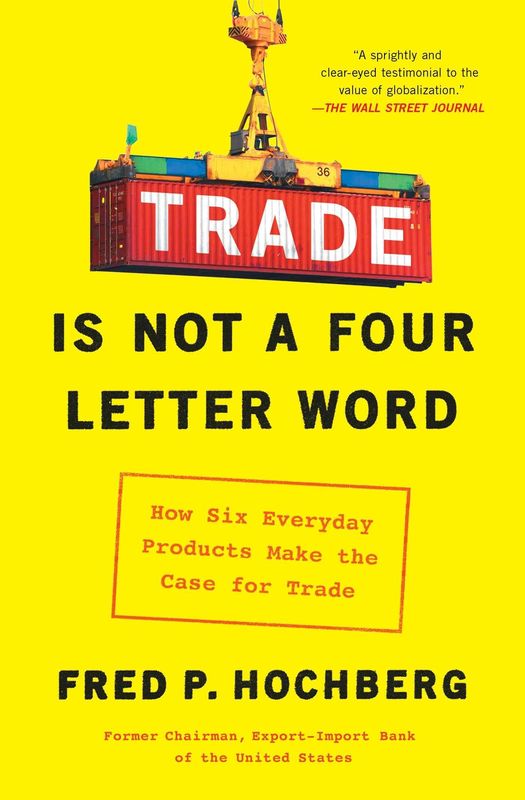
Trade Is Not a Four-Letter Word Book Summary
In "Trade is Not a Four-Letter Word," author Alan Beattie unravel the complexities of global trade, challenging the misconceptions that often cloud public perception. With a blend of sharp wit and insightful analysis, Beattie reveals how trade shapes economies, cultures, and even our everyday lives. He argues that the true value of trade lies not in mere exchanges of goods, but in the interconnectedness it fosters among nations. Through compelling anecdotes and data-driven discourse, the book invites readers to rethink their relationship with trade as a catalyst for innovation and growth. Prepare to be intrigued as you discover why trade might just hold the key to a prosperous future!
By Fred P. Hochberg
Published: 2021
"Trade is the lifeblood of growth and prosperity."

Start Listening to Book Summary
Book Review of Trade Is Not a Four-Letter Word
“A sprightly and clear-eyed testimonial to the value of globalization” (The Wall Street Journal) as seen through six surprising everyday goods—the taco salad, the Honda Odyssey, the banana, the iPhone, the college degree, and the blockbuster HBO series Game of Thrones. Trade allows us to sell what we produce at home and purchase what we don’t. It lowers prices and gives us greater variety and innovation. Yet understanding our place in the global trade network is rarely simple. Trade has become an easy excuse for struggling economies, a scapegoat for our failures to adapt to a changing world, and—for many Americans on both the right and the left—nothing short of a four-letter word. But as Fred P. Hochberg reminds us, trade is easier to understand than we commonly think. In Trade Is Not a Four-Letter Word, you’ll learn how NAFTA became a populist punching bag on both sides of the aisle. You’ll learn how Americans can avoid the grim specter of the $10 banana. And you’ll finally discover the truth about whether or not, as President Trump has famously tweeted, “trade wars are good and easy to win.” (Spoiler alert—they aren’t.) Hochberg debunks common trade myths by pulling back the curtain on six everyday products, each with a surprising story to tell: the taco salad, the Honda Odyssey, the banana, the iPhone, the college degree, and the smash hit HBO series Game of Thrones. Behind these six examples are stories that help explain not only how trade has shaped our lives so far but also how we can use trade to build a better future for our own families, for America, and for the world. Trade Is Not a Four-Letter Word is the antidote to today’s acronym-laden trade jargon pitched to voters with simple promises that rarely play out so one-dimensionally. Packed with colorful examples and highly digestible explanations, Trade Is Not a Four-Letter Word is “an accessible, necessary book that will increase our understanding of trade and economic policies and the ways in which they impact our daily lives” (Library Journal, starred review).
Book Overview of Trade Is Not a Four-Letter Word
About the Book Author
Fred P. Hochberg
Fred P. Hochberg is an accomplished author and former chairman of the U.S. Export-Import Bank, where he played a pivotal role in promoting American exports and supporting small businesses. With a rich background in public service and business, he has been an influential figure in international trade and economic policy. Hochberg is also a respected leader in various philanthropic initiatives, emphasizing the importance of sustainable business practices and inclusivity. His writing often reflects his extensive experience in navigating complex economic landscapes and his commitment to fostering innovation. A graduate of both Yale University and the Wharton School, he continues to share his insights on economic development and entrepreneurship through his works and public engagements.
Book Details
Key information about the book.
- Authors
- Fred P. Hochberg
- Published
- January 2021
- Publisher
- Avid Reader Press / Simon & Schuster
- ISBN
- 1982127376
- Language
- English
- Pages
- 336
- Genres
- Global EconomicsBusiness and Economics
Purchase Options
 Buy on Amazon
 Buy via BookShop
Support local bookstores: BookShop gives a portion of each sale to independent bookshops!
Similar books you might like →
The Rise and Fall of American Growth Book Summary
In 'The Rise and Fall of American Growth', economist Robert J. Gordon explores the transformative economic changes in the United States from the Civil War to the present day. He argues that the unprecedented growth in productivity and living standards during the early 20th century was a unique historical event that has now waned. As technological advances slow and inequality rises, Gordon challenges the optimistic narrative of perpetual progress. With a keen examination of historical data and cultural shifts, he raises questions about America’s future economic trajectory. This thought-provoking analysis invites readers to reconsider the sustainability of growth in an increasingly complex world.
The Great Convergence Book Summary
In 'The Great Convergence,' Richard Baldwin takes readers on a compelling journey through the forces shaping our global economy, emphasizing the revolutionary impact of digital technology. He argues that the convergence of production and consumption is redefining international borders and reshaping global trade. As we become more interconnected than ever, Baldwin raises critical questions about the future of jobs and economic disparity. Will the merging of markets lead to prosperity, or will it deepen existing divides? A thought-provoking exploration that challenges conventional wisdom and invites readers to rethink the implications of our rapidly changing world.
The Wealth of Nations Book Summary
In 'The Wealth of Nations', Adam Smith unveils the intricate dynamics of economics and its impact on society. He argues that free markets, driven by individual self-interest, can lead to unprecedented prosperity. Smith introduces the concept of the 'invisible hand,' suggesting that personal ambitions can benefit the collective good. This groundbreaking work lays the foundation for modern economics, challenging prevailing mercantilist ideas. Dive into Smith's insights to uncover how economic forces shape our world and influence our everyday lives.


The Fish That Ate the Whale Book Summary
Dive into the extraordinary true story of Sam Zemurray, the unlikely entrepreneur who took on the banana industry. 'The Fish That Ate the Whale' chronicles his rise from humble beginnings to becoming a titan of the trade, using cunning and a fierce determination. Rich Cohen paints a vivid portrait of a man who challenged powerful companies while navigating the heart of Central America. With an eye for adventure and a flair for the dramatic, this book reveals the complexities of capitalism and imperialism along with Zemurray's relentless spirit. Prepare to be captivated by a tale of ambition, risk, and the relentless pursuit of the American dream.
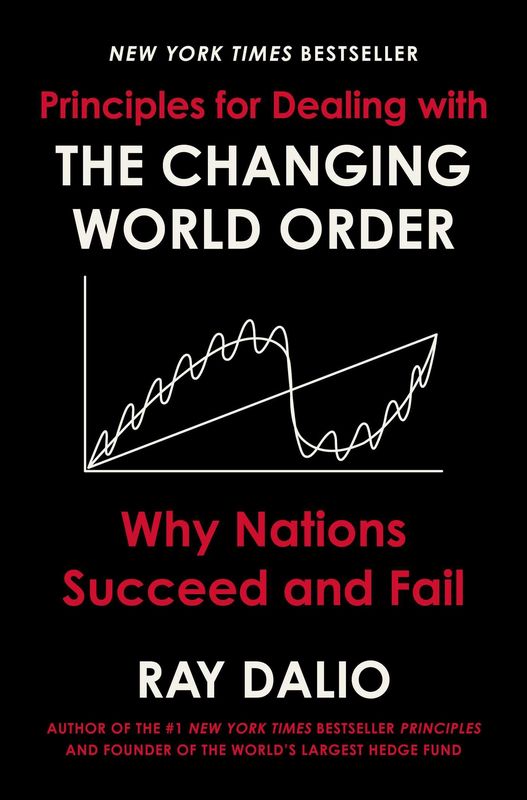
Principles for Dealing with the Changing World Order Book Summary
In 'Principles for Dealing with the Changing World Order', Ray Dalio reveals the intricate patterns governing global shifts and power dynamics. Drawing on historical precedents and economic principles, he uncovers the cyclical nature of empires and their eventual decline. Dalio emphasizes the importance of understanding these principles to navigate the complexities of today's fast-evolving world. With a mix of personal anecdotes and rigorous analysis, he equips readers with tools to adapt and thrive amidst uncertainty. This thought-provoking exploration invites you to reconsider what the future may hold and how to prepare for it.

More from Less Book Summary
In 'More from Less,' Andrew McAfee explores the paradox of how we can achieve greater prosperity while using fewer resources. He delves into the groundbreaking changes brought by technology that allow for sustainable growth and efficiency. Through compelling case studies and data-driven insights, McAfee challenges the notion of scarcity and presents a hopeful vision for the future. This book invites readers to rethink their assumptions about consumption and innovation. Can we truly do more with less, or is it just an illusion?
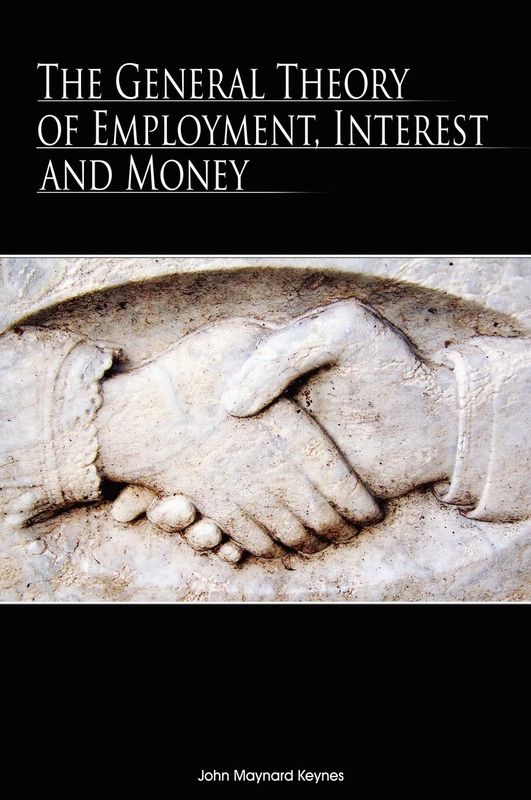
The General Theory of Employment, Interest and Money Book Summary
In 'The General Theory of Employment, Interest and Money,' John Maynard Keynes challenges the classical economics that dominated before the Great Depression. He introduces revolutionary ideas about how government intervention can stabilize economies and control unemployment. Through compelling arguments, he dissects the causes of economic fluctuations and proposes innovative solutions. Keynes's work not only reshapes the understanding of macroeconomics but also ignites debates that resonate even today. Are his insights the key to unlocking a prosperous economic future or just a theory lost in complexity?
Showing 8 of 30 similar books
Take your reading experience to the next level
Download our mobile app to enjoy your favorite books on the go. Get access to exclusive features, offline listening, and personalized recommendations.

Similar Book Recommendations →

Marc Andreessen's Book Recommendations
Marc Andreessen is an American entrepreneur, software engineer, and venture capitalist, best known for co-creating the Mosaic web browser, the first widely-used web browser, and co-founding Netscape. Andreessen is also the co-founder of Andreessen Horowitz, one of Silicon Valley’s most prominent venture capital firms, where he invests in groundbreaking technology companies like Facebook, Airbnb, and Coinbase. He is a thought leader on the impact of technology and innovation, often sharing his views on the future of the internet and startups. His contributions to the development of the web and the tech ecosystem have made him one of the most influential figures in technology.

Anu Hariharan's Book Recommendations
Anu Hariharan is a distinguished partner at Y Combinator's Continuity Fund, where she has been instrumental in scaling numerous startups into successful enterprises. With a strong background in economics and technology, she has become a respected voice in the venture capital community. Hariharan has also made significant contributions through her writing on startup growth and investment strategies, offering insightful analyses and practical advice to entrepreneurs. Her work is frequently featured in leading business publications, showcasing her expertise in the tech industry. Beyond her professional accomplishments, Hariharan is committed to fostering diversity and inclusion within the startup ecosystem.
Barack Obama's Book Recommendations
Barack Obama is the 44th President of the United States, serving from 2009 to 2017. As the first African American president, Obama’s leadership marked a historic moment in American history. His administration focused on healthcare reform, economic recovery from the Great Recession, and environmental policies. He is best known for the Affordable Care Act, as well as his efforts to expand civil rights and restore diplomatic relations with Cuba. Since leaving office, Obama has continued to engage in public life through his foundation, focusing on leadership development, civic engagement, and global issues.

Jon Stewart's Book Recommendations
Jon Stewart is an American comedian, writer, and former host of The Daily Show, where he gained fame for his satirical take on news and politics. Stewart transformed The Daily Show into a critical voice in American media, blending humor with hard-hitting commentary on political and social issues. After stepping down from the show, Stewart has continued to advocate for causes like 9/11 first responders and veterans' rights. He is also a filmmaker, directing the political satire film Irresistible. Stewart remains a significant figure in American culture, known for his wit, activism, and influence on political discourse.

Austin Rief's Book Recommendations
Austin Rief is a prominent entrepreneur and writer, best known as the co-founder and COO of Morning Brew, a leading business newsletter that simplifies news for modern professionals. Under his leadership, Morning Brew grew its subscriber base to millions, becoming a staple in the daily routines of business enthusiasts. Rief's innovative approach to media and content delivery has earned him recognition in the entrepreneurial community. He frequently shares insights on business growth and digital media through various platforms. His contributions have significantly influenced how business news is consumed by younger audiences.

Andrew Wilkinson's Book Recommendations
Andrew Wilkinson is a distinguished author and entrepreneur, best known for his insightful business writings and contributions to the tech industry. He co-founded MetaLab, a prominent design agency that has shaped the user experience of major platforms like Slack and Coinbase. Wilkinson's entrepreneurial journey and his publications provide valuable perspectives on startup culture, innovation, and leadership. His writing, often featured in leading business magazines and his personal blog, has garnered a wide readership for its practical advice and engaging storytelling. Andrew continues to influence both literature and the business world with his unique blend of creativity and strategic thinking.

Gabrielle Union's Book Recommendations
Gabrielle Union is an actress, author, and activist, known for her roles in films like Bring It On and Bad Boys II. She is also an advocate for women’s rights, racial justice, and LGBTQ+ equality. Gabrielle’s memoir, We’re Going to Need More Wine, offers personal insights into her life and her journey through Hollywood and beyond. In addition to her work on-screen, she is a businesswoman, co-founding a haircare line called Flawless by Gabrielle Union. Gabrielle is a champion for inclusivity and empowerment, both in her work and advocacy.
Bill Gates's Book Recommendations
Bill Gates, co-founder of Microsoft Corporation, is a pioneering figure in the tech industry, having played a key role in the personal computer revolution. His work at Microsoft, particularly the development of Windows, transformed software and computing globally. Beyond his technology contributions, Gates is also a prolific author, with notable works such as "The Road Ahead" and "Business @ the Speed of Thought," which offer insights into the future of technology and business. Additionally, his philanthropic efforts through the Bill & Melinda Gates Foundation have had a profound impact on global health, education, and poverty. Gates continues to influence both technology and literature with his forward-thinking perspectives and innovative ideas.
Showing 8 of 15 related collections
“Trade is the lifeblood of growth and prosperity.”
Trade Is Not a Four-Letter Word
By Fred P. Hochberg
Frequently Asked Questions
Explore Our Catalogue
Discover a world of knowledge through our extensive collection of book summaries.
Genres
Genres
Genres
Featured Collections
- Top Book Club Picks
- One-Stop Nutrition
- Summer Reads 2024
- Best Beach Reads 2024
- Work-Life Balance Guide
- Time Management
- Healthy Foods
- Entrepreneur Toolkit
- Mind & Body Wellness
- Future Tech Insights
- Leadership Essentials
- Financial Freedom
- Sci-Fi Masterpieces
- Parenting 101
- Books That Became Blockbusters
- Guide to a Healthy Pregnancy