U.S. Policy Toward Economic Nationalism in Latin America, 1917-1929 Book Summary
By Michael L. Krenn
Published: 1990


Start Listening to Book Summary
Book Overview of U.S. Policy Toward Economic Nationalism in Latin America, 1917-1929
About the Book Author
Michael L. Krenn
Michael L. Krenn is an accomplished historian and author renowned for his contributions to American history, particularly in the areas of U.S. foreign relations and the Vietnam War. With a focus on the interplay between history and politics, Krenn's notable works include 'The American Presidency and the Politics of Foreign Policy,' 'The United States and the Vietnam War,' and 'Presidential Travel: The Journey of Leaders in the Modern Era.' His writing style is characterized by rigorous research, clear prose, and a critical analysis of historical narratives, making complex topics accessible to both scholars and general readers.
Book Details
Key information about the book.
- Authors
- Michael L. Krenn
- Published
- January 1990
- Publisher
- America in the Modern World
- ISBN
- N/A
- Language
- English
- Pages
- 200
- Genres
- HistoryEconomic PolicyPolitical HistoryPolitics and Current Affairs
Purchase Options
 Buy on Amazon
 Buy via BookShop
Support local bookstores: BookShop gives a portion of each sale to independent bookshops!
Similar books you might like →
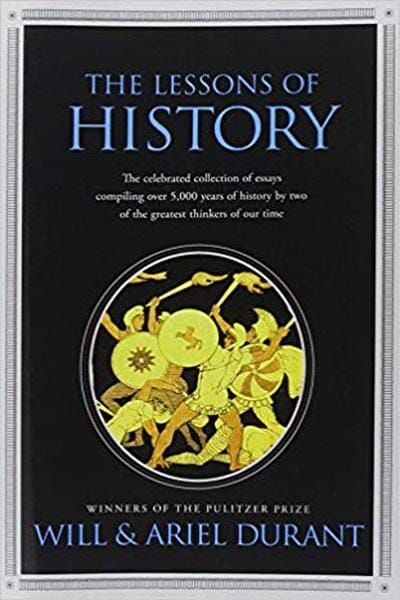
The Lessons of History Book Summary
In "The Lessons of History," Will and Ariel Durant distill the sweeping narrative of human civilization into profound insights that span cultures and epochs. They explore the recurring themes of war, economics, religion, and human nature that shape our collective journey. With razor-sharp clarity, the Durants argue that the past holds invaluable lessons that can guide our present and future decisions. What patterns emerge when we closely examine the ebb and flow of societies? This thought-provoking work invites readers to reflect on the intricacies of humanity's story and consider how we might navigate the path ahead.
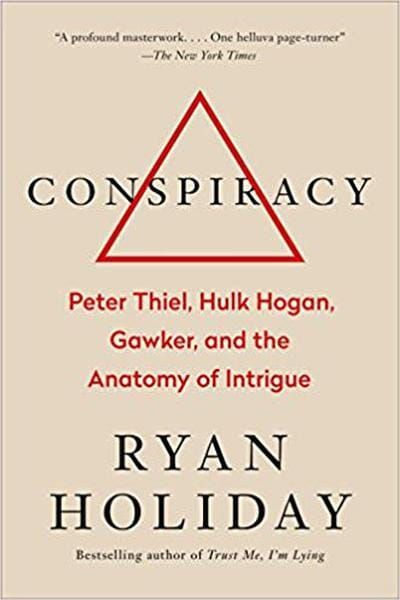
Conspiracy Book Summary
In "Conspiracy," a riveting exploration unfolds around one of the most infamous political scandals in American history. The narrative dives deep into the intricacies of power, betrayal, and the relentless pursuit of truth, following a cast of characters driven by ambition and fear. With shocking revelations and unexpected twists, the author challenges readers to question what they think they know about truth and deception. As allegiances shift and secrets are laid bare, the story reflects on the fine line between justice and vengeance. Prepare for a thought-provoking journey that will leave you pondering the shadows lurking behind every conspiracy.

Inevitable Revolutions Book Summary
In 'Inevitable Revolutions', Walter LaFeber delves into the history of U.S. involvement in Central America, revealing the complex interplay between ideologies and national interests. With eloquent storytelling, LaFeber highlights the economic and political forces that led to revolutions, casting a revealing light on America's role as both a supporter and suppressor of democracy. The book challenges readers to reconsider the narrative of American exceptionalism, raising questions about accountability and the consequences of intervention. Through case studies of specific nations, LaFeber illustrates the paradox of U.S. foreign policy—intentions versus outcomes. This thought-provoking work leaves readers pondering the true cost of 'freedom' as seen through the lens of American influence.
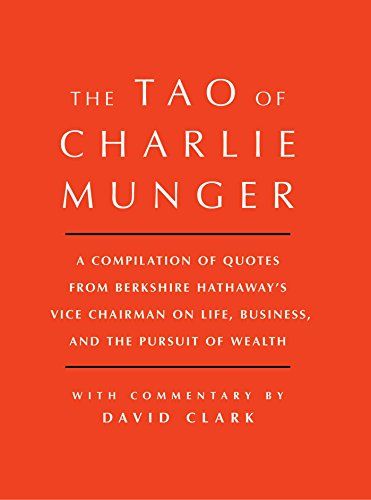
Tao of Charlie Munger Book Summary
Dive into the mind of Charlie Munger, a legendary investor and confidant of Warren Buffett, who shares his extraordinary wisdom on decision-making and life strategy. This book decodes Munger's multi-disciplinary approach to thinking and outlines practical lessons drawn from diverse fields like psychology, mathematics, and philosophy. Readers will discover how Munger's principles can lead to better judgments and ultimately, success. With engaging anecdotes and sharp insights, this exploration of Munger's philosophy challenges traditional ways of thinking. Uncover the secrets behind Munger's unmatched clarity and learn how to apply these timeless principles to your own journey.
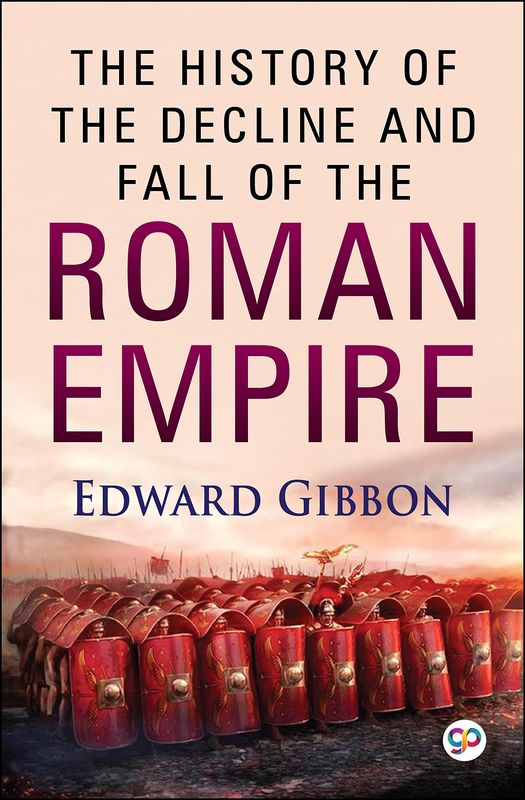
The History of the Decline & Fall of the Roman Empire Book Summary
In 'The History of the Decline & Fall of the Roman Empire,' Edward Gibbon meticulously chronicles the mighty empire's descent into chaos and obscurity. With eloquent prose, Gibbon unveils the interplay of political intrigue, moral decay, and military defeats that eroded Rome's power. His analysis does not merely recount events but delves into the philosophical implications of decline and the lessons for future societies. As empires rise and fall, engage with the timeless questions Gibbon poses about civilization itself. Dive into this monumental work to understand how history shapes our present and future.
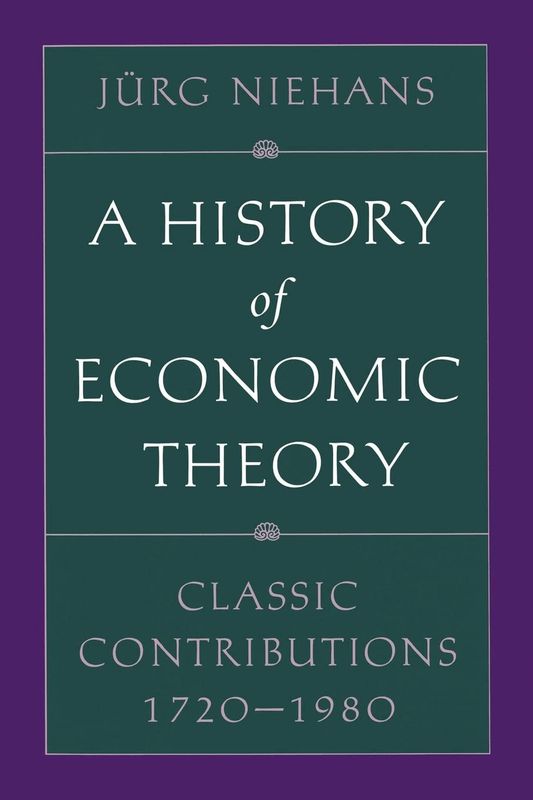
A History of Economic Theory Book Summary
In 'A History of Economic Theory', Jürg Niehans takes readers on a captivating journey through the evolution of economic thought. From ancient philosophies to contemporary paradigms, the book unravels how ideas have shaped economic practices across cultures and eras. With each chapter, Niehans reveals the intellectual battles and breakthroughs that have defined the discipline. Rich in historical context, this work challenges readers to consider the relevance of past theories in today's economy. Dive into this scholarly adventure and discover how the past continually influences our understanding of wealth and value.

Shook One Book Summary
In 'Shook One', Charlamagne Tha God reveals his journey from a troubled youth in South Carolina to becoming a powerful voice in media and culture. Through candid storytelling, he discusses his personal battles with anxiety and how they shaped his path to success. Combining humor with profound insights, Charlamagne challenges societal expectations and inspires readers to embrace their vulnerabilities. The book is a compelling exploration of mental health, resilience, and the importance of authenticity. With a blend of memoir and self-help, 'Shook One' encourages us to confront our fears and find strength in our struggles.
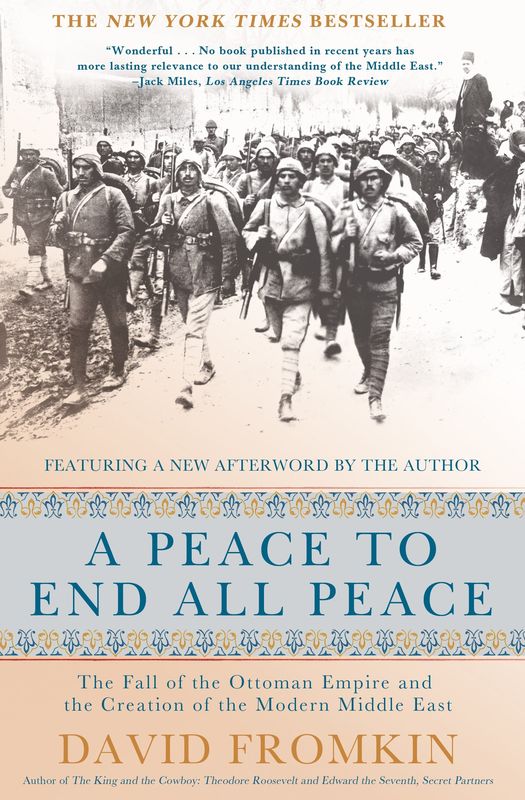
A Peace to End All Peace Book Summary
In 'A Peace to End All Peace', David Fromkin unravels the intricate web of events that led to the creation of the modern Middle East after World War I. With compelling narratives, Fromkin reveals how the decisions made by imperial powers set the stage for decades of conflict. This historical analysis not only highlights the reckless diplomacy of the time but also exposes the enduring consequences of these choices on today's geopolitical landscape. As tensions rise in the region, the book prompts readers to ponder: can any lasting peace ever truly emerge from such a fractured legacy? Dive into this thought-provoking exploration of history, power, and the quest for stability in a tumultuous world.
Showing 8 of 28 similar books
Take your reading experience to the next level
Download our mobile app to enjoy your favorite books on the go. Get access to exclusive features, offline listening, and personalized recommendations.

Similar Book Recommendations →

Chelsea Handler's Book Recommendations
Chelsea Handler is an American comedian, actress, author, and talk show host, best known for her late-night talk show Chelsea Lately on E!. Handler's bold, unapologetic humor and outspoken views on politics, gender, and social issues have made her a prominent figure in comedy and media. In addition to her TV career, she has written several best-selling books, including Are You There, Vodka? It’s Me, Chelsea, and has been a strong advocate for political activism and mental health awareness. Handler continues to be a leading voice in entertainment and social commentary, using her platform to challenge norms and promote change.

Naval Ravikant's Book Recommendations
Naval Ravikant is an entrepreneur, angel investor, and philosopher, best known as the co-founder of AngelList, a platform that connects startups with investors. Ravikant is a prolific thinker and writer on topics such as startups, investing, and personal well-being, sharing his wisdom through essays, podcasts, and social media. He has invested in over 100 companies, including Uber, Twitter, and Yammer, making him one of Silicon Valley’s most successful angel investors. Ravikant is also known for his philosophical musings on wealth, happiness, and the meaning of life, which have garnered him a large and dedicated following.

Alex Honnold's Book Recommendations
Alex Honnold is an American professional rock climber, best known for his free solo ascent of El Capitan in Yosemite National Park, a feat that was documented in the Oscar-winning film Free Solo. Honnold is renowned for his mental toughness, technical skill, and ability to climb without ropes or safety equipment. His accomplishments have made him a legend in the climbing world, and he continues to push the boundaries of the sport. Outside of climbing, Honnold is a philanthropist, founding the Honnold Foundation, which supports environmental sustainability projects, particularly in solar energy.

Barack Obama's Book Recommendations
Barack Obama is the 44th President of the United States, serving from 2009 to 2017. As the first African American president, Obama’s leadership marked a historic moment in American history. His administration focused on healthcare reform, economic recovery from the Great Recession, and environmental policies. He is best known for the Affordable Care Act, as well as his efforts to expand civil rights and restore diplomatic relations with Cuba. Since leaving office, Obama has continued to engage in public life through his foundation, focusing on leadership development, civic engagement, and global issues.

Jon Stewart's Book Recommendations
Jon Stewart is an American comedian, writer, and former host of The Daily Show, where he gained fame for his satirical take on news and politics. Stewart transformed The Daily Show into a critical voice in American media, blending humor with hard-hitting commentary on political and social issues. After stepping down from the show, Stewart has continued to advocate for causes like 9/11 first responders and veterans' rights. He is also a filmmaker, directing the political satire film Irresistible. Stewart remains a significant figure in American culture, known for his wit, activism, and influence on political discourse.

Brad Feld's Book Recommendations
Brad Feld is a prominent American entrepreneur, venture capitalist, and author known for his influential work in the startup ecosystem. Co-founder of the Foundry Group, he has played a pivotal role in funding and mentoring early-stage technology companies. Feld is also a key figure behind the Techstars accelerator program, which has helped launch numerous successful startups. As an author, he has penned several essential books on entrepreneurship and venture capital, including "Venture Deals" and "Startup Communities," which provide invaluable insights for aspiring entrepreneurs and investors. His writings and active blogging have cemented his reputation as a thought leader in the tech and startup communities.

Bill Gates's Book Recommendations
Bill Gates, co-founder of Microsoft Corporation, is a pioneering figure in the tech industry, having played a key role in the personal computer revolution. His work at Microsoft, particularly the development of Windows, transformed software and computing globally. Beyond his technology contributions, Gates is also a prolific author, with notable works such as "The Road Ahead" and "Business @ the Speed of Thought," which offer insights into the future of technology and business. Additionally, his philanthropic efforts through the Bill & Melinda Gates Foundation have had a profound impact on global health, education, and poverty. Gates continues to influence both technology and literature with his forward-thinking perspectives and innovative ideas.

Mark Cuban's Book Recommendations
Mark Cuban is an American entrepreneur, investor, and television personality, best known as the owner of the NBA's Dallas Mavericks and a "shark" on the TV show "Shark Tank." While he is primarily recognized for his business acumen, Cuban is also an author, having written the book "How to Win at the Sport of Business," which provides insights into his journey and strategies for success. His contributions to literature focus on imparting practical business advice and sharing his experiences as a self-made billionaire. Cuban's writing is praised for its straightforward, no-nonsense approach, making complex business concepts accessible to a broad audience. Through his book and numerous articles, he continues to inspire aspiring entrepreneurs worldwide.
Showing 8 of 10 related collections
Frequently Asked Questions
Explore Our Catalogue
Discover a world of knowledge through our extensive collection of book summaries.
Genres
Genres
Genres
Featured Collections
- Top Book Club Picks
- One-Stop Nutrition
- Summer Reads 2024
- Best Beach Reads 2024
- Work-Life Balance Guide
- Time Management
- Healthy Foods
- Entrepreneur Toolkit
- Mind & Body Wellness
- Future Tech Insights
- Leadership Essentials
- Financial Freedom
- Sci-Fi Masterpieces
- Parenting 101
- Books That Became Blockbusters
- Guide to a Healthy Pregnancy