User Friendly Book Summary
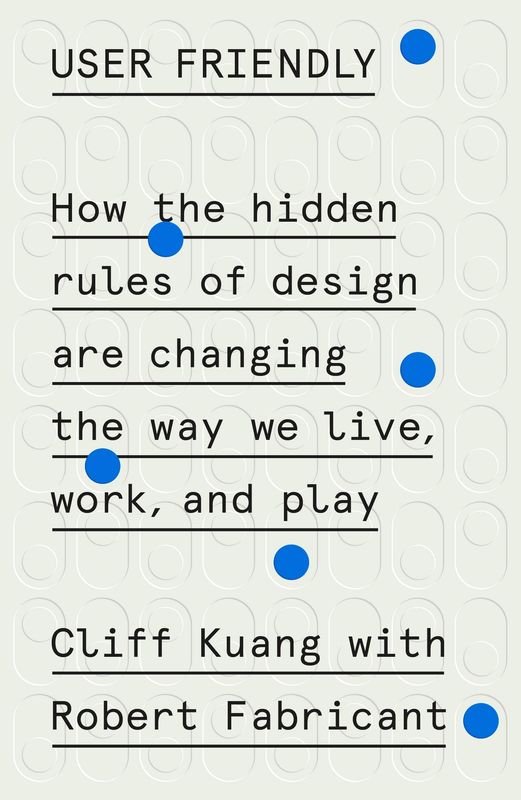
In 'User Friendly', authors Cliff Kuang and Robert Fabricant delve into the evolution of design and its profound impact on our daily lives. They explore how user experience shapes technology and our interactions with it, revealing the hidden forces at play in the digital world. From the origins of design thinking to the future of interaction, the book challenges conventional notions of usability. Readers will discover how empathy and human-centered design can transform products into experiences. This thought-provoking exploration not only invites curiosity but also encourages a reevaluation of our relationship with technology.
By Cliff Kuang, Robert Fabricant
Published: 2019
"Design is not just what it looks like; it’s how it works. The true essence of user-friendly design is the seamless interplay between functionality and experience."

Start Listening to Book Summary
Book Review of User Friendly
In User Friendly, Cliff Kuang and Robert Fabricant reveal the untold story of a paradigm that quietly rules our modern lives: the assumption that machines should anticipate what we need. Spanning over a century of sweeping changes, from women’s rights to the Great Depression to World War II to the rise of the digital era, this book unpacks the ways in which the world has been—and continues to be—remade according to the principles of the once-obscure discipline of user-experience design. In this essential text, Kuang and Fabricant map the hidden rules of the designed world and shed light on how those rules have caused our world to change—an underappreciated but essential history that’s pieced together for the first time. Combining the expertise and insight of a leading journalist and a pioneering designer, User Friendly provides a definitive, thoughtful, and practical perspective on a topic that has rapidly gone from arcane to urgent to inescapable. In User Friendly, Kuang and Fabricant tell the whole story for the first time—and you’ll never interact with technology the same way again.
Book Overview of User Friendly
About the Book Authors
Cliff Kuang
Cliff Kuang is an acclaimed author and design journalist known for his insightful analysis of technology and its impact on society. He has contributed to notable publications such as Wired and Fast Company, where he explores the intersections of design, technology, and culture. Kuang's recent book, "User-Friendly: How the Hidden Rules of Design Are Changing the Way We Live, Work, and Play," delves into the principles of user experience and how design shapes our daily interactions. His writing is characterized by a blend of clarity and depth, making complex topics accessible to a broad audience.
Robert Fabricant
Robert Fabricant is an acclaimed author known for his thought-provoking novels and engaging storytelling. He has written several notable works, including 'The Guardian of the Abyss' and 'Echoes of Silence,' which explore themes of identity, morality, and the impact of technology on society. Fabricant's writing style blends lyrical prose with sharp dialogue, creating immersive narratives that resonate with readers. In addition to his fiction work, he frequently contributes to literary journals and speaks at writing workshops, inspiring the next generation of writers.
Book Details
Key information about the book.
- Authors
- Cliff Kuang, Robert Fabricant
- Published
- November 2019
- Publisher
- MCD
- ISBN
- 0374279756
- Language
- English
- Pages
- 416
- Genres
- Design ThinkingDesign
Purchase Options
 Buy on Amazon
 Buy via BookShop
Support local bookstores: BookShop gives a portion of each sale to independent bookshops!
Similar books you might like →
An Essay on Typography Book Summary
In 'An Essay on Typography,' Eric Gill explores the art and craft of type design, revealing how typography shapes our perception of written language. Through a blend of philosophical musings and practical insights, Gill argues that type is not just a tool for communication, but an integral aspect of visual culture. He challenges conventional approaches and invites readers to appreciate the aesthetic and ethical implications of typographic choices. This thought-provoking essay raises questions about the role of the designer in society and the impact of typography on our daily lives. Dive into Gill's world to uncover the beauty and power of letters that often goes unnoticed.

The Timeless Way of Building Book Summary
In 'The Timeless Way of Building', Christopher Alexander unveils a revolutionary philosophy of architecture that champions the beauty and organic nature of spaces. He argues that true architecture should resonate with human emotions and the environment, creating a harmonious living experience. Through inspiring examples and a unique pattern language, Alexander illuminates the idea of crafting spaces that feel right. This book is not merely a manual for design but a deep exploration of what makes places and communities thrive. Readers will discover a compelling approach that challenges conventional construction norms and reveals the timeless principles of creating authentic environments.
The Design of Everyday Things Book Summary
In 'The Design of Everyday Things', Don Norman reveals the hidden principles behind effective design that shapes our everyday interactions. He explores the psychological underpinnings of how we perceive and interact with objects, highlighting the importance of usability and user-centered design. Through captivating examples, Norman illustrates how poor design can lead to frustration, while thoughtful design enhances our experience. This book challenges readers to rethink the functionality of everyday items, making them consider the design choices behind the objects they encounter. Ultimately, it invites us to demand better designs that cater to our needs, making the mundane extraordinary.
Don't Make Me Think, Revisited Book Summary
In 'Don't Make Me Think, Revisited', Steve Krug presents a timeless guide to web usability, challenging the notion that users read websites thoroughly. With humor and clarity, he emphasizes the importance of intuitive design, advocating that simplicity trumps complexity. Krug's insights encourage designers to prioritize user experience, making navigation as effortless as possible. Through practical examples and actionable advice, he unveils common pitfalls to avoid. This essential read will transform the way you think about designing websites and engaging users—are you ready to rethink your approach?
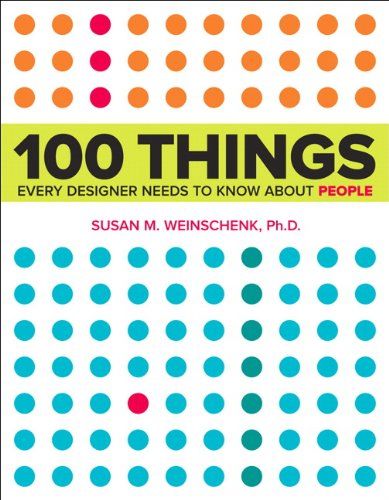
100 Things Every Designer Needs to Know about People Book Summary
In '100 Things Every Designer Needs to Know about People,' Susan Weinschenk unveils essential psychological principles that can enhance design effectiveness. With insights drawn from cognitive science, the book explores how people perceive, interact with, and make decisions about design. From the nuances of color perception to the importance of empathy in user experience, Weinschenk offers practical strategies for designers. Each principle is supported by fascinating research, making the content both informative and engaging. This enlightening guide equips designers to create more intuitive and user-friendly experiences, sparking curiosity about the intersection of psychology and design.
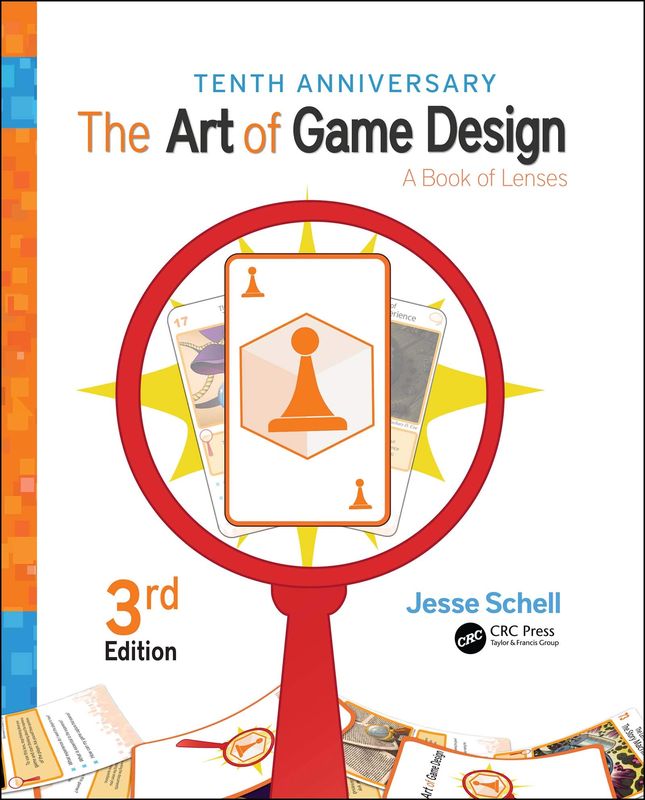
The Art of Game Design Book Summary
In 'The Art of Game Design,' Jesse Schell unravels the captivating world of game development, blending theory and practical insights. He presents a unique perspective that gaming is not just a skill but an art form, exploring what truly makes games immersive and memorable. With a combination of engaging anecdotes and hands-on exercises, Schell invites readers to think like designers and embrace creativity. The book serves as a comprehensive guide, making it an essential read for aspiring game creators and enthusiasts alike. Dive into the playful intricacies of design and discover the secrets that could inspire your next game masterpiece!
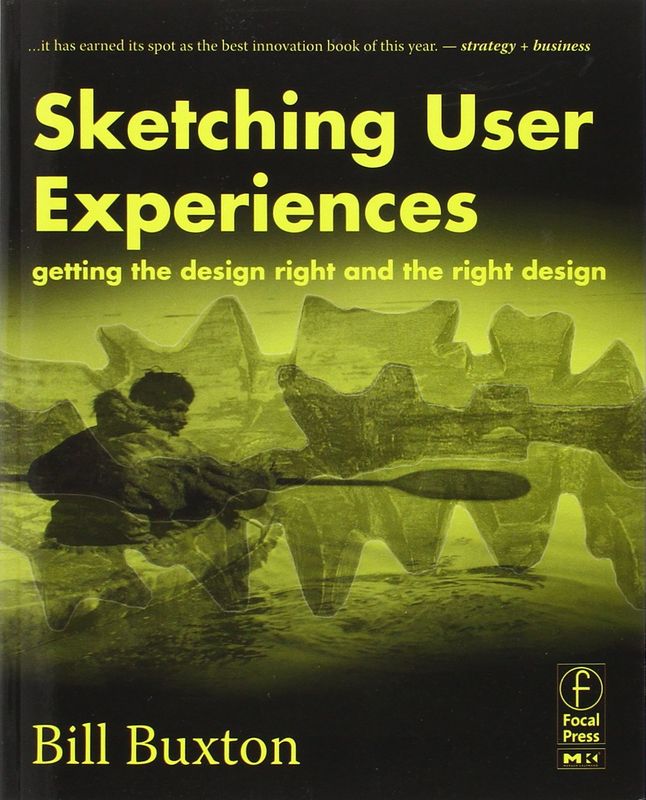
Sketching User Experiences: Getting the Design Right and the Right Design Book Summary
No summary available
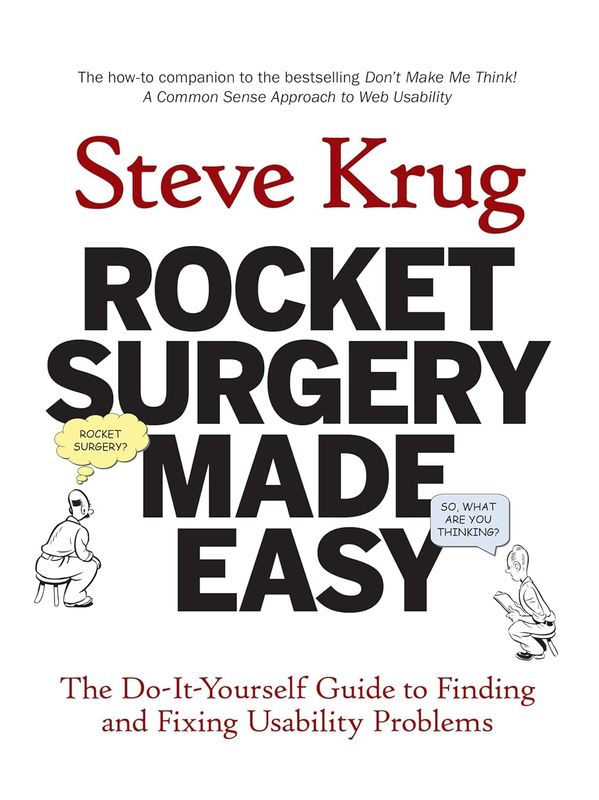
Rocket Surgery Made Easy Book Summary
In 'Rocket Surgery Made Easy', Steve Krug demystifies the process of usability testing, arguing that it's not rocket science—it's just common sense. Krug presents simple, practical techniques that anyone can use to identify and fix usability issues in their designs. Through engaging anecdotes and clear instruction, he empowers teams to enhance user experience without the need for extensive resources or expertise. This book transforms the way we think about user testing, making it accessible and effective for all. Prepare to revolutionize your approach to design and make your products truly user-friendly!
Showing 8 of 30 similar books
Take your reading experience to the next level
Download our mobile app to enjoy your favorite books on the go. Get access to exclusive features, offline listening, and personalized recommendations.

Similar Book Recommendations →

Julian Shapiro's Book Recommendations
Julian Shapiro is a renowned writer and entrepreneur, acclaimed for his insightful essays on personal growth and marketing strategies. He is the author of "The Julian Shapiro Collection," a compilation of his most impactful writings that have garnered a wide readership online. Shapiro co-founded the growth marketing agency Bell Curve, where he has helped numerous startups achieve exponential growth. His work often blends practical advice with deep philosophical inquiries, making complex subjects accessible to a broad audience. Through his prolific writing and entrepreneurial ventures, Julian has become a key figure in the intersection of business and self-improvement literature.

Bret Victor's Book Recommendations
Bret Victor is a renowned American interface designer and computer scientist celebrated for his innovative contributions to interactive design and human-computer interaction. He is best known for creating dynamic, explorable explanations, which have significantly influenced the way educational content is presented and understood. Victor's seminal work, "Inventing on Principle," advocates for the integration of immediate feedback in creative processes, inspiring a new wave of interactive programming environments. As a former member of the Apple Human Interface team, he played a pivotal role in shaping modern user interfaces. Through his organization, Dynamicland, Victor continues to explore and expand the boundaries of immersive, collaborative computing environments.

Coleen Baik's Book Recommendations
Coleen Baik is an American designer, artist, and entrepreneur, known for her work in the tech industry, including as a founding team member of Twitter. Baik played a key role in shaping the user experience and design of Twitter in its early days, contributing to its iconic interface. She is also the founder of Baik Art, a multidisciplinary art studio that blends technology and visual art. Baik is passionate about using design to create meaningful and user-centered digital experiences, and she frequently speaks on topics related to innovation, design, and creativity. Her work has made her a prominent figure in the intersection of tech and design.

Andrew Chen's Book Recommendations
Andrew Chen is a venture capitalist, entrepreneur, and thought leader in growth marketing, currently serving as a general partner at Andreessen Horowitz. Chen is known for his expertise in network effects, viral growth strategies, and marketplace dynamics, making him a sought-after advisor for startups looking to scale. Prior to joining Andreessen Horowitz, he worked in leadership roles at Uber, helping to grow the ride-sharing platform’s user base and develop key growth strategies. Chen is also a prolific writer, sharing his insights on growth, technology, and startups through his popular blog and newsletter, which has attracted a loyal following in the tech community. His work has helped shape how many startups approach user acquisition, retention, and product-market fit. As a venture capitalist, Chen focuses on early-stage companies in the consumer internet, SaaS, and marketplace sectors, and he has been involved in funding and advising several successful startups. His insights on technology and growth continue to influence both founders and investors alike.

Daniel Burka's Book Recommendations
Daniel Burka is a prominent figure in the tech and design world, best known for his significant contributions to digital product design. As a design partner at GV (formerly Google Ventures), he has played a crucial role in shaping the user experience of numerous successful startups. Burka co-founded the design agency MetaLab, which has worked with top-tier clients like Slack and Coinbase. Additionally, his work at Digg as the Director of Design helped pioneer social media design trends in the early 2000s. While not primarily an author, Burka's influence extends into literature through his insightful writings and talks on design and innovation.

Sophie Bakalar's Book Recommendations
Sophie Bakalar is a distinguished author and venture capitalist known for her adept storytelling and insightful exploration of contemporary issues. Her debut novel received critical acclaim for its nuanced portrayal of complex characters and societal dynamics. In addition to her literary achievements, Bakalar is a co-founder of a successful venture firm, where she leverages her keen understanding of market trends and innovation. Her essays and articles, often featured in prominent publications, reflect her deep engagement with cultural and technological shifts. Bakalar's multifaceted career bridges the worlds of literature and entrepreneurship, making her a unique voice in both fields.

Chris Do's Book Recommendations
Chris Do is a renowned designer, entrepreneur, and educator, best known for his influential work in the fields of design and business strategy. As the founder and CEO of The Futur, an online education platform, he has revolutionized the way creative professionals learn about design, branding, and entrepreneurship. Do's contributions extend beyond education; his insightful writings on design thinking and business acumen have garnered a global following. Additionally, he has received numerous accolades for his innovative approach to design and his commitment to empowering the creative community. Through his books, articles, and speaking engagements, Chris Do continues to inspire and mentor the next generation of designers and entrepreneurs.

Adam Ho's Book Recommendations
Adam Ho is a celebrated author known for his innovative contributions to contemporary fiction. His debut novel, "Echoes of Tomorrow," garnered critical acclaim and won the prestigious New Horizon Award for its imaginative storytelling and profound themes. Ho's work often explores the intersections of technology, identity, and human connection, earning him a dedicated readership and a place on numerous bestseller lists. In addition to his novels, he has published a collection of short stories, "Digital Dreams," which has been praised for its emotional depth and narrative ingenuity. Beyond writing, Ho is an advocate for digital literacy and frequently speaks at literary festivals and academic conferences worldwide.
Showing 8 of 13 related collections
“Design is not just what it looks like; it’s how it works. The true essence of user-friendly design is the seamless interplay between functionality and experience.”
User Friendly
By Cliff Kuang, Robert Fabricant
Frequently Asked Questions
Explore Our Catalogue
Discover a world of knowledge through our extensive collection of book summaries.
Genres
Genres
Genres
Featured Collections
- Top Book Club Picks
- One-Stop Nutrition
- Summer Reads 2024
- Best Beach Reads 2024
- Work-Life Balance Guide
- Time Management
- Healthy Foods
- Entrepreneur Toolkit
- Mind & Body Wellness
- Future Tech Insights
- Leadership Essentials
- Financial Freedom
- Sci-Fi Masterpieces
- Parenting 101
- Books That Became Blockbusters
- Guide to a Healthy Pregnancy