Violence and Social Orders Book Summary
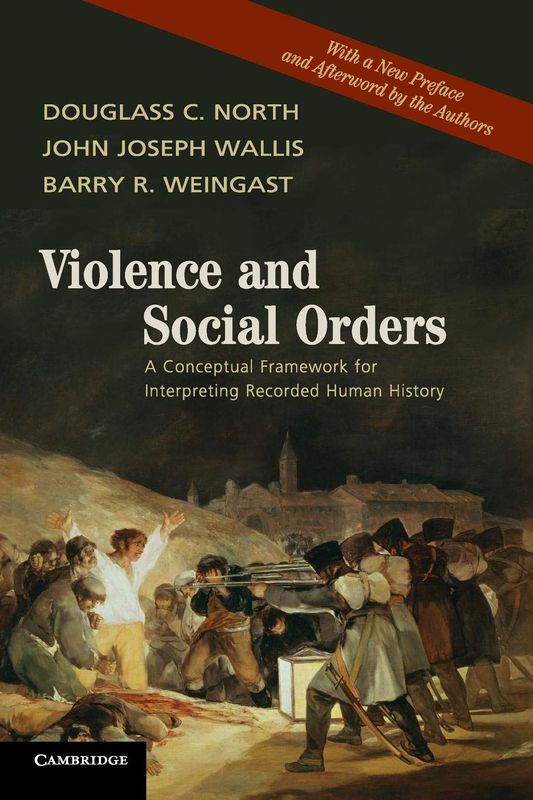
In 'Violence and Social Orders', acclaimed economists Douglass C. North, John Joseph Wallis, and Barry R. Weingast explore the intricate relationship between political stability and economic performance through the lens of historical social orders. They delve into how societies create institutions to manage violence and promote cooperation, unraveling the puzzles that define state formation and governance. With compelling case studies, the authors challenge traditional views on power, suggesting that the evolution of social contracts is fundamental to societal success. This thought-provoking work prompts readers to reconsider their understanding of authority and the foundations of civilization. Could the key to a peaceful society be hidden within its historical frameworks and economic structures?
By Douglass C. North, John Joseph Wallis, Barry R. Weingast
Published: 2012
""The fundamental problem of social order is to find a mechanism that can effectively coordinate and constrain individual behaviors that lead to violence, while enabling cooperation.""

Start Listening to Book Summary
Book Review of Violence and Social Orders
All societies must deal with the possibility of violence, and they do so in different ways. This book integrates the problem of violence into a larger social science and historical framework, showing how economic and political behavior are closely linked. Most societies, which we call natural states, limit violence by political manipulation of the economy to create privileged interests. These privileges limit the use of violence by powerful individuals, but doing so hinders both economic and political development. In contrast, modern societies create open access to economic and political organizations, fostering political and economic competition. The book provides a framework for understanding the two types of social orders, why open access societies are both politically and economically more developed, and how some 25 countries have made the transition between the two types.
Book Overview of Violence and Social Orders
About the Book Authors
Douglass C. North
Douglass C. North (1920–2015) was an influential American economist and a pioneer in the field of institutional economics. He was awarded the Nobel Prize in Economic Sciences in 1993, recognized for his analysis of the role of institutions in economic performance. North's notable works include 'Institutions, Institutional Change and Economic Performance,' 'Structure and Change in Economic History,' and 'Understanding the Process of Economic Change.' His writing is characterized by a clear and methodical style, reflecting his deep understanding of how historical and social factors influence economic systems. His contributions have profoundly shaped contemporary economic thought and policy.
John Joseph Wallis
John Joseph Wallis is an acclaimed author known for his engaging storytelling and rich character development. With a career spanning over two decades, Wallis has published several notable works, including 'The Last Whisper of the Wind,' 'Echoes of the Past,' and 'The River's Secret.' His writing often blends elements of suspense and emotional depth, drawing readers into intricate plots that explore the complexities of human relationships. Wallis's unique narrative voice and ability to evoke vivid imagery have earned him a dedicated following and critical acclaim in the literary community.
Barry R. Weingast
Barry R. Weingast is a prominent political scientist and author, renowned for his influential work in the fields of political economy and institutional analysis. He has significantly contributed to understanding the role of institutions in shaping economic and political outcomes. Weingast is best known for his notable works, including "The Political Foundations of Democracy and the Rule of Law" and "Structure and the Political Economy of Growth". His writing is characterized by a rigorous analytical approach and a focus on empirical evidence, making complex theories accessible to a broader audience. As a professor at Stanford University, he continues to impact the academic community through his research and teachings.
Book Details
Key information about the book.
- Authors
- Douglass C. North, John Joseph Wallis, Barry R. Weingast
- Published
- December 2012
- Publisher
- Cambridge University Press
- ISBN
- 1107646995
- Language
- English
- Pages
- N/A
- Genres
- Global EconomicsBusiness and EconomicsPolitical HistoryPolitics and Current Affairs
Purchase Options
 Buy on Amazon
 Buy via BookShop
Support local bookstores: BookShop gives a portion of each sale to independent bookshops!
Similar books you might like →
The Great Transformation Book Summary
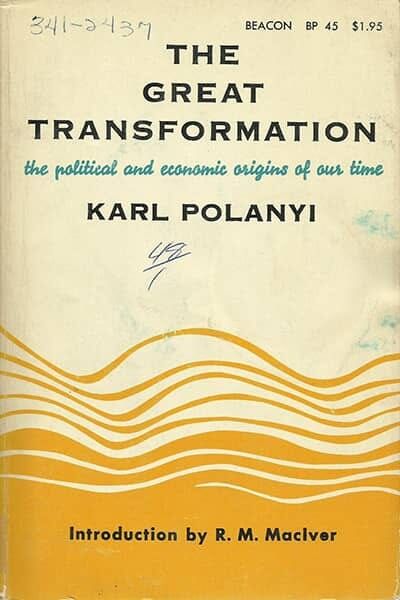
In 'The Great Transformation,' Karl Polanyi explores the radical shifts in economic and social structures that shaped modern society during the Industrial Revolution. He argues that the rise of the market economy led to profound disruptions in community life and environmental balance. Polanyi challenges the notion of self-regulating markets, revealing the hidden social costs of laissez-faire capitalism. Through historical examples, he illustrates the tension between economy and society, emphasizing the need for protective measures. This thought-provoking work invites readers to reconsider the relationship between markets and social welfare in contemporary life.
The Great Convergence Book Summary
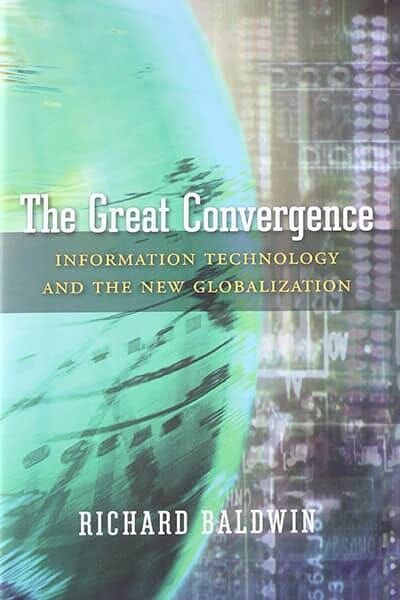
In 'The Great Convergence,' Richard Baldwin takes readers on a compelling journey through the forces shaping our global economy, emphasizing the revolutionary impact of digital technology. He argues that the convergence of production and consumption is redefining international borders and reshaping global trade. As we become more interconnected than ever, Baldwin raises critical questions about the future of jobs and economic disparity. Will the merging of markets lead to prosperity, or will it deepen existing divides? A thought-provoking exploration that challenges conventional wisdom and invites readers to rethink the implications of our rapidly changing world.
Crises of Democracy Book Summary
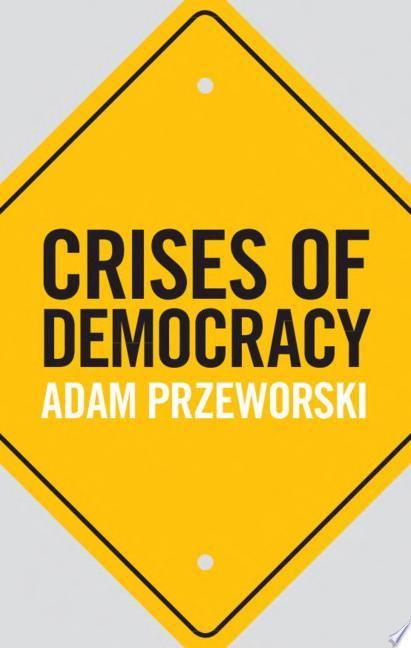
In 'Crises of Democracy', Adam Przeworski explores the fragile foundations upon which democratic governments stand. He delves into the causes of contemporary democratic crises, revealing how economic inequality, political polarization, and eroding trust can destabilize societies. Przeworski offers a thought-provoking analysis of historical examples, prompting readers to consider whether democracy can survive in the face of these challenges. With a blend of political science insights and compelling narratives, the book invites reflection on the future of governance. Can democracy endure, or are we witnessing its twilight?
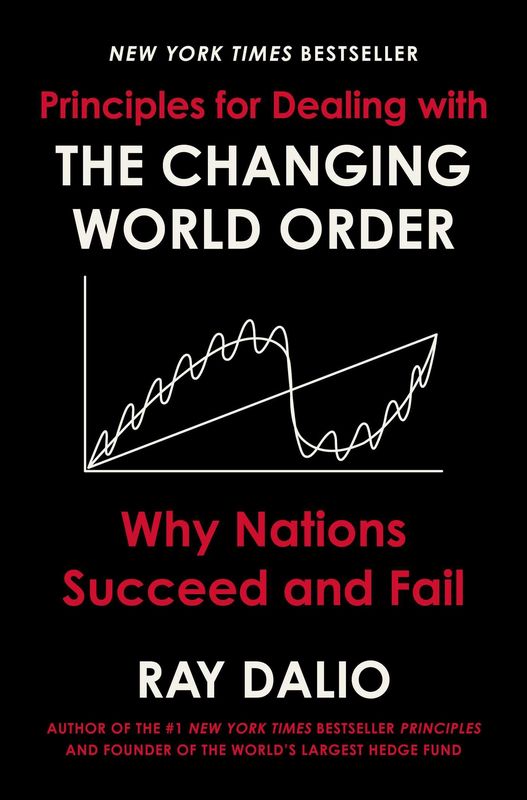
Principles for Dealing with the Changing World Order Book Summary
In 'Principles for Dealing with the Changing World Order', Ray Dalio reveals the intricate patterns governing global shifts and power dynamics. Drawing on historical precedents and economic principles, he uncovers the cyclical nature of empires and their eventual decline. Dalio emphasizes the importance of understanding these principles to navigate the complexities of today's fast-evolving world. With a mix of personal anecdotes and rigorous analysis, he equips readers with tools to adapt and thrive amidst uncertainty. This thought-provoking exploration invites you to reconsider what the future may hold and how to prepare for it.
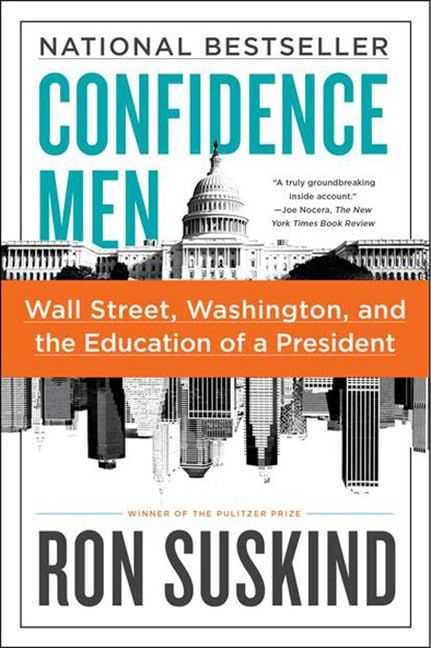
Confidence Men Book Summary
In 'Confidence Men,' Ron Suskind pulls back the curtain on the Obama administration, revealing the intricate dance of deception and ambition that characterized its early days. Through vivid anecdotes and incisive analysis, Suskind examines how key figures navigated the tumultuous landscape of politics, recession, and reform. The book delves into the psyche of confidence and how it can inspire both hope and disillusionment. With a keen eye for detail, Suskind crafts a narrative that questions the integrity of leadership in times of crisis. Prepare to explore the blurred lines between confidence and manipulation in a gripping political drama.
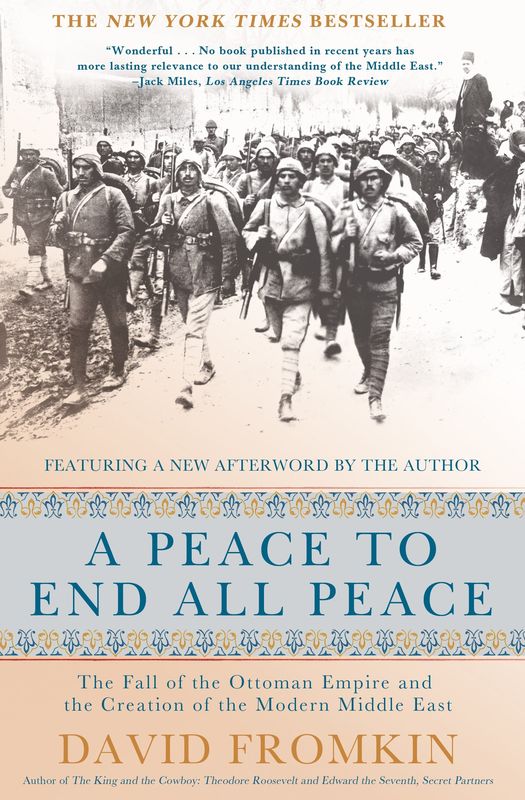
A Peace to End All Peace Book Summary
In 'A Peace to End All Peace', David Fromkin unravels the intricate web of events that led to the creation of the modern Middle East after World War I. With compelling narratives, Fromkin reveals how the decisions made by imperial powers set the stage for decades of conflict. This historical analysis not only highlights the reckless diplomacy of the time but also exposes the enduring consequences of these choices on today's geopolitical landscape. As tensions rise in the region, the book prompts readers to ponder: can any lasting peace ever truly emerge from such a fractured legacy? Dive into this thought-provoking exploration of history, power, and the quest for stability in a tumultuous world.
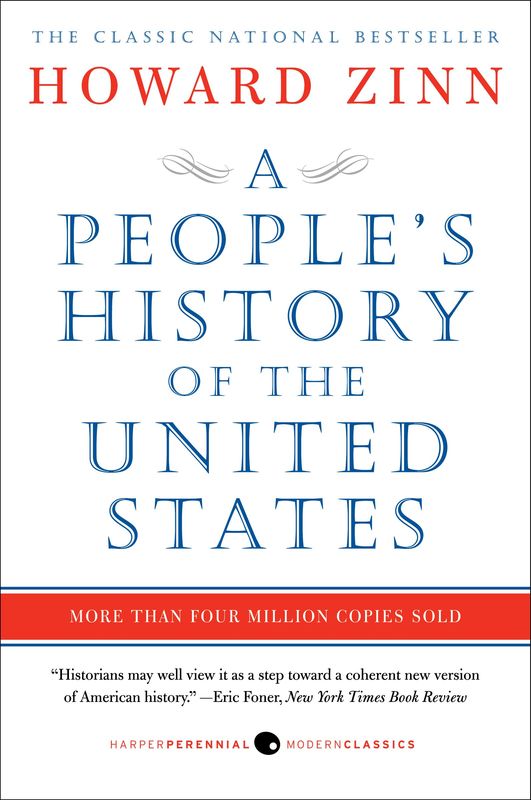
A People's History of the United States Book Summary
In 'A People's History of the United States,' Howard Zinn redefines the American narrative by focusing on the experiences and struggles of marginalized groups throughout history. This provocative work unveils the hidden stories of Native Americans, slaves, women, and others who have been silenced in traditional historical accounts. Zinn challenges the reader to rethink the very foundations of American society and its values, highlighting the continuous fight for justice and equality. As he dives into pivotal moments where ordinary people stood against power, the book raises questions about who writes history and whose voices are heard. A compelling call to recognize the past in order to inform the future, it leaves readers hungry for deeper truths about the American experience.
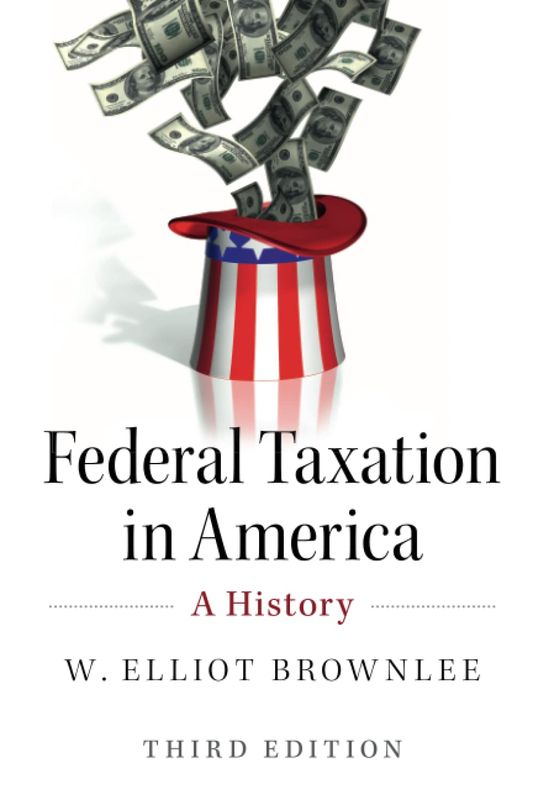
Federal Taxation in America Book Summary
'Federal Taxation in America' by W. Elliot Brownlee delves into the intricate history and evolution of tax policy in the United States. From its origins in the colonial era to the complexities of modern-day taxation, the book uncovers the socio-political forces that have shaped fiscal policy. Brownlee masterfully weaves together economic theory and real-world implications, revealing how taxation reflects broader societal values and priorities. As readers explore the twists and turns of tax legislation, they’ll find themselves questioning the very nature of fairness and equity in a capitalist society. Will the future of taxation lead to reform or further entrench inequality? Discover the answers within this thought-provoking examination.
Showing 8 of 30 similar books
Take your reading experience to the next level
Download our mobile app to enjoy your favorite books on the go. Get access to exclusive features, offline listening, and personalized recommendations.

Similar Book Recommendations →

Brandon Stanton's Book Recommendations
Brandon Stanton is an American photographer and author, best known for creating Humans of New York, a photography project that shares the personal stories of everyday people. Through his portraits and interviews, Stanton captures the diverse experiences of people in New York City and around the world, offering intimate insights into their lives. Humans of New York has become a global phenomenon, with millions of followers on social media and several best-selling books. Stanton’s work has expanded beyond photography to include fundraising campaigns that have raised millions of dollars for individuals and charitable causes. His ability to connect with people and share their stories has made him one of the most impactful storytellers of his generation.

Naval Ravikant's Book Recommendations
Naval Ravikant is an entrepreneur, angel investor, and philosopher, best known as the co-founder of AngelList, a platform that connects startups with investors. Ravikant is a prolific thinker and writer on topics such as startups, investing, and personal well-being, sharing his wisdom through essays, podcasts, and social media. He has invested in over 100 companies, including Uber, Twitter, and Yammer, making him one of Silicon Valley’s most successful angel investors. Ravikant is also known for his philosophical musings on wealth, happiness, and the meaning of life, which have garnered him a large and dedicated following.
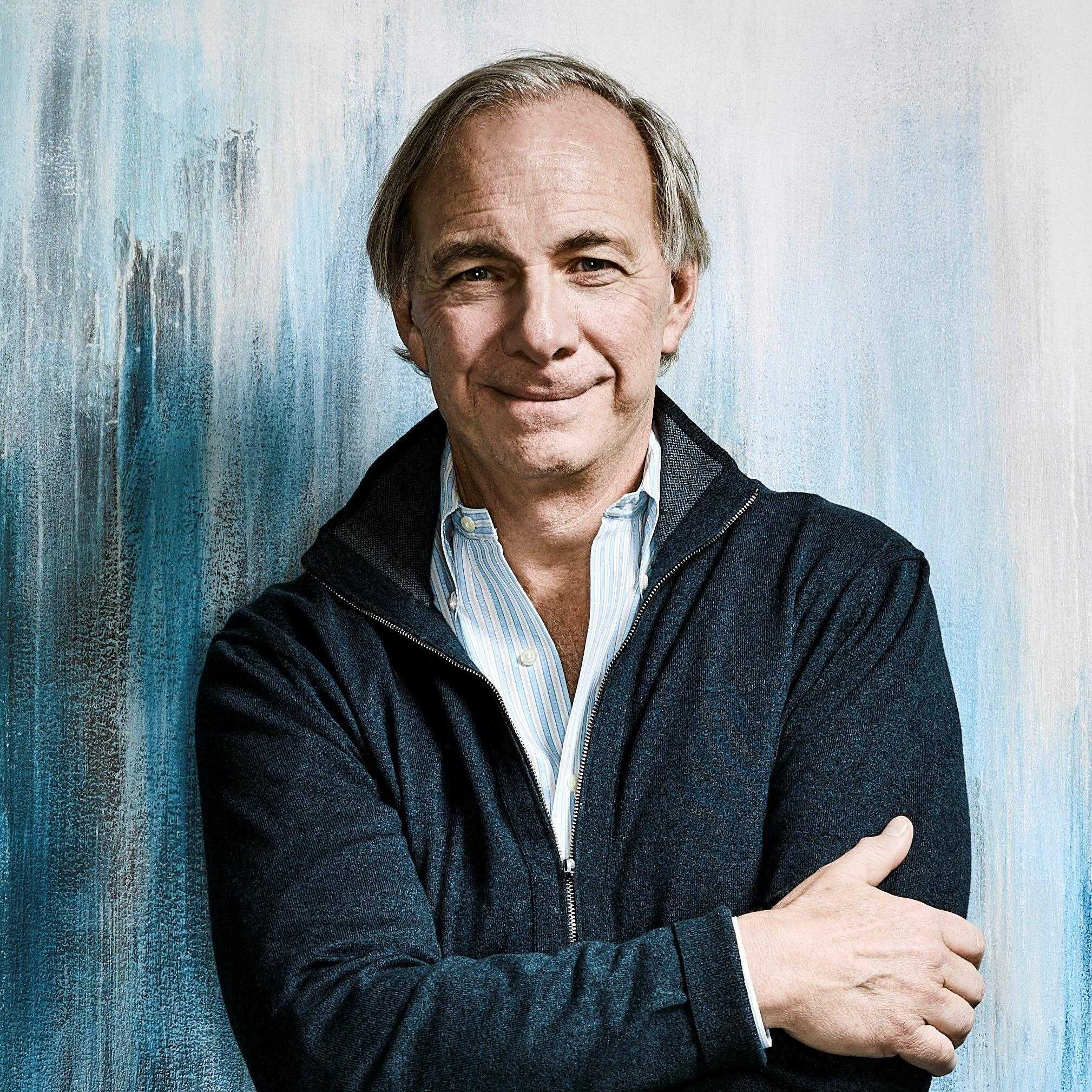
Ray Dalio's Book Recommendations
Ray Dalio is the founder of Bridgewater Associates, one of the largest and most successful hedge funds in the world. He is also the author of the bestselling book Principles, where he outlines his philosophy on life, leadership, and investing. Ray is renowned for his unique approach to transparency, radical truth, and thoughtful disagreement within organizations. His insights into economics and investing have made him one of the most influential figures in the financial world. Dalio continues to be a thought leader in business, economics, and philanthropy.

Ben Shapiro's Book Recommendations
Ben Shapiro is an American conservative political commentator, author, and lawyer, known for his sharp analytical skills and outspoken views. He graduated from UCLA at the age of 20 and Harvard Law School at 23, demonstrating his early intellectual prowess. Shapiro is the author of several best-selling books including "Bullies: How the Left's Culture of Fear and Intimidation Silences Americans" and "The Right Side of History: How Reason and Moral Purpose Made the West Great." He is the co-founder and editor emeritus of The Daily Wire, a popular conservative news and opinion website. Through his writing and media presence, Shapiro has significantly influenced contemporary political discourse in the United States.
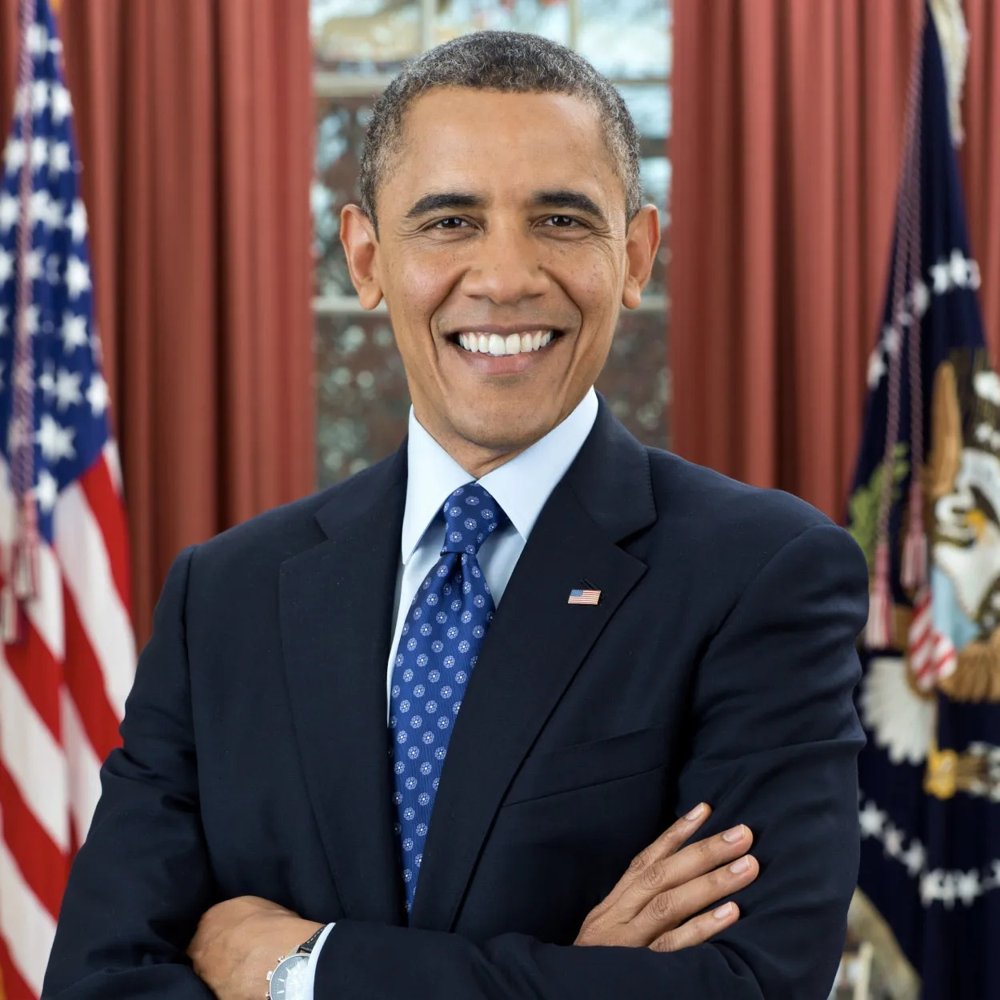
Barack Obama's Book Recommendations
Barack Obama is the 44th President of the United States, serving from 2009 to 2017. As the first African American president, Obama’s leadership marked a historic moment in American history. His administration focused on healthcare reform, economic recovery from the Great Recession, and environmental policies. He is best known for the Affordable Care Act, as well as his efforts to expand civil rights and restore diplomatic relations with Cuba. Since leaving office, Obama has continued to engage in public life through his foundation, focusing on leadership development, civic engagement, and global issues.

Jon Stewart's Book Recommendations
Jon Stewart is an American comedian, writer, and former host of The Daily Show, where he gained fame for his satirical take on news and politics. Stewart transformed The Daily Show into a critical voice in American media, blending humor with hard-hitting commentary on political and social issues. After stepping down from the show, Stewart has continued to advocate for causes like 9/11 first responders and veterans' rights. He is also a filmmaker, directing the political satire film Irresistible. Stewart remains a significant figure in American culture, known for his wit, activism, and influence on political discourse.

Sophie Bakalar's Book Recommendations
Sophie Bakalar is a distinguished author and venture capitalist known for her adept storytelling and insightful exploration of contemporary issues. Her debut novel received critical acclaim for its nuanced portrayal of complex characters and societal dynamics. In addition to her literary achievements, Bakalar is a co-founder of a successful venture firm, where she leverages her keen understanding of market trends and innovation. Her essays and articles, often featured in prominent publications, reflect her deep engagement with cultural and technological shifts. Bakalar's multifaceted career bridges the worlds of literature and entrepreneurship, making her a unique voice in both fields.

Elon Musk's Book Recommendations
Elon Musk is an influential entrepreneur and innovator known for founding and leading several groundbreaking companies, including Tesla, SpaceX, Neuralink, and The Boring Company. He has played a pivotal role in advancing electric vehicles, space exploration, and renewable energy. Musk's vision extends to colonizing Mars and reducing the risk of human extinction through space travel. In addition to his technological contributions, he has co-authored the book "Spacex: Making Commercial Spaceflight a Reality," providing insights into his ambitious projects and vision for the future. Musk's relentless pursuit of innovation continues to shape the trajectory of multiple industries.
Showing 8 of 14 related collections
“"The fundamental problem of social order is to find a mechanism that can effectively coordinate and constrain individual behaviors that lead to violence, while enabling cooperation."”
Violence and Social Orders
By Douglass C. North, John Joseph Wallis, Barry R. Weingast
Frequently Asked Questions
Explore Our Catalogue
Discover a world of knowledge through our extensive collection of book summaries.
Genres
Genres
Genres
Featured Collections
- Top Book Club Picks
- One-Stop Nutrition
- Summer Reads 2024
- Best Beach Reads 2024
- Work-Life Balance Guide
- Time Management
- Healthy Foods
- Entrepreneur Toolkit
- Mind & Body Wellness
- Future Tech Insights
- Leadership Essentials
- Financial Freedom
- Sci-Fi Masterpieces
- Parenting 101
- Books That Became Blockbusters
- Guide to a Healthy Pregnancy