Why We Get Fat Book Summary
In 'Why We Get Fat', Gary Taubes challenges the conventional wisdom surrounding diet and obesity, arguing that the true culprit is not calories, but carbohydrates. He delves into the science of how insulin and other hormones affect our bodies, leading to weight gain in ways most of us are unaware of. Taubes provides a compelling critique of the dietary guidelines that have shaped our eating habits for decades. With a mix of history, biology, and personal anecdotes, he invites readers to rethink their understanding of food. Can redefining our approach to eating unlock the secrets to lasting weight loss?
By Gary Taubes
Published: 2011
"The simple truth is that we are not fat because we overeat; we overeat because we are fat. To address the raging obesity epidemic, we must understand the hormonal and metabolic factors that drive our bodies to store fat, rather than merely counting calories or restricting portions."


Start Listening to Book Summary
Book Review of Why We Get Fat
NATIONAL BESTSELLER • “Taubes stands the received wisdom about diet and exercise on its head.” —The New York Times What’s making us fat? And how can we change? Building upon his critical work in Good Calories, Bad Calories and presenting fresh evidence for his claim, bestselling author Gary Taubes revisits these urgent questions. Featuring a new afterword with answers to frequently asked questions. Taubes reveals the bad nutritional science of the last century—none more damaging or misguided than the “calories-in, calories-out” model of why we get fat—and the good science that has been ignored. He also answers the most persistent questions: Why are some people thin and others fat? What roles do exercise and genetics play in our weight? What foods should we eat, and what foods should we avoid? Persuasive, straightforward, and practical, Why We Get Fat is an essential guide to nutrition and weight management. Complete with an easy-to-follow diet. Featuring a new afterword with answers to frequently asked questions.
Book Overview of Why We Get Fat
About the Book Author
Gary Taubes
Gary Taubes is an acclaimed American science and health writer, best known for his critical examination of dietary science and public health. He is the author of several notable works including 'Good Calories, Bad Calories', 'Why We Get Fat', and 'The Case Against Sugar'. Taubes advocates for a low-carbohydrate high-fat diet and challenges conventional nutritional guidelines through his investigative journalism and rigorous analysis. His writing style is characterized by a clear, persuasive narrative that blends scientific research with real-world implications, aiming to illuminate complex topics in a comprehensible manner.
Book Details
Key information about the book.
- Authors
- Gary Taubes
- Published
- December 2011
- Publisher
- Anchor
- ISBN
- 0307474259
- Language
- English
- Pages
- 290
- Genres
- Weight Loss DietsDiet and NutritionFood Science
Purchase Options
 Buy on Amazon
 Buy via BookShop
Support local bookstores: BookShop gives a portion of each sale to independent bookshops!
Similar books you might like →
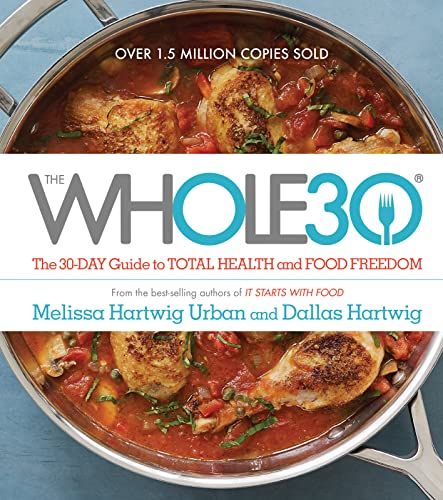
The Whole30 Book Summary
Embark on a transformative journey with "The Whole30," a groundbreaking program designed to reset your body and revolutionize your relationship with food. Say goodbye to cravings and hidden food sensitivities as you explore 30 days of clean eating that promises to reignite your energy and mental clarity. This isn’t just a diet; it’s a challenge that will push you to rediscover the joys of cooking and nourishing yourself. Packed with delicious recipes, practical tips, and personal success stories, it’s a guide to a healthier you. Are you ready to unlock your potential and discover what’s possible in just one month?
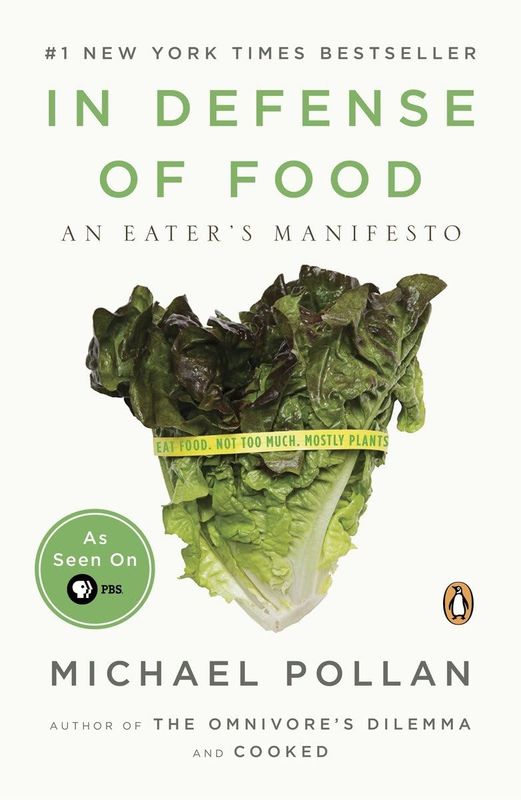
In Defence of Food Book Summary
In *In Defense of Food*, renowned journalist Michael Pollan takes readers on a journey to reclaim the true essence of eating. With a simple mantra—"Eat food, not much, mostly plants"—he challenges the pervasive myths surrounding modern diets and processed foods. Pollan delves into the cultural and nutritional implications of our food choices, urging us to reconnect with the natural world. Through vivid anecdotes and surprising insights, he reveals how our relationship with food has been corrupted. Will you dare to reconsider what’s on your plate and embrace a more authentic way of eating?
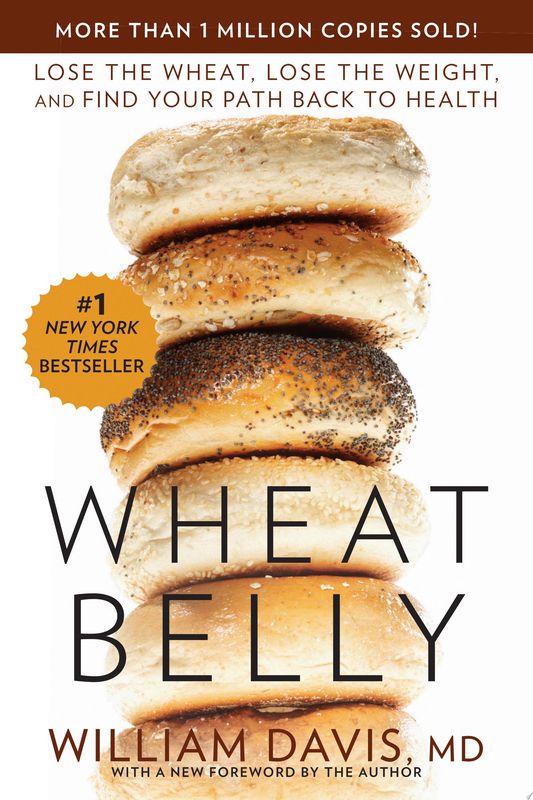
Wheat Belly Book Summary
In *Wheat Belly*, Dr. William Davis unveils the hidden dangers of wheat in today's diet, challenging popular beliefs about healthy grains. He reveals how modern wheat has evolved into a high-gluten, addictive substance that wreaks havoc on our health, contributing to obesity, diabetes, and a host of other ailments. With a compelling mix of science and personal anecdotes, Davis empowers readers to reclaim their health by eliminating wheat and exploring a low-carb lifestyle. The book offers practical strategies and appetizing recipes to help you break free from wheat dependency. Curious about what life could taste like without grains? Dive in to discover a new path to vitality!
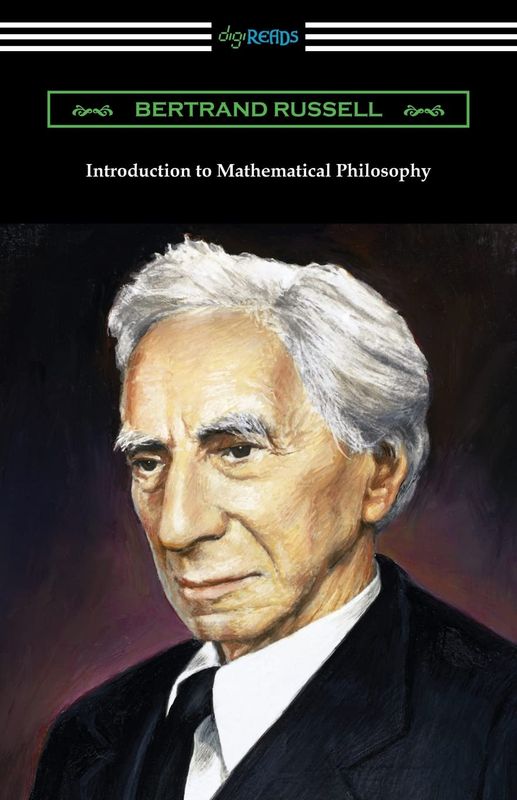
Introduction to Mathematical Philosophy Book Summary
In 'Introduction to Mathematical Philosophy,' Bertrand Russell takes readers on a fascinating journey through the foundations of mathematics and its philosophical implications. He explores concepts such as numbers, infinity, and the nature of mathematical truth, challenging conventional thinking. With his unique blend of clarity and insight, Russell demystifies complex ideas, revealing the profound connections between logic and mathematics. This thought-provoking work not only invites readers to rethink their understanding of numbers but also questions the very essence of reality itself. A must-read for anyone intrigued by the interplay of philosophy and mathematics, this book promises to expand your horizons.
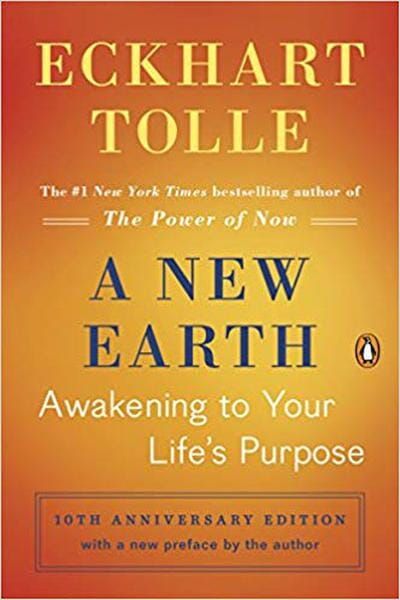
A New Earth Book Summary
In 'A New Earth,' Eckhart Tolle invites readers on a transformative journey toward spiritual awakening and consciousness. Through the exploration of the ego and its influence on personal suffering, he reveals how transcending this mental construct can unleash a more fulfilling existence. Tolle's teachings encourage readers to embrace the present moment and recognize the interconnectedness of all life. With profound insights and practical guidance, the book challenges conventional perceptions of self and reality. Are you ready to awaken to a new way of being that promises peace and purpose?
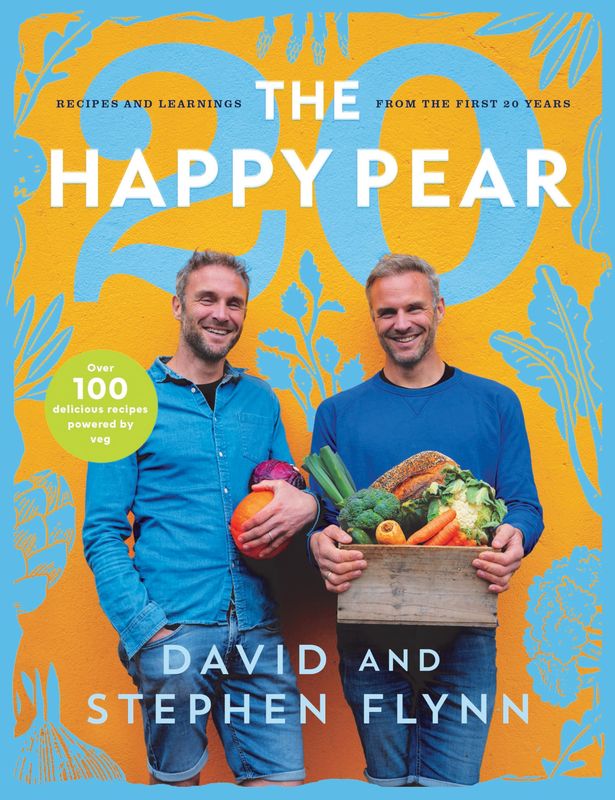
Happy Pear Book Summary
In 'Happy Pear', David and Stephen Flynn share their journey from a small Irish town to becoming renowned health and food advocates. Through vibrant storytelling, they reveal how adopting a plant-based lifestyle transformed their lives, bringing joy, vitality, and a deeper connection to the world around them. With practical tips and irresistible recipes, the Flynn brothers invite readers to embrace healthy eating without sacrificing taste. Their infectious enthusiasm makes the journey feel accessible and fun. Discover how a simple idea can spark a movement towards happiness and well-being!
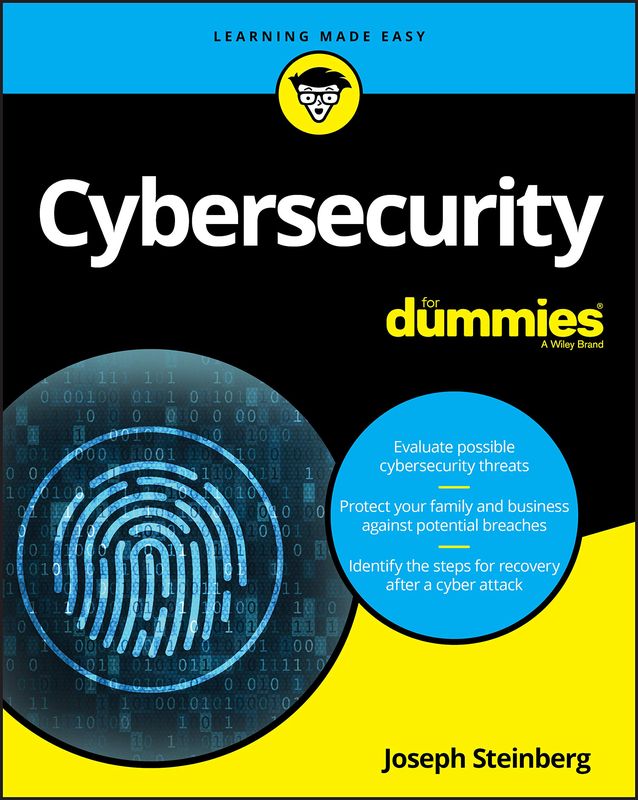
Cybersecurity For Dummies Book Summary
In 'Cybersecurity For Dummies', Joseph Steinberg demystifies the complex world of cybersecurity, making it accessible for everyone—from beginners to seasoned IT professionals. This essential guide reveals the myriad of threats lurking in the digital shadows and arms readers with practical strategies to protect their online presence. Steinberg's engaging writing breaks down intricate concepts into digestible insights, ensuring that no reader is left behind. Discover how to safeguard your personal information, navigate social engineering traps, and keep your devices secure without feeling overwhelmed. Whether you're a casual internet user or a business owner, this book is your key to navigating the cybersecurity landscape with confidence.
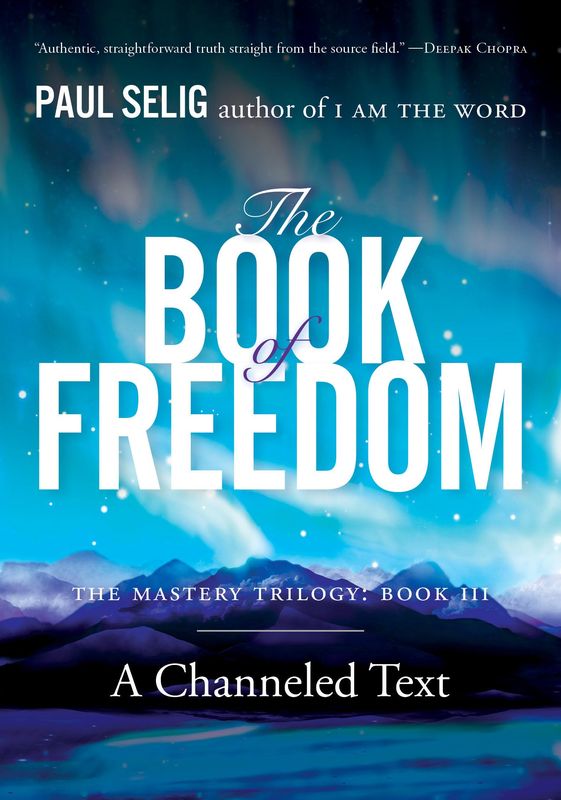
The Book of Freedom Book Summary
In 'The Book of Freedom', Paul Selig unveils a transformative guide to awakening and liberation. Blending mystical teachings with practical insights, he invites readers to explore their inherent power and connection to a greater reality. As Selig channels profound wisdom, you’ll discover how to break free from limiting beliefs and embrace your true self. This journey transcends the ordinary, promising profound shifts in consciousness for those willing to seek it. Are you ready to unlock the keys to your own freedom?
Showing 8 of 25 similar books
Take your reading experience to the next level
Download our mobile app to enjoy your favorite books on the go. Get access to exclusive features, offline listening, and personalized recommendations.

Similar Book Recommendations →
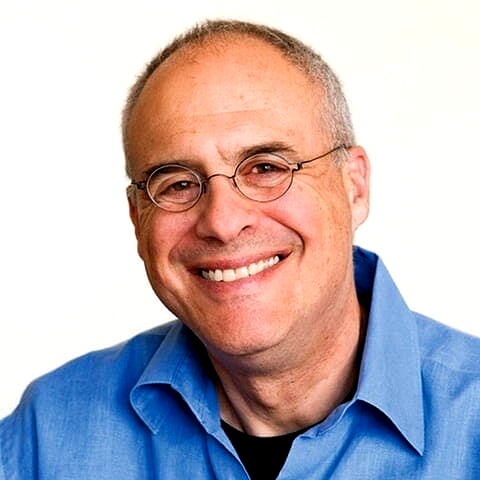
Mark Bittman's Book Recommendations
Mark Bittman is a renowned American food journalist, author, and former columnist for The New York Times, where he penned the popular "The Minimalist" column for over 13 years. He has authored more than 20 books, including the best-selling "How to Cook Everything" series, which has become a staple in home kitchens. Bittman is a vocal advocate for sustainable agriculture and healthy eating, topics he explores in his influential works such as "Food Matters" and "VB6: Eat Vegan Before 6:00." His contributions to food literature have earned him multiple James Beard Foundation Awards. Beyond writing, Bittman is also known for his engaging television appearances and public speaking engagements, where he continues to inspire and educate audiences on the importance of mindful eating.

Earthling Ed's Book Recommendations
Earthling Ed, whose real name is Ed Winters, is a prominent British animal rights activist, author, and public speaker. Known for his compelling advocacy, he co-founded Surge, a non-profit organization dedicated to ending animal exploitation. Ed's literary contributions include his influential book "This is Vegan Propaganda: (And Other Lies the Meat Industry Tells You)," which challenges the ethics of animal agriculture and promotes veganism. He is also known for his educational outreach, engaging in debates and discussions to raise awareness about animal rights. Through his work, Earthling Ed has become a leading voice in the global vegan movement.

Robin Arzón's Book Recommendations
Robin Arzón is the VP of Fitness Programming and Head of Instructors at Peloton, where she is known for her inspirational coaching and intense fitness sessions. A former lawyer turned ultramarathoner, Robin has become a leading voice in the fitness world. She is the author of Shut Up and Run, which motivates people to push their physical and mental limits. Robin is celebrated for her empowering messages of resilience and self-belief, encouraging people to take control of their health and fitness journeys. Her dynamic personality and energy have made her a favorite among Peloton users.
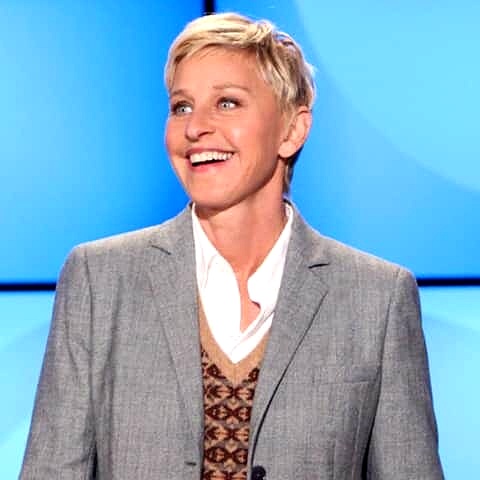
Ellen DeGeneres's Book Recommendations
Ellen DeGeneres is an acclaimed American comedian, television host, actress, and writer. She gained immense popularity with her Emmy-winning daytime talk show, "The Ellen DeGeneres Show," which debuted in 2003 and ran for 19 successful seasons. In the literary world, DeGeneres has authored several bestselling books, including "My Point... And I Do Have One" and "Seriously... I'm Kidding," which showcase her signature humor and candid storytelling. Her work has significantly contributed to discussions on LGBTQ+ issues, especially following her historic coming out in 1997. DeGeneres is also known for her philanthropic efforts, frequently using her platform to support various charitable causes.

John Legend's Book Recommendations
John Legend, an acclaimed American singer, songwriter, and actor, has made significant strides in the music industry with his soulful voice and poignant lyrics. Born on December 28, 1978, he achieved international fame with hits like "Ordinary People" and "All of Me." Legend has won numerous awards, including an Academy Award, a Golden Globe, and multiple Grammy Awards. In addition to his music career, he is a dedicated philanthropist and social activist, focusing on issues such as education reform and criminal justice. Legend's influence extends beyond music, as he is also a co-producer of the Broadway play "Jitney," which won a Tony Award for Best Revival of a Play.

Hugh Jackman's Book Recommendations
Hugh Jackman, better known for his illustrious acting career, has made significant contributions to literature through his co-authorship of the popular children's book series, "The School of Life." Born in Sydney, Australia, Jackman has seamlessly transitioned from stage and screen to the literary world, captivating young readers with his imaginative storytelling. His work in literature reflects his versatility and dedication to inspiring and educating children. Alongside his wife, Deborra-Lee Furness, Jackman has also been involved in various philanthropic efforts, promoting literacy and education globally. Despite his Hollywood fame, Jackman's contributions to literature highlight his commitment to nurturing young minds.
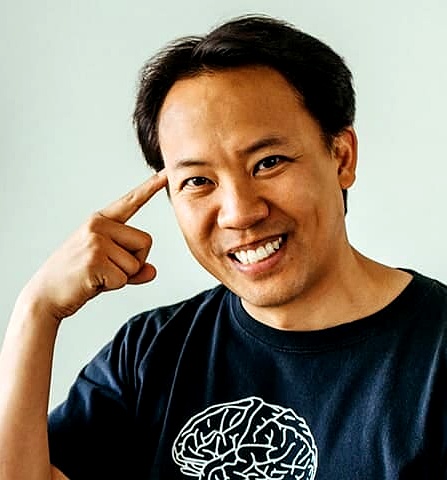
Jim Kwik's Book Recommendations
Jim Kwik is a renowned brain coach and founder of Kwik Learning, known for his expertise in memory improvement, brain performance, and accelerated learning. He is the author of the best-selling book "Limitless: Upgrade Your Brain, Learn Anything Faster, and Unlock Your Exceptional Life," which has empowered countless individuals to optimize their cognitive abilities. Through his popular podcast, "Kwik Brain," and numerous speaking engagements, Kwik has inspired millions worldwide with practical strategies for mental enhancement. His work emphasizes the potential of lifelong learning and the power of self-belief. Kwik's contributions have significantly influenced both educational methodologies and personal development practices.

Gretchen Rubin's Book Recommendations
Gretchen Rubin is a bestselling author and happiness expert, best known for her books The Happiness Project and Better Than Before. She explores the science of habits, happiness, and human behavior, helping readers improve their everyday lives. Gretchen’s popular podcast, Happier with Gretchen Rubin, offers practical advice and personal anecdotes to cultivate a more joyful and meaningful life. Her work emphasizes small, daily changes that can lead to long-term well-being. She continues to be a sought-after speaker on topics of happiness and habit formation.
Showing 8 of 10 related collections
“The simple truth is that we are not fat because we overeat; we overeat because we are fat. To address the raging obesity epidemic, we must understand the hormonal and metabolic factors that drive our bodies to store fat, rather than merely counting calories or restricting portions.”
Why We Get Fat
By Gary Taubes
Frequently Asked Questions
Explore Our Catalogue
Discover a world of knowledge through our extensive collection of book summaries.
Genres
Genres
Genres
Featured Collections
- Top Book Club Picks
- One-Stop Nutrition
- Summer Reads 2024
- Best Beach Reads 2024
- Work-Life Balance Guide
- Time Management
- Healthy Foods
- Entrepreneur Toolkit
- Mind & Body Wellness
- Future Tech Insights
- Leadership Essentials
- Financial Freedom
- Sci-Fi Masterpieces
- Parenting 101
- Books That Became Blockbusters
- Guide to a Healthy Pregnancy