A History of Civilizations Book Summary
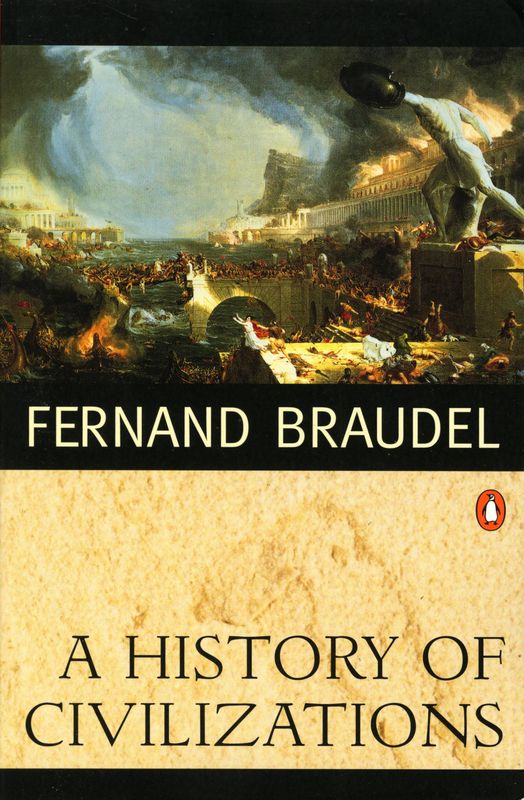
In 'A History of Civilizations', Fernand Braudel takes readers on a sweeping journey through the intricate tapestry of human societies. He challenges conventional narratives by intertwining geography, economics, and culture, revealing how they shape the course of history. Braudel’s innovative approach exposes the slow-moving currents of civilization that often go unnoticed amidst the dramatic events of war and politics. With vivid examples and profound insights, he invites readers to reconsider what truly defines a civilization. This groundbreaking work promises to captivate those eager to explore the deeper, often hidden, forces that have molded our world.
By Fernand Braudel
Published: 1995
""A civilization is not merely a snapshot in time; it is a dynamic tapestry woven from the threads of geography, economy, and human interaction, sprawling across the epochs like a river that carves its path through the landscape of history.""

Start Listening to Book Summary
Book Review of A History of Civilizations
Written from a consciously anti-enthnocentric approach, this fascinating work is a survey of the civilizations of the modern world in terms of the broad sweep and continuities of history, rather than the "event-based" technique of most other texts.
Book Overview of A History of Civilizations
About the Book Author
Fernand Braudel
Fernand Braudel (1902-1985) was a prominent French historian and a leading figure of the Annales School, renowned for his innovative approach to historical writing. He is best remembered for his magnum opus, "The Mediterranean and the Mediterranean World in the Age of Philip II," which emphasizes the interplay between geography and history. Braudel's writing style is characterized by its blend of narrative and analytical methods, often weaving together long-term historical structures with specific events. His work has had a profound impact on social and economic history, inspiring a generation of historians to explore broader temporal and spatial contexts.
Book Details
Key information about the book.
- Authors
- Fernand Braudel
- Published
- April 1995
- Publisher
- Penguin
- ISBN
- 0140124896
- Language
- English
- Pages
- 641
- Genres
- HistoryCultural History
Purchase Options
 Buy on Amazon
 Buy via BookShop
Support local bookstores: BookShop gives a portion of each sale to independent bookshops!
Similar books you might like →
Guns, Germs, and Steel: The Fates of Human Societies (20th Anniversary Edition) Book Summary
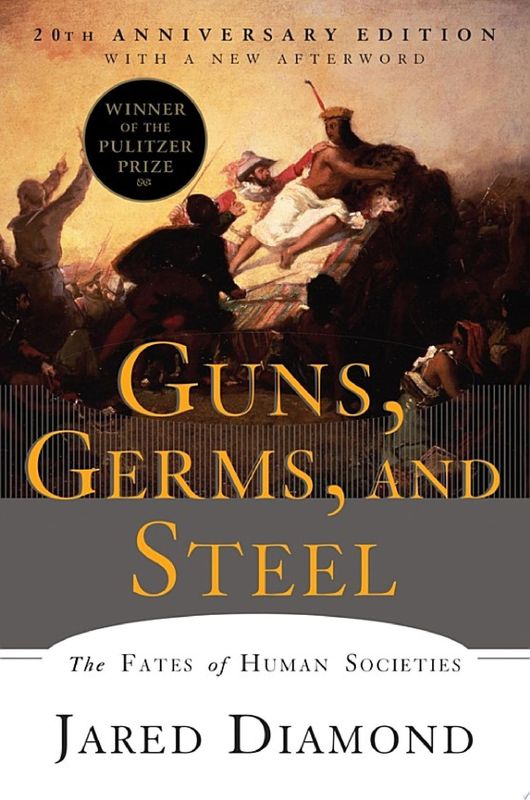
In "Guns, Germs, and Steel," Jared Diamond embarks on a captivating exploration of the forces that shaped human civilization. He argues that geographic and environmental factors, rather than inherent differences among peoples, were pivotal in determining the fates of societies. Through a gripping narrative, Diamond unveils how the spread of agriculture, the domestication of animals, and the availability of resources laid the groundwork for conquest and colonialism. Readers are challenged to reconsider history's most significant events through the lens of ecology and evolution. This thought-provoking masterpiece invites you to question what truly drives societal power across civilizations.
A Brief History of Time Book Summary
In "A Brief History of Time," Stephen Hawking takes readers on a captivating journey through the cosmos, exploring the nature of time, black holes, and the universe's beginnings. With stunning clarity, he unravels complex scientific concepts, inviting everyone—from curious laypersons to seasoned physicists—to ponder the mysteries of existence. Hawking's charismatic storytelling challenges our perceptions of reality and time itself, posing profound questions about the universe's fate. As he merges science with philosophy, the reader is compelled to reflect on their place in a vast, enigmatic cosmos. Prepare to be inspired and awed by a narrative that transcends mere facts, pushing the boundaries of human understanding.

Guns, Germs, and Steel Book Summary
In 'Guns, Germs, and Steel,' Jared Diamond investigates the factors that have shaped human societies over the last 13,000 years. He argues that environmental differences, rather than racial genetics, have been the primary drivers of inequality among civilizations. The book explores how agriculture, technology, and disease have influenced the rise and fall of empires. Through compelling narratives and insightful analysis, Diamond uncovers the unexpected connections between geography and history. Readers are left questioning the very foundations of societal development and the future of humanity.
The City in History Book Summary
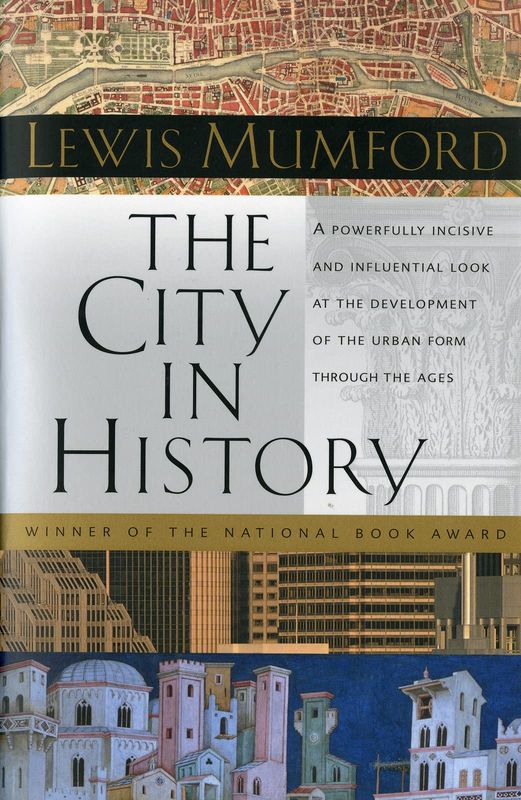
In 'The City in History,' Lewis Mumford explores the evolution of urban life from ancient times to the modern metropolis. He argues that cities are not just physical structures but reflections of human values and societal progress. Mumford delves into the interplay between architecture, technology, and culture, revealing how they shape the human experience. With incisive critiques and vivid historical examples, he presents a vision of the ideal city that promotes both individuality and community. This thought-provoking journey challenges readers to reconsider the role of cities in their own lives and the future of civilization.
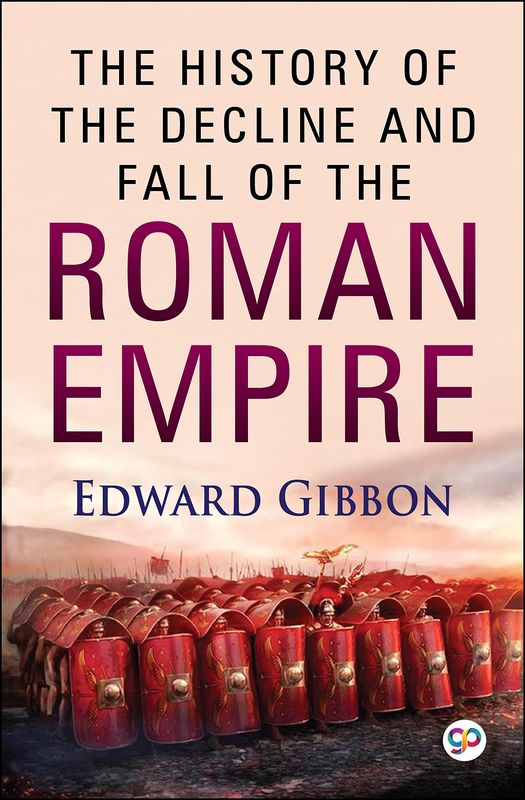
The History of the Decline & Fall of the Roman Empire Book Summary
In 'The History of the Decline & Fall of the Roman Empire,' Edward Gibbon meticulously chronicles the mighty empire's descent into chaos and obscurity. With eloquent prose, Gibbon unveils the interplay of political intrigue, moral decay, and military defeats that eroded Rome's power. His analysis does not merely recount events but delves into the philosophical implications of decline and the lessons for future societies. As empires rise and fall, engage with the timeless questions Gibbon poses about civilization itself. Dive into this monumental work to understand how history shapes our present and future.
A History of Economic Theory Book Summary
In 'A History of Economic Theory', Jürg Niehans takes readers on a captivating journey through the evolution of economic thought. From ancient philosophies to contemporary paradigms, the book unravels how ideas have shaped economic practices across cultures and eras. With each chapter, Niehans reveals the intellectual battles and breakthroughs that have defined the discipline. Rich in historical context, this work challenges readers to consider the relevance of past theories in today's economy. Dive into this scholarly adventure and discover how the past continually influences our understanding of wealth and value.
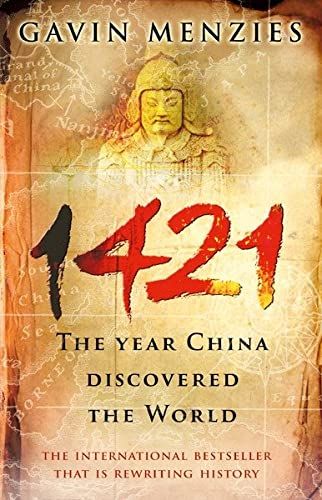
1421: The Year China Discovered The World Book Summary
In '1421: The Year China Discovered The World,' Gavin Menzies presents a groundbreaking theory that suggests the Ming Dynasty launched a massive naval expedition that circumnavigated the globe long before Columbus. The narrative intertwines maritime exploration, historical intrigue, and compelling shipbuilding technologies, revealing a hidden chapter of world history. Menzies argues that these voyages led to encounters with distant lands, including America and Australia, fundamentally changing global trade and interaction. His thrilling investigation challenges long-held beliefs and ignites debate among historians about the true timeline of exploration. Are we ready to rethink the story of our past?
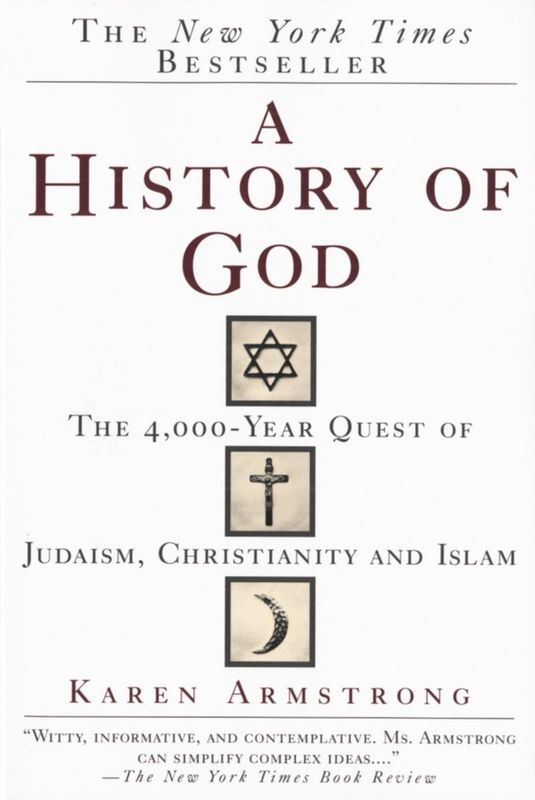
A History of God Book Summary
In 'A History of God', Karen Armstrong embarks on a fascinating journey through the evolution of the concept of God from ancient times to the modern era. She explores how various religions—Judaism, Christianity, and Islam—have shaped humanity's understanding of the divine, revealing the complexities and contradictions in these beliefs. Highlighting the influence of culture, politics, and philosophy, Armstrong invites readers to reconsider their perceptions of faith and spirituality. This thought-provoking narrative raises profound questions about the nature of belief and the future of religious thought. Are we on the brink of a new understanding of God, or are we simply repeating history?
Showing 8 of 25 similar books
Take your reading experience to the next level
Download our mobile app to enjoy your favorite books on the go. Get access to exclusive features, offline listening, and personalized recommendations.

Similar Book Recommendations →

Michael Pollan's Book Recommendations
Michael Pollan is a renowned American author and journalist, celebrated for his insightful explorations of food, agriculture, and human culture. His groundbreaking book, "The Omnivore's Dilemma," published in 2006, critically examines the complexities of the modern food industry and has become a seminal work in food studies. Pollan's engaging narrative style and thorough research have earned him a place on The New York Times Best Seller list multiple times. In addition to his literary contributions, he is also a professor of journalism at the University of California, Berkeley. Pollan's work continues to influence public discourse on sustainable eating and the ethical implications of food choices.

David Heinemeier Hansson's Book Recommendations
David Heinemeier Hansson, also known as DHH, is a Danish programmer, entrepreneur, and author, best known as the creator of Ruby on Rails, a popular web application framework. Heinemeier Hansson is also a partner at Basecamp, a project management and collaboration software company he co-founded. His contributions to software development have earned him widespread recognition, with Ruby on Rails being used by thousands of developers and companies worldwide. Heinemeier Hansson is also a vocal advocate for remote work, simplicity in business, and sustainable work practices, ideas he explores in his bestselling books Rework and It Doesn’t Have to Be Crazy at Work. In addition to his work in tech, he is an accomplished race car driver, having competed in the 24 Hours of Le Mans. Heinemeier Hansson’s approach to work-life balance and entrepreneurship has made him a thought leader in the tech community, where he continues to challenge traditional business practices and advocate for more human-centered approaches to work

Hamilton Morris's Book Recommendations
Hamilton Morris is an American journalist, documentarian, and chemist renowned for his extensive work on psychoactive substances. He is best known for his series "Hamilton's Pharmacopeia," which explores the history, chemistry, and cultural impact of various psychoactive drugs. Morris has contributed significantly to the literature on ethnopharmacology, providing in-depth research and firsthand accounts that have enriched public understanding of these substances. His writings and documentaries have been featured in prominent publications such as Vice, Harper's Magazine, and National Geographic. An advocate for scientific rigor and cultural sensitivity, Hamilton Morris continues to influence both the scientific community and popular discourse on psychoactive substances.

Bret Victor's Book Recommendations
Bret Victor is a renowned American interface designer and computer scientist celebrated for his innovative contributions to interactive design and human-computer interaction. He is best known for creating dynamic, explorable explanations, which have significantly influenced the way educational content is presented and understood. Victor's seminal work, "Inventing on Principle," advocates for the integration of immediate feedback in creative processes, inspiring a new wave of interactive programming environments. As a former member of the Apple Human Interface team, he played a pivotal role in shaping modern user interfaces. Through his organization, Dynamicland, Victor continues to explore and expand the boundaries of immersive, collaborative computing environments.

Anna Kendrick's Book Recommendations
Anna Kendrick is an acclaimed actress and author, best known for her versatile performances in film and theater. She gained widespread recognition for her role in the "Twilight" series and earned an Academy Award nomination for her performance in "Up in the Air." In 2016, Kendrick expanded her creative repertoire by publishing her memoir, "Scrappy Little Nobody," which offers a candid, humorous look at her life and career. The book became a New York Times bestseller, showcasing her sharp wit and storytelling talent. Kendrick continues to influence both the entertainment and literary worlds with her engaging presence and authentic voice.

Barack Obama's Book Recommendations
Barack Obama is the 44th President of the United States, serving from 2009 to 2017. As the first African American president, Obama’s leadership marked a historic moment in American history. His administration focused on healthcare reform, economic recovery from the Great Recession, and environmental policies. He is best known for the Affordable Care Act, as well as his efforts to expand civil rights and restore diplomatic relations with Cuba. Since leaving office, Obama has continued to engage in public life through his foundation, focusing on leadership development, civic engagement, and global issues.

Andrew Chen's Book Recommendations
Andrew Chen is a venture capitalist, entrepreneur, and thought leader in growth marketing, currently serving as a general partner at Andreessen Horowitz. Chen is known for his expertise in network effects, viral growth strategies, and marketplace dynamics, making him a sought-after advisor for startups looking to scale. Prior to joining Andreessen Horowitz, he worked in leadership roles at Uber, helping to grow the ride-sharing platform’s user base and develop key growth strategies. Chen is also a prolific writer, sharing his insights on growth, technology, and startups through his popular blog and newsletter, which has attracted a loyal following in the tech community. His work has helped shape how many startups approach user acquisition, retention, and product-market fit. As a venture capitalist, Chen focuses on early-stage companies in the consumer internet, SaaS, and marketplace sectors, and he has been involved in funding and advising several successful startups. His insights on technology and growth continue to influence both founders and investors alike.

Aaron Rodgers's Book Recommendations
Aaron Rodgers is a renowned American football quarterback, widely recognized for his exceptional career with the Green Bay Packers in the NFL. Although his primary acclaim comes from sports, Rodgers has contributed to literature through insightful writings and interviews that offer a deep dive into the mindset of a professional athlete. His thoughtful perspectives on leadership, teamwork, and personal growth have resonated with readers beyond the sports community. Rodgers’ contributions have been featured in various sports and lifestyle publications, adding a unique voice to the literary world. His ability to articulate the nuances of his experiences has made him a respected figure in both athletic and literary circles.
Showing 8 of 18 related collections
“"A civilization is not merely a snapshot in time; it is a dynamic tapestry woven from the threads of geography, economy, and human interaction, sprawling across the epochs like a river that carves its path through the landscape of history."”
A History of Civilizations
By Fernand Braudel
Frequently Asked Questions
Explore Our Catalogue
Discover a world of knowledge through our extensive collection of book summaries.
Genres
Genres
Genres
Featured Collections
- Top Book Club Picks
- One-Stop Nutrition
- Summer Reads 2024
- Best Beach Reads 2024
- Work-Life Balance Guide
- Time Management
- Healthy Foods
- Entrepreneur Toolkit
- Mind & Body Wellness
- Future Tech Insights
- Leadership Essentials
- Financial Freedom
- Sci-Fi Masterpieces
- Parenting 101
- Books That Became Blockbusters
- Guide to a Healthy Pregnancy