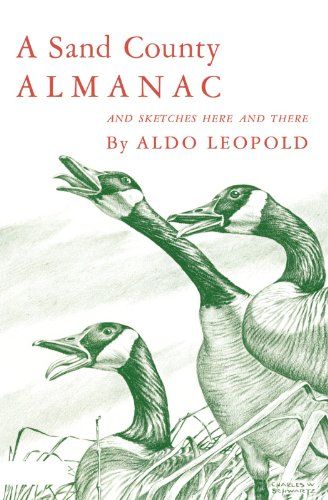
A Sand County Almanac, and Sketches Here and There Book Summary
In 'A Sand County Almanac,' Aldo Leopold invites readers into the natural world of the American Midwest, exploring the intricate relationships between land and the creatures that inhabit it. Through poetic prose and keen observations, he argues for a land ethic that respects and preserves the environment for future generations. Each month not only marks the passage of time but also unveils the beauty and struggles of nature's cycles. Leopold's sketches and reflections challenge our understanding of ecology and our role within it. This timeless work inspires a deep appreciation for nature and a call to action for stewardship.
By Aldo Leopold
Published: 1949
"The individual is not greater than the land; no one can truly claim their existence without honoring the ecosystem that sustains them."

Start Listening to Book Summary
Book Review of A Sand County Almanac, and Sketches Here and There
Nature writings of Aldo Leopold, one of the foremost conservationist of our century.
Book Overview of A Sand County Almanac, and Sketches Here and There
About the Book Author
Aldo Leopold
Aldo Leopold (1887-1948) was an influential American author, ecologist, and environmentalist, best known for his pioneering work in wildlife management and land ethics. His seminal book, "A Sand County Almanac," published in 1949, is considered a foundational text in the field of conservation and ecological philosophy, promoting the idea of a 'land ethic' that emphasizes a moral responsibility to the natural world. Leopold's writing style is characterized by lyrical prose, deep observation of nature, and a compelling blend of scientific insight with personal reflection. His contributions to forestry and wildlife ecology, along with his commitment to environmentalism, have left a lasting legacy in the realms of conservation policy and sustainable land use.
Book Details
Key information about the book.
- Authors
- Aldo Leopold
- Published
- January 1949
- Publisher
- Oxford University Press, USA
- ISBN
- 0195007778
- Language
- English
- Pages
- 226
- Genres
- HistoryCultural HistoryScience and NatureEnvironmental Science
Purchase Options
 Buy on Amazon
 Buy via BookShop
Support local bookstores: BookShop gives a portion of each sale to independent bookshops!
Similar books you might like →

Guns, Germs, and Steel: The Fates of Human Societies (20th Anniversary Edition) Book Summary
In "Guns, Germs, and Steel," Jared Diamond embarks on a captivating exploration of the forces that shaped human civilization. He argues that geographic and environmental factors, rather than inherent differences among peoples, were pivotal in determining the fates of societies. Through a gripping narrative, Diamond unveils how the spread of agriculture, the domestication of animals, and the availability of resources laid the groundwork for conquest and colonialism. Readers are challenged to reconsider history's most significant events through the lens of ecology and evolution. This thought-provoking masterpiece invites you to question what truly drives societal power across civilizations.

Cosmos Book Summary
In "Cosmos," Carl Sagan embarks on a thrilling expedition through space and time, weaving together the threads of science, history, and philosophy. With stunning prose, he unveils the wonders of the universe, exploring the birth of stars, the evolution of life, and the intricacies of human existence. Sagan’s passion for discovery ignites a sense of awe, inviting readers to ponder our place within the vast cosmos. As he delves into topics from alien civilizations to the origins of consciousness, each page beckons you to rethink what you know about the universe. Prepare to be captivated by a journey that challenges the boundaries of human understanding, leaving you eager to uncover the mysteries that lie beyond the stars.

Guns, Germs, and Steel Book Summary
In 'Guns, Germs, and Steel,' Jared Diamond investigates the factors that have shaped human societies over the last 13,000 years. He argues that environmental differences, rather than racial genetics, have been the primary drivers of inequality among civilizations. The book explores how agriculture, technology, and disease have influenced the rise and fall of empires. Through compelling narratives and insightful analysis, Diamond uncovers the unexpected connections between geography and history. Readers are left questioning the very foundations of societal development and the future of humanity.

Arguing about War Book Summary
In 'Arguing about War,' Michael Walzer delves into the ethical complexities surrounding conflict and warfare, challenging traditional justifications for war. Through thought-provoking analysis and compelling historical examples, he questions whether moral principles can truly be upheld in the chaos of battle. Walzer invites readers to ponder the weight of political responsibility and the consequences of intervention. His exploration of just war theory ignites debate on the morality of military action, making us confront uncomfortable truths about human nature. Engage with this critical discourse and discover how morality and war intersect in ways that will reshape your understanding of global conflicts.

Breaking the Male Code Book Summary
In 'Breaking the Male Code,' Robert Garfield unravels the intricate web of societal expectations and emotional barriers that define modern masculinity. He presents a compelling exploration of how traditional male roles restrict emotional expression and hinder personal growth. Through insightful anecdotes and expert interviews, Garfield encourages men to challenge these norms and embrace vulnerability as a strength. This provocative guide offers practical strategies for redefining masculinity and fostering deeper connections with oneself and others. Join Garfield on a transformative journey that promises to reshape not only your understanding of masculinity but also the relationships you hold dear.
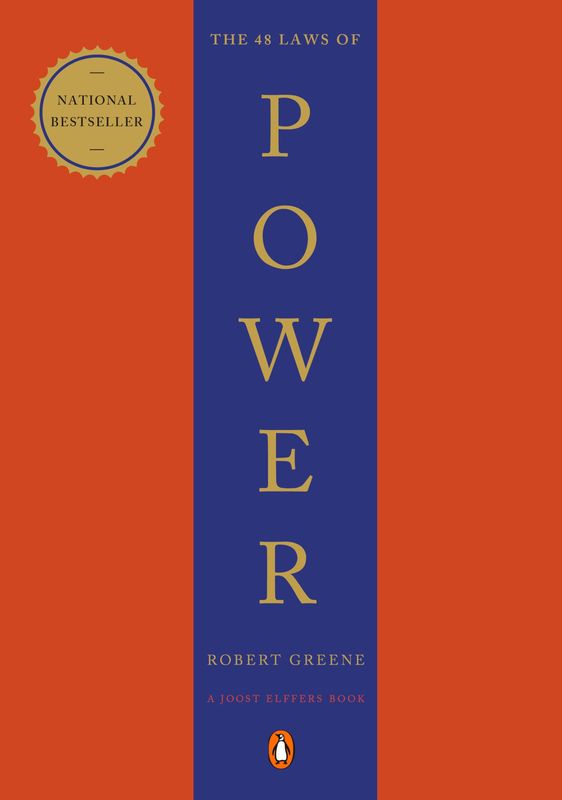
The 48 Laws of Power Book Summary
In 'The 48 Laws of Power,' Robert Greene unravels the timeless strategies of power dynamics, offering a guide that blends historical anecdotes with profound insights. Each law reveals the intricate dance of manipulation, control, and influence, urging readers to navigate the complex realm of human interactions astutely. From learning to conceal your intentions to mastering the art of timing, Greene's revelations challenge conventional morality and encourage readers to rethink their approach to relationships. With compelling narratives and sharp analysis, this book serves as both a manual for success and a mirror to our own vulnerabilities. Dare to wield the power within these pages, and discover how the game of life can be transformed.
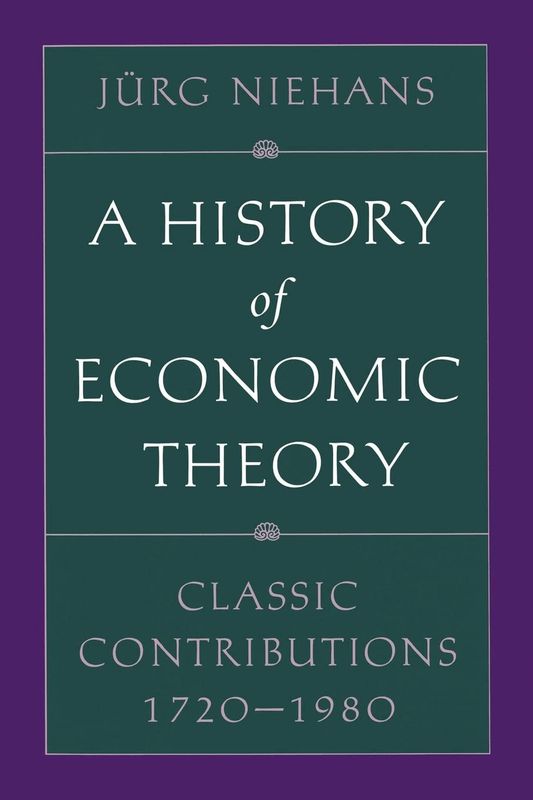
A History of Economic Theory Book Summary
In 'A History of Economic Theory', Jürg Niehans takes readers on a captivating journey through the evolution of economic thought. From ancient philosophies to contemporary paradigms, the book unravels how ideas have shaped economic practices across cultures and eras. With each chapter, Niehans reveals the intellectual battles and breakthroughs that have defined the discipline. Rich in historical context, this work challenges readers to consider the relevance of past theories in today's economy. Dive into this scholarly adventure and discover how the past continually influences our understanding of wealth and value.

Coyote America Book Summary
In 'Coyote America,' Dan Flores unveils the fascinating journey of the coyote, a resilient survivor in the face of human encroachment. The book intertwines history, ecology, and personal anecdotes to reveal the coyote's adaptability and unique role in American culture. Flores challenges our perceptions of this misunderstood creature, inviting readers to explore its complex relationship with humanity. Through rich storytelling, he illuminates the broader themes of nature's resilience and our responsibility in preserving it. Dive into a narrative that transforms the way we see one of North America's most iconic animals.
Showing 8 of 29 similar books
Take your reading experience to the next level
Download our mobile app to enjoy your favorite books on the go. Get access to exclusive features, offline listening, and personalized recommendations.

Similar Book Recommendations →

Hamilton Morris's Book Recommendations
Hamilton Morris is an American journalist, documentarian, and chemist renowned for his extensive work on psychoactive substances. He is best known for his series "Hamilton's Pharmacopeia," which explores the history, chemistry, and cultural impact of various psychoactive drugs. Morris has contributed significantly to the literature on ethnopharmacology, providing in-depth research and firsthand accounts that have enriched public understanding of these substances. His writings and documentaries have been featured in prominent publications such as Vice, Harper's Magazine, and National Geographic. An advocate for scientific rigor and cultural sensitivity, Hamilton Morris continues to influence both the scientific community and popular discourse on psychoactive substances.

Lex Fridman's Book Recommendations
Lex Fridman is an artificial intelligence researcher, podcaster, and MIT professor, known for his work in autonomous vehicles, robotics, and deep learning. Fridman has gained widespread popularity through his podcast, Lex Fridman Podcast, where he interviews leading thinkers in science, technology, and philosophy, exploring topics like AI, consciousness, and the future of humanity. His academic work focuses on human-centered AI, aiming to create machines that can better understand and interact with humans. Fridman’s ability to distill complex topics into accessible conversations has earned him a large following, and his podcast is known for its thoughtful, in-depth discussions with some of the brightest minds of our time. He is also an advocate for the responsible development of AI, emphasizing the ethical implications of this rapidly advancing technology. Outside of academia and podcasting, Fridman is a practitioner of jiu-jitsu and frequently speaks about the importance of discipline and continuous learning.

Naval Ravikant's Book Recommendations
Naval Ravikant is an entrepreneur, angel investor, and philosopher, best known as the co-founder of AngelList, a platform that connects startups with investors. Ravikant is a prolific thinker and writer on topics such as startups, investing, and personal well-being, sharing his wisdom through essays, podcasts, and social media. He has invested in over 100 companies, including Uber, Twitter, and Yammer, making him one of Silicon Valley’s most successful angel investors. Ravikant is also known for his philosophical musings on wealth, happiness, and the meaning of life, which have garnered him a large and dedicated following.

Bret Victor's Book Recommendations
Bret Victor is a renowned American interface designer and computer scientist celebrated for his innovative contributions to interactive design and human-computer interaction. He is best known for creating dynamic, explorable explanations, which have significantly influenced the way educational content is presented and understood. Victor's seminal work, "Inventing on Principle," advocates for the integration of immediate feedback in creative processes, inspiring a new wave of interactive programming environments. As a former member of the Apple Human Interface team, he played a pivotal role in shaping modern user interfaces. Through his organization, Dynamicland, Victor continues to explore and expand the boundaries of immersive, collaborative computing environments.

Marc Andreessen's Book Recommendations
Marc Andreessen is an American entrepreneur, software engineer, and venture capitalist, best known for co-creating the Mosaic web browser, the first widely-used web browser, and co-founding Netscape. Andreessen is also the co-founder of Andreessen Horowitz, one of Silicon Valley’s most prominent venture capital firms, where he invests in groundbreaking technology companies like Facebook, Airbnb, and Coinbase. He is a thought leader on the impact of technology and innovation, often sharing his views on the future of the internet and startups. His contributions to the development of the web and the tech ecosystem have made him one of the most influential figures in technology.

Barack Obama's Book Recommendations
Barack Obama is the 44th President of the United States, serving from 2009 to 2017. As the first African American president, Obama’s leadership marked a historic moment in American history. His administration focused on healthcare reform, economic recovery from the Great Recession, and environmental policies. He is best known for the Affordable Care Act, as well as his efforts to expand civil rights and restore diplomatic relations with Cuba. Since leaving office, Obama has continued to engage in public life through his foundation, focusing on leadership development, civic engagement, and global issues.

Morgan Housel's Book Recommendations
Morgan Housel is a financial writer and partner at The Collaborative Fund, best known for his book The Psychology of Money. His work explores the behavioral side of finance, emphasizing how emotions, history, and decision-making impact wealth-building. Housel’s writing is widely praised for being accessible, insightful, and engaging, making complex financial topics easier to understand. He contributes regularly to financial publications and speaks at conferences on the power of long-term thinking in finance. His book has become a modern classic in the personal finance genre.

Jamie Dimon's Book Recommendations
Jamie Dimon is an American business executive, best known as the Chairman and CEO of JPMorgan Chase, one of the largest and most influential financial institutions in the world. Dimon has led JPMorgan through multiple economic crises, including the 2008 financial crash, and has consistently been recognized for his leadership in the banking industry. Under his tenure, JPMorgan has grown into a global financial powerhouse, focusing on innovation and sustainability. Dimon is also an advocate for corporate responsibility and frequently speaks on economic and regulatory issues. His leadership style and strategic insights have earned him widespread respect in the business world.
Showing 8 of 18 related collections
“The individual is not greater than the land; no one can truly claim their existence without honoring the ecosystem that sustains them.”
A Sand County Almanac, and Sketches Here and There
By Aldo Leopold
Frequently Asked Questions
Explore Our Catalogue
Discover a world of knowledge through our extensive collection of book summaries.
Genres
Genres
Genres
Featured Collections
- Top Book Club Picks
- One-Stop Nutrition
- Summer Reads 2024
- Best Beach Reads 2024
- Work-Life Balance Guide
- Time Management
- Healthy Foods
- Entrepreneur Toolkit
- Mind & Body Wellness
- Future Tech Insights
- Leadership Essentials
- Financial Freedom
- Sci-Fi Masterpieces
- Parenting 101
- Books That Became Blockbusters
- Guide to a Healthy Pregnancy