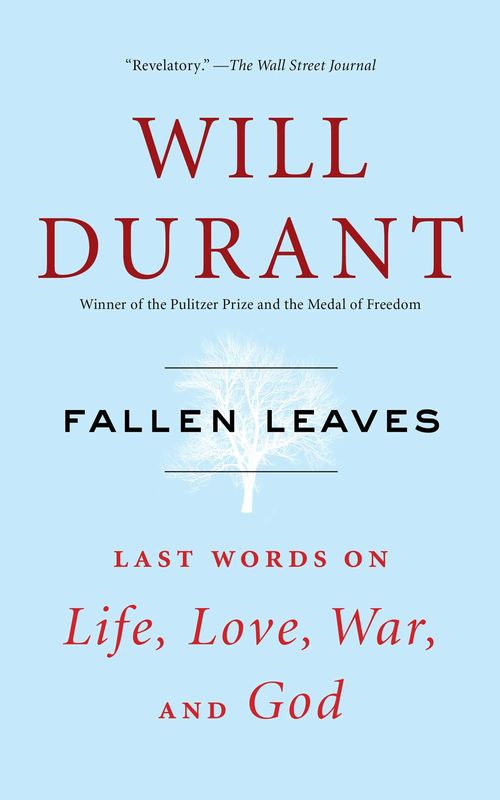
Fallen Leaves Book Summary
In 'Fallen Leaves,' Will Durant reflects on the poignant lessons of history through the lens of his own life. He intertwines personal anecdotes with profound observations, offering insight into the human condition and the cyclical nature of society. As he navigates through time, Durant challenges readers to consider what ultimately endures amidst the chaos of existence. This meditative work cultivates a deeper appreciation for both our past and present, urging us to learn from the 'fallen leaves' of history. Prepare to embark on a journey that not only chronicles life’s fleeting moments but also ignites a desire for wisdom and understanding.
By Will Durant
Published: 2015
"The greatest truths are the simplest ones, and the most compelling passions are often found in the quiet corners of our lives."

Start Listening to Book Summary
Book Review of Fallen Leaves
"The final and most personal work from Pulitzer Prize-winning author and historian Will Durant--discovered thirty-two years after his death--is a message of insight for everyone who has sought meaning in life or the council of a wise friend in navigating life's journey ... [containing] twenty-two short chapters on everything from youth and old age, religion and morals, to sex, war, politics, and art"--Amazon.com.
Book Overview of Fallen Leaves
About the Book Author
Will Durant
Will Durant (1885-1981) was an esteemed American writer, historian, and philosopher, best known for his collaborative work with his wife, Ariel Durant, on the monumental series "The Story of Civilization." Spanning eleven volumes, this comprehensive history traces human development from ancient times to the 18th century, bringing a narrative clarity to complex subjects. Durant's writing style is characterized by its accessible prose, philosophical insights, and a focus on the interplay between history, culture, and human experience.
In addition to "The Story of Civilization," Durant authored significant works such as "The Story of Philosophy," which explores the ideas of major Western philosophers, and "The Lessons of History," co-written with Ariel, summarizing the insights gleaned from their historical studies. A proponent of holistic understanding, Durant emphasized the importance of understanding the past to navigate current and future challenges. His contributions have left a lasting impact on the field of popular history and philosophy, making complex subjects approachable for general readers.
Book Details
Key information about the book.
- Authors
- Will Durant
- Published
- December 2015
- Publisher
- Simon and Schuster
- ISBN
- 1476771553
- Language
- English
- Pages
- 3
- Genres
- Philosophy of MindHistoryCultural History
Purchase Options
 Buy on Amazon
 Buy via BookShop
Support local bookstores: BookShop gives a portion of each sale to independent bookshops!
Similar books you might like →
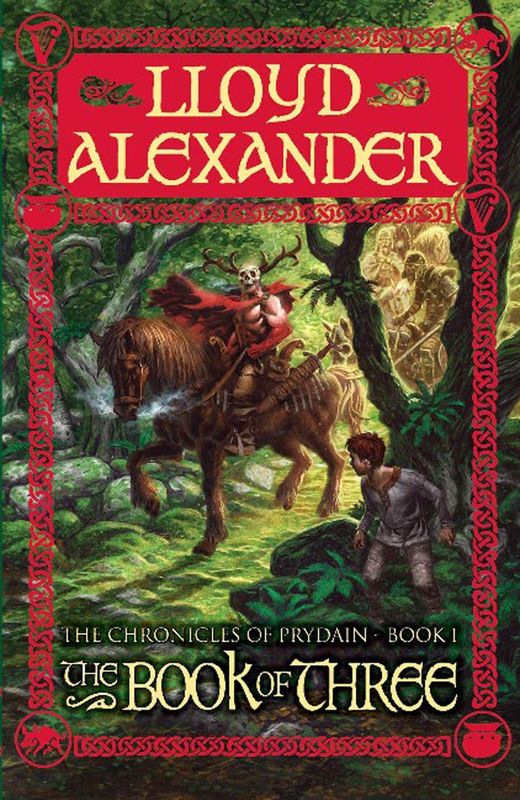
The Book of Three Book Summary
In "The Book of Three," young pig-keeper Taran embarks on a captivating quest to rescue his homeland, Prydain, from the encroaching darkness of an evil warlord. Accompanied by a motley crew of magical allies—including a fearless princess and a wise-cracking pig—Taran discovers his own potential beyond the confines of his humble beginnings. With each challenge, he grapples with themes of bravery, friendship, and destiny, weaving a tale that blurs the lines between heroism and cowardice. As the tension escalates and ancient prophecies unravel, will Taran rise to become the hero he dreams of, or will he falter under the weight of his own insecurities? Dive into this enchanting adventure and uncover the secrets that bind fate and courage in a world where darkness looms ever closer.
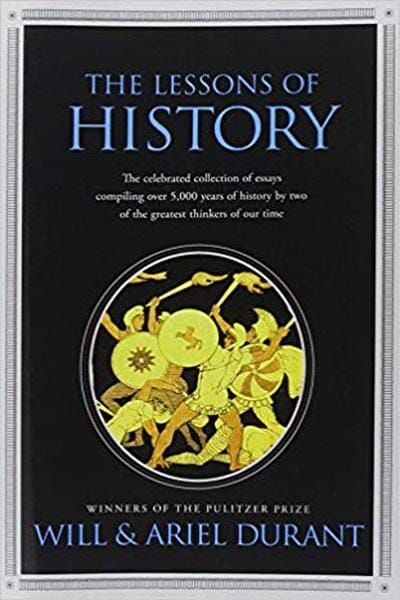
The Lessons of History Book Summary
In "The Lessons of History," Will and Ariel Durant distill the sweeping narrative of human civilization into profound insights that span cultures and epochs. They explore the recurring themes of war, economics, religion, and human nature that shape our collective journey. With razor-sharp clarity, the Durants argue that the past holds invaluable lessons that can guide our present and future decisions. What patterns emerge when we closely examine the ebb and flow of societies? This thought-provoking work invites readers to reflect on the intricacies of humanity's story and consider how we might navigate the path ahead.
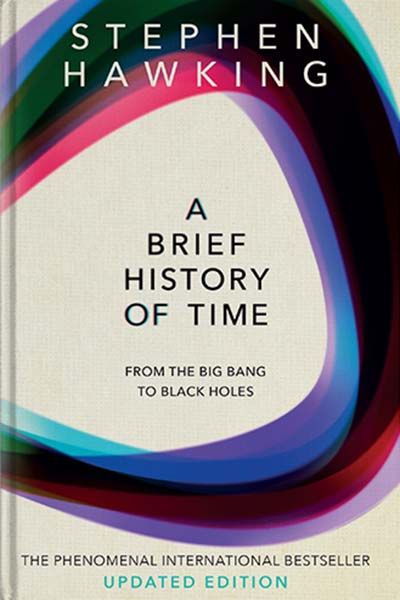
A Brief History of Time Book Summary
In "A Brief History of Time," Stephen Hawking takes readers on a captivating journey through the cosmos, exploring the nature of time, black holes, and the universe's beginnings. With stunning clarity, he unravels complex scientific concepts, inviting everyone—from curious laypersons to seasoned physicists—to ponder the mysteries of existence. Hawking's charismatic storytelling challenges our perceptions of reality and time itself, posing profound questions about the universe's fate. As he merges science with philosophy, the reader is compelled to reflect on their place in a vast, enigmatic cosmos. Prepare to be inspired and awed by a narrative that transcends mere facts, pushing the boundaries of human understanding.
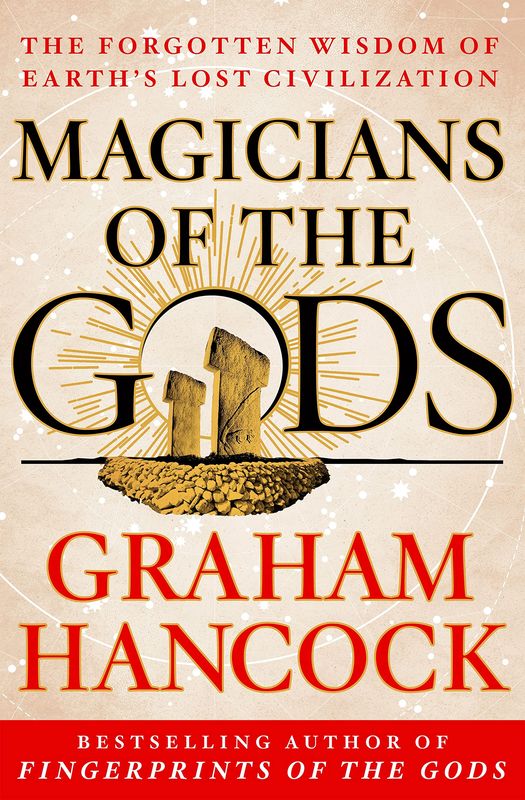
Magicians of the Gods Book Summary
In 'Magicians of the Gods,' Graham Hancock unveils a breathtaking exploration of ancient civilizations and their lost knowledge. Delving deep into archaeological mysteries, he challenges the conventional narratives of history, suggesting that advanced cultures existed long before recorded time. Hancock presents compelling evidence that our ancestors possessed a sophisticated understanding of cosmic forces and earth's secrets. Through captivating storytelling, he ardently argues that a global catastrophe may have wiped out these civilizations, sending humanity back to the Stone Age. This provocative journey invites readers to reconsider the foundations of our past and the tantalizing possibility of forgotten wisdom.
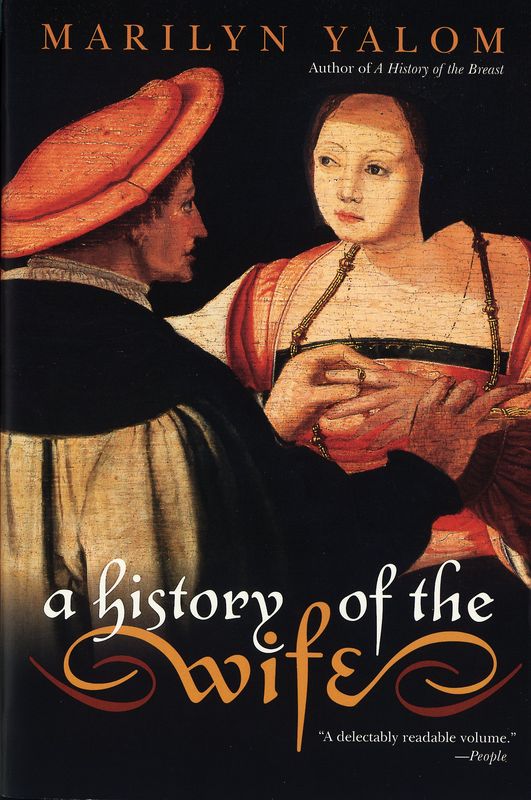
A History of the Wife Book Summary
In 'A History of the Wife', Marilyn Yalom unveils the often-overlooked narratives of women throughout history, exploring the evolution of marriage and the roles of wives in society. Through a blend of historical analysis and personal anecdotes, Yalom reveals the complex dynamics between love, obligation, and identity. Readers journey through various cultures and time periods, witnessing the shifting expectations placed on wives. This illuminating work challenges conventional views on marriage, inviting reflection on contemporary relationships. A must-read for anyone curious about how the past influences the present in the realm of love and partnership.
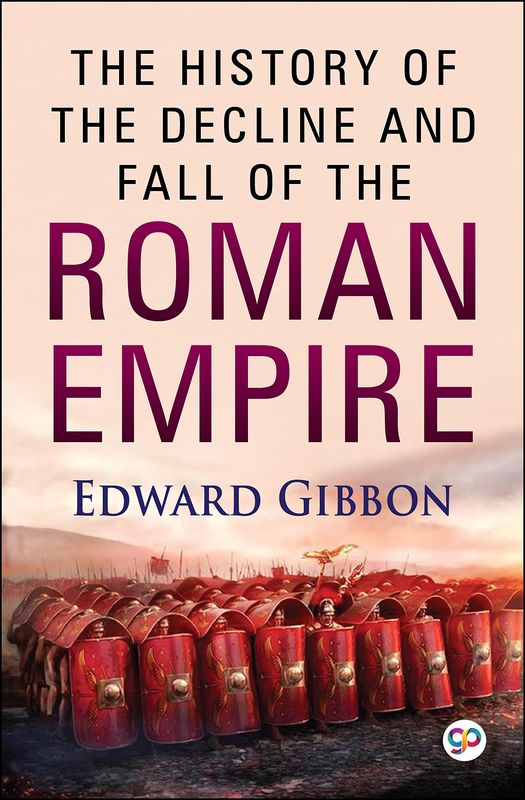
The History of the Decline & Fall of the Roman Empire Book Summary
In 'The History of the Decline & Fall of the Roman Empire,' Edward Gibbon meticulously chronicles the mighty empire's descent into chaos and obscurity. With eloquent prose, Gibbon unveils the interplay of political intrigue, moral decay, and military defeats that eroded Rome's power. His analysis does not merely recount events but delves into the philosophical implications of decline and the lessons for future societies. As empires rise and fall, engage with the timeless questions Gibbon poses about civilization itself. Dive into this monumental work to understand how history shapes our present and future.

Race Matters, 25th Anniversary Book Summary
In 'Race Matters, 25th Anniversary,' Cornel West boldly confronts the complexities of race and racism in America through a compelling lens of philosophy, culture, and politics. He critiques the failures of societal institutions to address racial injustice while emphasizing the need for a moral and ethical awakening. West's poignant essays resonate with urgent relevance, sparking a critical dialogue on the intersection of race, class, and power. His fiery prose and compelling argumentation challenge readers to grapple with uncomfortable truths about identity and inequality. This anniversary edition invigorates the discussion with new insights, making it a vital read for anyone looking to understand the enduring impact of race on American life.
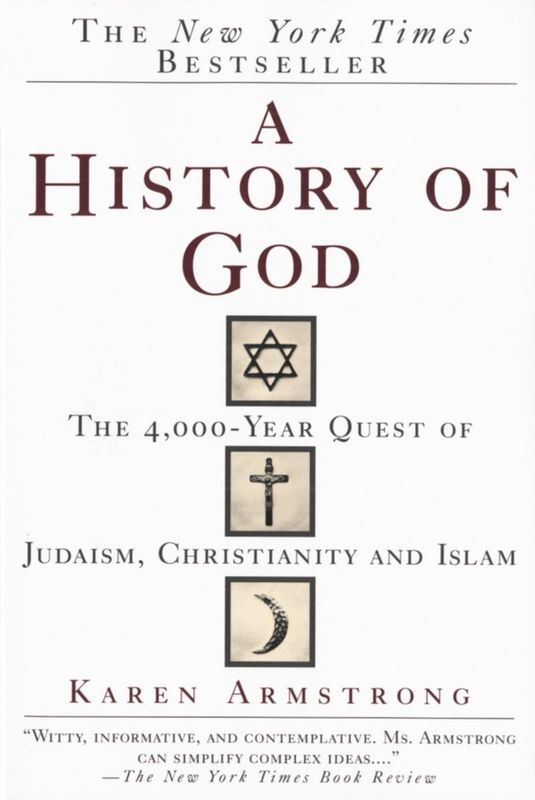
A History of God Book Summary
In 'A History of God', Karen Armstrong embarks on a fascinating journey through the evolution of the concept of God from ancient times to the modern era. She explores how various religions—Judaism, Christianity, and Islam—have shaped humanity's understanding of the divine, revealing the complexities and contradictions in these beliefs. Highlighting the influence of culture, politics, and philosophy, Armstrong invites readers to reconsider their perceptions of faith and spirituality. This thought-provoking narrative raises profound questions about the nature of belief and the future of religious thought. Are we on the brink of a new understanding of God, or are we simply repeating history?
Showing 8 of 29 similar books
Take your reading experience to the next level
Download our mobile app to enjoy your favorite books on the go. Get access to exclusive features, offline listening, and personalized recommendations.

Similar Book Recommendations →

Lex Fridman's Book Recommendations
Lex Fridman is an artificial intelligence researcher, podcaster, and MIT professor, known for his work in autonomous vehicles, robotics, and deep learning. Fridman has gained widespread popularity through his podcast, Lex Fridman Podcast, where he interviews leading thinkers in science, technology, and philosophy, exploring topics like AI, consciousness, and the future of humanity. His academic work focuses on human-centered AI, aiming to create machines that can better understand and interact with humans. Fridman’s ability to distill complex topics into accessible conversations has earned him a large following, and his podcast is known for its thoughtful, in-depth discussions with some of the brightest minds of our time. He is also an advocate for the responsible development of AI, emphasizing the ethical implications of this rapidly advancing technology. Outside of academia and podcasting, Fridman is a practitioner of jiu-jitsu and frequently speaks about the importance of discipline and continuous learning.

Naval Ravikant's Book Recommendations
Naval Ravikant is an entrepreneur, angel investor, and philosopher, best known as the co-founder of AngelList, a platform that connects startups with investors. Ravikant is a prolific thinker and writer on topics such as startups, investing, and personal well-being, sharing his wisdom through essays, podcasts, and social media. He has invested in over 100 companies, including Uber, Twitter, and Yammer, making him one of Silicon Valley’s most successful angel investors. Ravikant is also known for his philosophical musings on wealth, happiness, and the meaning of life, which have garnered him a large and dedicated following.

Anna Kendrick's Book Recommendations
Anna Kendrick is an acclaimed actress and author, best known for her versatile performances in film and theater. She gained widespread recognition for her role in the "Twilight" series and earned an Academy Award nomination for her performance in "Up in the Air." In 2016, Kendrick expanded her creative repertoire by publishing her memoir, "Scrappy Little Nobody," which offers a candid, humorous look at her life and career. The book became a New York Times bestseller, showcasing her sharp wit and storytelling talent. Kendrick continues to influence both the entertainment and literary worlds with her engaging presence and authentic voice.

Barack Obama's Book Recommendations
Barack Obama is the 44th President of the United States, serving from 2009 to 2017. As the first African American president, Obama’s leadership marked a historic moment in American history. His administration focused on healthcare reform, economic recovery from the Great Recession, and environmental policies. He is best known for the Affordable Care Act, as well as his efforts to expand civil rights and restore diplomatic relations with Cuba. Since leaving office, Obama has continued to engage in public life through his foundation, focusing on leadership development, civic engagement, and global issues.

Jocko Willink's Book Recommendations
Jocko Willink is a retired Navy SEAL officer, renowned for his leadership during the Battle of Ramadi in the Iraq War, which earned him the Silver Star and Bronze Star. Transitioning from military service, he co-authored the best-selling book "Extreme Ownership: How U.S. Navy SEALs Lead and Win" with fellow SEAL Leif Babin, which has become a cornerstone in leadership and management literature. Willink has also written the "Way of the Warrior Kid" series, aimed at empowering young readers with principles of discipline and resilience. Additionally, he hosts the popular "Jocko Podcast," where he discusses leadership, discipline, and personal development. Willink's influence extends beyond literature through his Echelon Front leadership consultancy, helping organizations implement effective leadership strategies.

Andrew Chen's Book Recommendations
Andrew Chen is a venture capitalist, entrepreneur, and thought leader in growth marketing, currently serving as a general partner at Andreessen Horowitz. Chen is known for his expertise in network effects, viral growth strategies, and marketplace dynamics, making him a sought-after advisor for startups looking to scale. Prior to joining Andreessen Horowitz, he worked in leadership roles at Uber, helping to grow the ride-sharing platform’s user base and develop key growth strategies. Chen is also a prolific writer, sharing his insights on growth, technology, and startups through his popular blog and newsletter, which has attracted a loyal following in the tech community. His work has helped shape how many startups approach user acquisition, retention, and product-market fit. As a venture capitalist, Chen focuses on early-stage companies in the consumer internet, SaaS, and marketplace sectors, and he has been involved in funding and advising several successful startups. His insights on technology and growth continue to influence both founders and investors alike.

Noam Chomsky's Book Recommendations
Noam Chomsky, born December 7, 1928, is an influential American linguist, philosopher, cognitive scientist, historian, and social critic. He revolutionized the field of linguistics with his theory of generative grammar, particularly through his seminal work, "Syntactic Structures" (1957). Chomsky's contributions extend beyond linguistics to political activism, where he is known for his critiques of U.S. foreign policy and media, encapsulated in works like "Manufacturing Consent" (1988). As a professor emeritus at MIT, his interdisciplinary approach has significantly impacted cognitive science, philosophy of language, and political thought. Chomsky remains a prolific author and speaker, continuing to shape academic and public discourses.

Aubrey Marcus's Book Recommendations
Aubrey Marcus is an influential entrepreneur, author, and podcaster, best known for founding Onnit, a health and wellness company dedicated to optimizing human performance. He authored the acclaimed book "Own the Day, Own Your Life," which offers practical advice on improving daily routines for overall well-being. Marcus's contributions to literature extend through his insightful podcasts and articles that delve into personal development, mental health, and holistic living. As a thought leader, he has inspired countless individuals to pursue a balanced and fulfilling life. His work continues to resonate with a global audience, promoting a message of self-empowerment and holistic health.
Showing 8 of 15 related collections
“The greatest truths are the simplest ones, and the most compelling passions are often found in the quiet corners of our lives.”
Fallen Leaves
By Will Durant
Frequently Asked Questions
Explore Our Catalogue
Discover a world of knowledge through our extensive collection of book summaries.
Genres
Genres
Genres
Featured Collections
- Top Book Club Picks
- One-Stop Nutrition
- Summer Reads 2024
- Best Beach Reads 2024
- Work-Life Balance Guide
- Time Management
- Healthy Foods
- Entrepreneur Toolkit
- Mind & Body Wellness
- Future Tech Insights
- Leadership Essentials
- Financial Freedom
- Sci-Fi Masterpieces
- Parenting 101
- Books That Became Blockbusters
- Guide to a Healthy Pregnancy