Humiliation Book Summary
In 'Humiliation', William Ian Miller explores the profound psychological effects of humiliation on the human experience. He delves into its historical significance, drawing connections between personal and collective identities. Through compelling anecdotes and philosophical insights, Miller reveals how humiliation can shape power dynamics and social interactions. The book challenges readers to confront the darker aspects of human behavior, leaving them questioning their own dignity and vulnerability. This introspective journey invites a deeper understanding of how humiliation influences relationships and societal structures.
By William Ian Miller
Published: 1993
"Humiliation is the great equalizer, the one experience that transcends social class, education, and status, leaving us all vulnerable in its wake."


Start Listening to Book Summary
Book Review of Humiliation
'In an illuminating and darkly intelligent study, William Miller...has revealed...humiliation as the closet dominatrix she is, an emotion whose power to discipline us makes the world go round...Miller makes his pages blaze and roar...by throwing another handful of hollow complacencies upon the fire....The five essays making up this book...are about the persistence of the norm of reciprocity in our daily lives, about the ways in which shame and envy and especially humiliation sustain 'cultures of honor' to this day.'-Speculum
Book Overview of Humiliation
About the Book Author
William Ian Miller
William Ian Miller is an esteemed author and legal scholar, renowned for his incisive exploration of ancient law and ethics. He is best known for his notable works including 'Eye for an Eye: The Place of Revenge in Promoting Justice', which examines the complexities of revenge in the context of justice, and 'Philosophical Foundations of the Law of Trusts', where he delves into the legal and philosophical underpinnings of trust law. Miller's writing style is characterized by its clarity and depth, blending rigorous scholarship with vivid storytelling, making complex ideas accessible to a wide audience. His contributions to legal thought and literature have positioned him as a prominent figure in contemporary discussions on justice and ethics.
Book Details
Key information about the book.
- Authors
- William Ian Miller
- Published
- January 1993
- Publisher
- Cornell University Press
- ISBN
- 0801481171
- Language
- English
- Pages
- 292
- Genres
- Philosophy of MindCognitive PsychologyPhilosophySocial PsychologyPsychologyEthics and Morality
Purchase Options
 Buy on Amazon
 Buy via BookShop
Support local bookstores: BookShop gives a portion of each sale to independent bookshops!
Similar books you might like →
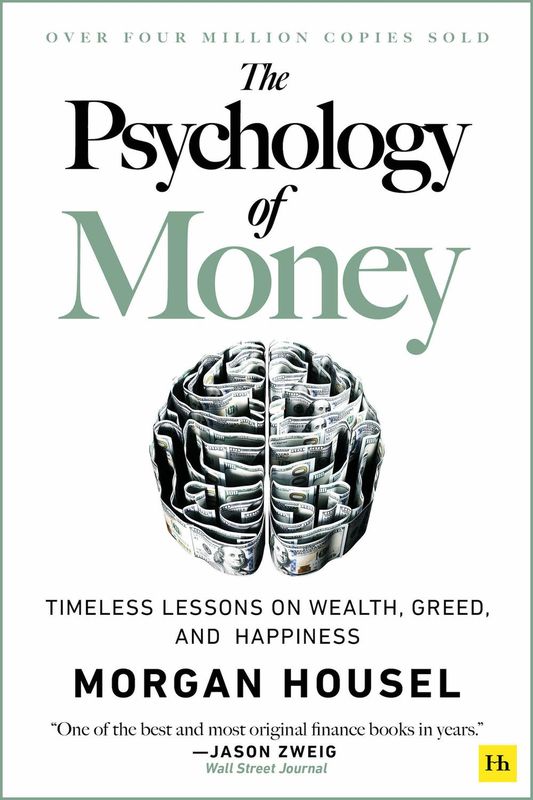
The Psychology of Money Book Summary
In "The Psychology of Money," Morgan Housel unravels the complex relationship between our emotions and financial decisions. Through captivating anecdotes and profound insights, he reveals that wealth isn't just about numbers, but about behavior and mindset. The book challenges conventional wisdom, urging readers to understand the subtle psychological forces that influence our spending and saving habits. Housel's reflections highlight the power of patience, humility, and a long-term perspective in building true financial success. Prepare to rethink everything you thought you knew about money and its role in your life!
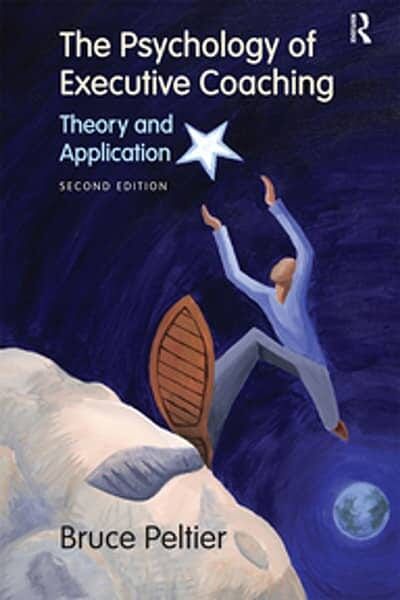
The Psychology of Executive Coaching Book Summary
In 'The Psychology of Executive Coaching,' Bruce Peltier explores the intricate dynamics between coaches and leaders, revealing the psychological principles that underpin effective coaching practices. The book delves into the art of transformation, showcasing how understanding human behavior can unlock latent potential in executives. Peltier combines psychological theories with practical strategies to equip coaches with tools to navigate the challenges of leadership development. Through case studies and empirical research, he illustrates the profound impact of coaching on organizational success. This insightful read invites readers to consider how deep psychological insights can elevate executive coaching to new heights, making it a must-read for aspiring coaches and leaders alike.
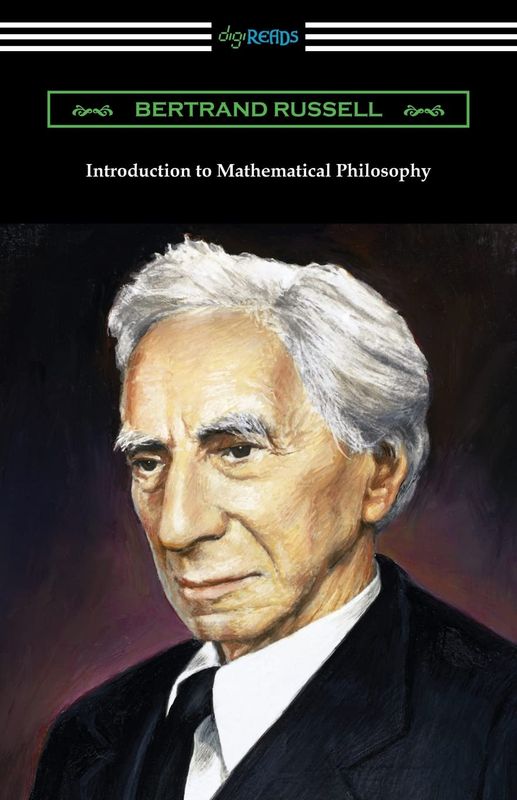
Introduction to Mathematical Philosophy Book Summary
In 'Introduction to Mathematical Philosophy,' Bertrand Russell takes readers on a fascinating journey through the foundations of mathematics and its philosophical implications. He explores concepts such as numbers, infinity, and the nature of mathematical truth, challenging conventional thinking. With his unique blend of clarity and insight, Russell demystifies complex ideas, revealing the profound connections between logic and mathematics. This thought-provoking work not only invites readers to rethink their understanding of numbers but also questions the very essence of reality itself. A must-read for anyone intrigued by the interplay of philosophy and mathematics, this book promises to expand your horizons.
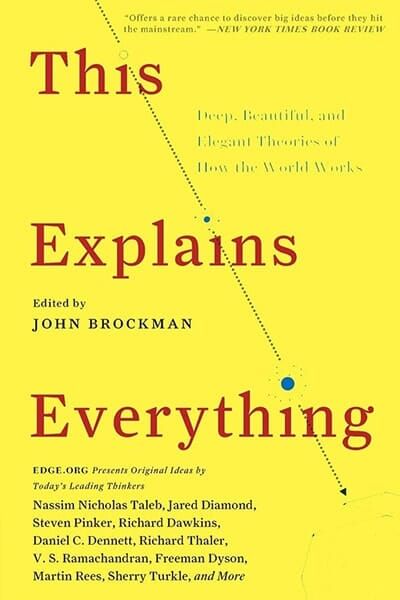
This Explains Everything Book Summary
In 'This Explains Everything,' editor John Brockman curates a fascinating collection of essays from leading thinkers and innovators, each offering their unique perspectives on the fundamental questions of existence. From science to philosophy, the contributors delve into topics that range from the origin of life to the complexities of human behavior. Through these thought-provoking insights, the book explores the intersection of knowledge and curiosity, igniting a spark for deeper exploration in the reader. Readers are left to ponder not just ‘what’ explains everything, but ‘how’ these ideas shape our understanding of the world. Join Brockman on a journey that challenges assumptions and encourages a relentless quest for clarity in a complex universe.
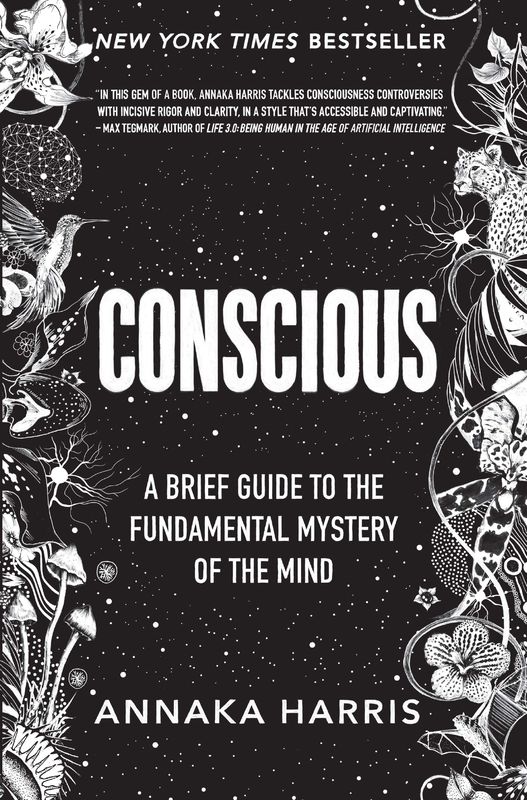
Conscious Book Summary
In 'Conscious,' Annaka Harris explores the enigmatic nature of consciousness, diving into profound questions about awareness and existence. Through a blend of science and philosophy, she challenges the conventional understanding, prompting readers to re-evaluate their perceptions of reality. Harris skillfully navigates the intricate relationship between the brain and subjective experience, shedding light on the mysteries that lie within. With thought-provoking insights and accessible prose, this book invites both the curious and the skeptical to ponder the depths of consciousness. Will you uncover the secrets of your own mind?

Lying Book Summary
In 'Lying', Sam Harris delves into the often-misunderstood facet of honesty and deception, arguing that lying is not only morally wrong but also detrimental to personal relationships and society as a whole. He presents compelling scenarios that challenge our justifications for dishonest behavior, demonstrating how lies erode trust and lead to unforeseen consequences. Harris explores the psychological implications of lying, revealing how it can trap both the liar and the deceived in a cycle of deceit. With a blend of philosophy and neuroscience, he encourages readers to adopt radical honesty in their lives. Will embracing this vulnerable path unlock deeper connections and authenticity, or leave us exposed in a world built on fibs?

The Philosophy of Composition Book Summary
In 'The Philosophy of Composition,' Edgar Allan Poe unveils his meticulous approach to writing, arguing that artistic creation is a calculated endeavor rather than purely intuitive. He dissects his own poem 'The Raven,' revealing the deep psychological and structural elements that contribute to its haunting allure. Poe explores the interplay of beauty, emotion, and effect, offering a profound glimpse into the mind of a master writer. With each analytical step, he ignites curiosity about the art of storytelling and the techniques that captivate readers. This exploration leaves one pondering: What secrets lie behind the craft of their favorite writers?
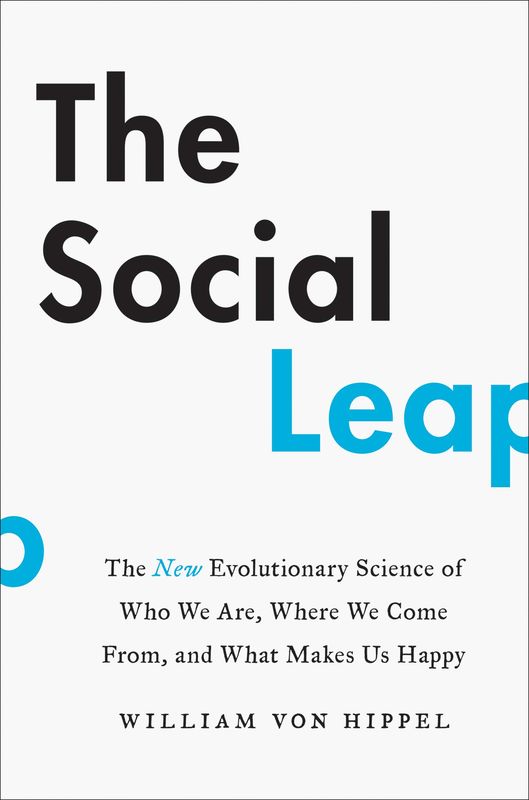
The Social Leap Book Summary
In 'The Social Leap', William von Hippel explores the evolutionary journey of humanity, revealing how our social skills shaped our survival. He illustrates how navigating complex social landscapes was pivotal in our ancestors' adaptation and success. By intertwining psychology, anthropology, and evolutionary biology, Von Hippel uncovers the secrets behind human behavior and social dynamics. The book challenges readers to rethink the significance of cooperation and competition in our daily lives. Prepare to embark on a fascinating journey that will transform your understanding of what it means to be human.
Showing 8 of 30 similar books
Take your reading experience to the next level
Download our mobile app to enjoy your favorite books on the go. Get access to exclusive features, offline listening, and personalized recommendations.

Similar Book Recommendations →

Lex Fridman's Book Recommendations
Lex Fridman is an artificial intelligence researcher, podcaster, and MIT professor, known for his work in autonomous vehicles, robotics, and deep learning. Fridman has gained widespread popularity through his podcast, Lex Fridman Podcast, where he interviews leading thinkers in science, technology, and philosophy, exploring topics like AI, consciousness, and the future of humanity. His academic work focuses on human-centered AI, aiming to create machines that can better understand and interact with humans. Fridman’s ability to distill complex topics into accessible conversations has earned him a large following, and his podcast is known for its thoughtful, in-depth discussions with some of the brightest minds of our time. He is also an advocate for the responsible development of AI, emphasizing the ethical implications of this rapidly advancing technology. Outside of academia and podcasting, Fridman is a practitioner of jiu-jitsu and frequently speaks about the importance of discipline and continuous learning.

Naval Ravikant's Book Recommendations
Naval Ravikant is an entrepreneur, angel investor, and philosopher, best known as the co-founder of AngelList, a platform that connects startups with investors. Ravikant is a prolific thinker and writer on topics such as startups, investing, and personal well-being, sharing his wisdom through essays, podcasts, and social media. He has invested in over 100 companies, including Uber, Twitter, and Yammer, making him one of Silicon Valley’s most successful angel investors. Ravikant is also known for his philosophical musings on wealth, happiness, and the meaning of life, which have garnered him a large and dedicated following.

Bryan Johnson's Book Recommendations
Bryan Johnson is an American entrepreneur, investor, and futurist, best known for founding Braintree, a payments company that was acquired by PayPal, and Kernel, a company focused on developing brain-computer interfaces. Johnson is deeply interested in advancing human cognition and longevity through technological innovation. His work at Kernel seeks to better understand the brain and its potential to enhance human intelligence. He is also the founder of OS Fund, which invests in companies tackling complex, world-changing problems in areas like health and energy. Johnson is a strong advocate for using technology to extend human potential and reshape the future of humanity.

Joe Rogan's Book Recommendations
Joe Rogan is a multifaceted American entertainer known primarily for his work as a comedian, podcast host, and commentator. He gained widespread recognition through his immensely popular podcast, "The Joe Rogan Experience," which has featured in-depth conversations with a diverse array of guests, including scientists, celebrities, and politicians. Though not primarily known for literature, Rogan has contributed to the field with his thought-provoking discussions that often explore philosophical and intellectual ideas. Additionally, he has authored the book "Mastering the Rubber Guard," which delves into Brazilian Jiu-Jitsu techniques, showcasing his expertise in martial arts. Rogan's influence extends beyond traditional media, impacting contemporary discourse through his unique blend of humor, curiosity, and critical thinking.

Ray Dalio's Book Recommendations
Ray Dalio is the founder of Bridgewater Associates, one of the largest and most successful hedge funds in the world. He is also the author of the bestselling book Principles, where he outlines his philosophy on life, leadership, and investing. Ray is renowned for his unique approach to transparency, radical truth, and thoughtful disagreement within organizations. His insights into economics and investing have made him one of the most influential figures in the financial world. Dalio continues to be a thought leader in business, economics, and philanthropy.

Elizabeth Filips's Book Recommendations
Elizabeth Filips is a celebrated contemporary author known for her poignant and thought-provoking novels that explore the complexities of human emotions and relationships. Her debut novel, "The Silent Echo," garnered critical acclaim for its deep character development and lyrical prose, earning her a nomination for the prestigious Man Booker Prize. Filips' ability to weave intricate narratives has established her as a distinctive voice in modern literature. She is also an advocate for mental health awareness, often incorporating these themes into her writing to shed light on personal struggles and resilience. In addition to her novels, Filips has contributed essays and short stories to various literary magazines, further solidifying her reputation as a versatile and impactful writer.

Nat Eliason's Book Recommendations
Nat Eliason is an influential writer, entrepreneur, and educator known for his insightful work on personal growth, productivity, and digital marketing. He founded Growth Machine, a successful SEO and content marketing agency that has helped numerous companies expand their online presence. Eliason's thought-provoking articles on his blog cover a wide range of topics, from philosophy to health, attracting a large and engaged audience. Additionally, he authored "Effortless Output with Roam," a comprehensive guide on using the Roam Research tool for knowledge management. Through his diverse contributions, Eliason has established himself as a significant voice in the realms of self-improvement and digital strategy.

Eric Weinstein's Book Recommendations
Eric Weinstein is an accomplished American mathematician, economist, and writer, known for his influential work in the fields of geometric unity and economic theory. As the Managing Director of Thiel Capital, he has significantly impacted the financial and technological sectors. Weinstein is also renowned for his thought-provoking discussions on the podcast "The Portal," where he explores complex scientific and social issues. He has written extensively on a variety of topics, contributing to both academic and popular literature. His unique perspectives and interdisciplinary approach have earned him recognition as a leading intellectual voice of his generation.
Showing 8 of 18 related collections
“Humiliation is the great equalizer, the one experience that transcends social class, education, and status, leaving us all vulnerable in its wake.”
Humiliation
By William Ian Miller
Frequently Asked Questions
Explore Our Catalogue
Discover a world of knowledge through our extensive collection of book summaries.
Genres
Genres
Genres
Featured Collections
- Top Book Club Picks
- One-Stop Nutrition
- Summer Reads 2024
- Best Beach Reads 2024
- Work-Life Balance Guide
- Time Management
- Healthy Foods
- Entrepreneur Toolkit
- Mind & Body Wellness
- Future Tech Insights
- Leadership Essentials
- Financial Freedom
- Sci-Fi Masterpieces
- Parenting 101
- Books That Became Blockbusters
- Guide to a Healthy Pregnancy