In Defense of Global Capitalism Book Summary
In 'In Defense of Global Capitalism', Johan Norberg passionately champions the benefits of globalization, arguing that it has lifted millions out of poverty and fostered prosperity worldwide. Through compelling examples and rigorous analysis, Norberg debunks common myths surrounding capitalism and economic inequality. He presents a thought-provoking exploration of how free markets and trade can drive innovation and improve living standards globally. The book challenges readers to reconsider their beliefs about capitalism's impact on society. Norberg's engaging narrative invites you to explore why embracing global capitalism may be the key to a more equitable and prosperous future.
By Johan Norberg
Published: 2003
"Global capitalism, when allowed to flourish, empowers individuals, promotes innovation, and fosters prosperity worldwide."


Start Listening to Book Summary
Book Review of In Defense of Global Capitalism
Marshalling facts and the latest research findings, the author systematically refutes the adversaries of globalization, markets, and progress. This book will change the debate on globalization in this country and make believers of skeptics.
Book Overview of In Defense of Global Capitalism
About the Book Author
Johan Norberg
Johan Norberg is a Swedish author, historian, and documentary filmmaker renowned for his work in political and economic thought. He is best known for notable books such as 'In Defense of Global Capitalism', 'Progress: Ten Reasons to Look Forward to the Future', and 'Open: The Story of Human Progress'. Norberg writes with a clear and engaging style, emphasizing optimism and rationality in the face of contemporary challenges. His works advocate for individual freedom, free markets, and a globalized world, while offering evidence-based analyses that challenge prevailing pessimism.
Book Details
Key information about the book.
- Authors
- Johan Norberg
- Published
- January 2003
- Publisher
- Cato Institute
- ISBN
- 1930865465
- Language
- English
- Pages
- 348
- Genres
- Social Justice MovementsGlobal EconomicsBusiness and EconomicsEconomic PolicyPolitics and Current Affairs
Purchase Options
 Buy on Amazon
 Buy via BookShop
Support local bookstores: BookShop gives a portion of each sale to independent bookshops!
Similar books you might like →
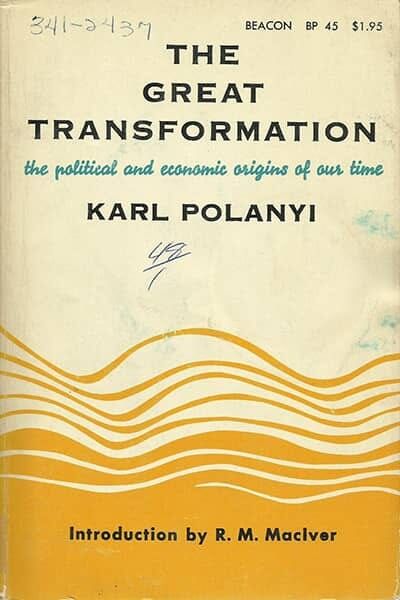
The Great Transformation Book Summary
In 'The Great Transformation,' Karl Polanyi explores the radical shifts in economic and social structures that shaped modern society during the Industrial Revolution. He argues that the rise of the market economy led to profound disruptions in community life and environmental balance. Polanyi challenges the notion of self-regulating markets, revealing the hidden social costs of laissez-faire capitalism. Through historical examples, he illustrates the tension between economy and society, emphasizing the need for protective measures. This thought-provoking work invites readers to reconsider the relationship between markets and social welfare in contemporary life.
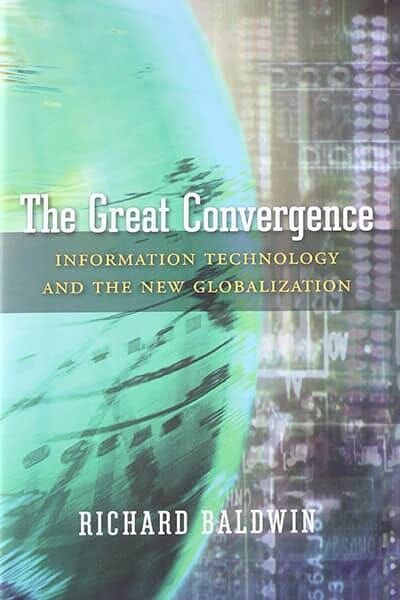
The Great Convergence Book Summary
In 'The Great Convergence,' Richard Baldwin takes readers on a compelling journey through the forces shaping our global economy, emphasizing the revolutionary impact of digital technology. He argues that the convergence of production and consumption is redefining international borders and reshaping global trade. As we become more interconnected than ever, Baldwin raises critical questions about the future of jobs and economic disparity. Will the merging of markets lead to prosperity, or will it deepen existing divides? A thought-provoking exploration that challenges conventional wisdom and invites readers to rethink the implications of our rapidly changing world.

Business as a System of Power Book Summary
In 'Business as a System of Power', Robert A. Brady delves into the intricate relationship between business and political power in America. He posits that corporations are not merely economic entities, but powerful institutions that shape public policy and societal norms. Through a compelling blend of historical analysis and contemporary examples, Brady uncovers how business influences democracy and governance. Readers are invited to reflect on the ethical implications of this power dynamic. What does it mean for society when business interests can circumvent democratic processes?

Capital Book Summary
In 'Capital,' Karl Marx unveils the intricate mechanics of capitalism, revealing how it perpetuates class struggle and economic disparity. Through a meticulous exploration of labor, commodity, and value, he exposes the exploitative relationships hiding beneath the surface of wealth. With a bold critique of industrial society, Marx argues that the relentless pursuit of profit leads to societal decay and discontent. His revolutionary ideas challenge the very foundations of capitalism, prompting readers to question the status quo. Dive into this groundbreaking work that continues to influence modern economic thought and societal change.

Skin in the Game Book Summary
In 'Skin in the Game,' Nassim Nicholas Taleb explores the profound risks of decision-making that doesn't involve personal stakes. He unveils how those with power often evade the consequences of their actions while the vulnerable bear the brunt of systemic failures. Through compelling anecdotes and sharp insights, Taleb emphasizes the importance of having 'skin in the game' in economics, politics, and life. His thought-provoking arguments challenge conventional wisdom and demand accountability in our interconnected worlds. This book is an essential read for anyone seeking to understand the real implications of risk and responsibility.

Economics in One Lesson Book Summary
In 'Economics in One Lesson,' Henry Hazlitt distills complex economic principles into a straightforward narrative that reveals how economic decisions can have far-reaching consequences. He stresses the importance of considering the long-term effects of policies on all groups, not just the immediate beneficiaries. Through compelling examples and clear reasoning, Hazlitt debunks popular misconceptions about economics, advocating for free markets and personal responsibility. This classic work challenges readers to rethink their understanding of wealth, prosperity, and government intervention. Dive into Hazlitt's insightful exploration and discover how economics shapes not only markets but our everyday lives.
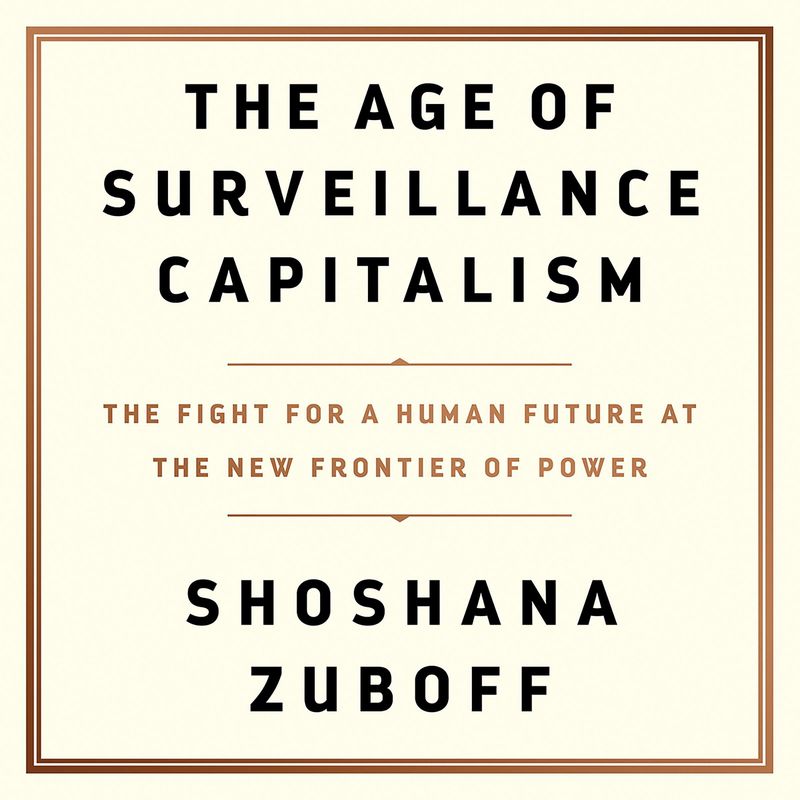
The Age of Surveillance Capitalism Book Summary
In 'The Age of Surveillance Capitalism', Shoshana Zuboff unveils the hidden mechanisms behind the digital economy that manipulate personal data for profit. This gripping exploration reveals how tech giants harvest our behaviors and emotions, reshaping our societies and economies. Zuboff warns of a future where privacy is obliterated, and our very autonomy is at stake. With compelling evidence and insightful analysis, she urges us to reclaim control over our lives and destinies. Are we prepared to confront the consequences of this digital revolution?

Big, Hot, Cheap, and Right Book Summary
In 'Big, Hot, Cheap, and Right', Erica Grieder explores the allure and challenges of Texas, a state that embodies a unique blend of opportunity and excess. Through captivating anecdotes, she reveals how the Texan spirit fuels innovation and economic growth, while also grappling with issues of inequality and environmental impact. Grieder invites readers to confront the complexities of a land where everything seems bigger, hotter, and more affordable. As the narrative unfolds, it becomes clear that Texas is not just a place, but a mindset that can offer lessons for the rest of America. Will the boldness of Texas inspire the nation to rethink what it means to thrive?
Showing 8 of 29 similar books
Take your reading experience to the next level
Download our mobile app to enjoy your favorite books on the go. Get access to exclusive features, offline listening, and personalized recommendations.

Similar Book Recommendations →

Brandon Stanton's Book Recommendations
Brandon Stanton is an American photographer and author, best known for creating Humans of New York, a photography project that shares the personal stories of everyday people. Through his portraits and interviews, Stanton captures the diverse experiences of people in New York City and around the world, offering intimate insights into their lives. Humans of New York has become a global phenomenon, with millions of followers on social media and several best-selling books. Stanton’s work has expanded beyond photography to include fundraising campaigns that have raised millions of dollars for individuals and charitable causes. His ability to connect with people and share their stories has made him one of the most impactful storytellers of his generation.

John Doerr's Book Recommendations
John Doerr is an American venture capitalist and chairman of Kleiner Perkins, one of the most prominent venture capital firms in Silicon Valley. Doerr has backed some of the biggest names in tech, including Google, Amazon, and Netscape, and has played a crucial role in the rise of the internet economy. He is also the author of Measure What Matters, which popularized the concept of Objectives and Key Results (OKRs) as a method for goal-setting in organizations. Doerr is a passionate advocate for addressing climate change and has invested in clean energy startups to help combat global warming. His contributions to tech and sustainability have made him a leading figure in venture capital.

Ray Dalio's Book Recommendations
Ray Dalio is the founder of Bridgewater Associates, one of the largest and most successful hedge funds in the world. He is also the author of the bestselling book Principles, where he outlines his philosophy on life, leadership, and investing. Ray is renowned for his unique approach to transparency, radical truth, and thoughtful disagreement within organizations. His insights into economics and investing have made him one of the most influential figures in the financial world. Dalio continues to be a thought leader in business, economics, and philanthropy.

Ben Shapiro's Book Recommendations
Ben Shapiro is an American conservative political commentator, author, and lawyer, known for his sharp analytical skills and outspoken views. He graduated from UCLA at the age of 20 and Harvard Law School at 23, demonstrating his early intellectual prowess. Shapiro is the author of several best-selling books including "Bullies: How the Left's Culture of Fear and Intimidation Silences Americans" and "The Right Side of History: How Reason and Moral Purpose Made the West Great." He is the co-founder and editor emeritus of The Daily Wire, a popular conservative news and opinion website. Through his writing and media presence, Shapiro has significantly influenced contemporary political discourse in the United States.

Barack Obama's Book Recommendations
Barack Obama is the 44th President of the United States, serving from 2009 to 2017. As the first African American president, Obama’s leadership marked a historic moment in American history. His administration focused on healthcare reform, economic recovery from the Great Recession, and environmental policies. He is best known for the Affordable Care Act, as well as his efforts to expand civil rights and restore diplomatic relations with Cuba. Since leaving office, Obama has continued to engage in public life through his foundation, focusing on leadership development, civic engagement, and global issues.

Jon Stewart's Book Recommendations
Jon Stewart is an American comedian, writer, and former host of The Daily Show, where he gained fame for his satirical take on news and politics. Stewart transformed The Daily Show into a critical voice in American media, blending humor with hard-hitting commentary on political and social issues. After stepping down from the show, Stewart has continued to advocate for causes like 9/11 first responders and veterans' rights. He is also a filmmaker, directing the political satire film Irresistible. Stewart remains a significant figure in American culture, known for his wit, activism, and influence on political discourse.

Jamie Dimon's Book Recommendations
Jamie Dimon is an American business executive, best known as the Chairman and CEO of JPMorgan Chase, one of the largest and most influential financial institutions in the world. Dimon has led JPMorgan through multiple economic crises, including the 2008 financial crash, and has consistently been recognized for his leadership in the banking industry. Under his tenure, JPMorgan has grown into a global financial powerhouse, focusing on innovation and sustainability. Dimon is also an advocate for corporate responsibility and frequently speaks on economic and regulatory issues. His leadership style and strategic insights have earned him widespread respect in the business world.

Nat Eliason's Book Recommendations
Nat Eliason is an influential writer, entrepreneur, and educator known for his insightful work on personal growth, productivity, and digital marketing. He founded Growth Machine, a successful SEO and content marketing agency that has helped numerous companies expand their online presence. Eliason's thought-provoking articles on his blog cover a wide range of topics, from philosophy to health, attracting a large and engaged audience. Additionally, he authored "Effortless Output with Roam," a comprehensive guide on using the Roam Research tool for knowledge management. Through his diverse contributions, Eliason has established himself as a significant voice in the realms of self-improvement and digital strategy.
Showing 8 of 13 related collections
“Global capitalism, when allowed to flourish, empowers individuals, promotes innovation, and fosters prosperity worldwide.”
In Defense of Global Capitalism
By Johan Norberg
Frequently Asked Questions
Explore Our Catalogue
Discover a world of knowledge through our extensive collection of book summaries.
Genres
Genres
Genres
Featured Collections
- Top Book Club Picks
- One-Stop Nutrition
- Summer Reads 2024
- Best Beach Reads 2024
- Work-Life Balance Guide
- Time Management
- Healthy Foods
- Entrepreneur Toolkit
- Mind & Body Wellness
- Future Tech Insights
- Leadership Essentials
- Financial Freedom
- Sci-Fi Masterpieces
- Parenting 101
- Books That Became Blockbusters
- Guide to a Healthy Pregnancy