Meggs' History of Graphic Design Book Summary
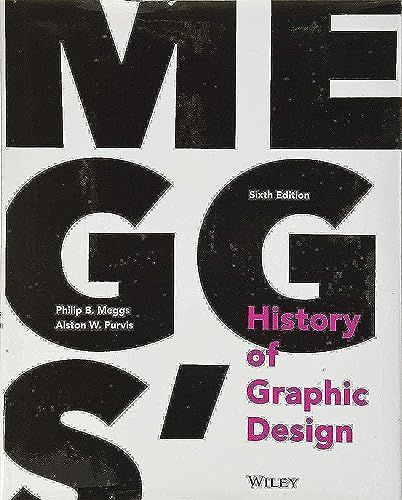
Explore the rich tapestry of visual communication in 'Meggs' History of Graphic Design', a comprehensive account that chronicles the evolution of graphic design from ancient times to the modern digital age. Through captivating illustrations and insightful commentary, this book unveils the cultural and technological shifts that have shaped design practices. Delve into the pioneering figures and movements that have influenced the world of design, from the invention of the printing press to today’s digital revolution. With each page, discover the stories behind iconic works and the innovators who crafted them, offering a fresh perspective on the visual language that surrounds us. This essential read not only informs but inspires, making you see design through a new lens.
By Philip B. Meggs, Alston W. Purvis
Published: 2016
"Design is not just what it looks like and feels like. Design is how it works."

Start Listening to Book Summary
Book Review of Meggs' History of Graphic Design
The bestselling graphic design reference, updated for the digital age Meggs' History of Graphic Design is the industry's unparalleled, award-winning reference. With over 1,400 high-quality images throughout, this visually stunning text guides you through a saga of artistic innovators, breakthrough technologies, and groundbreaking developments that define the graphic design field. The initial publication of this book was heralded as a publishing landmark, and author Philip B. Meggs is credited with significantly shaping the academic field of graphic design. Meggs presents compelling, comprehensive information enclosed in an exquisite visual format. The text includes classic topics such as the invention of writing and alphabets, the origins of printing and typography, and the advent of postmodern design. This new sixth edition has also been updated to provide: The latest key developments in web, multimedia, and interactive design Expanded coverage of design in Asia and the Middle East Emerging design trends and technologies Timelines framed in a broader historical context to help you better understand the evolution of contemporary graphic design Extensive ancillary materials including an instructor's manual, expanded image identification banks, flashcards, and quizzes You can't master a field without knowing the history. Meggs' History of Graphic Design presents an all-inclusive, visually spectacular arrangement of graphic design knowledge for students and professionals. Learn the milestones, developments, and pioneers of the trade so that you can shape the future.
Book Overview of Meggs' History of Graphic Design
About the Book Authors
Philip B. Meggs
Philip B. Meggs was a distinguished graphic designer, educator, and author, renowned for his significant contributions to the field of design. As the author of the acclaimed book "Understanding Graphic Design" and co-author of "Meggs' History of Graphic Design," he played a vital role in shaping design education and scholarship. Meggs' writing style is characterized by its clarity and depth, making complex design principles accessible to both students and professionals. His work emphasizes the interplay between historical context and contemporary practice in graphic design.
Alston W. Purvis
Alston W. Purvis is an accomplished author known for his engaging narratives and in-depth character development. He is the author of several notable works, including "A Journey Through Shadows" and "The Whispering Pines." Purvis's writing style is characterized by its lyrical prose and keen insights into human emotion, often blending elements of realism with rich, imaginative storytelling. His work has garnered critical acclaim and a dedicated readership, establishing him as a significant voice in contemporary literature.
Book Details
Key information about the book.
- Authors
- Philip B. Meggs, Alston W. Purvis
- Published
- May 2016
- Publisher
- John Wiley & Sons
- ISBN
- 1118772059
- Language
- English
- Pages
- 711
- Genres
- History of TechnologyGraphic DesignDesign
Purchase Options
 Buy on Amazon
 Buy via BookShop
Support local bookstores: BookShop gives a portion of each sale to independent bookshops!
Similar books you might like →

Addiction by Design Book Summary
In 'Addiction by Design', Natasha Dow Schüll explores the fascinating intersection of technology, gambling, and human psychology. She reveals how modern gaming machines are meticulously engineered to foster addictive behaviors, drawing players into a relentless cycle of engagement. Through immersive narratives and compelling case studies, Schüll raises critical questions about free will and the seductive nature of design in our digital age. This thought-provoking investigation challenges readers to consider the impact of technology on their lives and society at large. Dive into this eye-opening journey to understand the dark artistry behind the designs that capture us.

Identity Designed Book Summary
In 'Identity Designed,' David Airey takes readers on a captivating journey through the art and science of branding. This visually stunning book showcases a rich collection of global identities, revealing the strategies behind their creation. Airey delves into the psychological impact of design, urging readers to think deeply about how branding shapes perceptions. With insightful case studies and expert commentary, it sparks curiosity about the essence of identity in modern culture. Perfect for designers and entrepreneurs alike, this book invites you to explore the power of visual storytelling in building a brand.

The Designer's Dictionary of Type Book Summary
Delve into the fascinating world of typography with 'The Designer's Dictionary of Type' by Sean Adams. This comprehensive guide unravels the intricacies of typefaces, revealing their unique personalities and historical contexts. Each entry offers insights that inspire creativity and enhance design skills, making it an essential reference for both novice and seasoned designers. With stunning visual examples, the book encourages a deeper appreciation for the art and science of type. Discover how the right type can transform your work and captivate your audience!
Designing with Type, 5th Edition Book Summary
Dive into the art and science of typography with 'Designing with Type, 5th Edition'. This essential guide unravels the intricacies of typefaces, spacing, and layout, empowering designers to elevate their work. Through a rich blend of practical insights and illustrative examples, Craig and Scala reveal how type influences design perception. Whether you’re a novice or a seasoned professional, this book opens your eyes to the transformative power of typography. Discover how to shape your visual communication and captivate your audience with every word.

100 Tricks to Appear Smart in Meetings Book Summary
In '100 Tricks to Appear Smart in Meetings', Sarah Cooper reveals the clever art of navigating workplace gatherings with wit and humor. This satirical guide offers a treasure trove of quick, quirky tactics designed to give you the illusion of expertise. Learn how to nod thoughtfully, sprinkle jargon like confetti, and employ the power of strategic silence to captivate your audience. With each trick, readers are invited to laugh at the absurdity of corporate culture while also gaining a stealthy edge in their professional lives. Dive into this playful roadmap to success, where looking smart can be just as fun as knowing your stuff!
Don't Make Me Think, Revisited Book Summary
In 'Don't Make Me Think, Revisited', Steve Krug presents a timeless guide to web usability, challenging the notion that users read websites thoroughly. With humor and clarity, he emphasizes the importance of intuitive design, advocating that simplicity trumps complexity. Krug's insights encourage designers to prioritize user experience, making navigation as effortless as possible. Through practical examples and actionable advice, he unveils common pitfalls to avoid. This essential read will transform the way you think about designing websites and engaging users—are you ready to rethink your approach?
100 Things Every Designer Needs to Know about People Book Summary
In '100 Things Every Designer Needs to Know about People,' Susan Weinschenk unveils essential psychological principles that can enhance design effectiveness. With insights drawn from cognitive science, the book explores how people perceive, interact with, and make decisions about design. From the nuances of color perception to the importance of empathy in user experience, Weinschenk offers practical strategies for designers. Each principle is supported by fascinating research, making the content both informative and engaging. This enlightening guide equips designers to create more intuitive and user-friendly experiences, sparking curiosity about the intersection of psychology and design.
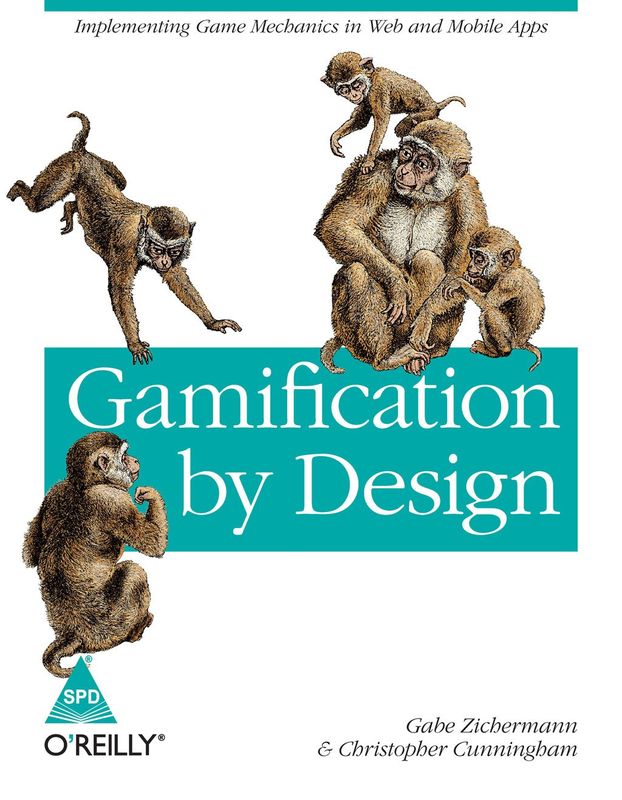
Gamification by Design Book Summary
In 'Gamification by Design', the authors explore the art and science of integrating game mechanics into non-game contexts to enhance user engagement and motivation. They uncover the psychology behind what makes games addictive and how these principles can be applied to real-world scenarios. Through practical case studies and actionable frameworks, the book reveals how gamification can be a catalyst for innovation and user loyalty. Are you ready to unlock the secrets of game mechanics and transform your projects? Dive into this insightful read to discover how to design experiences that captivate and retain users!
Showing 8 of 30 similar books
Take your reading experience to the next level
Download our mobile app to enjoy your favorite books on the go. Get access to exclusive features, offline listening, and personalized recommendations.

Similar Book Recommendations →

Johnnie Gomez's Book Recommendations
Johnnie Gomez is an acclaimed author known for their compelling narratives and richly developed characters. Their debut novel, *Echoes of the Past*, garnered critical praise and won the prestigious Booker Prize, establishing Gomez as a powerful new voice in contemporary fiction. They followed this success with *Winds of Change*, a novel that deftly explores themes of identity and resilience, earning a spot on the New York Times Bestseller list. Gomez's contributions to literature have been celebrated for their insightful portrayal of diverse cultures and their ability to weave intricate, emotionally resonant stories. Beyond their novels, Gomez is a vocal advocate for literacy and education, frequently engaging with communities through workshops and public speaking events.

Julian Shapiro's Book Recommendations
Julian Shapiro is a renowned writer and entrepreneur, acclaimed for his insightful essays on personal growth and marketing strategies. He is the author of "The Julian Shapiro Collection," a compilation of his most impactful writings that have garnered a wide readership online. Shapiro co-founded the growth marketing agency Bell Curve, where he has helped numerous startups achieve exponential growth. His work often blends practical advice with deep philosophical inquiries, making complex subjects accessible to a broad audience. Through his prolific writing and entrepreneurial ventures, Julian has become a key figure in the intersection of business and self-improvement literature.

Jan Losert's Book Recommendations
Jan Losert is a visionary author and digital design expert, renowned for his contributions to the intersection of technology and creativity. His most significant work includes co-authoring "Design Systems Handbook," which has become a seminal guide for creating cohesive and efficient design frameworks. Losert's expertise extends to his role as a speaker and educator, where he passionately shares his insights on user experience and interface design. In addition to his literary achievements, he co-founded several successful startups, leveraging his deep understanding of design to drive innovation. His work continues to influence and inspire both emerging and established designers worldwide.

Patrick Collison's Book Recommendations
Patrick Collison is an Irish entrepreneur and co-founder of Stripe, a global technology company that enables businesses to accept online payments. Along with his brother John, Patrick has transformed Stripe into one of the most valuable private tech companies in the world. Stripe’s innovative approach to online payments has made it a key player in the financial technology space. Collison is known for his deep interest in science, technology, and policy, often engaging in conversations about innovation, progress, and how to improve societal outcomes. He is an advocate for scientific advancement and the intersection of technology and public policy.

Jason Fried's Book Recommendations
Jason Fried is an influential entrepreneur and author best known as the co-founder and CEO of Basecamp, a project management and team collaboration software company. He has notably co-authored several best-selling books, including "Rework" and "Remote: Office Not Required," which challenge conventional business practices and advocate for more efficient, flexible work environments. Fried's clear, straightforward writing style has resonated with a wide audience, making complex business concepts accessible. His work has significantly contributed to the discourse on modern work culture and productivity. Fried continues to influence contemporary business thought through his writing and leadership at Basecamp.

John Maeda's Book Recommendations
John Maeda is a designer, technologist, and thought leader known for his work at the intersection of technology, design, and leadership. A former president of the Rhode Island School of Design (RISD), Maeda has been a strong advocate for integrating art and design with technology to drive innovation. He is currently the Chief Technology Officer at Everbridge and has previously held leadership roles at Automattic (the parent company of WordPress) and KPCB, a venture capital firm. Maeda’s work explores the role of creativity in technology, and he is known for his insightful talks and books, including The Laws of Simplicity and Redesigning Leadership. He has been instrumental in promoting the idea of “design thinking” in business and has influenced a generation of designers and technologists to approach problem-solving with creativity. Maeda is also a prolific speaker, frequently sharing his ideas on the future of design and its role in shaping the modern world.

Debbie Millman's Book Recommendations
Debbie Millman is a renowned designer, author, educator, and brand consultant, celebrated for her influential work in the field of design and branding. She is the host of the award-winning podcast "Design Matters," which is one of the world's first and longest-running podcasts about design and creative culture. Millman has authored several critically acclaimed books, including "Brand Thinking and Other Noble Pursuits" and "Why Design Matters: Conversations with the World's Most Creative People." As the Chair of the Masters in Branding Program at the School of Visual Arts in New York City, she has shaped the minds of future design leaders. Her contributions to literature and education have earned her a place among the most respected voices in contemporary design and branding.

David Kadavy's Book Recommendations
David Kadavy is an author, podcast host, and creativity expert, best known for his books The Heart to Start and Design for Hackers, where he explores the intersection of creativity, productivity, and design. Kadavy's work focuses on helping creators overcome procrastination, build meaningful habits, and find motivation to pursue their creative projects. He is also the host of the Love Your Work podcast, where he interviews high-performing individuals across various fields about their creative processes and productivity techniques. Kadavy’s insights stem from his own experiences as a designer and entrepreneur, offering practical advice on how to break through mental blocks and create with intention. His work emphasizes the importance of self-discipline, creativity, and a minimalist approach to both design and life. Kadavy’s books and podcast have garnered a global audience, positioning him as a thought leader in the realms of personal development and creative success.
Showing 8 of 13 related collections
“Design is not just what it looks like and feels like. Design is how it works.”
Meggs' History of Graphic Design
By Philip B. Meggs, Alston W. Purvis
Frequently Asked Questions
Explore Our Catalogue
Discover a world of knowledge through our extensive collection of book summaries.
Genres
Genres
Genres
Featured Collections
- Top Book Club Picks
- One-Stop Nutrition
- Summer Reads 2024
- Best Beach Reads 2024
- Work-Life Balance Guide
- Time Management
- Healthy Foods
- Entrepreneur Toolkit
- Mind & Body Wellness
- Future Tech Insights
- Leadership Essentials
- Financial Freedom
- Sci-Fi Masterpieces
- Parenting 101
- Books That Became Blockbusters
- Guide to a Healthy Pregnancy