On Guerrilla Warfare Book Summary
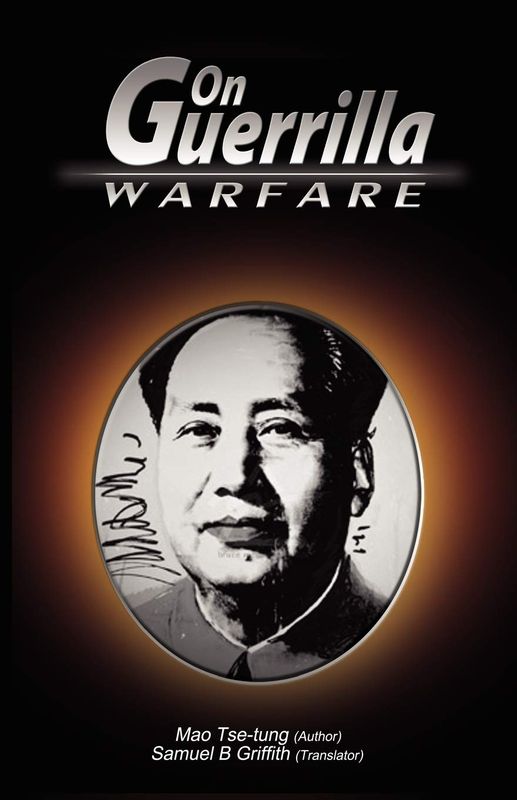
In 'On Guerrilla Warfare', Mao Tse-Tung reveals the strategic genius behind asymmetrical combat, illustrating how smaller, agile forces can triumph over larger, conventional armies. Through historical examples and philosophical insights, he outlines the essential principles of guerrilla tactics, emphasizing the importance of popular support and guerrilla mobilization. This seminal work challenges the traditional notions of warfare, advocating for a new approach that prioritizes stealth, surprise, and adaptability. Readers will uncover the psychological dimensions of warfare and the critical role of ideology in galvanizing resistance movements. A thought-provoking read that unveils the complexities of revolutionary struggle and its implications for modern conflict.
By Mao Tse-Tung, Mao Zedong, Samuel B Griffith
Published: NaN
"All warfare is based on deception."

Start Listening to Book Summary
Book Review of On Guerrilla Warfare
The book is written in the context of China's guerrilla war against Japanese occupiers; this conflict is mentioned often by Mao. In this book Mao discusses the differences between guerrilla and "orthodox" military forces, as well as how such forces can work together for a common goal. Other topics covered include propaganda and political concerns, the formation of guerrilla units, the qualities of a good guerrilla officer, discipline in a guerrilla army, and guerrilla bases. Text: English (translation) Original Language: Chinese
Book Overview of On Guerrilla Warfare
About the Book Authors
Mao Tse-Tung
Mao Tse-Tung (1893-1976) was a Chinese communist revolutionary, political theorist, and founding father of the People's Republic of China. He is best known for his contributions to Marxist-Leninist theory and the implementation of communism in China. Mao's notable works include "The Little Red Book," which is a collection of his quotes and philosophical insights, as well as influential texts like "On Guerrilla Warfare" and "The Mass Line." His writing style is characterized by its directness and accessibility, employing aphorisms and slogans that resonate with the masses. Mao's ideological influence extends beyond literature, shaping political movements worldwide.
Mao Zedong
Mao Zedong (1893-1976) was a Chinese revolutionary leader and the founding father of the People's Republic of China, serving as its chairman from 1949 until his death. He was not only a political figure but also a prolific writer, whose works include key texts such as 'The Little Red Book' (Quotations from Chairman Mao Tse-tung), 'On Guerrilla Warfare', and 'On Practice'. Mao's writing style is characterized by its straightforward language and its emphasis on accessibility for the masses, reflecting his belief in the power of revolutionary thought and action. His writings often invoked Marxist-Leninist principles, combined with his own interpretations, and served as ideological guidance for the Communist Party and its followers.
Samuel B Griffith
Samuel B. Griffith was a distinguished American author and military historian, renowned for his in-depth analyses of military strategies and tactics. He is best known for his seminal works, including 'Sun Tzu: The Art of War' and 'The Military Use of Information Technology.' Griffith's writing style is characterized by clarity and precision, often blending rigorous scholarship with accessible language, making complex military concepts understandable to a broad audience. His contributions to the field have significantly influenced both academic and practical approaches to military studies.
Book Details
Key information about the book.
- Authors
- Mao Tse-Tung, Mao Zedong, Samuel B Griffith
- Published
- N/A
- Publisher
- N/A
- ISBN
- 956310014X
- Language
- English
- Pages
- N/A
- Genres
- Politics and Current AffairsHistorical ConflictsSocial Justice MovementsPolitical Philosophy
Purchase Options
 Buy on Amazon
 Buy via BookShop
Support local bookstores: BookShop gives a portion of each sale to independent bookshops!
Similar books you might like →
Arguing about War Book Summary
In 'Arguing about War,' Michael Walzer delves into the ethical complexities surrounding conflict and warfare, challenging traditional justifications for war. Through thought-provoking analysis and compelling historical examples, he questions whether moral principles can truly be upheld in the chaos of battle. Walzer invites readers to ponder the weight of political responsibility and the consequences of intervention. His exploration of just war theory ignites debate on the morality of military action, making us confront uncomfortable truths about human nature. Engage with this critical discourse and discover how morality and war intersect in ways that will reshape your understanding of global conflicts.

The Making of the Arab-Israeli Conflict, 1947-1951 Book Summary
In 'The Making of the Arab-Israeli Conflict, 1947-1951,' Ilan Pappé unravels the complex genesis of one of the most enduring conflicts in modern history. With meticulous research, he delves into the political machinations and social dynamics that shaped the landscape of the Middle East during this tumultuous period. Pappé challenges prevailing narratives, revealing the often overlooked perspectives of both Arabs and Israelis. As tensions escalated into open conflict, the author highlights the human cost of political decisions and the enduring implications for the region. This compelling exploration invites readers to reconsider the origins of a conflict that continues to define global politics today.

U.S. Policy Toward Economic Nationalism in Latin America, 1917-1929 Book Summary
No summary available
European Empires from Conquest to Collapse, 1815-1960 Book Summary
No summary available
Crises of Democracy Book Summary
In 'Crises of Democracy', Adam Przeworski explores the fragile foundations upon which democratic governments stand. He delves into the causes of contemporary democratic crises, revealing how economic inequality, political polarization, and eroding trust can destabilize societies. Przeworski offers a thought-provoking analysis of historical examples, prompting readers to consider whether democracy can survive in the face of these challenges. With a blend of political science insights and compelling narratives, the book invites reflection on the future of governance. Can democracy endure, or are we witnessing its twilight?
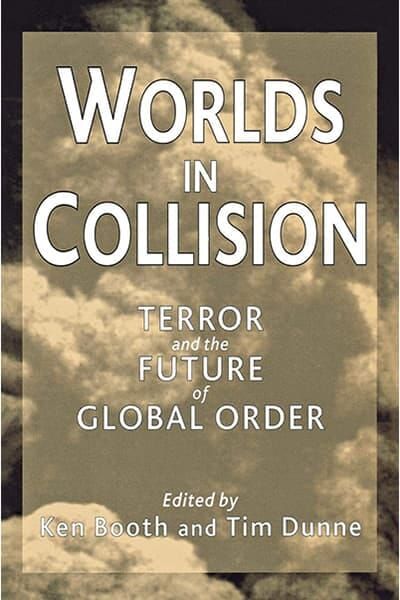
Worlds in Collision Book Summary
In 'Worlds in Collision', authors Ken Booth and T. Dunne explore the intense dynamics of global politics and security in a changing world. They unravel the complex interplay of power, culture, and technology, revealing how nations collide in unforeseen ways. Delving into historical conflicts and contemporary challenges, the book critiques traditional theories while proposing innovative perspectives. As tensions rise and alliances shift, readers are left questioning the very foundations of international relations. This thought-provoking analysis invites you to rethink what it means to coexist in a world marked by chaos and interconnectedness.

The Politics of Health Policy Book Summary
In 'The Politics of Health Policy,' Vicente Navarro delves into the intricate relationship between politics and health systems, revealing how power dynamics shape public health outcomes. With a critical lens, he exposes the ideological battles that influence policy-making, highlighting the inequities that arise from these conflicts. Readers will discover the hidden agendas behind health policies and the impact of socioeconomic factors on health access and quality. Navarro's compelling arguments challenge conventional wisdom, urging a reevaluation of what constitutes health and well-being. This thought-provoking work is essential for understanding the intersection of politics and health in the modern world.
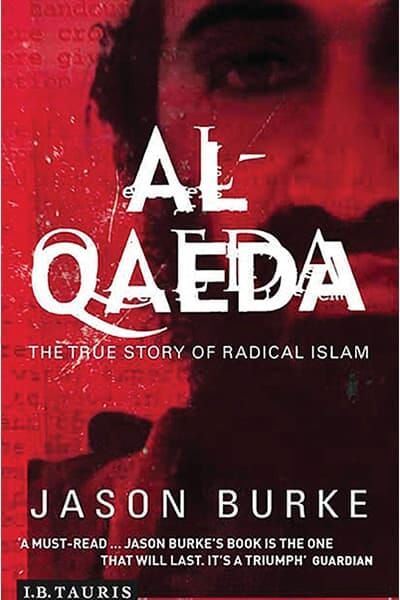
Al-Qaeda Book Summary
Dive into Jason Burke's 'Al-Qaeda,' a riveting exploration of the origins and evolution of one of the world's most notorious terrorist organizations. Burke peels back the layers of myth and reality, revealing the intricate web of political, social, and ideological factors that shaped Al-Qaeda's rise. With firsthand accounts and deep analysis, he takes readers on a journey through the heart of the global jihadist movement. This book challenges perceptions and delivers a thought-provoking narrative that is both enlightening and chilling. Are you ready to confront the complex truths behind the headlines?
Showing 8 of 29 similar books
Take your reading experience to the next level
Download our mobile app to enjoy your favorite books on the go. Get access to exclusive features, offline listening, and personalized recommendations.

Similar Book Recommendations →

Chris Dixon's Book Recommendations
Chris Dixon is a notable venture capitalist and technology entrepreneur, best known for his influential role as a general partner at Andreessen Horowitz, where he leads investments in cryptocurrency and blockchain technology. Before joining the firm, Dixon co-founded two startups: SiteAdvisor, a web security company acquired by McAfee, and Hunch, a recommendation engine acquired by eBay. In addition to his investment career, Dixon is a prolific writer and thought leader on technology and innovation, contributing insightful essays and articles to various platforms such as his personal blog and Medium. His writings often explore the future of technology, the internet, and the impact of blockchain, making significant contributions to contemporary tech literature. Dixon's work has earned him recognition as a visionary in both the tech and literary worlds.

Emily Oster's Book Recommendations
Emily Oster is an economist and professor at Brown University, known for her data-driven approach to parenting. She is the author of popular books like Expecting Better and Cribsheet, where she uses economics to debunk common parenting myths and offer evidence-based advice. Emily’s research empowers parents to make informed decisions based on data rather than societal pressure. Her approachable style has made her a favorite among modern parents seeking clarity in an overwhelming information landscape. She continues to challenge conventional wisdom with a focus on making parenting less stressful.

Vitalik Buterin's Book Recommendations
Vitalik Buterin is a Canadian-Russian programmer and writer, best known as the co-founder of Ethereum, a revolutionary blockchain platform that enables smart contracts and decentralized applications. Born in 1994, Buterin displayed exceptional talent in mathematics and computer science from a young age. He co-authored the white paper for Ethereum in 2013, which has since become a cornerstone of the cryptocurrency and blockchain space. In addition to his technical contributions, Buterin is a prolific writer, having penned numerous articles and papers on blockchain technology, cryptography, and decentralization. His work has earned him recognition as one of the most influential figures in the world of cryptocurrency.

Ran Segall's Book Recommendations
Ran Segall is an Israeli designer, YouTuber, and entrepreneur, known for his work in freelance web design and his popular YouTube channel, Flux Academy. Segall provides design tutorials, business advice, and insights for freelancers, helping designers improve their craft and grow their businesses. He has built a successful online platform through his transparent and practical approach to design education. Segall also runs Flux Academy, where he teaches web design and freelancing strategies to aspiring designers around the world. His approachable style and expertise have made him a trusted resource in the design community.

Joe Rogan's Book Recommendations
Joe Rogan is a multifaceted American entertainer known primarily for his work as a comedian, podcast host, and commentator. He gained widespread recognition through his immensely popular podcast, "The Joe Rogan Experience," which has featured in-depth conversations with a diverse array of guests, including scientists, celebrities, and politicians. Though not primarily known for literature, Rogan has contributed to the field with his thought-provoking discussions that often explore philosophical and intellectual ideas. Additionally, he has authored the book "Mastering the Rubber Guard," which delves into Brazilian Jiu-Jitsu techniques, showcasing his expertise in martial arts. Rogan's influence extends beyond traditional media, impacting contemporary discourse through his unique blend of humor, curiosity, and critical thinking.

Ana Fabrega's Book Recommendations
Ana Lorena Fabrega is an innovative educator and author passionate about reimagining education. Known as “Ms. Fab,” she is the Chief Evangelist at Synthesis, an education startup inspired by the problem-solving and collaboration model used at SpaceX. She advocates for alternative learning methods, encouraging curiosity and creativity in students. Ana's work emphasizes the importance of engaging young learners in real-world challenges and critical thinking. She also shares insights on education reform through her popular newsletter, Fab Fridays.

Alex Honnold's Book Recommendations
Alex Honnold is an American professional rock climber, best known for his free solo ascent of El Capitan in Yosemite National Park, a feat that was documented in the Oscar-winning film Free Solo. Honnold is renowned for his mental toughness, technical skill, and ability to climb without ropes or safety equipment. His accomplishments have made him a legend in the climbing world, and he continues to push the boundaries of the sport. Outside of climbing, Honnold is a philanthropist, founding the Honnold Foundation, which supports environmental sustainability projects, particularly in solar energy.
Barack Obama's Book Recommendations
Barack Obama is the 44th President of the United States, serving from 2009 to 2017. As the first African American president, Obama’s leadership marked a historic moment in American history. His administration focused on healthcare reform, economic recovery from the Great Recession, and environmental policies. He is best known for the Affordable Care Act, as well as his efforts to expand civil rights and restore diplomatic relations with Cuba. Since leaving office, Obama has continued to engage in public life through his foundation, focusing on leadership development, civic engagement, and global issues.
Showing 8 of 25 related collections
“All warfare is based on deception.”
On Guerrilla Warfare
By Mao Tse-Tung, Mao Zedong, Samuel B Griffith
Frequently Asked Questions
Explore Our Catalogue
Discover a world of knowledge through our extensive collection of book summaries.
Genres
Genres
Genres
Featured Collections
- Top Book Club Picks
- One-Stop Nutrition
- Summer Reads 2024
- Best Beach Reads 2024
- Work-Life Balance Guide
- Time Management
- Healthy Foods
- Entrepreneur Toolkit
- Mind & Body Wellness
- Future Tech Insights
- Leadership Essentials
- Financial Freedom
- Sci-Fi Masterpieces
- Parenting 101
- Books That Became Blockbusters
- Guide to a Healthy Pregnancy