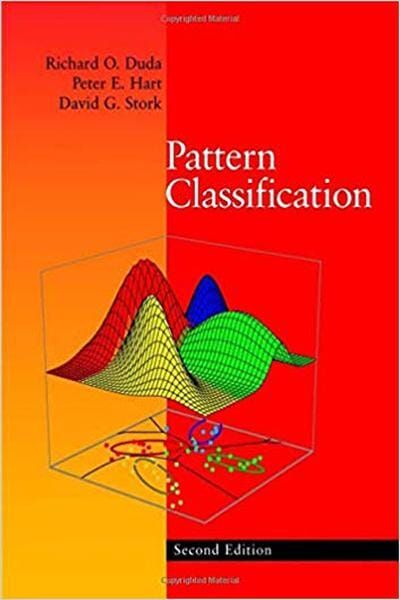
Pattern Classification Book Summary
By Richard O. Duda, Peter E. Hart, Peter Elliot Hart, David G. Stork
Published: 2001

Start Listening to Book Summary
Book Review of Pattern Classification
The first edition, published in 1973, has become a classic reference in the field. Now with the second edition, readers will find information on key new topics such as neural networks and statistical pattern recognition, the theory of machine learning, and the theory of invariances. Also included are worked examples, comparisons between different methods, extensive graphics, expanded exercises and computer project topics.
Book Overview of Pattern Classification
About the Book Authors
Richard O. Duda
Richard O. Duda is an esteemed author and expert in statistical analysis, best known for his influential works in the field of data science and pattern recognition. He gained recognition for his co-authorship of 'Pattern Classification,' a seminal text that has shaped the study and application of machine learning algorithms. Duda's writing style is characterized by clarity and precision, making complex subjects accessible to both academics and practitioners. He has contributed substantially to research literature and continues to be a revered figure in the intersection of technology, mathematics, and data analysis.
Peter E. Hart
Peter E. Hart is a distinguished author known for his profound contributions to the field of history and military studies. His notable works include 'The Last Battle: The Classic History of the Battle for Berlin,' which reveals the harrowing events of World War II's conclusion through meticulous research and compelling narrative. Hart's writing style is characterized by his ability to weave together firsthand accounts and historical facts, creating an engaging and informative experience for readers. With a keen focus on ensuring accuracy and bringing history to life, Hart has cemented his place as a respected voice in historical literature.
Peter Elliot Hart
Peter Elliot Hart is a distinguished author known for his engaging works in historical fiction and non-fiction. He has garnered acclaim for his notable publications, including 'The Lost Chronicles of a Time Traveler,' which blends meticulous research with imaginative storytelling, and 'Echoes of the Past,' praised for its rich character development and evocative prose. Hart's writing style is characterized by a seamless integration of factual history with creative narrative, drawing readers into the intricate tapestry of the past. His dedication to authenticity and passion for storytelling have established him as a prominent voice in contemporary literature.
David G. Stork
David G. Stork is an acclaimed author and scientist, best known for his work at the intersection of technology, art, and scientific inquiry. With notable books such as 'Seeing the Light: Optics in Nature, Photography, Color, Vision, and Mind' and 'The Illusion of Consciousness,' Stork explores complex themes through a blend of clear scientific exposition and engaging narratives. His writing style is characterized by clarity and accessibility, making intricate concepts relatable to a broad audience. In addition to his authorship, Stork has contributed significantly to the fields of artificial intelligence and computer vision, enhancing his reputation as a thought leader in both literature and science.
Book Details
Key information about the book.
- Authors
- Richard O. Duda, Peter E. Hart, Peter Elliot Hart, David G. Stork
- Published
- January 2001
- Publisher
- Wiley-Interscience
- ISBN
- N/A
- Language
- English
- Pages
- 688
- Genres
- Data ScienceScience and NatureTechnology
Purchase Options
 Buy on Amazon
 Buy via BookShop
Support local bookstores: BookShop gives a portion of each sale to independent bookshops!
Similar books you might like →
Tough Love Book Summary
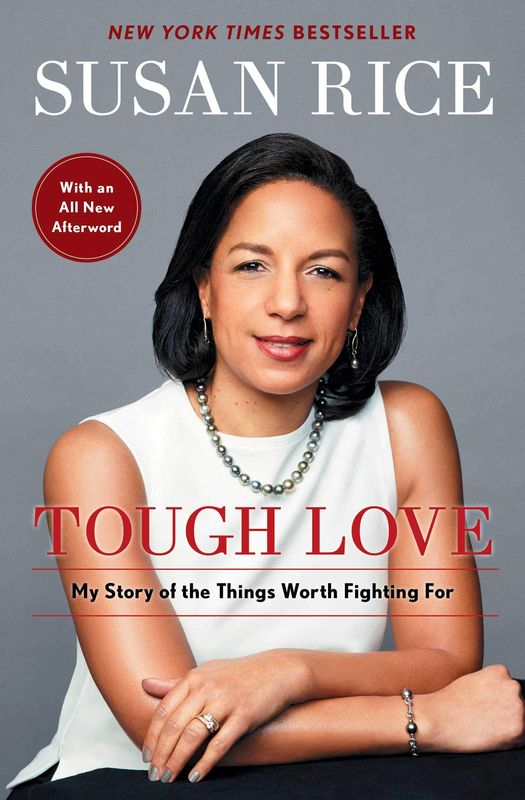
In "Tough Love," the author delves into the complex interplay of compassion and discipline, revealing how genuine care often requires hard truths. Through gripping anecdotes and insightful analysis, readers discover the transformative power of honest connections in relationships. Each chapter challenges conventional notions of love, pushing the boundaries of what it means to truly support someone. As stories unfold, you'll find yourself questioning your own definitions of kindness and accountability. Prepare for a thought-provoking journey that blends heartache and healing, leaving you eager for more revelations about the strength found in vulnerability.
Bad Blood Book Summary
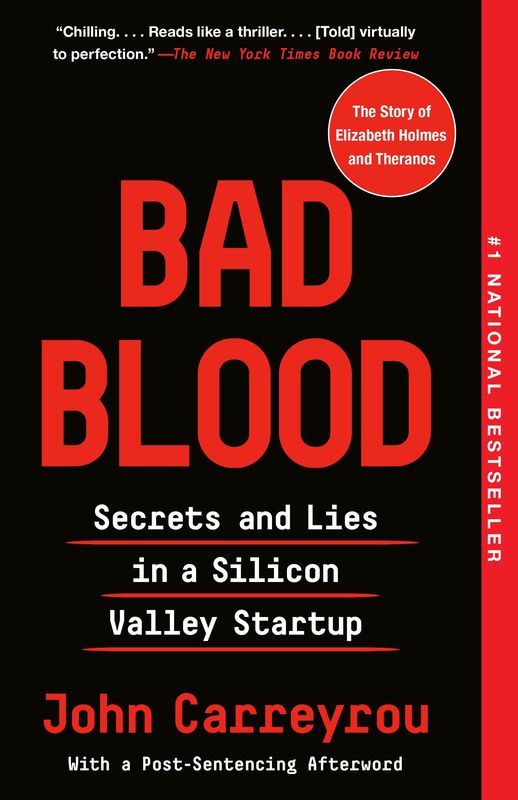
In "Bad Blood," investigative journalist John Carreyrou unveils the shocking rise and scandalous fall of Theranos, a biotech startup promising revolutionary blood-testing technology. Through a gripping narrative, he exposes the cunning deception of founder Elizabeth Holmes, who captivated investors and the public while hiding the truth about her company's capabilities. As whistleblowers emerge and the medical world takes notice, the web of lies begins to unravel, revealing the dark side of Silicon Valley ambition. With each revelation, the stakes escalate, putting patients' lives at risk and sparking a fierce battle for accountability. This true story of ambition, ethics, and betrayal raises a haunting question: how far will one go to achieve success?
Introduction To Algorithms Book Summary
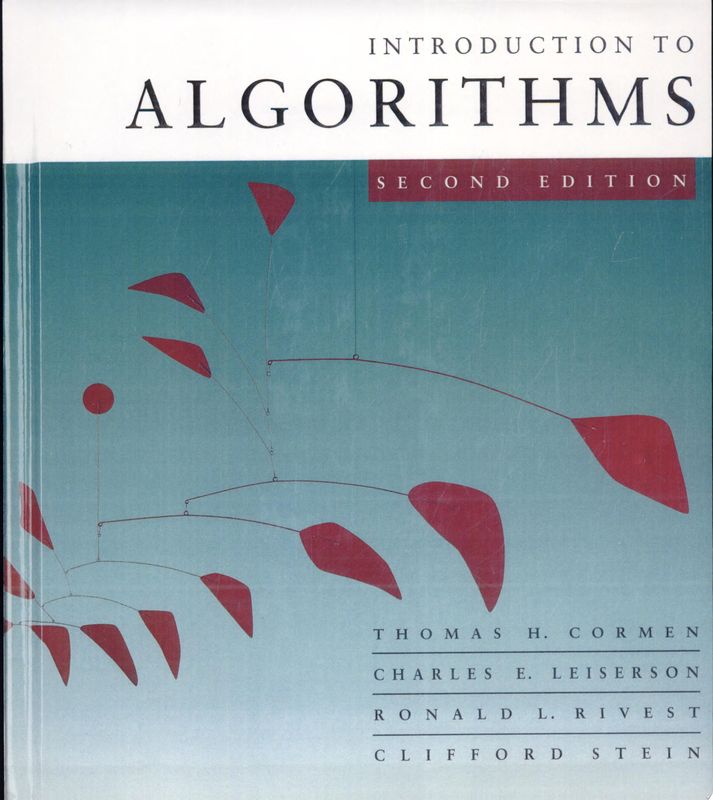
Introduction to Algorithms is a definitive guide that demystifies the art of algorithm design and analysis. Packed with clear explanations and illustrative examples, it reveals the underlying principles that drive computer science. Each chapter transforms complex topics into digestible insights, making it suitable for both novices and seasoned programmers. From sorting algorithms to graph theory, the book elucidates how these concepts shape our digital world. Dive in and discover how mastering algorithms can unlock solutions to some of the most challenging problems in technology today!
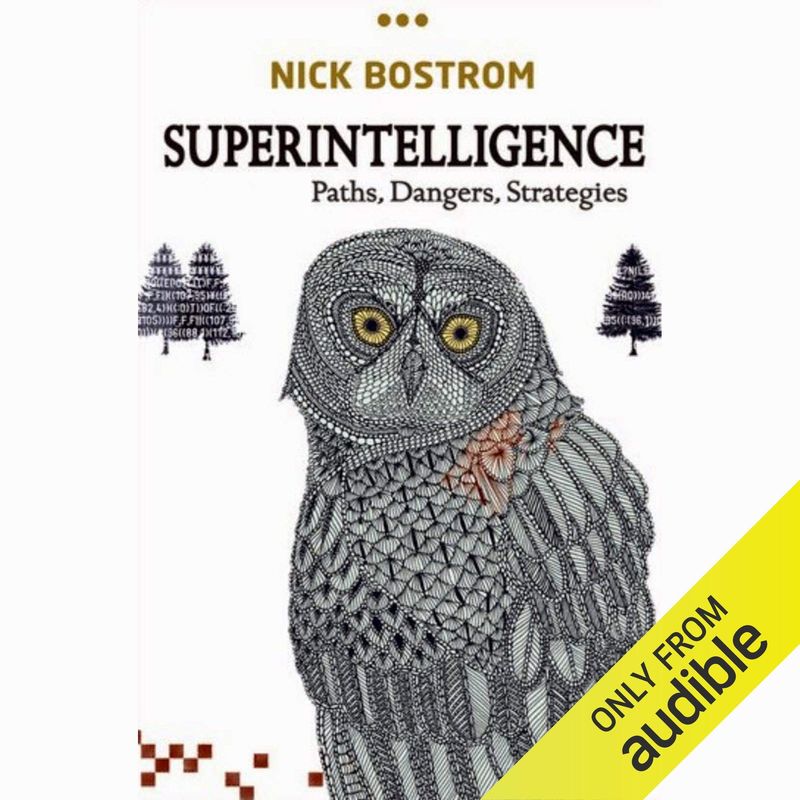
Superintelligence Book Summary
In 'Superintelligence', Nick Bostrom explores the future of artificial intelligence and its potential to surpass human intelligence. He delves into the profound implications this could have for humanity's survival and progress. With a blend of philosophical inquiry and rigorous analysis, Bostrom warns of the unforeseen risks associated with creating superintelligent machines. His thought-provoking arguments challenge readers to consider the ethical responsibilities that come with technological advancement. Will we be the masters of our own creations or their unwitting victims?
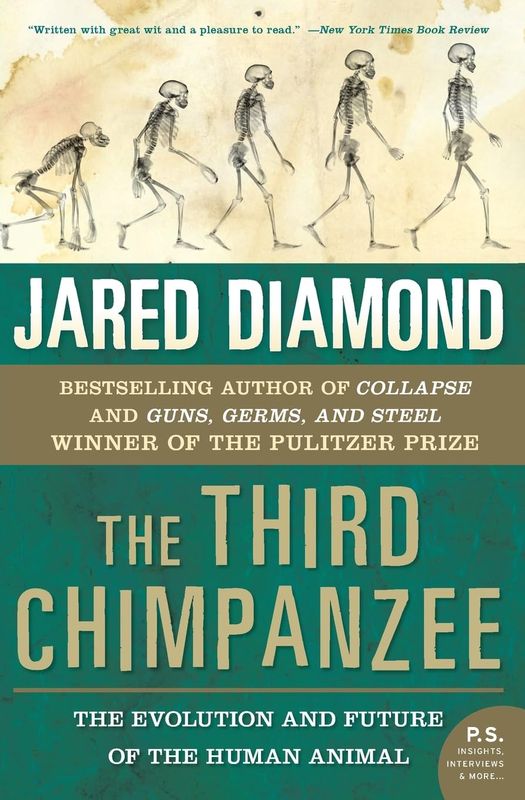
The Third Chimpanzee Book Summary
In 'The Third Chimpanzee', Jared Diamond explores the evolutionary journey that sets humans apart from our closest relatives, the chimpanzees. Through a captivating mix of biology, anthropology, and history, he uncovers the profound similarities and stark differences between species. Diamond raises provocative questions about our behaviors, societal structures, and the fate of our planet. Readers are invited to ponder whether humanity's greatest achievements are results of evolution or sheer chance. This thought-provoking narrative challenges us to reconsider what it truly means to be human.
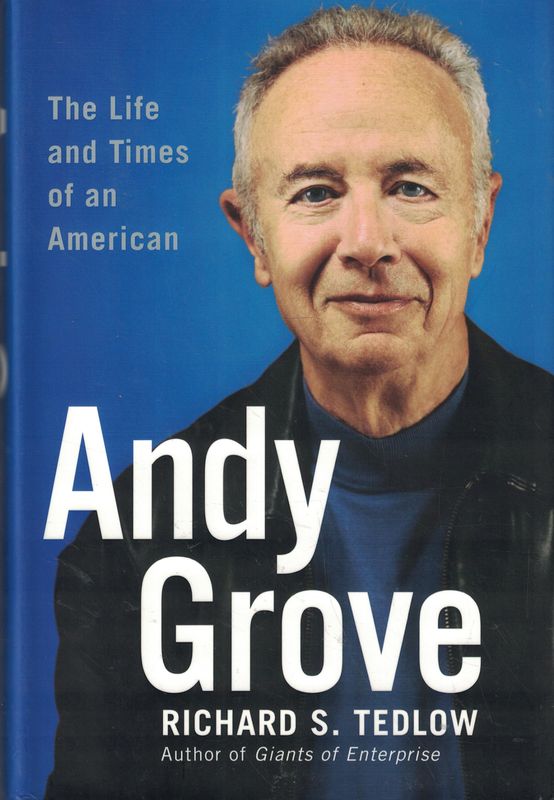
Andy Grove Book Summary
Explore the extraordinary life of Andy Grove, the visionary leader who transformed the semiconductor industry and propelled Intel to greatness. Richard S. Tedlow delves into Grove's immigrant background and relentless pursuit of excellence, offering insights into his innovative management style. Discover how his resilience and strategic thinking shaped the tech landscape, making him a pivotal figure in modern business history. This captivating biography reveals the personal and professional challenges that Grove overcame on his journey to becoming a Silicon Valley icon. Will his lessons in leadership and foresight inspire the next generation of innovators?
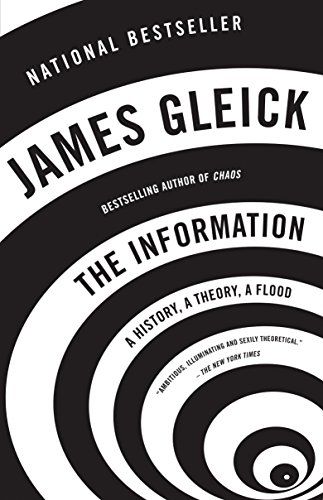
The Information Book Summary
In 'The Information', James Gleick masterfully explores the evolution of information from ancient communication methods to the digital age. He delves into how language, code, and data have shaped human civilization and our understanding of the universe. Gleick's narrative interweaves historical tales with modern technology, illustrating how information is the cornerstone of science and culture. Readers are invited to ponder: What does it mean to live in an age overflowing with information? This compelling journey reveals the profound impact of information on our lives and the future.
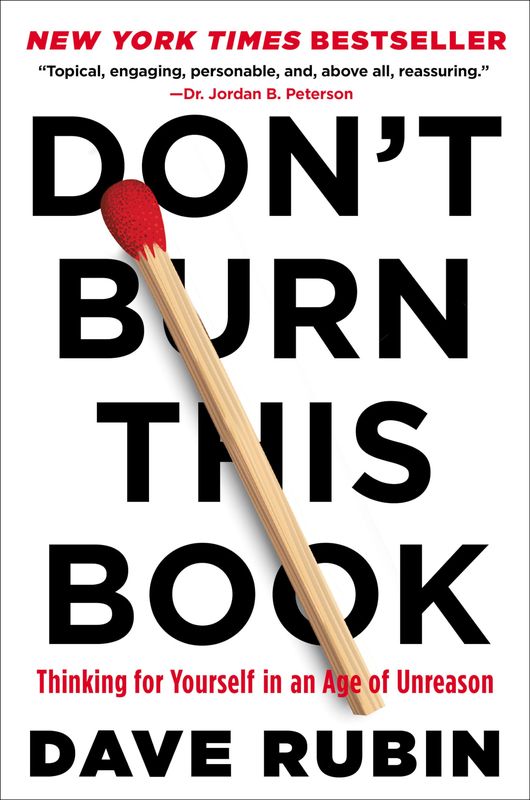
Don't Burn This Book Book Summary
In 'Don't Burn This Book', Dave Rubin embarks on a provocative journey through the contemporary landscape of free speech, political correctness, and the fight for open dialogue. With his experiences as a political commentator, he challenges readers to question their beliefs and embrace uncomfortable conversations. Rubin passionately defends the principles of liberalism while exposing the dangers of dogma and cancel culture. This compelling narrative invites you to rethink the boundaries of discourse and to stand firm in the pursuit of truth. Are you ready to explore the ideas that dare to challenge societal norms?
Showing 8 of 29 similar books
Take your reading experience to the next level
Download our mobile app to enjoy your favorite books on the go. Get access to exclusive features, offline listening, and personalized recommendations.

Similar Book Recommendations →
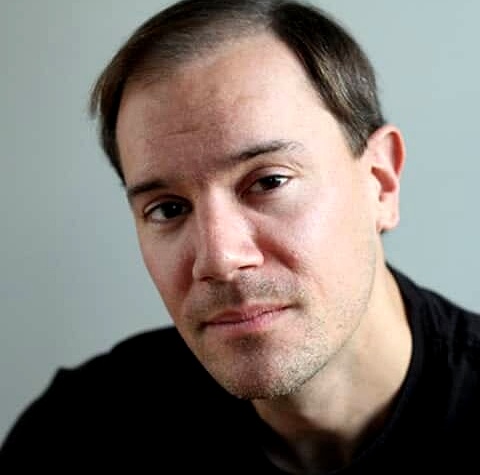
Bret Victor's Book Recommendations
Bret Victor is a renowned American interface designer and computer scientist celebrated for his innovative contributions to interactive design and human-computer interaction. He is best known for creating dynamic, explorable explanations, which have significantly influenced the way educational content is presented and understood. Victor's seminal work, "Inventing on Principle," advocates for the integration of immediate feedback in creative processes, inspiring a new wave of interactive programming environments. As a former member of the Apple Human Interface team, he played a pivotal role in shaping modern user interfaces. Through his organization, Dynamicland, Victor continues to explore and expand the boundaries of immersive, collaborative computing environments.

Joe Rogan's Book Recommendations
Joe Rogan is a multifaceted American entertainer known primarily for his work as a comedian, podcast host, and commentator. He gained widespread recognition through his immensely popular podcast, "The Joe Rogan Experience," which has featured in-depth conversations with a diverse array of guests, including scientists, celebrities, and politicians. Though not primarily known for literature, Rogan has contributed to the field with his thought-provoking discussions that often explore philosophical and intellectual ideas. Additionally, he has authored the book "Mastering the Rubber Guard," which delves into Brazilian Jiu-Jitsu techniques, showcasing his expertise in martial arts. Rogan's influence extends beyond traditional media, impacting contemporary discourse through his unique blend of humor, curiosity, and critical thinking.
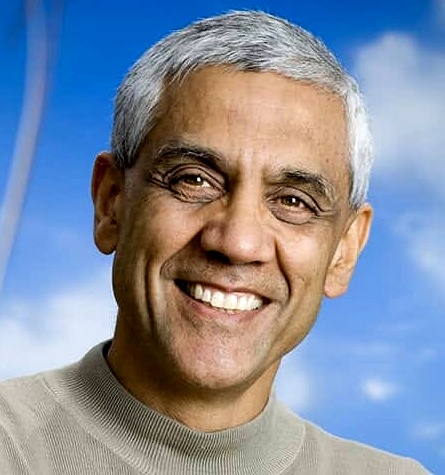
Vinod Khosla's Book Recommendations
Vinod Khosla is an Indian-American venture capitalist and co-founder of Sun Microsystems, one of the companies that helped drive the development of the internet. Khosla is the founder of Khosla Ventures, a venture capital firm that focuses on early-stage investments in technology and energy. He is known for his bold approach to investing, often backing companies working on breakthrough technologies in areas like renewable energy, healthcare, and artificial intelligence. Khosla is a vocal advocate for using technology to solve some of the world’s biggest problems. His visionary approach to investing has made him one of the most influential figures in Silicon Valley.
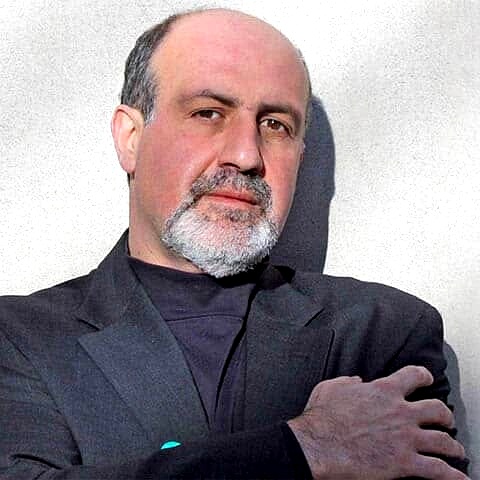
Nassim Nicholas Taleb's Book Recommendations
Nassim Nicholas Taleb is a Lebanese-American author, scholar, and risk analyst, best known for his work on uncertainty, probability, and risk. His books, including The Black Swan and Antifragile, explore how rare and unpredictable events shape the world and how individuals and systems can become more resilient to shocks. Taleb’s insights on risk management have influenced fields ranging from finance to medicine, and he is known for his outspoken criticism of conventional wisdom. His ideas about randomness, decision-making, and the limitations of human knowledge have made him a leading thinker in modern economics and philosophy.

Cleo Abram's Book Recommendations
Cleo Abram is a distinguished journalist and content creator known for her incisive storytelling and engaging multimedia presentations. She gained widespread recognition as a producer and host for Vox's acclaimed series, "Glad You Asked," where she explored complex topics with clarity and depth. Abram's work often intersects with technology and culture, making intricate subjects accessible to a broad audience. In addition to her journalistic endeavors, she has contributed thought-provoking essays and articles to various esteemed publications. Her innovative approach to storytelling continues to influence and inspire both readers and aspiring journalists.
Eric Weinstein's Book Recommendations
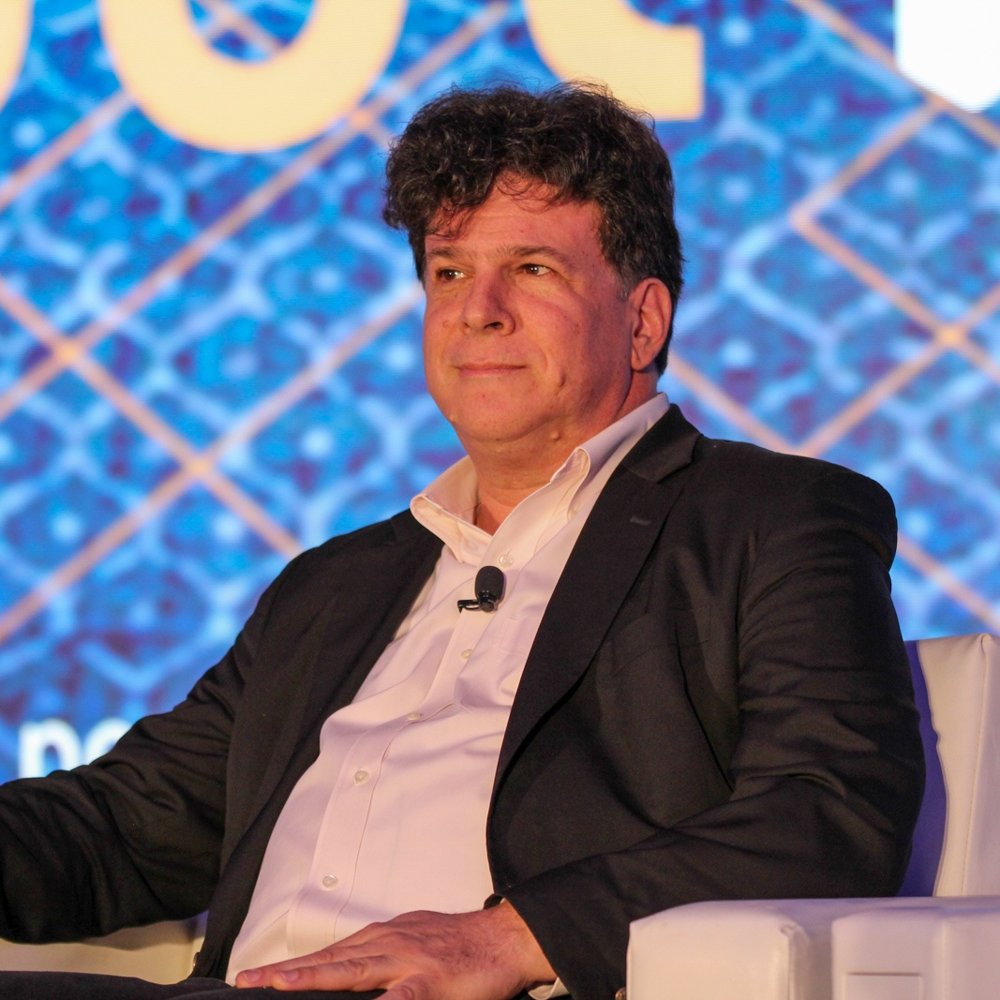
Eric Weinstein is an accomplished American mathematician, economist, and writer, known for his influential work in the fields of geometric unity and economic theory. As the Managing Director of Thiel Capital, he has significantly impacted the financial and technological sectors. Weinstein is also renowned for his thought-provoking discussions on the podcast "The Portal," where he explores complex scientific and social issues. He has written extensively on a variety of topics, contributing to both academic and popular literature. His unique perspectives and interdisciplinary approach have earned him recognition as a leading intellectual voice of his generation.

David Friedberg's Book Recommendations
David Friedberg is an entrepreneur, investor, and founder of The Production Board, a company focused on creating and investing in businesses that aim to solve challenges in food, agriculture, and climate change. Friedberg is also the founder of Climate Corporation, a company that uses data science to help farmers manage weather risk, which was acquired by Monsanto for $1 billion. He is a strong advocate for using technology to address global environmental and food production challenges. Friedberg’s focus on sustainability and innovation has made him a leader in the intersection of agriculture, climate science, and technology.
Larry Page's Book Recommendations
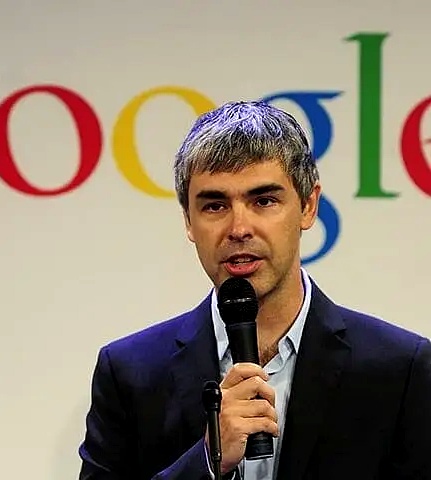
Larry Page is an American computer scientist and entrepreneur best known as the co-founder of Google, one of the world's leading technology companies, which revolutionized internet search and advertising. Born on March 26, 1973, Page's innovative work in developing the PageRank algorithm was a cornerstone in Google's ability to deliver relevant search results. He served as CEO of Google from its founding in 1998 until 2001, and again from 2011 to 2015, before transitioning to CEO of Alphabet Inc., Google's parent company. While not traditionally known for contributions to literature, Page's work has been extensively documented in numerous books and academic papers on technology, innovation, and entrepreneurship. His visionary approach has significantly influenced the digital age, making him a key figure in modern computing history.
Showing 8 of 10 related collections
Frequently Asked Questions
Explore Our Catalogue
Discover a world of knowledge through our extensive collection of book summaries.
Genres
Genres
Genres
Featured Collections
- Top Book Club Picks
- One-Stop Nutrition
- Summer Reads 2024
- Best Beach Reads 2024
- Work-Life Balance Guide
- Time Management
- Healthy Foods
- Entrepreneur Toolkit
- Mind & Body Wellness
- Future Tech Insights
- Leadership Essentials
- Financial Freedom
- Sci-Fi Masterpieces
- Parenting 101
- Books That Became Blockbusters
- Guide to a Healthy Pregnancy