Postwar Book Summary
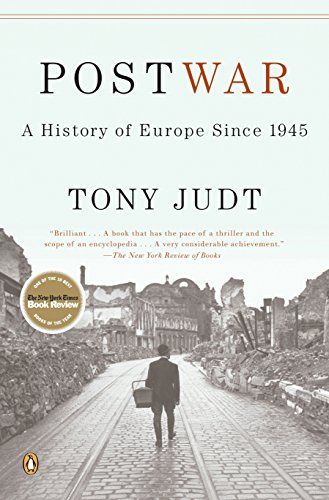
In 'Postwar', Tony Judt intricately weaves the story of Europe’s transformation from the ashes of World War II to the dawn of the new millennium. This compelling narrative explores the political, social, and cultural shifts that shaped modern Europe, highlighting the resilience and aspiration of its people. Judt delves into the complexities of European identity, the rise and fall of ideologies, and the impact of major events on everyday lives. With a rich tapestry of historical analysis, he invites readers to reflect on the past while considering the future of a continent in flux. 'Postwar' is not just a history book; it's a profound exploration of humanity's struggle for meaning and stability in a rapidly changing world.
By Tony Judt
Published: 2006
"'Postwar Europe was not simply the result of history; it was a place where history itself was redefined, grappling with the shadows of the past while forging a new identity for the future.'"

Start Listening to Book Summary
Book Review of Postwar
Finalist for the Pulitzer Prize • Winner of the Council on Foreign Relations Arthur Ross Book Award • One of the New York Times' Ten Best Books of the Year “Impressive . . . Mr. Judt writes with enormous authority.” —The Wall Street Journal “Magisterial . . . It is, without a doubt, the most comprehensive, authoritative, and yes, readable postwar history.” —The Boston Globe Almost a decade in the making, this much-anticipated grand history of postwar Europe from one of the world's most esteemed historians and intellectuals is a singular achievement. Postwar is the first modern history that covers all of Europe, both east and west, drawing on research in six languages to sweep readers through thirty-four nations and sixty years of political and cultural change-all in one integrated, enthralling narrative. Both intellectually ambitious and compelling to read, thrilling in its scope and delightful in its small details, Postwar is a rare joy. Judt's book, Ill Fares the Land, republished in 2021 featuring a new preface by bestselling author of Between the World and Me and The Water Dancer, Ta-Nehisi Coates.
Book Overview of Postwar
About the Book Author
Tony Judt
Tony Judt (1948-2010) was a prominent British historian and essayist, renowned for his in-depth analyses of modern Europe and its political landscapes. He authored several influential works, including "Postwar: A History of Europe Since 1945," which offers a comprehensive overview of Europe in the latter half of the 20th century, and "The Memory Chalet," a poignant collection of autobiographical essays. Judt's writing style is characterized by its clarity, intellectual rigor, and deep engagement with historical context, making complex ideas accessible to a broad audience. He was a respected critic of contemporary society and politics, and his work continues to resonate in discussions about European history and identity.
Book Details
Key information about the book.
- Authors
- Tony Judt
- Published
- September 2006
- Publisher
- Penguin
- ISBN
- 0143037757
- Language
- English
- Pages
- 993
- Genres
- HistoryEuropean History
Purchase Options
 Buy on Amazon
 Buy via BookShop
Support local bookstores: BookShop gives a portion of each sale to independent bookshops!
Similar books you might like →
Between the World and Me Book Summary
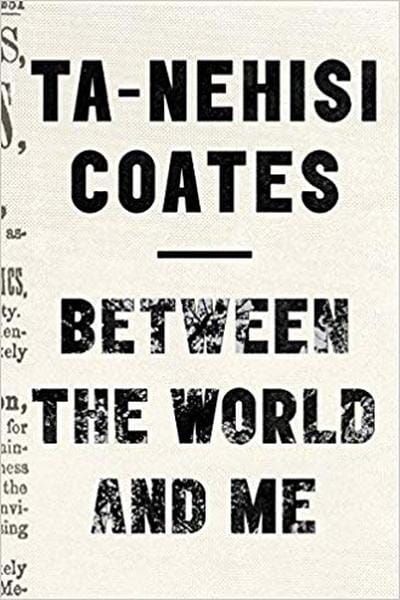
In "Between the World and Me," Ta-Nehisi Coates crafts a poignant letter to his son, illuminating the harsh realities of growing up African American in a society steeped in racial injustice. As he shares his personal experiences and struggles, Coates unearths the deep scars of history that shape the black experience in America. The narrative weaves together themes of identity, vulnerability, and resilience, urging readers to confront uncomfortable truths. With lyrical prose and raw honesty, Coates invites us to understand the weight of a body in a world that often overlooks its humanity. This powerful exploration leaves an indelible mark, challenging us to reconsider our own place in the ongoing conversation about race and belonging.
The Upside of Stress Book Summary
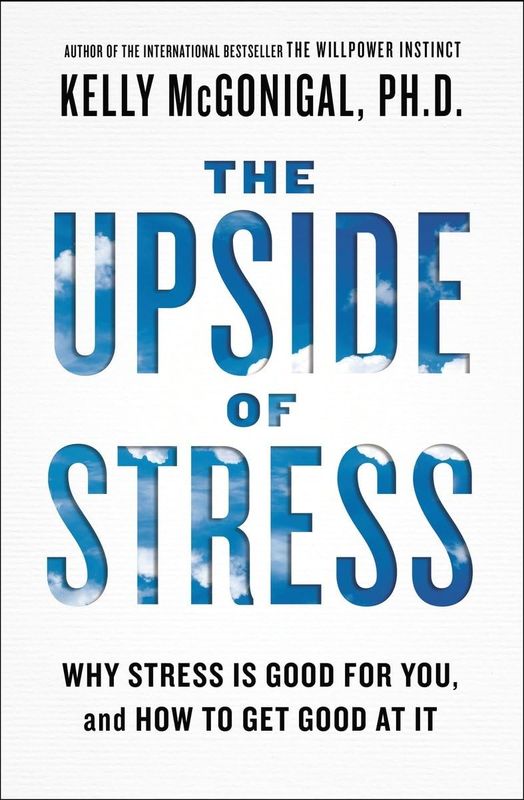
In 'The Upside of Stress', Kelly McGonigal challenges the conventional wisdom that stress is inherently harmful. Instead, she argues that our mindset about stress can transform our experience of it into a force for growth and resilience. Through engaging anecdotes and scientific research, McGonigal reveals how embracing stress can enhance our performance and deepen our connections with others. This compelling exploration invites readers to rethink their relationship with stress and discover its surprising potential. Are you ready to flip the script on stress and unlock its hidden benefits?
The City in History Book Summary
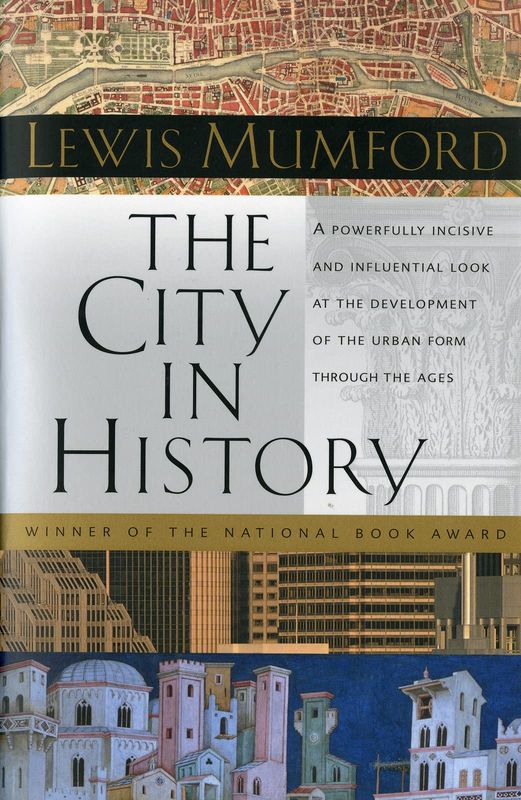
In 'The City in History,' Lewis Mumford explores the evolution of urban life from ancient times to the modern metropolis. He argues that cities are not just physical structures but reflections of human values and societal progress. Mumford delves into the interplay between architecture, technology, and culture, revealing how they shape the human experience. With incisive critiques and vivid historical examples, he presents a vision of the ideal city that promotes both individuality and community. This thought-provoking journey challenges readers to reconsider the role of cities in their own lives and the future of civilization.
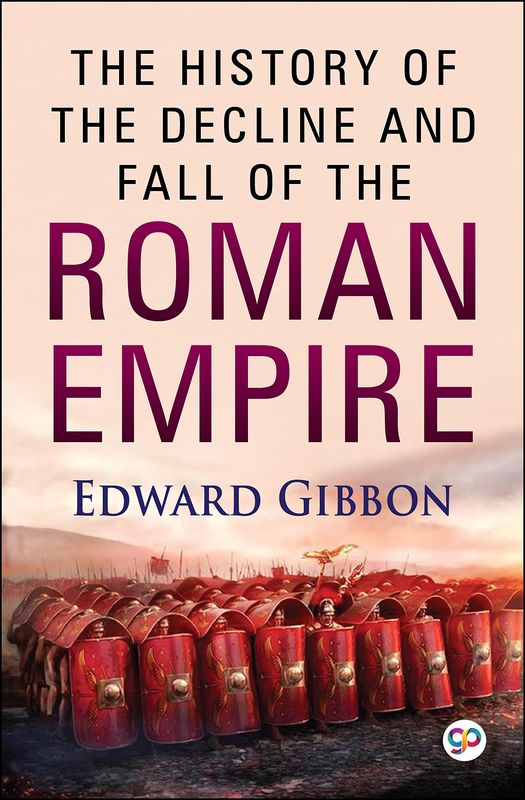
The History of the Decline & Fall of the Roman Empire Book Summary
In 'The History of the Decline & Fall of the Roman Empire,' Edward Gibbon meticulously chronicles the mighty empire's descent into chaos and obscurity. With eloquent prose, Gibbon unveils the interplay of political intrigue, moral decay, and military defeats that eroded Rome's power. His analysis does not merely recount events but delves into the philosophical implications of decline and the lessons for future societies. As empires rise and fall, engage with the timeless questions Gibbon poses about civilization itself. Dive into this monumental work to understand how history shapes our present and future.
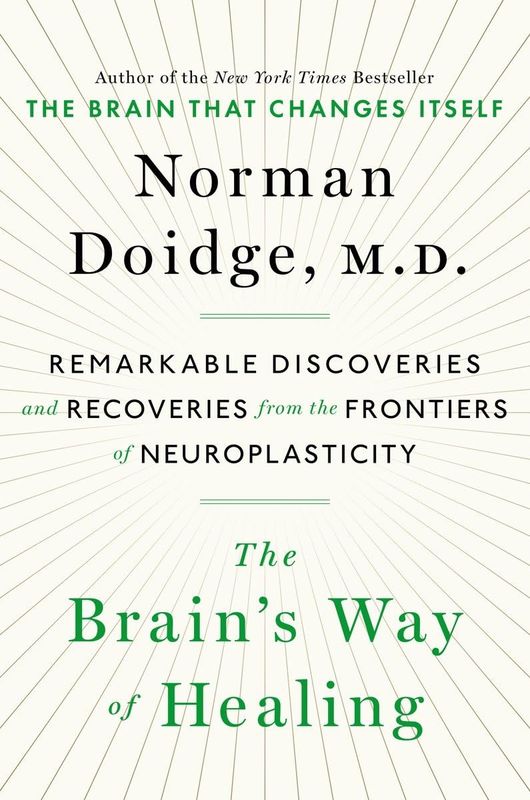
The Brain's Way of Healing Book Summary
In 'The Brain's Way of Healing,' Norman Doidge unveils the powerful and transformative nature of the brain’s ability to heal itself. Through riveting case studies and groundbreaking research, he explores innovative therapies that harness neuroplasticity to overcome chronic pain, brain injuries, and neurological disorders. This compelling narrative combines science with personal stories, revealing that hope and healing are often found within our own minds. Doidge challenges conventional medical practices, inviting readers to reconsider their understanding of healing and recovery. Can our brains truly rewrite their narratives, and if so, what untapped potential lies within us all?
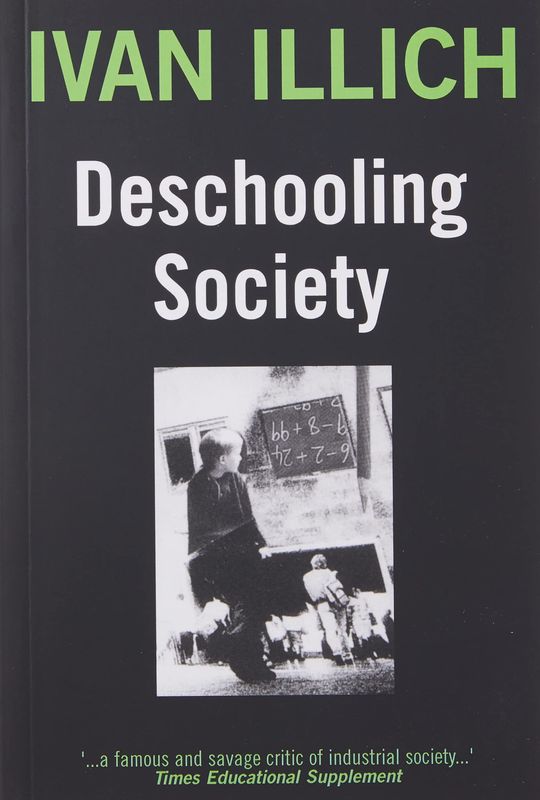
Deschooling Society Book Summary
In 'Deschooling Society,' Ivan Illich challenges the conventional educational system, advocating for a radical rethinking of how society values learning. He argues that formal schooling often stifles creativity and genuine knowledge acquisition, imposing rigid structures that serve institutional agendas. Illich envisions a world where education is liberated from the confines of classrooms, enabling individuals to pursue self-directed learning tailored to their unique needs. Provocative and thought-provoking, this book invites readers to question the very foundations of education and the societal norms surrounding it. Will you dare to imagine a future where learning knows no bounds?
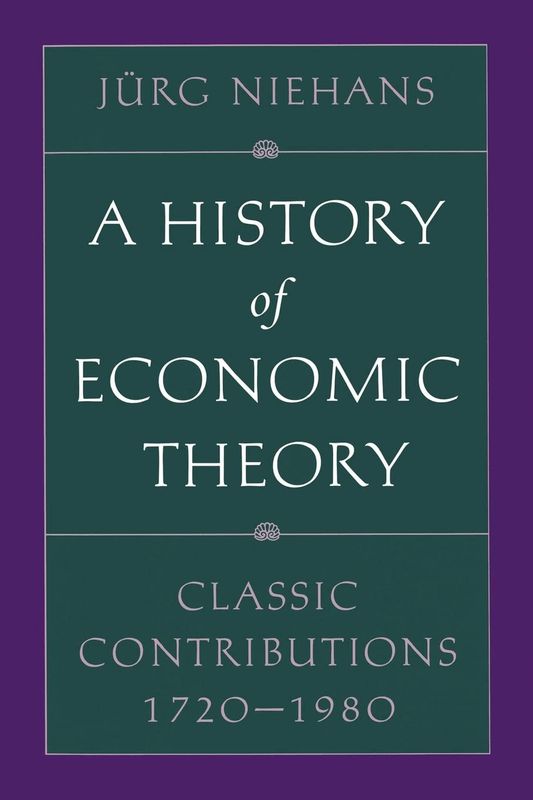
A History of Economic Theory Book Summary
In 'A History of Economic Theory', Jürg Niehans takes readers on a captivating journey through the evolution of economic thought. From ancient philosophies to contemporary paradigms, the book unravels how ideas have shaped economic practices across cultures and eras. With each chapter, Niehans reveals the intellectual battles and breakthroughs that have defined the discipline. Rich in historical context, this work challenges readers to consider the relevance of past theories in today's economy. Dive into this scholarly adventure and discover how the past continually influences our understanding of wealth and value.
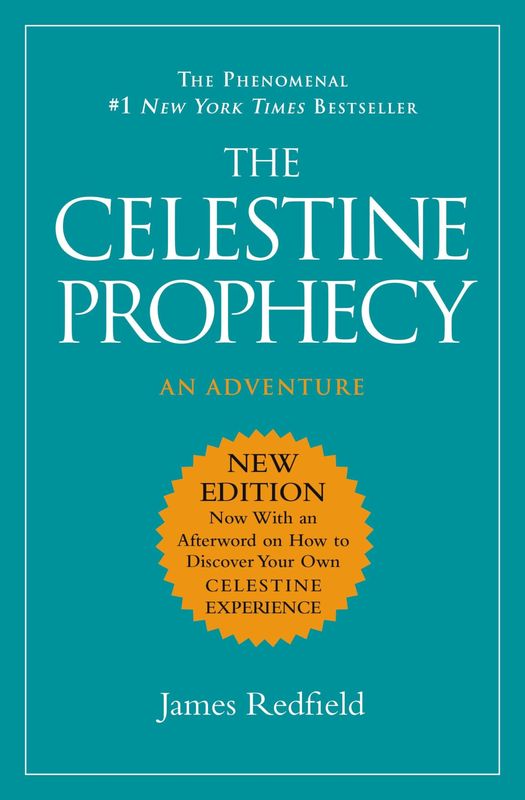
The Celestine Prophecy Book Summary
In 'The Celestine Prophecy,' an adventurous journey unfolds as the protagonist uncovers nine insights hidden within an ancient Peruvian manuscript. Each insight reveals a deeper understanding of human consciousness and the spiritual connections that bind us. As he encounters a series of enigmatic characters, the quest becomes more than just a search for enlightenment—it's a race against power dynamics that seek to suppress this knowledge. This intriguing narrative interweaves spiritual awakening with thrilling escapades, encouraging readers to question their own perceptions of reality. Will the insights lead to a greater understanding of our purpose in the universe?
Showing 8 of 29 similar books
Take your reading experience to the next level
Download our mobile app to enjoy your favorite books on the go. Get access to exclusive features, offline listening, and personalized recommendations.

Similar Book Recommendations →

Julian Shapiro's Book Recommendations
Julian Shapiro is a renowned writer and entrepreneur, acclaimed for his insightful essays on personal growth and marketing strategies. He is the author of "The Julian Shapiro Collection," a compilation of his most impactful writings that have garnered a wide readership online. Shapiro co-founded the growth marketing agency Bell Curve, where he has helped numerous startups achieve exponential growth. His work often blends practical advice with deep philosophical inquiries, making complex subjects accessible to a broad audience. Through his prolific writing and entrepreneurial ventures, Julian has become a key figure in the intersection of business and self-improvement literature.

Barack Obama's Book Recommendations
Barack Obama is the 44th President of the United States, serving from 2009 to 2017. As the first African American president, Obama’s leadership marked a historic moment in American history. His administration focused on healthcare reform, economic recovery from the Great Recession, and environmental policies. He is best known for the Affordable Care Act, as well as his efforts to expand civil rights and restore diplomatic relations with Cuba. Since leaving office, Obama has continued to engage in public life through his foundation, focusing on leadership development, civic engagement, and global issues.

Eric Jorgenson's Book Recommendations
Eric Jorgenson is an author, investor, and product strategist best known for his book The Almanack of Naval Ravikant, which distills the wisdom of the entrepreneur and angel investor Naval Ravikant. Jorgenson's work focuses on personal development, wealth creation, and life philosophy. His ability to synthesize complex ideas into actionable insights has made his writing widely popular among entrepreneurs and tech enthusiasts. Beyond writing, Jorgenson has worked in product strategy at Zaarly, a marketplace for home services, and is involved in early-stage startup investing. He frequently speaks on the intersection of business, technology, and philosophy, and his blog covers topics ranging from mental models to entrepreneurship. Jorgenson's approach emphasizes learning from others' experiences and applying timeless principles to modern challenges. He continues to inspire a generation of readers with his clear, thoughtful reflections on how to live a more successful and fulfilling life.

David Friedberg's Book Recommendations
David Friedberg is an entrepreneur, investor, and founder of The Production Board, a company focused on creating and investing in businesses that aim to solve challenges in food, agriculture, and climate change. Friedberg is also the founder of Climate Corporation, a company that uses data science to help farmers manage weather risk, which was acquired by Monsanto for $1 billion. He is a strong advocate for using technology to address global environmental and food production challenges. Friedberg’s focus on sustainability and innovation has made him a leader in the intersection of agriculture, climate science, and technology.

Brian Cox's Book Recommendations
Brian Cox is a Scottish actor and director, best known for his roles in films like Braveheart and Adaptation, as well as for his portrayal of media mogul Logan Roy in the hit HBO series Succession. Cox is renowned for his commanding screen presence and his ability to convey complex, often morally ambiguous characters. He has had a distinguished career in both film and theater, earning numerous awards, including a Golden Globe for his performance in Succession. In addition to his acting work, Cox is a vocal advocate for arts education and has been involved in various charitable initiatives. His longevity and versatility have made him a respected and influential figure in the entertainment industry.
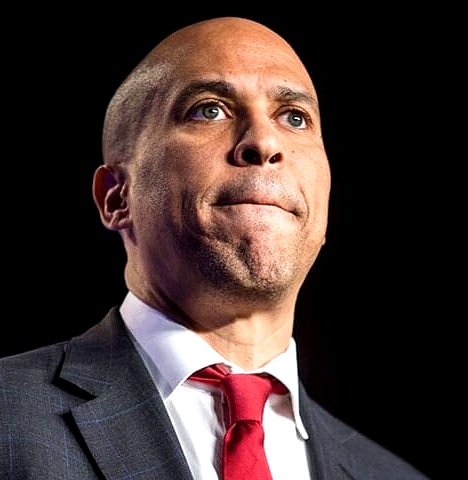
Cory Booker's Book Recommendations
Cory Booker is a prominent American politician and author, currently serving as the junior United States Senator from New Jersey since 2013. Before his tenure in the Senate, he was the Mayor of Newark, where he gained national recognition for his efforts to reduce crime and revitalize the city. Booker is also a published author, with his 2016 memoir, "United," offering an insightful look into his political career and personal philosophy centered on social justice and community activism. His literary work emphasizes themes of unity, compassion, and the importance of public service. Booker's contributions to literature and politics highlight his commitment to fostering a more equitable society.
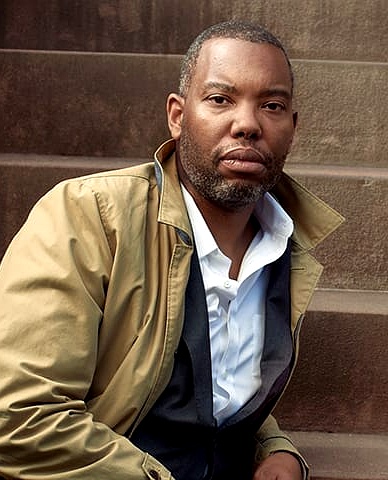
Ta-Nehisi Coates's Book Recommendations
Ta-Nehisi Coates is an acclaimed American author and journalist known for his profound explorations of African American culture and history. His seminal work, "Between the World and Me," won the National Book Award for Nonfiction in 2015 and has been lauded for its poignant examination of race in America. Coates has also made significant contributions to comic books, notably writing for Marvel's "Black Panther" and "Captain America" series. He has been a national correspondent for The Atlantic, where his essays garnered widespread attention and accolades. Coates continues to influence contemporary thought on race, history, and politics through his powerful and evocative writing.

Craig Blair's Book Recommendations
Craig Blair is an Australian venture capitalist and co-founder of AirTree Ventures, one of the country’s leading venture capital firms. Blair has been instrumental in backing early-stage tech startups in sectors like fintech, SaaS, and health tech. Under his leadership, AirTree has become a major player in the Australian and New Zealand startup ecosystems, providing funding and mentorship to some of the region’s most successful companies. Blair is also a strong advocate for innovation and entrepreneurship in Australia, often speaking about the need to support founders with long-term vision. His work in venture capital has positioned him as a key figure in the Australian tech scene.
Showing 8 of 10 related collections
“'Postwar Europe was not simply the result of history; it was a place where history itself was redefined, grappling with the shadows of the past while forging a new identity for the future.'”
Postwar
By Tony Judt
Frequently Asked Questions
Explore Our Catalogue
Discover a world of knowledge through our extensive collection of book summaries.
Genres
Genres
Genres
Featured Collections
- Top Book Club Picks
- One-Stop Nutrition
- Summer Reads 2024
- Best Beach Reads 2024
- Work-Life Balance Guide
- Time Management
- Healthy Foods
- Entrepreneur Toolkit
- Mind & Body Wellness
- Future Tech Insights
- Leadership Essentials
- Financial Freedom
- Sci-Fi Masterpieces
- Parenting 101
- Books That Became Blockbusters
- Guide to a Healthy Pregnancy