Qed Book Summary
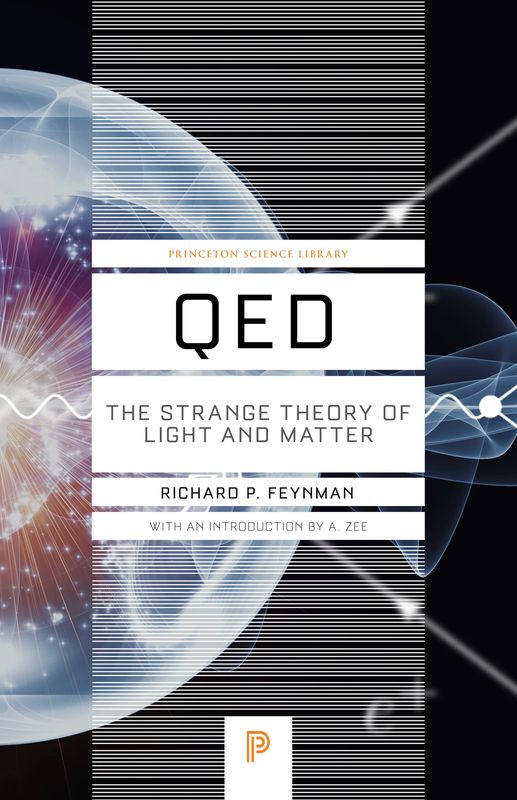
In 'Qed,' Richard Phillips Feynman invites readers into the mysterious world of quantum electrodynamics, unraveling the strange behaviors of light and matter. With his signature clarity and playful wit, Feynman demystifies complex concepts, making them accessible to all. He presents revolutionary ideas that challenge our traditional understanding of physics and reality itself. This book not only highlights the beauty of scientific inquiry but also sparks curiosity about the unseen forces that govern our universe. Join Feynman on an intellectual journey that promises to transform the way you perceive the world around you.
By Richard Phillips Feynman
Published: 2014
"The beauty of a flower is not in its shape or color but in the way it unfolds in time, revealing itself like the universe, layer by layer, in a dance of quantum mechanics."

Start Listening to Book Summary
Book Review of Qed
Provides an introduction to QED (quantum electrodynamics), that part of quantum field theory describing the interactions of light with charged particles. Using everyday language, spatial concepts, visualizations, and his renowned "Feynman diagrams" instead of advanced mathematics, the author communicates both the substance and spirit of QED to the layperson.
Book Overview of Qed
About the Book Author
Richard Phillips Feynman
Richard Phillips Feynman (1918-1988) was an American theoretical physicist, known for his work in quantum mechanics and particle physics. He was awarded the Nobel Prize in Physics in 1965 for his contributions to the development of quantum electrodynamics. Feynman was also a gifted educator and a popularizer of science, notable for his ability to convey complex scientific concepts in an accessible and engaging manner. His major works include "Surely You're Joking, Mr. Feynman!", "The Feynman Lectures on Physics", and "QED: The Strange Theory of Light and Matter". Feynman's writing style is characterized by clarity, humor, and a deep sense of curiosity about the universe.
Book Details
Key information about the book.
- Authors
- Richard Phillips Feynman
- Published
- October 2014
- Publisher
- N/A
- ISBN
- 0691164096
- Language
- English
- Pages
- 192
- Genres
- HistoryPopular ScienceScience and NatureScientific Discoveries
Purchase Options
 Buy on Amazon
 Buy via BookShop
Support local bookstores: BookShop gives a portion of each sale to independent bookshops!
Similar books you might like →
The Code Book: The Secrets Behind Codebreaking Book Summary
In "The Code Book," Simon Singh takes readers on a captivating journey through the history of codes and code-breaking, revealing the secrets that have shaped civilizations and influenced wars. From ancient hieroglyphs to modern internet encryption, each chapter unveils the intricate dance between secrecy and revealing truth. Singh intertwines real-life espionage tales and mathematical puzzles, making cryptography accessible and thrilling. As you delve into the world of hidden messages and clandestine communications, you'll find yourself pondering the ethical implications of surveillance and privacy in today’s digital age. Can you crack the code of the past to foresee the future?
The Gene Book Summary
In "The Gene: An Intimate History," Siddhartha Mukherjee weaves together a compelling narrative that explores the profound impact of genetics on our identities and destinies. This journey spans from ancient discoveries to modern science, unraveling the stories of legendary geneticists and their groundbreaking findings. Mukherjee delves into the ethical dilemmas and societal implications of genetic manipulation, leaving readers questioning what it truly means to be human. With rich anecdotes and scientific insights, the book invites you to reflect on your own genetic legacy. Can our genes dictate our future, or do we hold the power to shape our own narratives?
Cosmos Book Summary
In "Cosmos," Carl Sagan embarks on a thrilling expedition through space and time, weaving together the threads of science, history, and philosophy. With stunning prose, he unveils the wonders of the universe, exploring the birth of stars, the evolution of life, and the intricacies of human existence. Sagan’s passion for discovery ignites a sense of awe, inviting readers to ponder our place within the vast cosmos. As he delves into topics from alien civilizations to the origins of consciousness, each page beckons you to rethink what you know about the universe. Prepare to be captivated by a journey that challenges the boundaries of human understanding, leaving you eager to uncover the mysteries that lie beyond the stars.
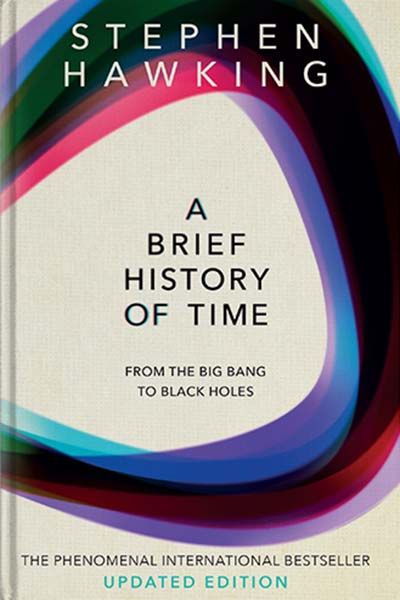
A Brief History of Time Book Summary
In "A Brief History of Time," Stephen Hawking takes readers on a captivating journey through the cosmos, exploring the nature of time, black holes, and the universe's beginnings. With stunning clarity, he unravels complex scientific concepts, inviting everyone—from curious laypersons to seasoned physicists—to ponder the mysteries of existence. Hawking's charismatic storytelling challenges our perceptions of reality and time itself, posing profound questions about the universe's fate. As he merges science with philosophy, the reader is compelled to reflect on their place in a vast, enigmatic cosmos. Prepare to be inspired and awed by a narrative that transcends mere facts, pushing the boundaries of human understanding.

THERESE DESQUEYROUX; TRANS. BY RAYMOND N. MACKENZIE. Book Summary
In 'Thérèse Desqueyroux', the protagonist battles the suffocating constraints of her provincial life in post-World War I France. Thérèse's marriage to the wealthy and indifferent Bernard becomes a cage, prompting her desperate search for freedom and fulfillment. As she contemplates radical actions against societal expectations, the tension escalates—will she break free or be forever trapped? Mauriac's poignant prose paints a vivid portrait of a woman's inner turmoil and rebellion. This haunting exploration of love, betrayal, and the quest for identity invites readers to question the true price of freedom.
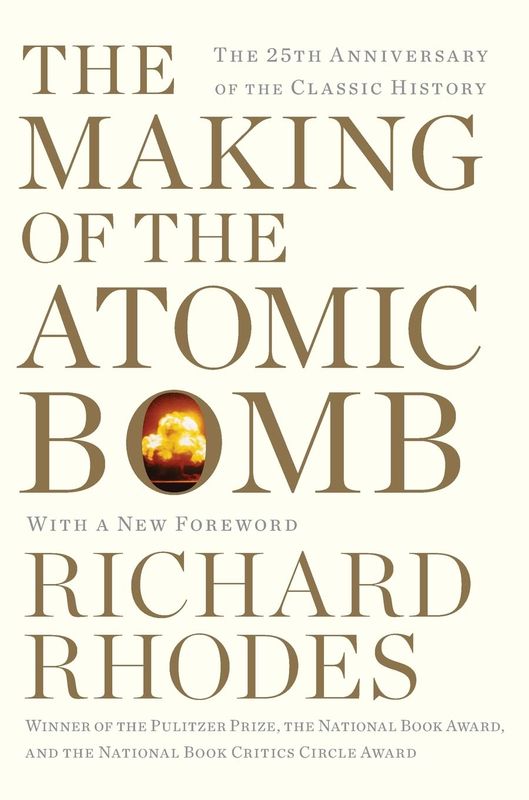
The Making of the Atomic Bomb Book Summary
In 'The Making of the Atomic Bomb,' Richard Rhodes unveils the gripping narrative behind one of history's most monumental scientific achievements. With a blend of meticulous research and compelling storytelling, Rhodes explores the lives of the brilliant minds and the moral dilemmas they faced while racing against time and adversaries. As the project transforms from a theoretical concept to a world-altering weapon, readers are drawn into the political intrigue and human drama that fueled the Manhattan Project. This book not only delves into the science of atomic energy but also poses profound questions about human ambition and ethical responsibility. What does it mean to wield such immense power, and at what cost does progress come?
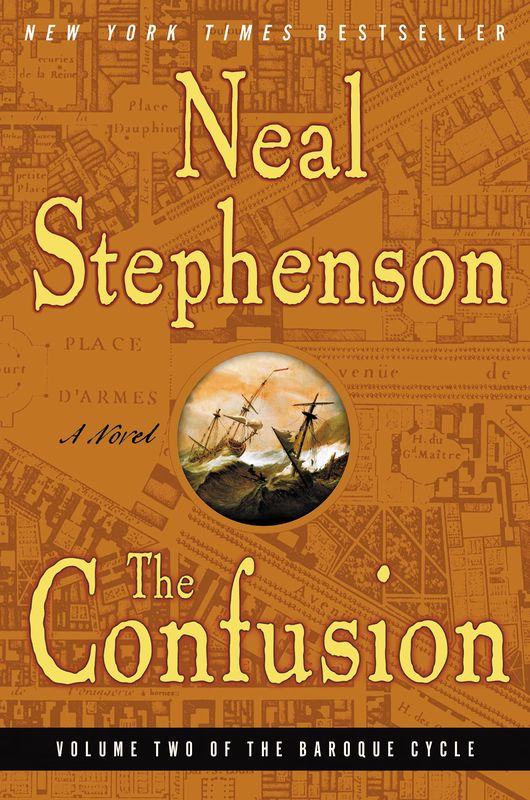
The Confusion Book Summary
In 'The Confusion', Neal Stephenson weaves a captivating tale that straddles the worlds of finance, adventure, and secret societies during the 17th century. The narrative intertwines the lives of a con artist and a young woman navigating a treacherous landscape of wealth and deception. As these characters pursue their desires, they uncover a conspiracy that could alter the course of history. With a rich tapestry of historical detail and intricate plotting, the novel invites readers to ponder the fluidity of truth and money. Prepare for a thrilling journey filled with twists that challenge the very notions of reality and identity.

Addiction Proof Your Child Book Summary
In 'Addiction Proof Your Child', Stanton Peele unveils groundbreaking insights into preventing addiction before it starts. This thought-provoking guide challenges conventional wisdom about addiction, emphasizing that children can grow up resilient and substance-free. Peele combines practical strategies and psychological wisdom to address the root causes of addiction, empowering parents to cultivate strong, healthy relationships with their children. You'll discover how to instill confidence and open communication, leading to a supportive environment that deters addiction. This book is not just about prevention; it's a roadmap to raising a generation of fearless and resilient young people.
Showing 8 of 24 similar books
Take your reading experience to the next level
Download our mobile app to enjoy your favorite books on the go. Get access to exclusive features, offline listening, and personalized recommendations.

Similar Book Recommendations →

Neil deGrasse Tyson's Book Recommendations
Neil deGrasse Tyson is a renowned astrophysicist, author, and science communicator, best known for his work in popularizing science through various media. As the director of the Hayden Planetarium in New York City, he has played a pivotal role in bringing astronomical discoveries to the public. Tyson has authored several bestselling books, including "Astrophysics for People in a Hurry" and "The Pluto Files," which have made complex scientific concepts accessible to a broad audience. He is also the host of the popular science TV show "Cosmos: A Spacetime Odyssey," a continuation of Carl Sagan's groundbreaking series. Tyson's contributions have significantly enhanced public understanding and appreciation of the universe.

Jon Hamm's Book Recommendations
Jon Hamm is an American actor best known for his role as Don Draper in the critically acclaimed television series "Mad Men," which aired from 2007 to 2015. While Hamm's achievements are primarily in acting, his portrayal of the complex, enigmatic ad executive has been lauded for its depth and nuance, significantly impacting television storytelling. His performance earned him numerous awards, including a Golden Globe and an Emmy. Beyond "Mad Men," Hamm has appeared in various films and TV shows, showcasing his versatility across genres. Though not primarily a literary figure, his work has influenced contemporary narratives and character development in modern media.

Naval Ravikant's Book Recommendations
Naval Ravikant is an entrepreneur, angel investor, and philosopher, best known as the co-founder of AngelList, a platform that connects startups with investors. Ravikant is a prolific thinker and writer on topics such as startups, investing, and personal well-being, sharing his wisdom through essays, podcasts, and social media. He has invested in over 100 companies, including Uber, Twitter, and Yammer, making him one of Silicon Valley’s most successful angel investors. Ravikant is also known for his philosophical musings on wealth, happiness, and the meaning of life, which have garnered him a large and dedicated following.

Charlie Munger's Book Recommendations
Charlie Munger is an American investor, businessman, and philanthropist, best known as the vice chairman of Berkshire Hathaway, where he partners with Warren Buffett. Renowned for his insights on investment strategies and mental models, Munger has significantly influenced the world of finance. His notable literary contributions include "Poor Charlie's Almanack," a compilation of his speeches and writings that distill his wisdom on decision-making and business principles. Munger's work emphasizes the importance of multidisciplinary thinking and continuous learning. Beyond his financial acumen, he is celebrated for his charitable efforts, particularly in education and healthcare.

Jon Stewart's Book Recommendations
Jon Stewart is an American comedian, writer, and former host of The Daily Show, where he gained fame for his satirical take on news and politics. Stewart transformed The Daily Show into a critical voice in American media, blending humor with hard-hitting commentary on political and social issues. After stepping down from the show, Stewart has continued to advocate for causes like 9/11 first responders and veterans' rights. He is also a filmmaker, directing the political satire film Irresistible. Stewart remains a significant figure in American culture, known for his wit, activism, and influence on political discourse.

David Deutsch's Book Recommendations
David Deutsch is a British physicist and philosopher, widely known for his contributions to quantum mechanics, particularly in the area of quantum computation. He is the author of The Fabric of Reality and The Beginning of Infinity, where he explores the nature of knowledge, progress, and the future of human civilization. Deutsch’s work in quantum computing laid the groundwork for the development of quantum algorithms, positioning him as a pioneer in this emerging field. He is a proponent of the multiverse theory and has offered profound insights into the nature of reality, science, and human potential. Deutsch’s philosophical work emphasizes the power of reason and creativity in solving problems and expanding human understanding. His ideas have had a significant impact on the fields of theoretical physics and epistemology, making him a leading thinker on the future of science and technology. He continues to inspire both scientists and lay readers with his optimistic vision of a world shaped by knowledge and innovation.

Larry Page's Book Recommendations
Larry Page is an American computer scientist and entrepreneur best known as the co-founder of Google, one of the world's leading technology companies, which revolutionized internet search and advertising. Born on March 26, 1973, Page's innovative work in developing the PageRank algorithm was a cornerstone in Google's ability to deliver relevant search results. He served as CEO of Google from its founding in 1998 until 2001, and again from 2011 to 2015, before transitioning to CEO of Alphabet Inc., Google's parent company. While not traditionally known for contributions to literature, Page's work has been extensively documented in numerous books and academic papers on technology, innovation, and entrepreneurship. His visionary approach has significantly influenced the digital age, making him a key figure in modern computing history.

Brian Armstrong's Book Recommendations
Brian Armstrong is a renowned entrepreneur and author best known for co-founding and leading Coinbase, a major cryptocurrency exchange. His literary contributions include insightful writings on the future of digital currencies and blockchain technology. Armstrong's work has been pivotal in demystifying complex financial systems for a broader audience. Beyond his business acumen, his thought leadership in publications and public speaking engagements has cemented his status as a key voice in the fintech revolution. His dedication to innovation continues to influence the trajectory of global financial systems.
“The beauty of a flower is not in its shape or color but in the way it unfolds in time, revealing itself like the universe, layer by layer, in a dance of quantum mechanics.”
Qed
By Richard Phillips Feynman
Frequently Asked Questions
Explore Our Catalogue
Discover a world of knowledge through our extensive collection of book summaries.
Genres
Genres
Genres
Featured Collections
- Top Book Club Picks
- One-Stop Nutrition
- Summer Reads 2024
- Best Beach Reads 2024
- Work-Life Balance Guide
- Time Management
- Healthy Foods
- Entrepreneur Toolkit
- Mind & Body Wellness
- Future Tech Insights
- Leadership Essentials
- Financial Freedom
- Sci-Fi Masterpieces
- Parenting 101
- Books That Became Blockbusters
- Guide to a Healthy Pregnancy