Ruined by Design Book Summary
In "Ruined by Design," Mike Monteiro exposes the dark side of design and technology, urging designers to take responsibility for the consequences of their work. He argues that design is not just about aesthetics; it shapes society and can lead to harm if wielded irresponsibly. Through compelling anecdotes and critical insights, Monteiro challenges readers to reassess their values and the ethics of their design choices. He presents a call to action for designers to advocate for change and create a more just and equitable digital world. Will you be a part of the solution, or will you contribute to the ruin?
By Mike Monteiro
Published: 2019
"Design is not just what it looks like and feels like. Design is how it works, and how it shapes the world around us."
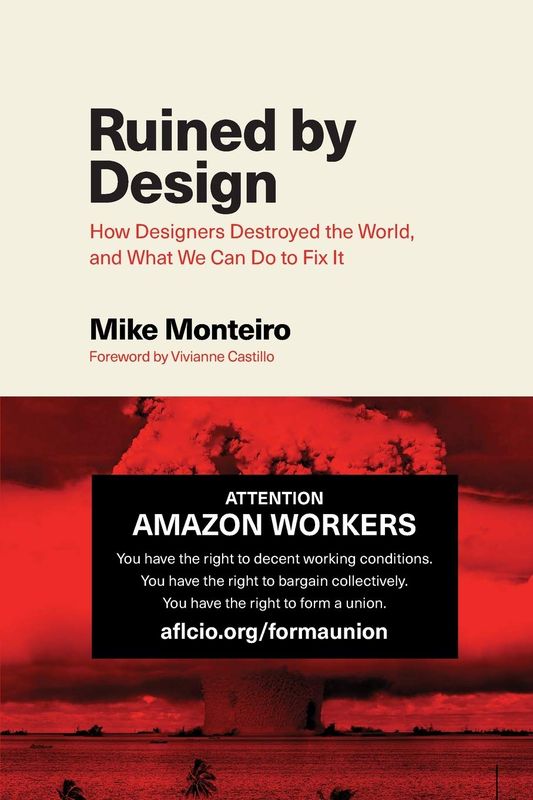

Start Listening to Book Summary
Book Review of Ruined by Design
The world is working exactly as designed. The combustion engine which is destroying our planet's atmosphere and rapidly making it inhospitable is working exactly as we designed it. Guns, which lead to so much death, work exactly as they're designed to work. And every time we "improve" their design, they get better at killing. Facebook's privacy settings, which have outed gay teens to their conservative parents, are working exactly as designed. Their "real names" initiative, which makes it easier for stalkers to re-find their victims, is working exactly as designed. Twitter's toxicity and lack of civil discourse is working exactly as it's designed to work.The world is working exactly as designed. And it's not working very well. Which means we need to do a better job of designing it. Design is a craft with an amazing amount of power. The power to choose. The power to influence. As designers, we need to see ourselves as gatekeepers of what we are bringing into the world, and what we choose not to bring into the world. Design is a craft with responsibility. The responsibility to help create a better world for all. Design is also a craft with a lot of blood on its hands. Every cigarette ad is on us. Every gun is on us. Every ballot that a voter cannot understand is on us. Every time social network's interface allows a stalker to find their victim, that's on us. The monsters we unleash into the world will carry your name. This book will make you see that design is a political act. What we choose to design is a political act. Who we choose to work for is a political act. Who we choose to work with is a political act. And, most importantly, the people we've excluded from these decisions is the biggest (and stupidest) political act we've made as a society.If you're a designer, this book might make you angry. It should make you angry. But it will also give you the tools you need to make better decisions. You will learn how to evaluate the potential benefits and harm of what you're working on. You'll learn how to present your concerns. You'll learn the importance of building and working with diverse teams who can approach problems from multiple points-of-view. You'll learn how to make a case using data and good storytelling. You'll learn to say NO in a way that'll make people listen. But mostly, this book will fill you with the confidence to do the job the way you always wanted to be able to do it. This book will help you understand your responsibilities.
Book Overview of Ruined by Design
About the Book Author
Mike Monteiro
Mike Monteiro is a renowned designer and author known for his incisive insights into the intersection of design, technology, and ethics. He is the co-founder of Mule Design Studio and has garnered a reputation for his approachable and thought-provoking writing style. Monteiro is the author of several notable works, including 'Design Is a Job' and 'You’re My Favorite Client', where he offers practical advice for designers while advocating for integrity in the industry. His work encourages designers to take responsibility for their creations and to engage thoughtfully with their audiences.
Book Details
Key information about the book.
- Authors
- Mike Monteiro
- Published
- March 2019
- Publisher
- N/A
- ISBN
- 1090532083
- Language
- English
- Pages
- 221
- Genres
- DesignSocial Justice MovementsTechnology
Purchase Options
 Buy on Amazon
 Buy via BookShop
Support local bookstores: BookShop gives a portion of each sale to independent bookshops!
Similar books you might like →

Addiction by Design Book Summary
In 'Addiction by Design', Natasha Dow Schüll explores the fascinating intersection of technology, gambling, and human psychology. She reveals how modern gaming machines are meticulously engineered to foster addictive behaviors, drawing players into a relentless cycle of engagement. Through immersive narratives and compelling case studies, Schüll raises critical questions about free will and the seductive nature of design in our digital age. This thought-provoking investigation challenges readers to consider the impact of technology on their lives and society at large. Dive into this eye-opening journey to understand the dark artistry behind the designs that capture us.
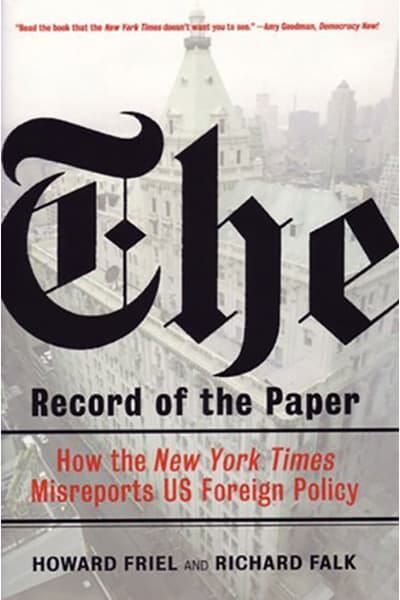
The Record of the Paper Book Summary
In 'The Record of the Paper', authors Howard Friel and Richard A. Falk unveil the intricate web of misinformation surrounding key historical events. They challenge prevailing narratives by meticulously examining the role of media and politics in shaping public perception. Through compelling case studies, Friel and Falk reveal how selective reporting can distort truth and influence policy decisions. The book not only serves as a critical analysis of historical records but also encourages readers to question the sources of their information. Prepare to embark on a journey that uncovers hidden truths and reshapes your understanding of history.

The Elements of Typographic Style Book Summary
No summary available

Desert Solitaire Book Summary
In 'Desert Solitaire', Edward Abbey takes readers on a spiritual journey through the vibrant and harsh landscapes of the American Southwest. As a seasonal park ranger, he muses on the profound beauty of nature, the fragility of ecosystems, and the forces of human encroachment. Abbey's poetic prose invites us to reflect on solitude, environmentalism, and the essence of freedom. Through vivid stories and philosophical insights, he challenges our perceptions of wilderness and civilization. Dare to explore the wild places within and outside yourself – this book will leave you questioning the very nature of progress.

The Strangest Man Book Summary
Dive into the fascinating life of Paul Dirac, a theoretical physicist whose work helped shape quantum mechanics. Often described as eccentric and enigmatic, Dirac's genius led him to uncover profound truths about the universe. Discover the struggles he faced balancing his brilliant intellect with his social awkwardness. Through the lens of his groundbreaking discoveries and personal challenges, explore what it means to be a true original in a world that demands conformity. 'The Strangest Man' not only chronicles Dirac's legacy but also invites readers to reflect on the nature of genius itself.

The Design of Everyday Things Book Summary
In 'The Design of Everyday Things', Don Norman reveals the hidden principles behind effective design that shapes our everyday interactions. He explores the psychological underpinnings of how we perceive and interact with objects, highlighting the importance of usability and user-centered design. Through captivating examples, Norman illustrates how poor design can lead to frustration, while thoughtful design enhances our experience. This book challenges readers to rethink the functionality of everyday items, making them consider the design choices behind the objects they encounter. Ultimately, it invites us to demand better designs that cater to our needs, making the mundane extraordinary.
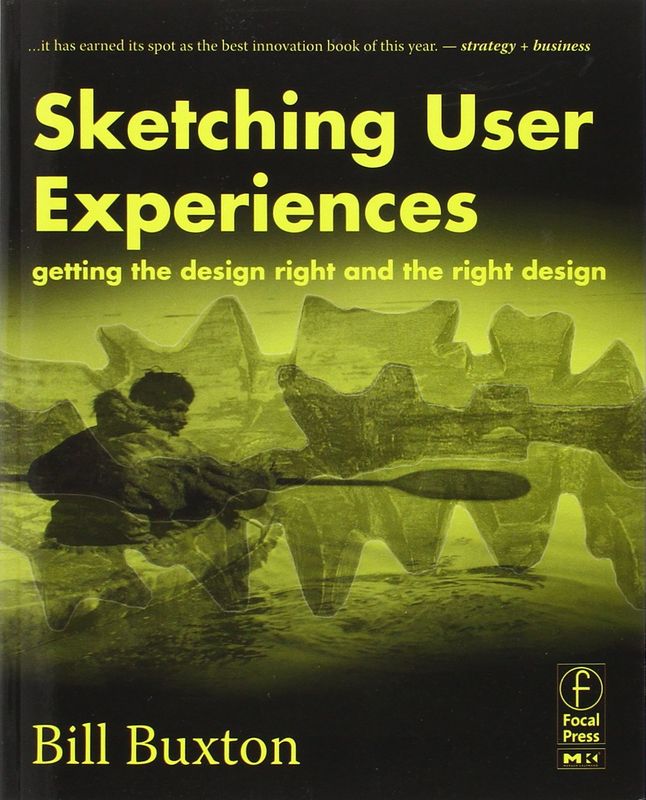
Sketching User Experiences: Getting the Design Right and the Right Design Book Summary
No summary available
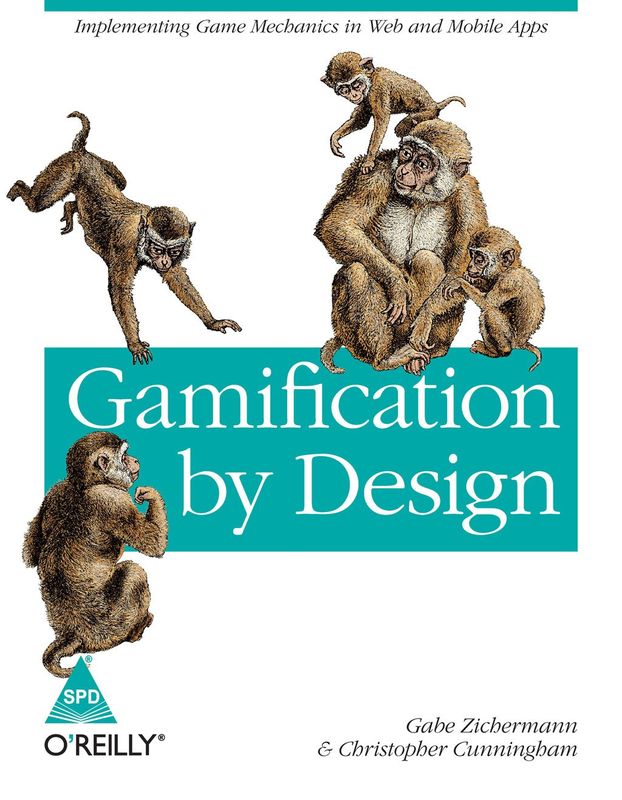
Gamification by Design Book Summary
In 'Gamification by Design', the authors explore the art and science of integrating game mechanics into non-game contexts to enhance user engagement and motivation. They uncover the psychology behind what makes games addictive and how these principles can be applied to real-world scenarios. Through practical case studies and actionable frameworks, the book reveals how gamification can be a catalyst for innovation and user loyalty. Are you ready to unlock the secrets of game mechanics and transform your projects? Dive into this insightful read to discover how to design experiences that captivate and retain users!
Showing 8 of 29 similar books
Take your reading experience to the next level
Download our mobile app to enjoy your favorite books on the go. Get access to exclusive features, offline listening, and personalized recommendations.

Similar Book Recommendations →

Meghan Markle's Book Recommendations
Meghan Markle, Duchess of Sussex, is an American actress, humanitarian, and author known for her role as Rachel Zane on the television series "Suits." After marrying Prince Harry in 2018, she became a prominent figure in the British royal family and an advocate for social justice and women's rights. In 2021, she published her first children's book, "The Bench," which explores the bond between fathers and sons through a mother's eyes. Markle's literary work reflects her commitment to storytelling and her passion for fostering empathy and understanding. Beyond literature, she co-founded the Archewell Foundation with Prince Harry to promote compassion and well-being globally.

Melanie Perkins's Book Recommendations
Melanie Perkins is an Australian technology entrepreneur and the co-founder and CEO of Canva, an online design and publishing tool that has revolutionized the graphic design industry. Born in Perth, Australia, she launched Canva in 2013 with the aim of making design accessible to everyone, regardless of their skill level. Under her leadership, Canva has grown to serve millions of users worldwide and has reached a multi-billion-dollar valuation. Perkins' innovative approach and dedication to user-friendly design have earned her recognition as one of the most influential women in technology. Beyond her entrepreneurial success, she is also a passionate advocate for diversity and inclusion in the tech industry.

Naval Ravikant's Book Recommendations
Naval Ravikant is an entrepreneur, angel investor, and philosopher, best known as the co-founder of AngelList, a platform that connects startups with investors. Ravikant is a prolific thinker and writer on topics such as startups, investing, and personal well-being, sharing his wisdom through essays, podcasts, and social media. He has invested in over 100 companies, including Uber, Twitter, and Yammer, making him one of Silicon Valley’s most successful angel investors. Ravikant is also known for his philosophical musings on wealth, happiness, and the meaning of life, which have garnered him a large and dedicated following.

George Hatzis's Book Recommendations
George Hatzis is a lawyer, entrepreneur, and social media content creator known for his humorous and insightful takes on the legal profession. Through his popular Instagram account, Hatzis shares legal memes, advice, and commentary, making complex legal topics accessible and entertaining for a broad audience. He is also the founder of Hatzis Law, a firm that specializes in criminal defense and family law. Hatzis’ ability to merge legal expertise with humor has garnered him a large following, and he continues to be a unique voice in the legal community, advocating for modernizing the industry.

Andrew Wilkinson's Book Recommendations
Andrew Wilkinson is a distinguished author and entrepreneur, best known for his insightful business writings and contributions to the tech industry. He co-founded MetaLab, a prominent design agency that has shaped the user experience of major platforms like Slack and Coinbase. Wilkinson's entrepreneurial journey and his publications provide valuable perspectives on startup culture, innovation, and leadership. His writing, often featured in leading business magazines and his personal blog, has garnered a wide readership for its practical advice and engaging storytelling. Andrew continues to influence both literature and the business world with his unique blend of creativity and strategic thinking.

Daniel Burka's Book Recommendations
Daniel Burka is a prominent figure in the tech and design world, best known for his significant contributions to digital product design. As a design partner at GV (formerly Google Ventures), he has played a crucial role in shaping the user experience of numerous successful startups. Burka co-founded the design agency MetaLab, which has worked with top-tier clients like Slack and Coinbase. Additionally, his work at Digg as the Director of Design helped pioneer social media design trends in the early 2000s. While not primarily an author, Burka's influence extends into literature through his insightful writings and talks on design and innovation.

Elon Musk's Book Recommendations
Elon Musk is an influential entrepreneur and innovator known for founding and leading several groundbreaking companies, including Tesla, SpaceX, Neuralink, and The Boring Company. He has played a pivotal role in advancing electric vehicles, space exploration, and renewable energy. Musk's vision extends to colonizing Mars and reducing the risk of human extinction through space travel. In addition to his technological contributions, he has co-authored the book "Spacex: Making Commercial Spaceflight a Reality," providing insights into his ambitious projects and vision for the future. Musk's relentless pursuit of innovation continues to shape the trajectory of multiple industries.

Joe Gebbia's Book Recommendations
Joe Gebbia is an American designer and entrepreneur best known as the co-founder of Airbnb, a pioneering platform in the sharing economy. Although he is not primarily recognized for his literary contributions, Gebbia has significantly influenced design thinking and innovation, which he has articulated through various talks and articles. His insights on creativity and entrepreneurship have been featured in prominent publications and at leading conferences, inspiring a new generation of business leaders. Gebbia's work emphasizes the intersection of design, technology, and community, making him a thought leader in modern business practices. His contributions extend beyond Airbnb, as he continues to explore and advocate for innovative solutions to global challenges.
Showing 8 of 16 related collections
“Design is not just what it looks like and feels like. Design is how it works, and how it shapes the world around us.”
Ruined by Design
By Mike Monteiro
Frequently Asked Questions
Explore Our Catalogue
Discover a world of knowledge through our extensive collection of book summaries.
Genres
Genres
Genres
Featured Collections
- Top Book Club Picks
- One-Stop Nutrition
- Summer Reads 2024
- Best Beach Reads 2024
- Work-Life Balance Guide
- Time Management
- Healthy Foods
- Entrepreneur Toolkit
- Mind & Body Wellness
- Future Tech Insights
- Leadership Essentials
- Financial Freedom
- Sci-Fi Masterpieces
- Parenting 101
- Books That Became Blockbusters
- Guide to a Healthy Pregnancy