The Strangest Man Book Summary
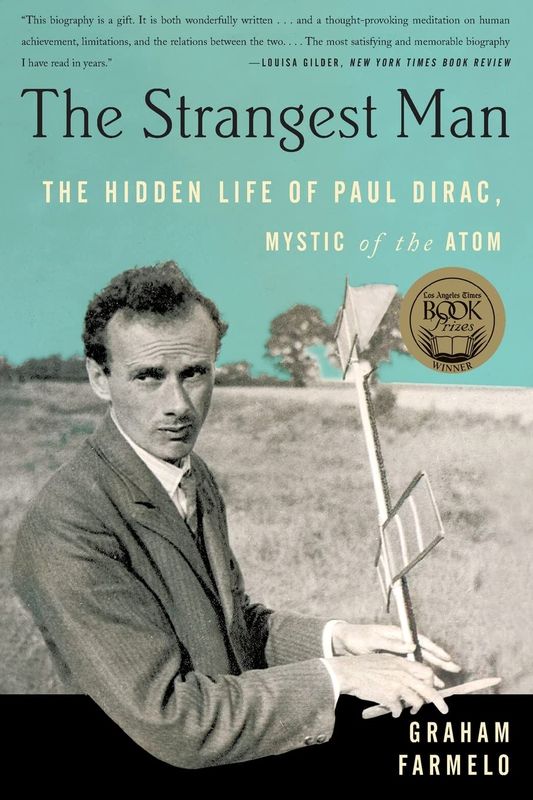
Dive into the fascinating life of Paul Dirac, a theoretical physicist whose work helped shape quantum mechanics. Often described as eccentric and enigmatic, Dirac's genius led him to uncover profound truths about the universe. Discover the struggles he faced balancing his brilliant intellect with his social awkwardness. Through the lens of his groundbreaking discoveries and personal challenges, explore what it means to be a true original in a world that demands conformity. 'The Strangest Man' not only chronicles Dirac's legacy but also invites readers to reflect on the nature of genius itself.
By Graham Farmelo
Published: 2011
"In the chaos of the cosmos, he found patterns of clarity that not only defined his genius but also illuminated the path for countless others."

Start Listening to Book Summary
Book Review of The Strangest Man
One of Einstein's most admired colleagues, Paul Dirac helped discover quantum mechanics, and his prediction of antimatter was one of the greatest triumphs in the history of physics. "The Strangest Man" uses previously undiscovered archives to reveal the many facets of Dirac's brilliantly original mind.
Book Overview of The Strangest Man
About the Book Author
Graham Farmelo
Graham Farmelo is a renowned British author and biographer, celebrated for his explorations of the intersections between science and literature. His notable works include 'The Strangest Man: The Hidden Life of Paul Dirac, Mystic of Nature,' which delves into the life of the enigmatic physicist Paul Dirac, and 'Churchill's Bomb: How the United Kingdom Overtook America in the First Nuclear Arms Race,' a critical examination of Britain's role in nuclear development during the Second World War. Farmelo's writing style is characterized by a blend of narrative history and scientific exposition, making complex scientific concepts accessible to a broad audience. His ability to weave personal narratives with scientific inquiry has established him as a prominent voice in the science writing community.
Book Details
Key information about the book.
- Authors
- Graham Farmelo
- Published
- June 2011
- Publisher
- N/A
- ISBN
- 0465022103
- Language
- English
- Pages
- 562
- Genres
- BiographyScience and Technology BiographiesScience and Nature
Purchase Options
 Buy on Amazon
 Buy via BookShop
Support local bookstores: BookShop gives a portion of each sale to independent bookshops!
Similar books you might like →
Lives of the Stoics Book Summary
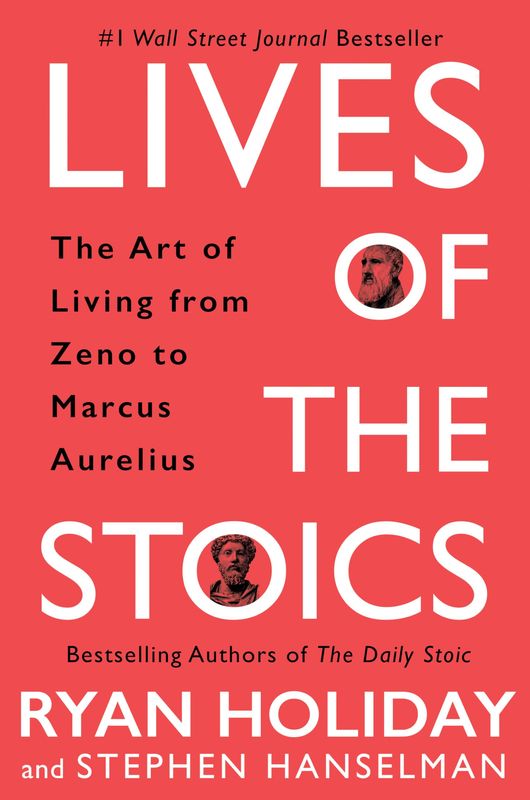
In "Lives of the Stoics," Ryan Holiday and Stephen Hanselman blend biography with philosophy, illuminating the lives of history's most influential Stoic thinkers. Each chapter reveals not just their teachings, but the trials, triumphs, and personal struggles that shaped their philosophies. Discover how figures like Seneca and Epictetus navigated adversity, power, and personal loss, offering timeless wisdom for modern dilemmas. The book invites readers to ponder how these ancient insights can be harnessed to cultivate resilience in today's chaotic world. Are you ready to explore the transformative power of Stoicism through the lives of its greatest practitioners?
The Gene Book Summary
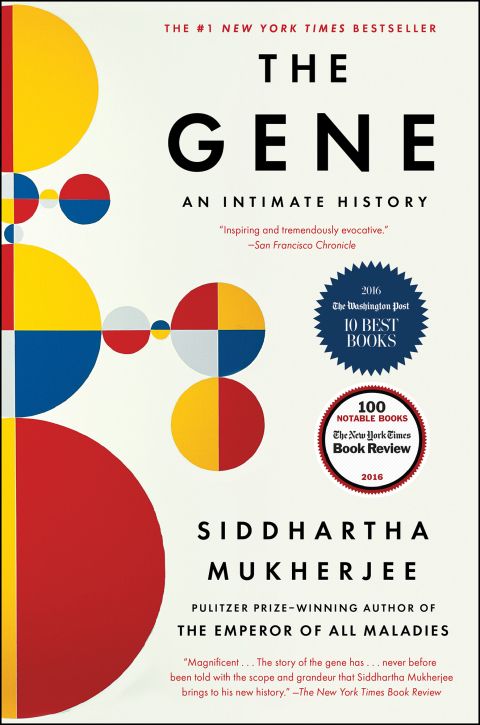
In "The Gene: An Intimate History," Siddhartha Mukherjee weaves together a compelling narrative that explores the profound impact of genetics on our identities and destinies. This journey spans from ancient discoveries to modern science, unraveling the stories of legendary geneticists and their groundbreaking findings. Mukherjee delves into the ethical dilemmas and societal implications of genetic manipulation, leaving readers questioning what it truly means to be human. With rich anecdotes and scientific insights, the book invites you to reflect on your own genetic legacy. Can our genes dictate our future, or do we hold the power to shape our own narratives?
Family First Book Summary
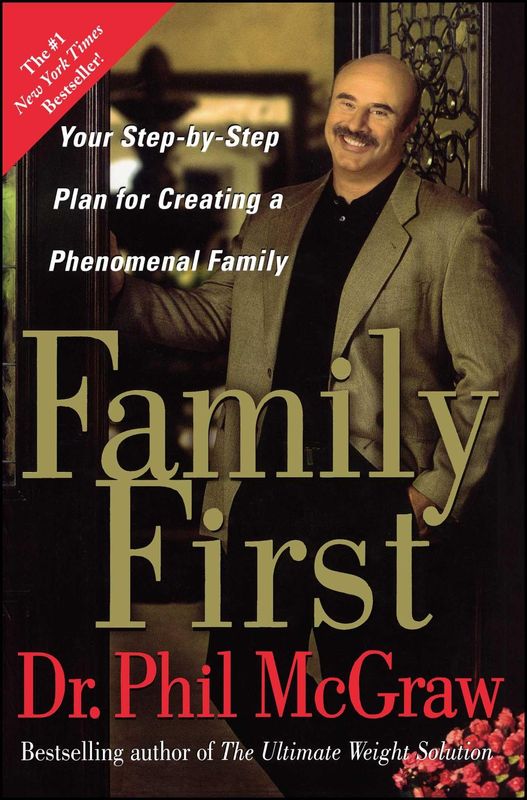
In "Family First," bestselling author Dr. John Townsend explores the transformative power of prioritizing family relationships in an often chaotic world. With compelling anecdotes and practical strategies, Townsend reveals how nurturing close ties can foster individual growth and collective strength. Each chapter uncovers the unique dynamics that can either bind us together or drive us apart, offering insights that resonate with all types of families. Readers are invited to reflect on their own familial connections and embrace actionable steps toward unity and resilience. What hidden treasures lie within your family relationships waiting to be discovered?
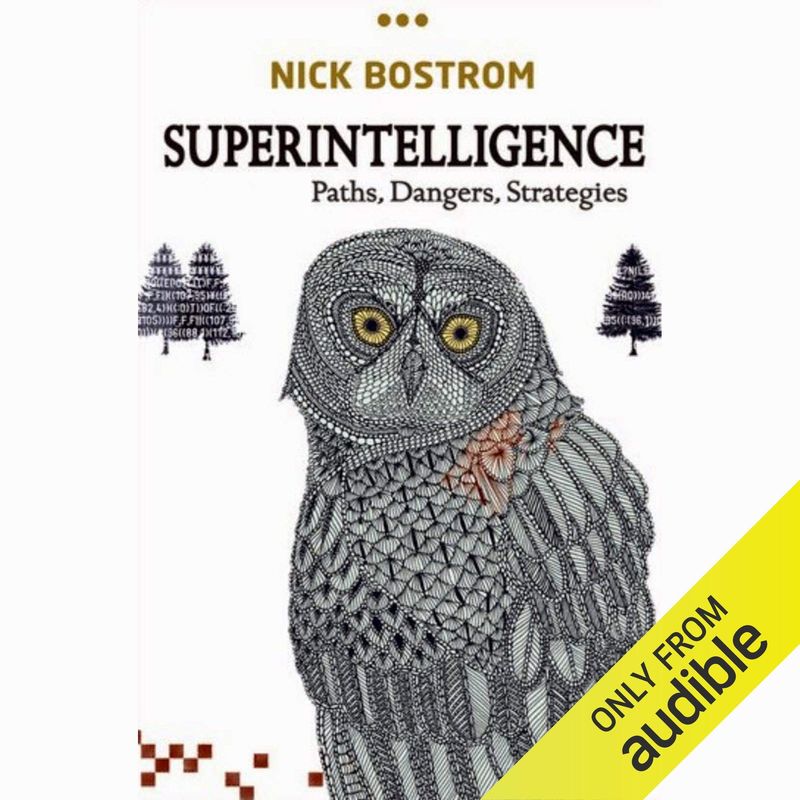
Superintelligence Book Summary
In 'Superintelligence', Nick Bostrom explores the future of artificial intelligence and its potential to surpass human intelligence. He delves into the profound implications this could have for humanity's survival and progress. With a blend of philosophical inquiry and rigorous analysis, Bostrom warns of the unforeseen risks associated with creating superintelligent machines. His thought-provoking arguments challenge readers to consider the ethical responsibilities that come with technological advancement. Will we be the masters of our own creations or their unwitting victims?
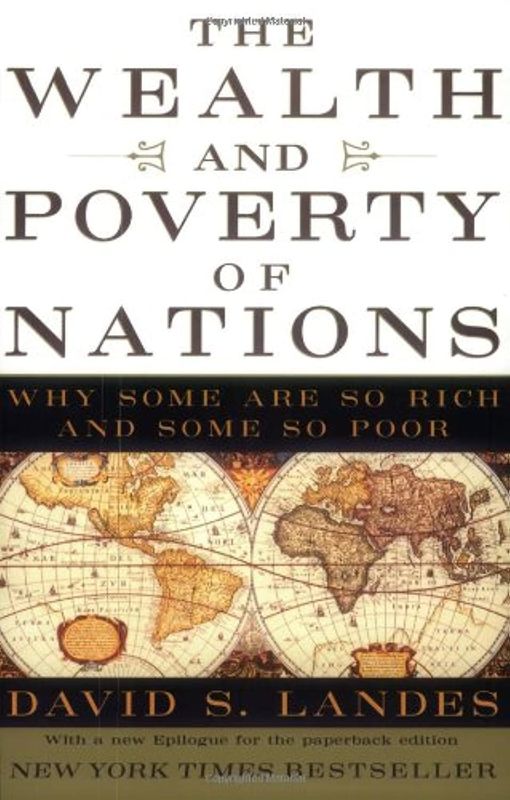
Wealth And Poverty Of Nations Book Summary
In 'Wealth and Poverty of Nations,' David S. Landes explores the complex tapestry of economic history and development across the globe. He delves into why some nations flourish while others remain entrenched in poverty, examining cultural, geographical, and historical factors that have shaped economies. Through engaging anecdotes and incisive analysis, Landes challenges simplistic explanations, revealing the intricate interplay of innovation, tradition, and policy. This book not only illuminates past economic trajectories but also provokes thought about the future of global prosperity. Prepare to question your assumptions about wealth and consider the paths nations have taken in their pursuit of success.
The 15 Commitments of Conscious Leadership Book Summary
In 'The 15 Commitments of Conscious Leadership', authors Jim Dethmer, Diana Chapman, and Kaley Klemp present a transformative guide for leaders seeking to elevate their consciousness and effectiveness. Through an engaging exploration of 15 pivotal commitments, they challenge conventional leadership paradigms and inspire readers to embrace authenticity and vulnerability. Each commitment serves as a stepping stone to foster deeper connections and a culture of trust within organizations. With practical insights and experiential tools, the book invites leaders to dismantle limiting beliefs and ignite their potential. Prepare to uncover a new dimension of leadership that transcends mere management and truly empowers individuals.
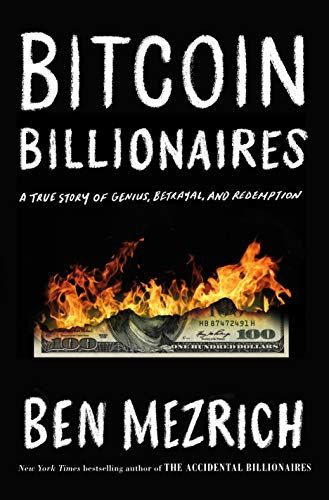
Bitcoin Billionaires Book Summary
In 'Bitcoin Billionaires,' Ben Mezrich chronicles the fascinating journey of the Winklevoss twins as they venture from the shadow of their legal battles with Mark Zuckerberg to become pioneering pioneers in the cryptocurrency revolution. This thrilling adventure explores their strategic investments and relentless pursuit of success in the burgeoning world of Bitcoin. With a blend of personal anecdotes and the rollercoaster of digital currency, the book reveals the challenges and triumphs faced by those at the forefront of financial innovation. As the stakes rise, readers are drawn into a narrative filled with ambition, technology, and the quest for fortune. Will the twins navigate the turbulent waters of this new economy, or will they lose it all in the unpredictable world of crypto?
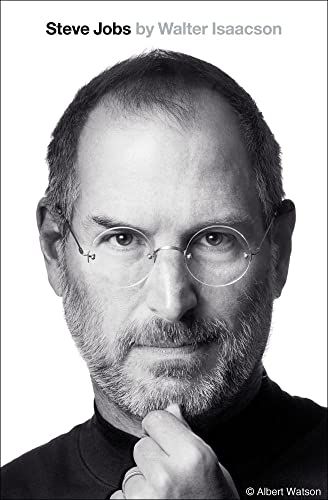
Steve Jobs Book Summary
In 'Steve Jobs', Walter Isaacson unveils the enigmatic life of the Apple co-founder, revealing the genius behind his relentless pursuit of perfection. This biography captures the brilliance and contradictions of a man who transformed entire industries with his innovative vision. Dive into the milestones of Jobs' career, from his revolutionary products to his tumultuous relationships. With candid insights from Jobs himself and those who knew him best, this book exposes the complex psyche of a modern icon. Discover how one man's dream reshaped technology, design, and the way we communicate forever.
Showing 8 of 28 similar books
Take your reading experience to the next level
Download our mobile app to enjoy your favorite books on the go. Get access to exclusive features, offline listening, and personalized recommendations.

Similar Book Recommendations →
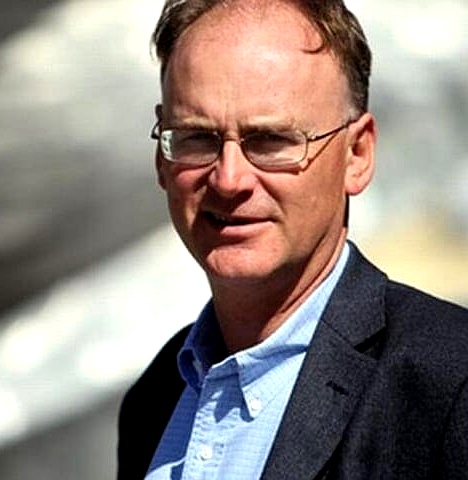
Matt Ridley's Book Recommendations
Matt Ridley is a British journalist, author, and businessman, best known for his books on science, economics, and human progress, including The Rational Optimist and The Evolution of Everything. Ridley’s work focuses on the power of innovation, free markets, and human ingenuity to drive progress and improve living standards. He is a member of the House of Lords and has written extensively on topics such as genetics, evolution, and the environment. Ridley’s optimistic view of human progress and his ability to explain complex scientific ideas have made him a popular author and public intellectual.

Jon Hamm's Book Recommendations
Jon Hamm is an American actor best known for his role as Don Draper in the critically acclaimed television series "Mad Men," which aired from 2007 to 2015. While Hamm's achievements are primarily in acting, his portrayal of the complex, enigmatic ad executive has been lauded for its depth and nuance, significantly impacting television storytelling. His performance earned him numerous awards, including a Golden Globe and an Emmy. Beyond "Mad Men," Hamm has appeared in various films and TV shows, showcasing his versatility across genres. Though not primarily a literary figure, his work has influenced contemporary narratives and character development in modern media.

Andrew Huberman's Book Recommendations
Andrew Huberman is a renowned neuroscientist and tenured professor at Stanford University, where he leads the Huberman Lab, focusing on brain function, behavior, and health. He has significantly contributed to the understanding of neural plasticity, particularly how the brain can change in response to experience and injury. Huberman is widely recognized for his engaging public science communication, which includes the popular "Huberman Lab" podcast that translates complex neuroscience topics into accessible insights for broad audiences. His research has been published in leading scientific journals, earning him numerous accolades and fostering a deeper public appreciation for neuroscience. Additionally, his work extends into practical applications, influencing fields such as mental health, vision restoration, and performance optimization.

Barack Obama's Book Recommendations
Barack Obama is the 44th President of the United States, serving from 2009 to 2017. As the first African American president, Obama’s leadership marked a historic moment in American history. His administration focused on healthcare reform, economic recovery from the Great Recession, and environmental policies. He is best known for the Affordable Care Act, as well as his efforts to expand civil rights and restore diplomatic relations with Cuba. Since leaving office, Obama has continued to engage in public life through his foundation, focusing on leadership development, civic engagement, and global issues.
“In the chaos of the cosmos, he found patterns of clarity that not only defined his genius but also illuminated the path for countless others.”
The Strangest Man
By Graham Farmelo
Frequently Asked Questions
Explore Our Catalogue
Discover a world of knowledge through our extensive collection of book summaries.
Genres
Genres
Genres
Featured Collections
- Top Book Club Picks
- One-Stop Nutrition
- Summer Reads 2024
- Best Beach Reads 2024
- Work-Life Balance Guide
- Time Management
- Healthy Foods
- Entrepreneur Toolkit
- Mind & Body Wellness
- Future Tech Insights
- Leadership Essentials
- Financial Freedom
- Sci-Fi Masterpieces
- Parenting 101
- Books That Became Blockbusters
- Guide to a Healthy Pregnancy