Shah of Shahs Book Summary
By Ryszard Kapuściński
Published: 1985

Start Listening to Book Summary
Book Review of Shah of Shahs
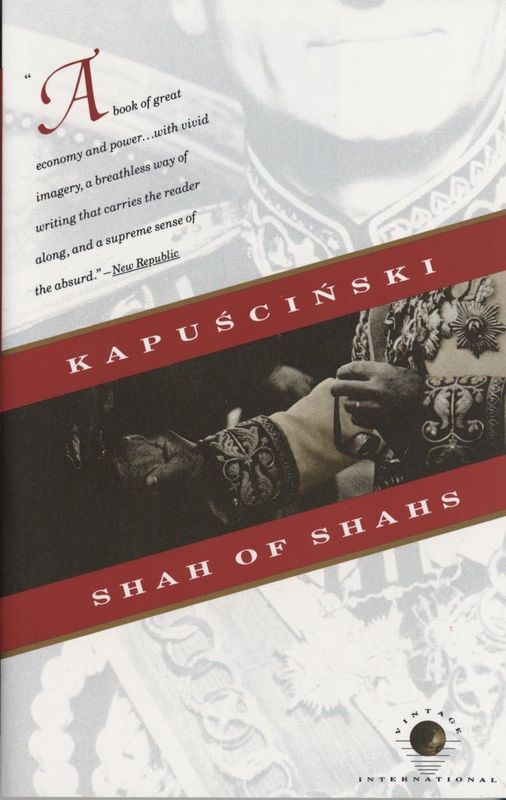
In Shah of Shahs Kapuscinski brings a mythographer's perspective and a novelist's virtuosity to bear on the overthrow of the last Shah of Iran, one of the most infamous of the United States' client-dictators, who resolved to transform his country into " a second America in a generation, " only to be toppled virtually overnight. From his vantage point at the break-up of the old regime, Kapuscinski gives us a compelling history of conspiracy, repression, fanatacism, and revolution. Translated from the Polish by William R. Brand and Katarzyna Mroczkowska-Brand.
Book Overview of Shah of Shahs
About the Book Author
Ryszard Kapuściński
Ryszard Kapuściński was a renowned Polish journalist and author, celebrated for his profound insights into global politics and culture. Born on March 4, 1932, in Pinsk, Poland, he covered significant events across Africa, Latin America, and Asia, earning a reputation for his immersive and humanistic reporting. His notable works include 'The Emperor', a critical examination of Haile Selassie's regime in Ethiopia, and 'Shah of Shahs', which offers a unique perspective on the fall of the Iranian monarchy. Kapuściński's writing style is characterized by a blend of journalism and literature, often incorporating literary techniques to convey the emotional weight of the political landscapes he explored. He received numerous awards throughout his career, solidifying his place as a key figure in modern reportage.
Book Details
Key information about the book.
- Authors
- Ryszard Kapuściński
- Published
- January 1985
- Publisher
- Houghton Mifflin Harcourt P
- ISBN
- N/A
- Language
- English
- Pages
- 168
- Genres
- Biographies of Historical FiguresHistoryPolitical HistoryPolitics and Current Affairs
Purchase Options
 Buy on Amazon
 Buy via BookShop
Support local bookstores: BookShop gives a portion of each sale to independent bookshops!
Similar books you might like →
The Lessons of History Book Summary
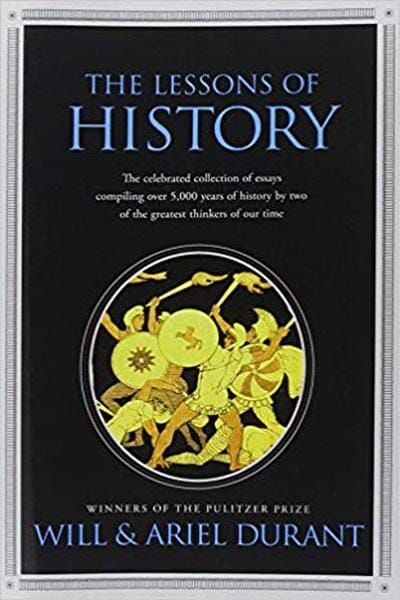
In "The Lessons of History," Will and Ariel Durant distill the sweeping narrative of human civilization into profound insights that span cultures and epochs. They explore the recurring themes of war, economics, religion, and human nature that shape our collective journey. With razor-sharp clarity, the Durants argue that the past holds invaluable lessons that can guide our present and future decisions. What patterns emerge when we closely examine the ebb and flow of societies? This thought-provoking work invites readers to reflect on the intricacies of humanity's story and consider how we might navigate the path ahead.
Conspiracy Book Summary
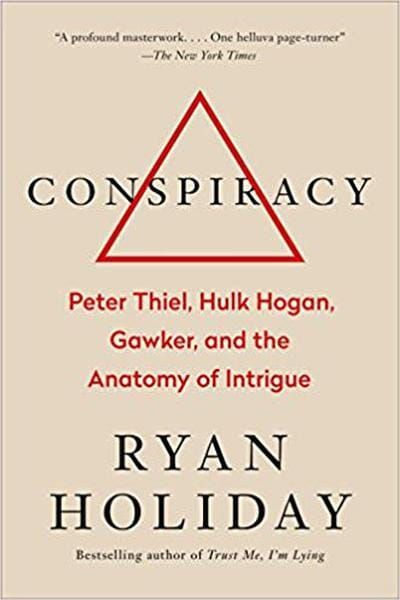
In "Conspiracy," a riveting exploration unfolds around one of the most infamous political scandals in American history. The narrative dives deep into the intricacies of power, betrayal, and the relentless pursuit of truth, following a cast of characters driven by ambition and fear. With shocking revelations and unexpected twists, the author challenges readers to question what they think they know about truth and deception. As allegiances shift and secrets are laid bare, the story reflects on the fine line between justice and vengeance. Prepare for a thought-provoking journey that will leave you pondering the shadows lurking behind every conspiracy.
Voices of a People's History of the United States, 10th Anniversary Edition Book Summary
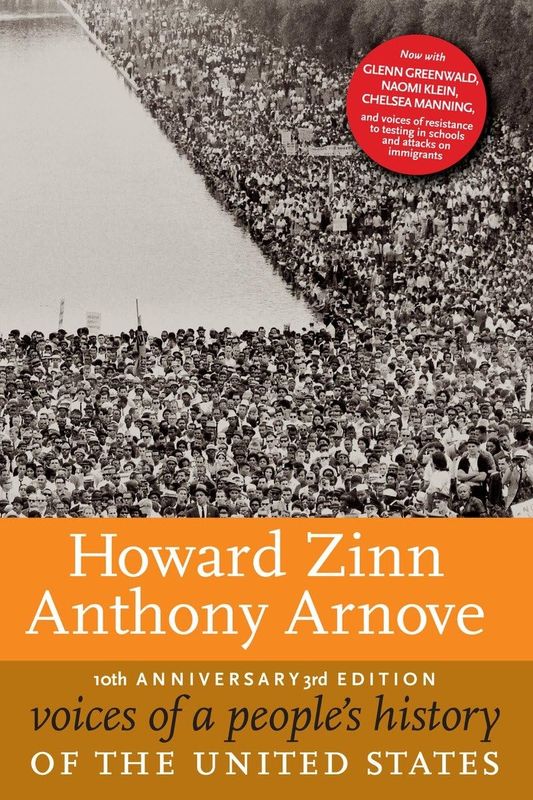
In 'Voices of a People's History of the United States,' Howard Zinn and Anthony Arnove present a powerful anthology that amplifies the voices often silenced in mainstream narratives. This 10th Anniversary Edition delves into the stories of marginalized communities, offering a profound insight into the struggles and triumphs of the American populace. Featuring riveting accounts from laborers, activists, and everyday citizens, the book challenges conventional historical perspectives. Each narrative serves as a reminder of the resilience of the human spirit and the continuous fight for justice. Discover the untold stories that shape the fabric of America and provoke thought about the narratives we accept.
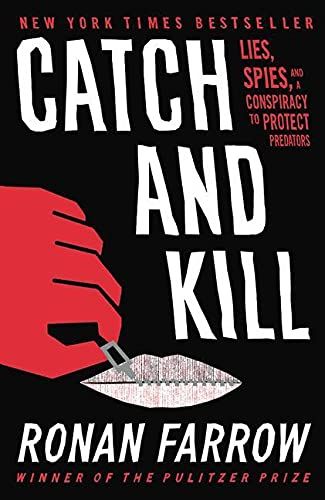
Catch and Kill Book Summary
In 'Catch and Kill', investigative journalist Ronan Farrow uncovers the harrowing truth behind allegations of sexual assault against powerful figures in Hollywood. As he delves deeper, he faces a complex web of intimidation and cover-ups that threaten his career and safety. This gripping narrative exposes the lengths to which some will go to silence survivors and protect the status quo. Farrow's relentless pursuit of the truth not only reveals shocking secrets but also highlights the systemic issues within media and culture. A riveting must-read that challenges readers to confront uncomfortable realities.
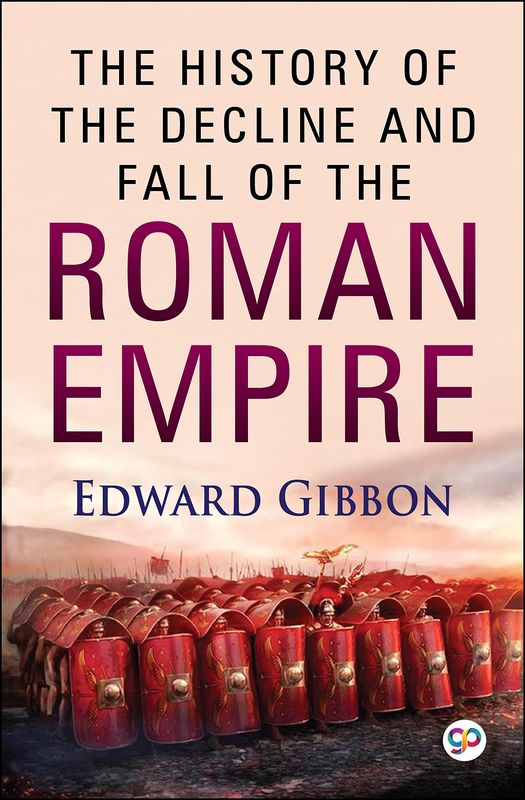
The History of the Decline & Fall of the Roman Empire Book Summary
In 'The History of the Decline & Fall of the Roman Empire,' Edward Gibbon meticulously chronicles the mighty empire's descent into chaos and obscurity. With eloquent prose, Gibbon unveils the interplay of political intrigue, moral decay, and military defeats that eroded Rome's power. His analysis does not merely recount events but delves into the philosophical implications of decline and the lessons for future societies. As empires rise and fall, engage with the timeless questions Gibbon poses about civilization itself. Dive into this monumental work to understand how history shapes our present and future.
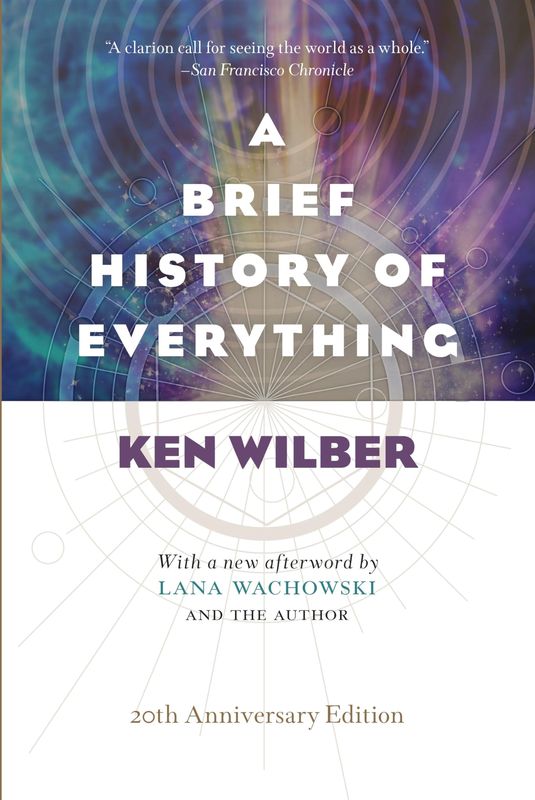
A Brief History of Everything (20th Anniversary Edition) Book Summary
In 'A Brief History of Everything', Ken Wilber takes readers on an enlightening journey through the evolution of consciousness and the unfolding of human history. He skillfully weaves together insights from philosophy, science, and spirituality, offering a holistic perspective on our existence. Discover how various cultural paradigms intersect and influence our understanding of reality. This thought-provoking exploration challenges conventional views and invites readers to contemplate their place in the cosmos. What if the key to our future lies in understanding the past in a radically new way?
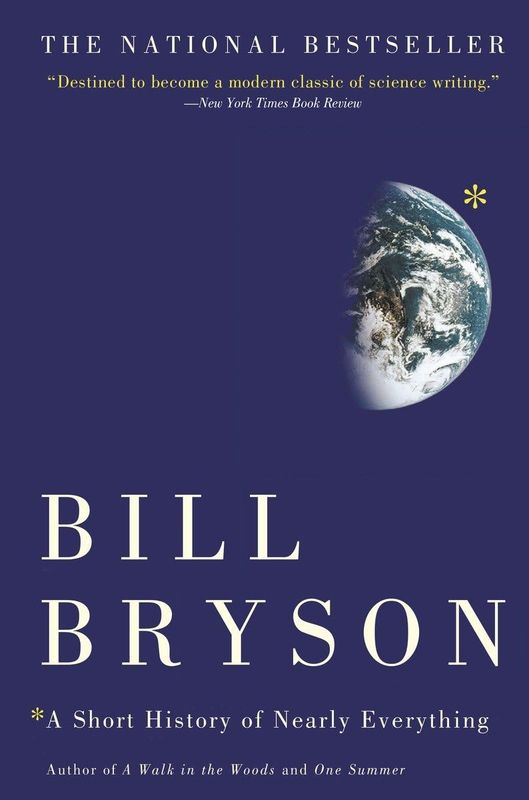
A Short History of Nearly Everything Book Summary
In 'A Short History of Nearly Everything,' Bill Bryson embarks on a whimsical journey through the annals of science, unraveling the mysteries of the universe and humankind's place within it. With wit and humor, he demystifies complex concepts, from the Big Bang to atoms, making them accessible to the layperson. Bryson introduces us to eccentric scientists and their groundbreaking discoveries, igniting a sense of wonder about the world we inhabit. This book is not merely a history; it's a celebration of curiosity, sparking an appreciation for the intricacies of life and the universe. Prepare to be entertained and enlightened as you explore the 'why' and 'how' behind nearly everything.
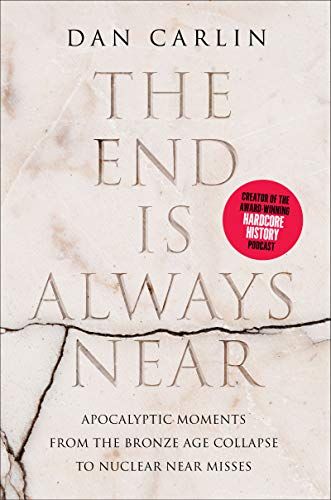
Hardcore History Book Summary
In 'Hardcore History', Dan Carlin takes listeners on an epic auditory journey through the annals of human conflict, exploring the profound impact of war on civilization. His vivid storytelling and deep analysis breathe life into historical events, making even the most distant eras feel immediate and relevant. With a unique blend of passion and intellect, Carlin challenges conventional narratives, urging us to question what we think we know about our past. Each episode transforms history into a gripping tale of human drama, complete with the moral dilemmas faced by our ancestors. Prepare to rethink history as you uncover the haunting truths hidden in the echoes of time.
Showing 8 of 29 similar books
Take your reading experience to the next level
Download our mobile app to enjoy your favorite books on the go. Get access to exclusive features, offline listening, and personalized recommendations.

Similar Book Recommendations →

Chelsea Handler's Book Recommendations
Chelsea Handler is an American comedian, actress, author, and talk show host, best known for her late-night talk show Chelsea Lately on E!. Handler's bold, unapologetic humor and outspoken views on politics, gender, and social issues have made her a prominent figure in comedy and media. In addition to her TV career, she has written several best-selling books, including Are You There, Vodka? It’s Me, Chelsea, and has been a strong advocate for political activism and mental health awareness. Handler continues to be a leading voice in entertainment and social commentary, using her platform to challenge norms and promote change.

John Doerr's Book Recommendations
John Doerr is an American venture capitalist and chairman of Kleiner Perkins, one of the most prominent venture capital firms in Silicon Valley. Doerr has backed some of the biggest names in tech, including Google, Amazon, and Netscape, and has played a crucial role in the rise of the internet economy. He is also the author of Measure What Matters, which popularized the concept of Objectives and Key Results (OKRs) as a method for goal-setting in organizations. Doerr is a passionate advocate for addressing climate change and has invested in clean energy startups to help combat global warming. His contributions to tech and sustainability have made him a leading figure in venture capital.

Judd Apatow's Book Recommendations
Judd Apatow is an American filmmaker, producer, and comedian, known for his influential work in comedy through films and television. Apatow got his start as a stand-up comedian before moving into film and TV production, where he created a unique brand of comedy that blends humor with heartfelt, often poignant storytelling. He is best known for directing and producing hit films like The 40-Year-Old Virgin, Knocked Up, and Trainwreck, as well as for his role in producing popular television shows like Freaks and Geeks and Girls. Apatow’s work often features relatable characters dealing with personal and emotional challenges, and his films have launched the careers of many prominent actors and comedians, including Seth Rogen, Steve Carell, and Amy Schumer. In addition to his work in comedy, Apatow is an outspoken advocate for mental health awareness, often discussing his own struggles with anxiety. His impact on modern comedy has been profound, influencing a generation of filmmakers and comedians.

Marc Andreessen's Book Recommendations
Marc Andreessen is an American entrepreneur, software engineer, and venture capitalist, best known for co-creating the Mosaic web browser, the first widely-used web browser, and co-founding Netscape. Andreessen is also the co-founder of Andreessen Horowitz, one of Silicon Valley’s most prominent venture capital firms, where he invests in groundbreaking technology companies like Facebook, Airbnb, and Coinbase. He is a thought leader on the impact of technology and innovation, often sharing his views on the future of the internet and startups. His contributions to the development of the web and the tech ecosystem have made him one of the most influential figures in technology.

Alex Honnold's Book Recommendations
Alex Honnold is an American professional rock climber, best known for his free solo ascent of El Capitan in Yosemite National Park, a feat that was documented in the Oscar-winning film Free Solo. Honnold is renowned for his mental toughness, technical skill, and ability to climb without ropes or safety equipment. His accomplishments have made him a legend in the climbing world, and he continues to push the boundaries of the sport. Outside of climbing, Honnold is a philanthropist, founding the Honnold Foundation, which supports environmental sustainability projects, particularly in solar energy.

Barack Obama's Book Recommendations
Barack Obama is the 44th President of the United States, serving from 2009 to 2017. As the first African American president, Obama’s leadership marked a historic moment in American history. His administration focused on healthcare reform, economic recovery from the Great Recession, and environmental policies. He is best known for the Affordable Care Act, as well as his efforts to expand civil rights and restore diplomatic relations with Cuba. Since leaving office, Obama has continued to engage in public life through his foundation, focusing on leadership development, civic engagement, and global issues.

Jon Stewart's Book Recommendations
Jon Stewart is an American comedian, writer, and former host of The Daily Show, where he gained fame for his satirical take on news and politics. Stewart transformed The Daily Show into a critical voice in American media, blending humor with hard-hitting commentary on political and social issues. After stepping down from the show, Stewart has continued to advocate for causes like 9/11 first responders and veterans' rights. He is also a filmmaker, directing the political satire film Irresistible. Stewart remains a significant figure in American culture, known for his wit, activism, and influence on political discourse.

Jocko Willink's Book Recommendations
Jocko Willink is a retired Navy SEAL officer, renowned for his leadership during the Battle of Ramadi in the Iraq War, which earned him the Silver Star and Bronze Star. Transitioning from military service, he co-authored the best-selling book "Extreme Ownership: How U.S. Navy SEALs Lead and Win" with fellow SEAL Leif Babin, which has become a cornerstone in leadership and management literature. Willink has also written the "Way of the Warrior Kid" series, aimed at empowering young readers with principles of discipline and resilience. Additionally, he hosts the popular "Jocko Podcast," where he discusses leadership, discipline, and personal development. Willink's influence extends beyond literature through his Echelon Front leadership consultancy, helping organizations implement effective leadership strategies.
Showing 8 of 22 related collections
Frequently Asked Questions
Explore Our Catalogue
Discover a world of knowledge through our extensive collection of book summaries.
Genres
Genres
Genres
Featured Collections
- Top Book Club Picks
- One-Stop Nutrition
- Summer Reads 2024
- Best Beach Reads 2024
- Work-Life Balance Guide
- Time Management
- Healthy Foods
- Entrepreneur Toolkit
- Mind & Body Wellness
- Future Tech Insights
- Leadership Essentials
- Financial Freedom
- Sci-Fi Masterpieces
- Parenting 101
- Books That Became Blockbusters
- Guide to a Healthy Pregnancy