The Better Angels of Our Nature Book Summary
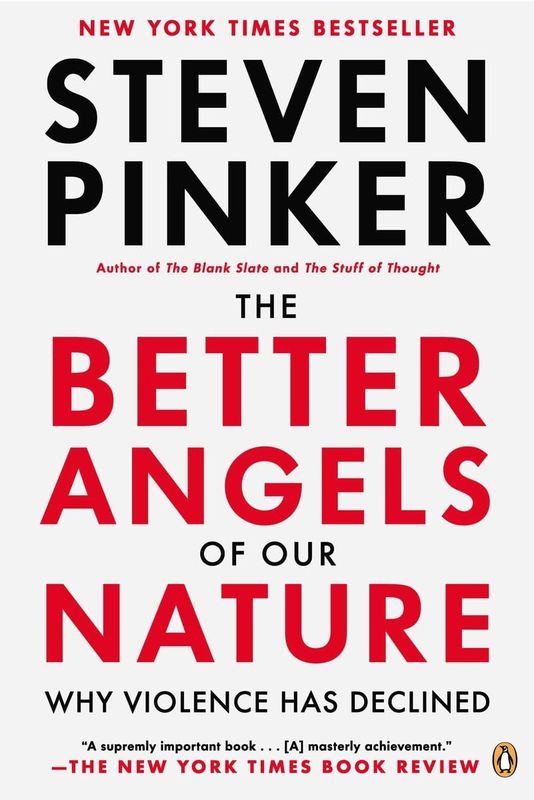
In 'The Better Angels of Our Nature', Steven Pinker explores the decline of violence throughout human history, revealing an unexpected trend towards peace. He argues that, contrary to popular belief, we are living in one of the most peaceful eras in our existence, with statistical evidence to back his claims. Pinker delves into the psychological and societal forces that have led humanity to embrace empathy and cooperation over brutality. This thought-provoking narrative challenges readers to reconsider their views on human nature and progress. Are we truly becoming more civilized, or is this just a temporary lull in our violent tendencies?
By Steven Pinker
Published: 2012
"Violence is and has been a great part of our history, but as we learn to reason, empathize, and cooperate, we have the power to choose a better path."

Start Listening to Book Summary
Book Review of The Better Angels of Our Nature
Faced with the ceaseless stream of news about war, crime, and terrorism, one could easily think this is the most violent age ever seen. Yet as bestselling author Pinker shows in this startling and engaging new work, just the opposite is true.
Book Overview of The Better Angels of Our Nature
About the Book Author
Steven Pinker
Steven Pinker is a renowned cognitive psychologist, linguist, and popular science author, known for his engaging writing style that combines empirical research with clear, accessible language. He is the Johnstone Family Professor of Psychology at Harvard University. Pinker has authored several influential books, including 'The Language Instinct', 'How the Mind Works', 'The Blank Slate', 'The Better Angels of Our Nature', and 'Enlightenment Now'. His works often explore the intersections of language, mind, and human nature, championing reason and scientific understanding as the path to progress.
Book Details
Key information about the book.
- Authors
- Steven Pinker
- Published
- September 2012
- Publisher
- Penguin Books
- ISBN
- 0143122010
- Language
- English
- Pages
- 834
- Genres
- PhilosophyHistorySocial PsychologyCultural History
Purchase Options
 Buy on Amazon
 Buy via BookShop
Support local bookstores: BookShop gives a portion of each sale to independent bookshops!
Similar books you might like →
Sapiens Book Summary
In "Sapiens: A Brief History of Humankind," Yuval Noah Harari takes readers on an exhilarating journey through the evolution of our species, from the dawn of Homo sapiens to the complexities of the modern world. He explores pivotal moments like the Cognitive Revolution that sparked human imagination, the Agricultural Revolution that reshaped societies, and the Scientific Revolution that propelled unprecedented advances. As Harari delves into the interplay of biology, culture, and history, he challenges our understanding of what it means to be human. This thought-provoking narrative raises crucial questions about our future in an age dominated by technology and artificial intelligence. Prepare to rethink humanity’s past and speculate about its fate—are we the architects of our destiny?

A Brief History of Time Book Summary
In "A Brief History of Time," Stephen Hawking takes readers on a captivating journey through the cosmos, exploring the nature of time, black holes, and the universe's beginnings. With stunning clarity, he unravels complex scientific concepts, inviting everyone—from curious laypersons to seasoned physicists—to ponder the mysteries of existence. Hawking's charismatic storytelling challenges our perceptions of reality and time itself, posing profound questions about the universe's fate. As he merges science with philosophy, the reader is compelled to reflect on their place in a vast, enigmatic cosmos. Prepare to be inspired and awed by a narrative that transcends mere facts, pushing the boundaries of human understanding.
The Road Book Summary
In a bleak, post-apocalyptic world, a father and his young son navigate a barren landscape filled with danger and despair. As they struggle to survive against the harsh elements and lurking threats, their bond is tested, and the father clings to hope. The boy embodies innocence and a longing for the remnants of civilization, while the father wrestles with the darkness of their reality. This haunting tale explores the themes of love, survival, and morality in the face of overwhelming adversity. Will they reach their destination or succumb to the desolation that surrounds them?
Relentless Book Summary
In 'Relentless', Tim S. Grover unveils the mindset that drives the world’s most elite athletes to succeed against all odds. Through gripping anecdotes and powerful insights, Grover exposes the relentless pursuit of greatness that separates the 'coolers' from the 'cleaners.' He challenges readers to embrace discomfort and push beyond their limits in the quest for excellence. With no room for mediocrity, this book is a provocative call to action for anyone looking to elevate their performance and mindset. Are you ready to unleash your inner cleaner and redefine what’s possible?
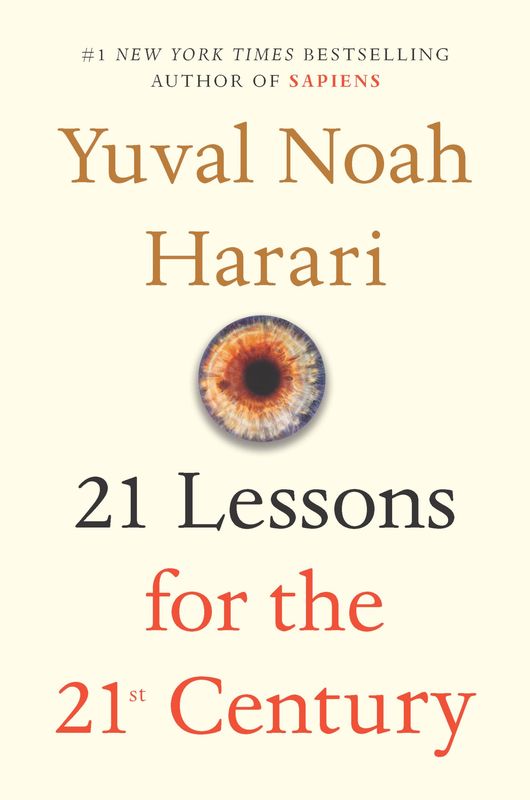
21 Lessons for the 21st Century Book Summary
In '21 Lessons for the 21st Century', Yuval Noah Harari navigates the complex landscape of today's world, tackling urgent questions about our future. From the impact of technology on society to the challenges of political stability, each lesson provokes thought and introspection. Harari explores key themes such as the rise of artificial intelligence, the significance of data, and the importance of meaning in an increasingly uncertain world. With a blend of history, philosophy, and science, the book invites readers to reflect on their roles in shaping a shared future. Will we adapt, or become obsolete? Dive in to uncover the lessons that could redefine humanity's path.
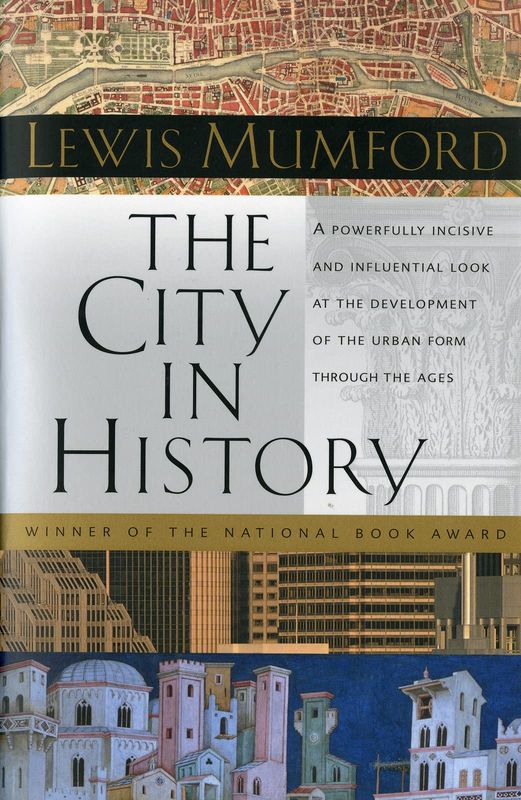
The City in History Book Summary
In 'The City in History,' Lewis Mumford explores the evolution of urban life from ancient times to the modern metropolis. He argues that cities are not just physical structures but reflections of human values and societal progress. Mumford delves into the interplay between architecture, technology, and culture, revealing how they shape the human experience. With incisive critiques and vivid historical examples, he presents a vision of the ideal city that promotes both individuality and community. This thought-provoking journey challenges readers to reconsider the role of cities in their own lives and the future of civilization.
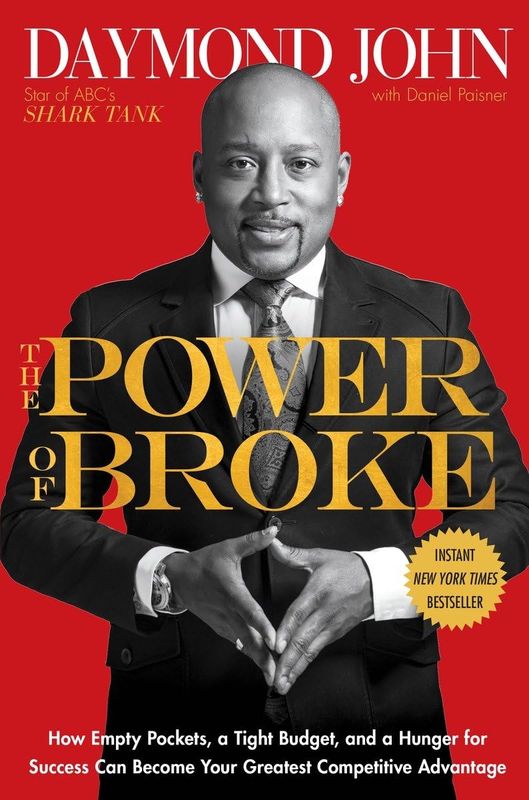
The Power of Broke Book Summary
In 'The Power of Broke,' Daymond John shares how a lack of resources can ignite creativity and entrepreneurship. He recounts his own journey from humble beginnings to becoming a successful businessman and investor. The book emphasizes that financial constraints can actually foster innovation and resilience. Set against the backdrop of personal anecdotes and inspiring stories, John motivates readers to leverage their challenges as a springboard for success. Will you harness the power of your own struggles to achieve greatness?
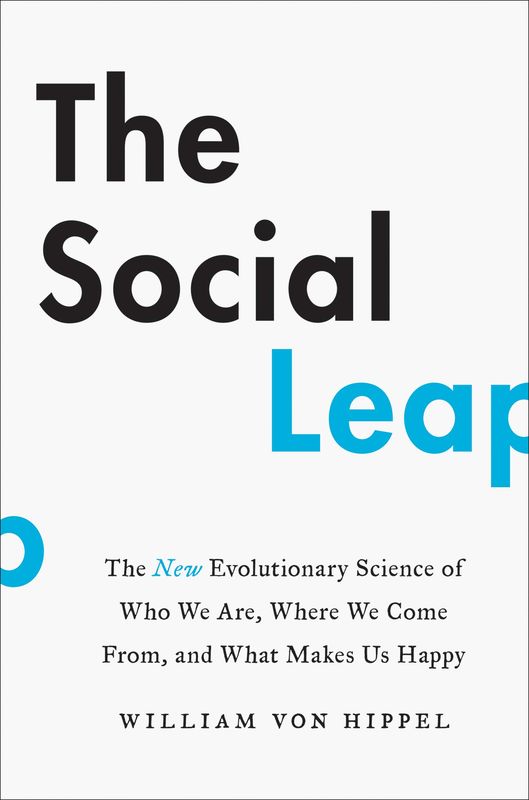
The Social Leap Book Summary
In 'The Social Leap', William von Hippel explores the evolutionary journey of humanity, revealing how our social skills shaped our survival. He illustrates how navigating complex social landscapes was pivotal in our ancestors' adaptation and success. By intertwining psychology, anthropology, and evolutionary biology, Von Hippel uncovers the secrets behind human behavior and social dynamics. The book challenges readers to rethink the significance of cooperation and competition in our daily lives. Prepare to embark on a fascinating journey that will transform your understanding of what it means to be human.
Showing 8 of 27 similar books
Take your reading experience to the next level
Download our mobile app to enjoy your favorite books on the go. Get access to exclusive features, offline listening, and personalized recommendations.

Similar Book Recommendations →

David Heinemeier Hansson's Book Recommendations
David Heinemeier Hansson, also known as DHH, is a Danish programmer, entrepreneur, and author, best known as the creator of Ruby on Rails, a popular web application framework. Heinemeier Hansson is also a partner at Basecamp, a project management and collaboration software company he co-founded. His contributions to software development have earned him widespread recognition, with Ruby on Rails being used by thousands of developers and companies worldwide. Heinemeier Hansson is also a vocal advocate for remote work, simplicity in business, and sustainable work practices, ideas he explores in his bestselling books Rework and It Doesn’t Have to Be Crazy at Work. In addition to his work in tech, he is an accomplished race car driver, having competed in the 24 Hours of Le Mans. Heinemeier Hansson’s approach to work-life balance and entrepreneurship has made him a thought leader in the tech community, where he continues to challenge traditional business practices and advocate for more human-centered approaches to work

Julian Shapiro's Book Recommendations
Julian Shapiro is a renowned writer and entrepreneur, acclaimed for his insightful essays on personal growth and marketing strategies. He is the author of "The Julian Shapiro Collection," a compilation of his most impactful writings that have garnered a wide readership online. Shapiro co-founded the growth marketing agency Bell Curve, where he has helped numerous startups achieve exponential growth. His work often blends practical advice with deep philosophical inquiries, making complex subjects accessible to a broad audience. Through his prolific writing and entrepreneurial ventures, Julian has become a key figure in the intersection of business and self-improvement literature.

Naval Ravikant's Book Recommendations
Naval Ravikant is an entrepreneur, angel investor, and philosopher, best known as the co-founder of AngelList, a platform that connects startups with investors. Ravikant is a prolific thinker and writer on topics such as startups, investing, and personal well-being, sharing his wisdom through essays, podcasts, and social media. He has invested in over 100 companies, including Uber, Twitter, and Yammer, making him one of Silicon Valley’s most successful angel investors. Ravikant is also known for his philosophical musings on wealth, happiness, and the meaning of life, which have garnered him a large and dedicated following.

Bret Victor's Book Recommendations
Bret Victor is a renowned American interface designer and computer scientist celebrated for his innovative contributions to interactive design and human-computer interaction. He is best known for creating dynamic, explorable explanations, which have significantly influenced the way educational content is presented and understood. Victor's seminal work, "Inventing on Principle," advocates for the integration of immediate feedback in creative processes, inspiring a new wave of interactive programming environments. As a former member of the Apple Human Interface team, he played a pivotal role in shaping modern user interfaces. Through his organization, Dynamicland, Victor continues to explore and expand the boundaries of immersive, collaborative computing environments.

Janet Mock's Book Recommendations
Janet Mock is an acclaimed writer, director, and transgender rights activist known for her groundbreaking memoir, "Redefining Realness," which became a New York Times bestseller. She followed this with "Surpassing Certainty," further cementing her voice in contemporary literature. Mock's work has not only highlighted her own journey but also brought vital visibility to the transgender community. In addition to her literary achievements, she has made significant contributions to television, notably as a writer, director, and producer for the series "Pose." Through her multifaceted career, Mock has become a powerful advocate for LGBTQ+ rights and an influential figure in modern storytelling.

Charlie Munger's Book Recommendations
Charlie Munger is an American investor, businessman, and philanthropist, best known as the vice chairman of Berkshire Hathaway, where he partners with Warren Buffett. Renowned for his insights on investment strategies and mental models, Munger has significantly influenced the world of finance. His notable literary contributions include "Poor Charlie's Almanack," a compilation of his speeches and writings that distill his wisdom on decision-making and business principles. Munger's work emphasizes the importance of multidisciplinary thinking and continuous learning. Beyond his financial acumen, he is celebrated for his charitable efforts, particularly in education and healthcare.

Ray Dalio's Book Recommendations
Ray Dalio is the founder of Bridgewater Associates, one of the largest and most successful hedge funds in the world. He is also the author of the bestselling book Principles, where he outlines his philosophy on life, leadership, and investing. Ray is renowned for his unique approach to transparency, radical truth, and thoughtful disagreement within organizations. His insights into economics and investing have made him one of the most influential figures in the financial world. Dalio continues to be a thought leader in business, economics, and philanthropy.

Ben Shapiro's Book Recommendations
Ben Shapiro is an American conservative political commentator, author, and lawyer, known for his sharp analytical skills and outspoken views. He graduated from UCLA at the age of 20 and Harvard Law School at 23, demonstrating his early intellectual prowess. Shapiro is the author of several best-selling books including "Bullies: How the Left's Culture of Fear and Intimidation Silences Americans" and "The Right Side of History: How Reason and Moral Purpose Made the West Great." He is the co-founder and editor emeritus of The Daily Wire, a popular conservative news and opinion website. Through his writing and media presence, Shapiro has significantly influenced contemporary political discourse in the United States.
Showing 8 of 21 related collections
“Violence is and has been a great part of our history, but as we learn to reason, empathize, and cooperate, we have the power to choose a better path.”
The Better Angels of Our Nature
By Steven Pinker
Frequently Asked Questions
Explore Our Catalogue
Discover a world of knowledge through our extensive collection of book summaries.
Genres
Genres
Genres
Featured Collections
- Top Book Club Picks
- One-Stop Nutrition
- Summer Reads 2024
- Best Beach Reads 2024
- Work-Life Balance Guide
- Time Management
- Healthy Foods
- Entrepreneur Toolkit
- Mind & Body Wellness
- Future Tech Insights
- Leadership Essentials
- Financial Freedom
- Sci-Fi Masterpieces
- Parenting 101
- Books That Became Blockbusters
- Guide to a Healthy Pregnancy