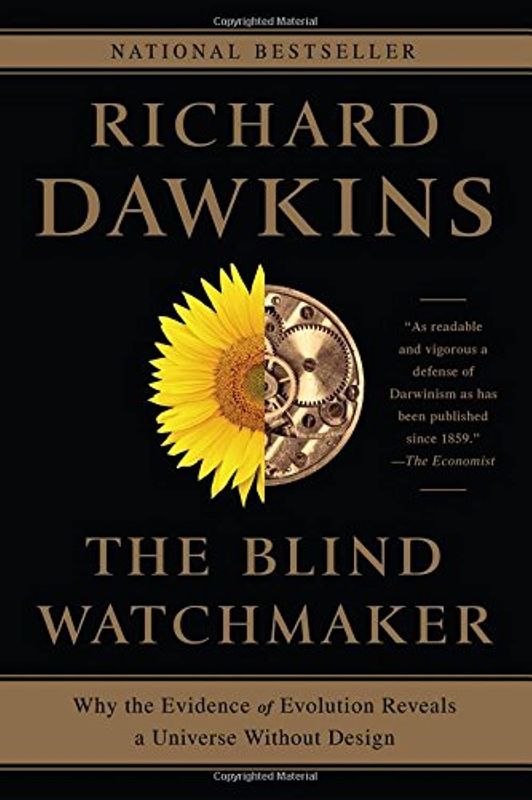
The Blind Watchmaker Book Summary
In 'The Blind Watchmaker', Richard Dawkins challenges the notion of intelligent design by exploring the mechanisms of evolution through natural selection. He uses the metaphor of a watchmaker to illustrate how complex life can arise from simple processes without a guiding hand. With vivid examples and thought-provoking insights, Dawkins reveals the beauty of adaptation and the intricate workings of life. The book invites readers to ponder the origins of life and the power of chance in shaping the natural world. Prepare to have your beliefs tested and your understanding of biology deepened in this fascinating journey through evolution.
By Richard Dawkins
Published: 2015
"Evolution is not a watchmaker, but a blind watchmaker, crafting the intricate beauty of life through an unfathomable process of chance and survival."

Start Listening to Book Summary
Book Review of The Blind Watchmaker
Richard Dawkins's classic remains the definitive argument for our modern understanding of evolution.
Book Overview of The Blind Watchmaker
About the Book Author
Richard Dawkins
Richard Dawkins is a renowned evolutionary biologist and author, best known for popularizing the gene-centered view of evolution through his groundbreaking book, "The Selfish Gene," published in 1976. Born on March 26, 1941, in Nairobi, Kenya, he later moved to England, where he earned his doctorate at the University of Oxford under Nobel Prize-winning ethologist Nikolaas Tinbergen. Dawkins is a prominent advocate for atheism and secularism, eloquently articulating his views in works such as "God Delusion," which critiques religion and promotes scientific reasoning. His engaging writing style and thought-provoking ideas have made him a prominent figure in both the scientific community and public discourse. Through his lectures and public appearances, Dawkins continues to inspire curiosity and debate on the nature of life, evolution, and belief.
Book Details
Key information about the book.
- Authors
- Richard Dawkins
- Published
- January 2015
- Publisher
- W. W. Norton
- ISBN
- 0393351491
- Language
- English
- Pages
- N/A
- Genres
- Evolution and GeneticsPopular ScienceScience and Nature
Purchase Options
 Buy on Amazon
 Buy via BookShop
Support local bookstores: BookShop gives a portion of each sale to independent bookshops!
Similar books you might like →
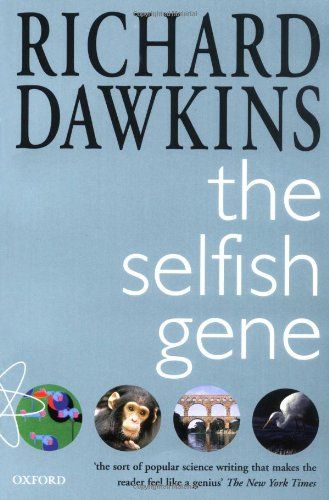
The Selfish Gene Book Summary
In Richard Dawkins' groundbreaking work, "The Selfish Gene," the concept of evolution is reimagined through the lens of genes as the primary unit of natural selection. Dawkins provocatively argues that behaviors once perceived as altruistic are often driven by genetic self-interest. The book introduces the idea of memes, exploring how cultural evolution parallels biological evolution. With vivid examples and thought-provoking insights, Dawkins challenges readers to reconsider the motivations behind their actions and the fabric of life itself. Will this lens of selfishness reshape your understanding of humanity and its place in the universe?
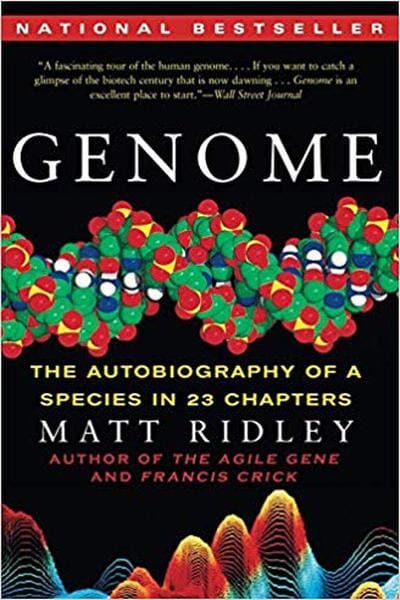
Genome Book Summary
In 'Genome', Matt Ridley takes readers on a captivating journey through the intricacies of the human genome, revealing how our genes shape our lives, personalities, and destinies. This enlightening exploration delves into the evolutionary history of our DNA, highlighting the unexpected connections between science, society, and the essence of humanity. Ridley skillfully combines storytelling with groundbreaking research, making complex genetic concepts accessible and engaging. As he exposes the potential of genetic knowledge, readers are left pondering profound questions about free will, identity, and morality. Are we merely products of our genes, or do we have the power to redefine ourselves?
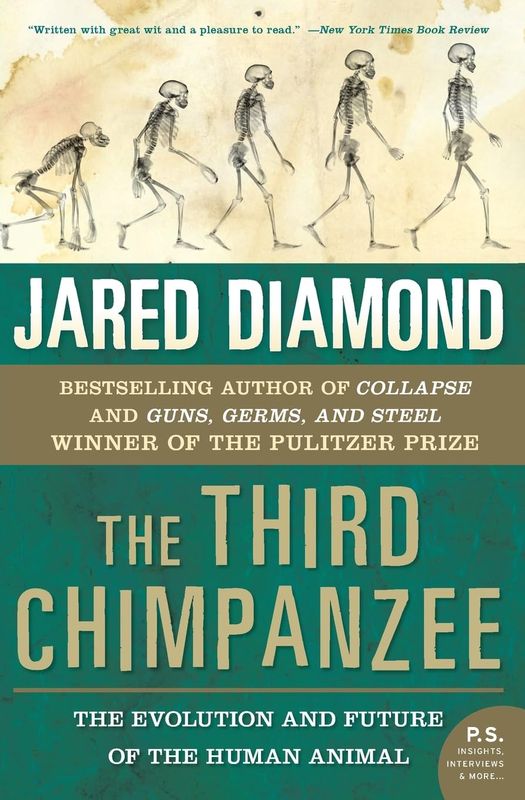
The Third Chimpanzee Book Summary
In 'The Third Chimpanzee', Jared Diamond explores the evolutionary journey that sets humans apart from our closest relatives, the chimpanzees. Through a captivating mix of biology, anthropology, and history, he uncovers the profound similarities and stark differences between species. Diamond raises provocative questions about our behaviors, societal structures, and the fate of our planet. Readers are invited to ponder whether humanity's greatest achievements are results of evolution or sheer chance. This thought-provoking narrative challenges us to reconsider what it truly means to be human.
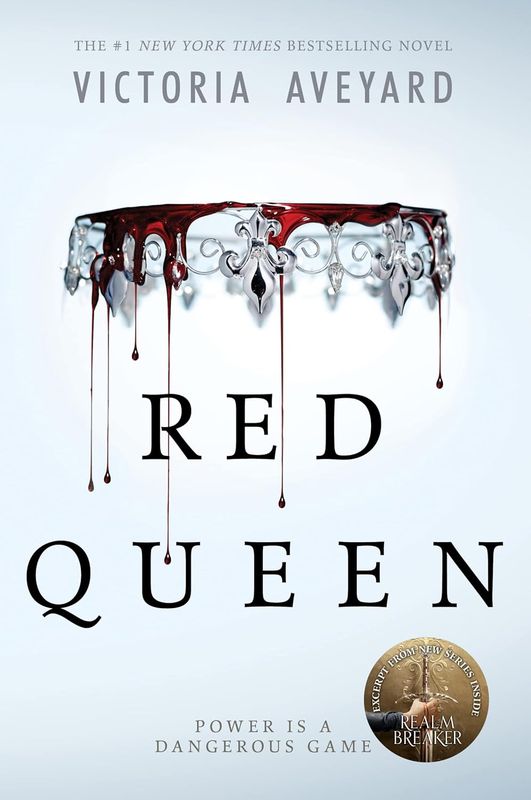
The Red Queen Book Summary
In 'The Red Queen', Matt Ridley explores the intricate mechanisms of evolution, weaving in concepts of sex, genetics, and the relentless competition for survival. He captivatingly likens evolutionary pressure to a game of musical chairs where the stakes are life and death, revealing how organisms adapt not just to their environments, but to the behaviors of others. The title references the Red Queen from Lewis Carroll's 'Through the Looking-Glass', emphasizing the idea that species must constantly evolve just to stay in the same place. Ridley's engaging narrative challenges readers to reconsider the role of sex and reproduction in natural selection. Prepare to be intrigued by how competition shapes the very fabric of life itself.
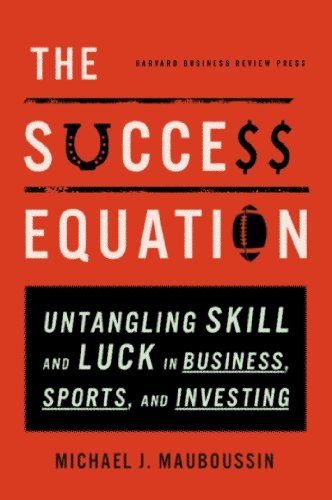
The Success Equation Book Summary
In 'The Success Equation', Michael J. Mauboussin explores the intricate interplay between skill and luck in achieving success. He dismantles the myth of pure meritocracy, illustrating how randomness can shape outcomes in unexpected ways. Through engaging anecdotes and thought-provoking analysis, Mauboussin reveals insights on decision-making that challenge conventional wisdom. Readers will discover how to identify and cultivate true talent while understanding the limits of their control. This book invites you to rethink what it means to succeed—are you ready to redefine your own path?

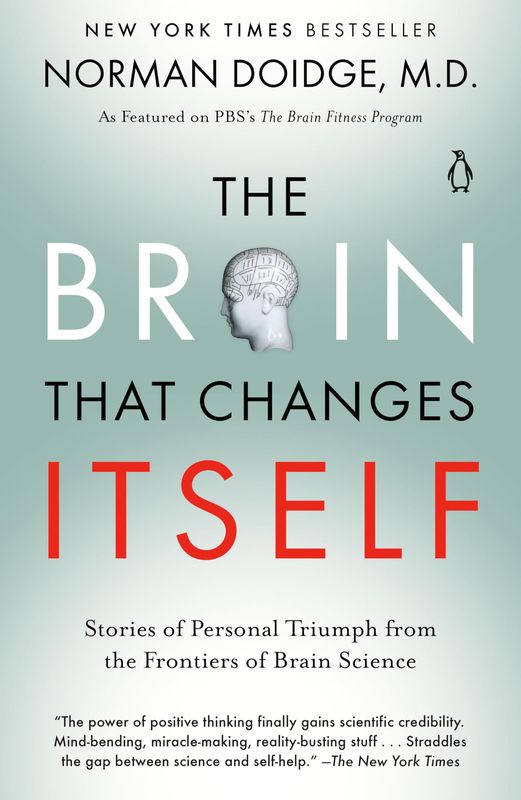
The Brain That Changes Itself Book Summary
In 'The Brain That Changes Itself', Norman Doidge explores the groundbreaking concept of neuroplasticity, revealing that our brains are not fixed and can reorganize themselves throughout our lives. Through engaging case studies, he showcases individuals who have overcome neurological limitations, from stroke survivors reclaiming lost abilities to those breaking free from lifelong phobias. This book challenges conventional wisdom about the human brain, offering hope and inspiration for anyone seeking change. Doidge's compelling narrative merges science with personal stories, creating a tapestry of resilience and possibility. Discover how you can unlock the hidden potential within your own mind!

Children with Enemies Book Summary
In 'Children with Enemies', Stuart Dischell navigates the complex emotional landscape of family and conflict. The narrative explores the haunting impact of estrangement and the longing for connection amidst turmoil. Each character wrestles with their past and present, revealing deep-seated fears and desires. Dischell's lyrical prose invites readers to reflect on the nature of love, loss, and the ties that bind us, even in adversarial relationships. Can our bonds survive when enemies surround us, or are they destined to unravel?
Showing 8 of 28 similar books
Take your reading experience to the next level
Download our mobile app to enjoy your favorite books on the go. Get access to exclusive features, offline listening, and personalized recommendations.

Similar Book Recommendations →

Michael Pollan's Book Recommendations
Michael Pollan is a renowned American author and journalist, celebrated for his insightful explorations of food, agriculture, and human culture. His groundbreaking book, "The Omnivore's Dilemma," published in 2006, critically examines the complexities of the modern food industry and has become a seminal work in food studies. Pollan's engaging narrative style and thorough research have earned him a place on The New York Times Best Seller list multiple times. In addition to his literary contributions, he is also a professor of journalism at the University of California, Berkeley. Pollan's work continues to influence public discourse on sustainable eating and the ethical implications of food choices.

Brian Cox's Book Recommendations
Brian Cox is a Scottish actor and director, best known for his roles in films like Braveheart and Adaptation, as well as for his portrayal of media mogul Logan Roy in the hit HBO series Succession. Cox is renowned for his commanding screen presence and his ability to convey complex, often morally ambiguous characters. He has had a distinguished career in both film and theater, earning numerous awards, including a Golden Globe for his performance in Succession. In addition to his acting work, Cox is a vocal advocate for arts education and has been involved in various charitable initiatives. His longevity and versatility have made him a respected and influential figure in the entertainment industry.
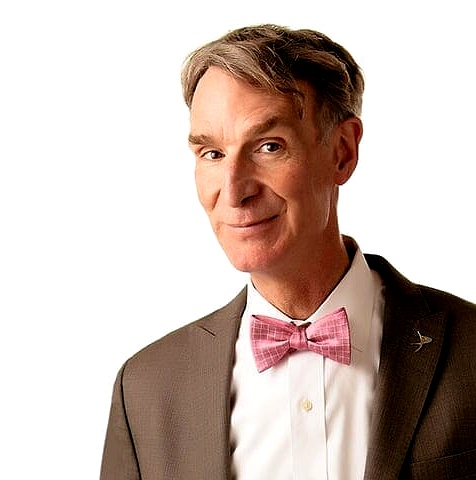
Bill Nye's Book Recommendations
Bill Nye, also known as "Bill Nye the Science Guy," is an American science communicator, mechanical engineer, and television presenter. He rose to fame as the host of the popular children’s science show Bill Nye the Science Guy, which educated a generation of young viewers on scientific concepts in an accessible and entertaining way. Nye is a passionate advocate for science education and environmental causes, particularly in the fight against climate change. He has continued his mission to make science accessible through various media, including books, public speaking, and a Netflix series titled Bill Nye Saves the World. Nye frequently appears as a guest on talk shows and news programs to discuss science-related topics and the importance of evidence-based policies. In addition to his television work, Nye is also the CEO of The Planetary Society, a nonprofit organization that promotes space exploration. His contributions to science communication have earned him widespread recognition and numerous awards.

Chris Anderson's Book Recommendations
Chris Anderson is a British-American entrepreneur, journalist, and the curator of the TED Conference, where he has helped popularize the “TED Talk” format. Anderson has transformed TED into a global platform for sharing ideas, making knowledge accessible to millions of people worldwide through short, impactful presentations. He is also the author of TED Talks: The Official Guide to Public Speaking, where he offers insights into how to communicate ideas effectively. Anderson’s work has had a profound impact on the way people consume and share knowledge, and he continues to champion the power of storytelling and public speaking.

Jordan Peterson's Book Recommendations
Jordan Peterson is a Canadian psychologist, author, and professor, best known for his work on psychology, political philosophy, and cultural criticism. His book 12 Rules for Life: An Antidote to Chaos became a global bestseller, offering advice on personal responsibility, order, and meaning in life. Peterson’s lectures, which cover topics like mythology, religion, and self-improvement, have garnered millions of views online, making him a polarizing figure in both academic and popular circles. He is known for his critiques of political correctness and his emphasis on individual responsibility. Peterson’s influence has sparked widespread debate about free speech, identity politics, and mental health.

Christopher Hitchens's Book Recommendations
Christopher Hitchens (1949-2011) was a prolific British-American author, journalist, and literary critic known for his sharp wit and unapologetic criticism of religion and political figures. He penned numerous books, including the best-selling "God Is Not Great: How Religion Poisons Everything," which cemented his reputation as a leading public intellectual and outspoken atheist. Hitchens contributed regularly to prominent publications such as Vanity Fair, The Nation, and The Atlantic, showcasing his wide-ranging knowledge and incisive commentary. He was also lauded for his powerful oratory skills, engaging in countless debates and lectures worldwide. His memoir, "Hitch-22," offers an introspective look into his life, further solidifying his legacy as a formidable voice in contemporary literature and thought.
Brian Greene's Book Recommendations
Brian Greene is an American theoretical physicist and author, best known for his work on string theory and popularizing science through his books and media appearances. Greene’s books, including The Elegant Universe and The Fabric of the Cosmos, have helped bring complex concepts in physics to a general audience. He is also the co-founder of the World Science Festival, which promotes public engagement with scientific topics. Greene’s research and ability to communicate scientific ideas have made him one of the most influential figures in theoretical physics. His work continues to inspire curiosity about the universe and our understanding of it.

Mark Zuckerberg's Book Recommendations
Mark Zuckerberg is an American technology entrepreneur best known for co-founding Facebook, the world's largest social media platform, which transformed global communication. Born on May 14, 1984, in White Plains, New York, he launched Facebook in 2004 while attending Harvard University. Under his leadership, Facebook expanded rapidly, influencing the social media landscape and digital advertising. Zuckerberg has also authored numerous articles and essays on technology, innovation, and the future of the internet. His work has had a profound impact on how people connect and share information in the digital age.
Showing 8 of 10 related collections
“Evolution is not a watchmaker, but a blind watchmaker, crafting the intricate beauty of life through an unfathomable process of chance and survival.”
The Blind Watchmaker
By Richard Dawkins
Frequently Asked Questions
Explore Our Catalogue
Discover a world of knowledge through our extensive collection of book summaries.
Genres
Genres
Genres
Featured Collections
- Top Book Club Picks
- One-Stop Nutrition
- Summer Reads 2024
- Best Beach Reads 2024
- Work-Life Balance Guide
- Time Management
- Healthy Foods
- Entrepreneur Toolkit
- Mind & Body Wellness
- Future Tech Insights
- Leadership Essentials
- Financial Freedom
- Sci-Fi Masterpieces
- Parenting 101
- Books That Became Blockbusters
- Guide to a Healthy Pregnancy