The Chip Book Summary
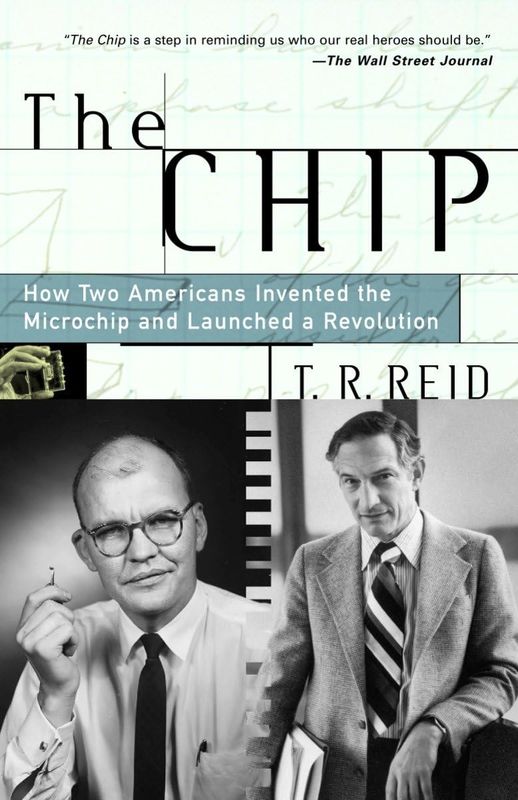
In 'The Chip', T.R. Reid delves into the fascinating world of microchips, exploring their profound impact on modern life. From the invention of the transistor to the rise of Silicon Valley, Reid unfolds a narrative filled with innovation and intrigue. He raises thought-provoking questions about technology's role in society, revealing both the benefits and the hidden costs. As the story unfolds, the reader is taken on a journey that challenges perceptions of progress in the digital age. What does the future hold for humanity amidst the rapid advancement of technology?
By T.R. Reid
Published: 2001
"In an age where technology connects and divides us, the real challenge lies not in the advancements we create, but in how we choose to understand and embrace our shared humanity."

Start Listening to Book Summary
Book Review of The Chip
Barely fifty years ago a computer was a gargantuan, vastly expensive thing that only a handful of scientists had ever seen. The world’s brightest engineers were stymied in their quest to make these machines small and affordable until the solution finally came from two ingenious young Americans. Jack Kilby and Robert Noyce hit upon the stunning discovery that would make possible the silicon microchip, a work that would ultimately earn Kilby the Nobel Prize for physics in 2000. In this completely revised and updated edition of The Chip, T.R. Reid tells the gripping adventure story of their invention and of its growth into a global information industry. This is the story of how the digital age began.
Book Overview of The Chip
About the Book Author
T.R. Reid
T.R. Reid is an esteemed author and journalist known for his in-depth analyses of healthcare systems and international culture. With a career spanning several decades, he has authored notable works including "The Healing of America," which explores the intricacies of healthcare models around the world, and "A Fine Balance," a narrative that intricately weaves stories from various societies. Reid's writing style combines meticulous research with engaging storytelling, making complex subjects accessible and relatable to a broad audience. His work has been featured in major publications such as The Washington Post and The New York Times, further establishing him as a prominent voice in contemporary non-fiction.
Book Details
Key information about the book.
- Authors
- T.R. Reid
- Published
- October 2001
- Publisher
- Random House Trade Paperbacks
- ISBN
- 0375758283
- Language
- English
- Pages
- 322
- Genres
- Business and EconomicsTechnologyEmerging Technologies
Purchase Options
 Buy on Amazon
 Buy via BookShop
Support local bookstores: BookShop gives a portion of each sale to independent bookshops!
Similar books you might like →
How Google Works Book Summary
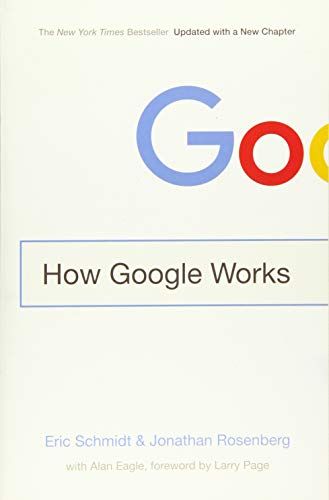
In "How Google Works", Eric Schmidt and Jonathan Rosenberg unveil the inner workings of one of the world's most innovative companies. Delving into the intersection of technology, business strategy, and culture, they explore how flexibility and creativity fuel Google's success. The authors share insider anecdotes and pivotal lessons about fostering collaboration and embracing change in a fast-paced digital landscape. You’ll discover the vital role data plays in decision-making and how to cultivate a "smart creatives" mindset. Prepare to be inspired by the blueprint of a company that has revolutionized not just the tech industry, but the very way we navigate information itself.
Makers Book Summary
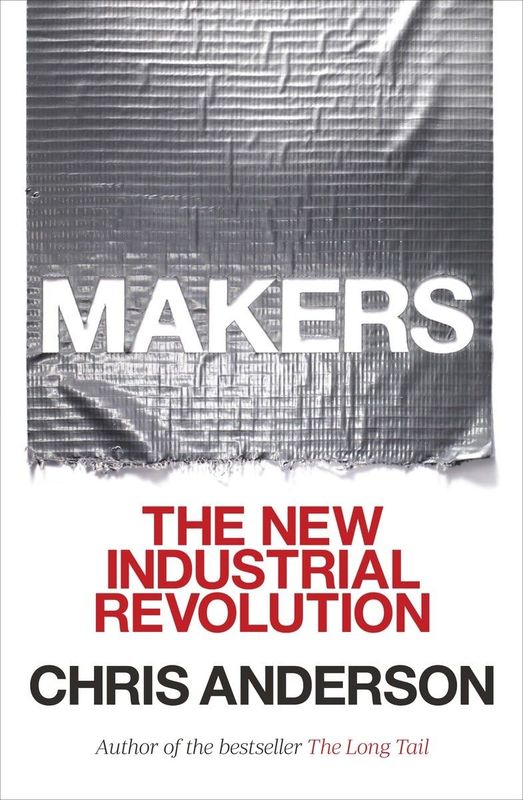
In 'Makers,' Chris Anderson explores the revolutionary movement of DIY innovation that is reshaping our economy and culture. He introduces the rise of 3D printing, robotics, and open-source technologies that empower everyday creators to become entrepreneurs. The book reveals how this grassroots revolution is set to democratize manufacturing and inspire a new era of creativity and invention. Anderson highlights fascinating stories of makers who are transforming their ideas into tangible products, mingling technology with artistry. Dive into a world where possibilities are limited only by imagination!
Shaping the Future of the Fourth Industrial Revolution Book Summary
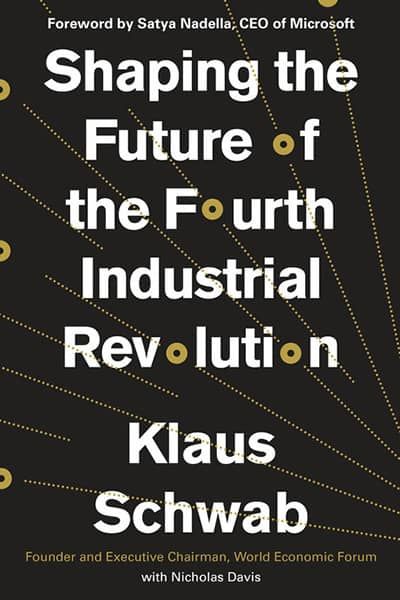
In 'Shaping the Future of the Fourth Industrial Revolution', Klaus Schwab and Nicholas Davis explore the transformative impact of emerging technologies on society, economy, and governance. They argue that as we stand on the brink of this revolution, it is essential to consider the ethical implications of our innovations. The authors pose thought-provoking questions about equality, privacy, and the future of work, urging readers to take an active role in shaping this future. Drawing on real-world examples, they reveal how collaboration between leaders, businesses, and citizens can harness the power of technology for the greater good. Prepare to rethink progress and envision a world that prioritizes human values amidst rapid technological changes.
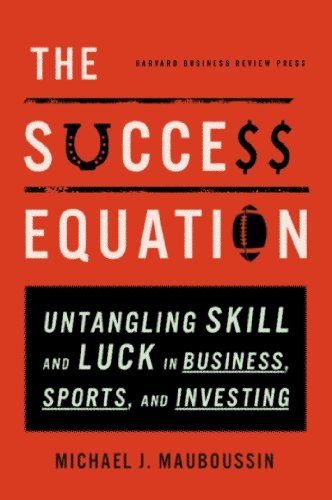
The Success Equation Book Summary
In 'The Success Equation', Michael J. Mauboussin explores the intricate interplay between skill and luck in achieving success. He dismantles the myth of pure meritocracy, illustrating how randomness can shape outcomes in unexpected ways. Through engaging anecdotes and thought-provoking analysis, Mauboussin reveals insights on decision-making that challenge conventional wisdom. Readers will discover how to identify and cultivate true talent while understanding the limits of their control. This book invites you to rethink what it means to succeed—are you ready to redefine your own path?
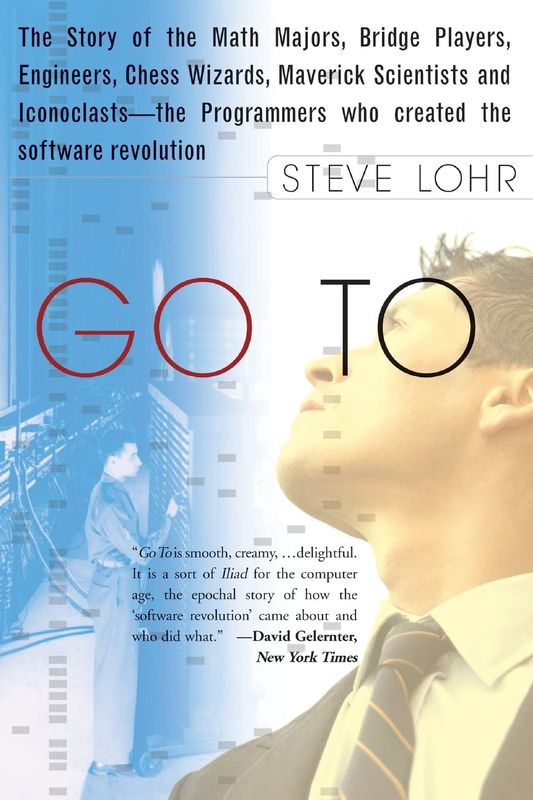
Go To Book Summary
In 'Go To,' Steve Lohr delves into the transformative power of technology and its profound impact on the way we work and interact. Through compelling stories and case studies, he illustrates how the rise of data-driven decision-making is reshaping industries and the workforce. The narrative invites readers to explore the delicate balance between human intuition and algorithmic efficiency. As the lines between man and machine blur, what does the future hold for our workplaces and ourselves? Discover the insights and challenges that come with navigating this new digital era.
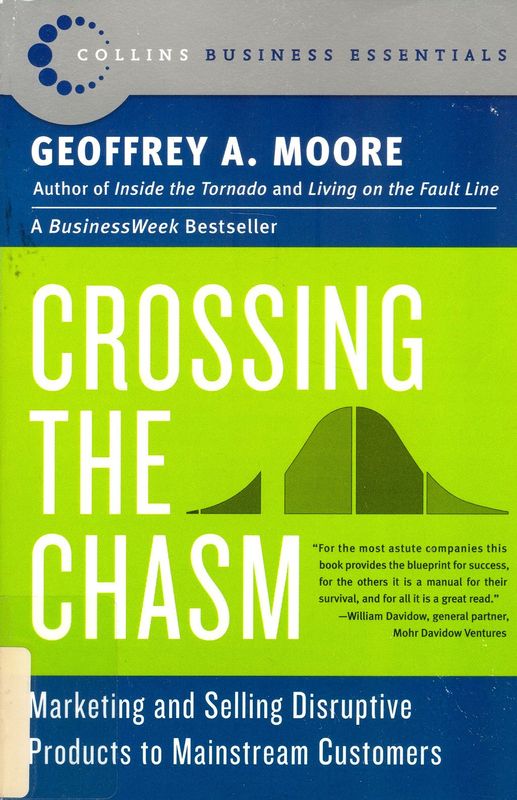
Crossing the Chasm Book Summary
In 'Crossing the Chasm', Geoffrey A. Moore presents a groundbreaking approach to marketing technology products. He explores the chasm between early adopters and the mainstream market, revealing why many innovations fail to gain traction. The book outlines strategies to bridge this divide, emphasizing the importance of targeting a specific niche first. Moore's insights are backed by real-world examples, making his concepts both practical and relatable. This must-read guide challenges entrepreneurs to rethink their marketing tactics and accelerate their product’s journey to success.

More from Less Book Summary
In 'More from Less,' Andrew McAfee explores the paradox of how we can achieve greater prosperity while using fewer resources. He delves into the groundbreaking changes brought by technology that allow for sustainable growth and efficiency. Through compelling case studies and data-driven insights, McAfee challenges the notion of scarcity and presents a hopeful vision for the future. This book invites readers to rethink their assumptions about consumption and innovation. Can we truly do more with less, or is it just an illusion?
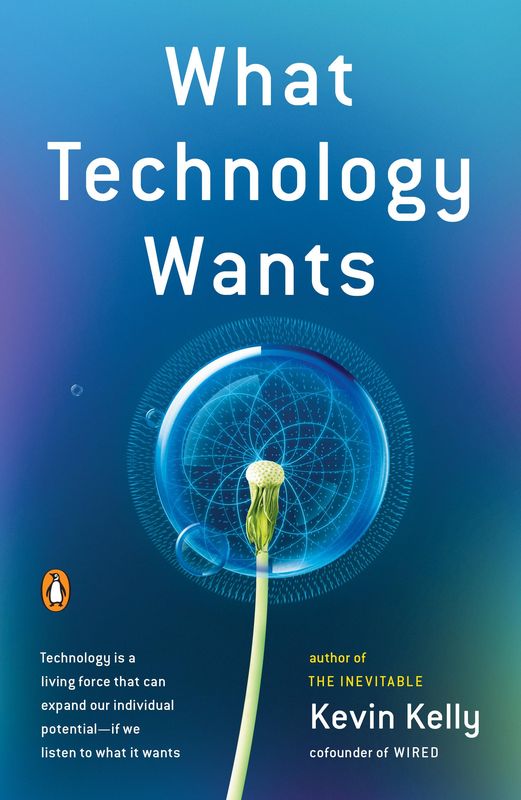
What Technology Wants Book Summary
In "What Technology Wants," Kevin Kelly delves into the deep interplay between humanity and technology, suggesting that technology is an extension of life itself. He argues that just like biological evolution, technology has its own agenda and desires, shaping our future in profound ways. Through a blend of philosophical insights and real-world examples, Kelly reveals how technological advancements reflect our aspirations and fears. As he explores the notion of 'the technium'—a vast, interconnected web of technology—readers are invited to reconsider their relationship with the tools they create. This thought-provoking journey challenges us to embrace technology as a living entity that influences and drives our evolution.
Showing 8 of 21 similar books
Take your reading experience to the next level
Download our mobile app to enjoy your favorite books on the go. Get access to exclusive features, offline listening, and personalized recommendations.

Similar Book Recommendations →

Chris Dixon's Book Recommendations
Chris Dixon is a notable venture capitalist and technology entrepreneur, best known for his influential role as a general partner at Andreessen Horowitz, where he leads investments in cryptocurrency and blockchain technology. Before joining the firm, Dixon co-founded two startups: SiteAdvisor, a web security company acquired by McAfee, and Hunch, a recommendation engine acquired by eBay. In addition to his investment career, Dixon is a prolific writer and thought leader on technology and innovation, contributing insightful essays and articles to various platforms such as his personal blog and Medium. His writings often explore the future of technology, the internet, and the impact of blockchain, making significant contributions to contemporary tech literature. Dixon's work has earned him recognition as a visionary in both the tech and literary worlds.

Bret Victor's Book Recommendations
Bret Victor is a renowned American interface designer and computer scientist celebrated for his innovative contributions to interactive design and human-computer interaction. He is best known for creating dynamic, explorable explanations, which have significantly influenced the way educational content is presented and understood. Victor's seminal work, "Inventing on Principle," advocates for the integration of immediate feedback in creative processes, inspiring a new wave of interactive programming environments. As a former member of the Apple Human Interface team, he played a pivotal role in shaping modern user interfaces. Through his organization, Dynamicland, Victor continues to explore and expand the boundaries of immersive, collaborative computing environments.

Biz Stone's Book Recommendations
Biz Stone is an American entrepreneur, co-founder of Twitter, and a key figure in the development of social media. Stone helped launch Twitter in 2006, transforming the way people communicate and share information globally. He has also co-founded other companies, including Xanga, Blogger, and Medium, and is involved in various philanthropic efforts through The Biz and Livia Stone Foundation. Stone is known for his creative thinking and his belief in the power of technology to create positive change in the world. His work has left a lasting impact on digital communication and media innovation.

Charlie Munger's Book Recommendations
Charlie Munger is an American investor, businessman, and philanthropist, best known as the vice chairman of Berkshire Hathaway, where he partners with Warren Buffett. Renowned for his insights on investment strategies and mental models, Munger has significantly influenced the world of finance. His notable literary contributions include "Poor Charlie's Almanack," a compilation of his speeches and writings that distill his wisdom on decision-making and business principles. Munger's work emphasizes the importance of multidisciplinary thinking and continuous learning. Beyond his financial acumen, he is celebrated for his charitable efforts, particularly in education and healthcare.

Alexey Moiseenkov's Book Recommendations
Alexey Moiseenkov is a Russian entrepreneur and tech innovator best known for creating Prisma, the groundbreaking mobile app that transforms photos into artworks using artificial intelligence. Though not primarily a literary figure, his work in AI and digital transformation has influenced contemporary discussions on the intersection of technology and art. Moiseenkov's contributions have been featured in various tech and innovation journals, highlighting his impact on modern digital culture. His work underscores the evolving narrative of creativity in the digital age, bridging the gap between artistic expression and technological advancement. Moiseenkov continues to inspire through his ongoing ventures in AI and entrepreneurship.

Morgan Housel's Book Recommendations
Morgan Housel is a financial writer and partner at The Collaborative Fund, best known for his book The Psychology of Money. His work explores the behavioral side of finance, emphasizing how emotions, history, and decision-making impact wealth-building. Housel’s writing is widely praised for being accessible, insightful, and engaging, making complex financial topics easier to understand. He contributes regularly to financial publications and speaks at conferences on the power of long-term thinking in finance. His book has become a modern classic in the personal finance genre.

Reid Hoffman's Book Recommendations
Reid Hoffman is an influential American entrepreneur, venture capitalist, and author, best known as the co-founder of LinkedIn, the professional networking platform that transformed online professional interactions. Hoffman has significantly impacted the business world through his investments in notable tech companies like Airbnb, Facebook, and Zynga. As an author, he has co-written several acclaimed books, including "The Start-Up of You" and "Blitzscaling," which provide strategic insights into career development and business growth. His works are celebrated for their practical advice and have become essential reading for aspiring entrepreneurs and business leaders. Hoffman's contributions extend beyond his literary efforts, as he remains a prominent figure in Silicon Valley, shaping the future of technology and innovation.

Brad Feld's Book Recommendations
Brad Feld is a prominent American entrepreneur, venture capitalist, and author known for his influential work in the startup ecosystem. Co-founder of the Foundry Group, he has played a pivotal role in funding and mentoring early-stage technology companies. Feld is also a key figure behind the Techstars accelerator program, which has helped launch numerous successful startups. As an author, he has penned several essential books on entrepreneurship and venture capital, including "Venture Deals" and "Startup Communities," which provide invaluable insights for aspiring entrepreneurs and investors. His writings and active blogging have cemented his reputation as a thought leader in the tech and startup communities.
Showing 8 of 14 related collections
“In an age where technology connects and divides us, the real challenge lies not in the advancements we create, but in how we choose to understand and embrace our shared humanity.”
The Chip
By T.R. Reid
Frequently Asked Questions
Explore Our Catalogue
Discover a world of knowledge through our extensive collection of book summaries.
Genres
Genres
Genres
Featured Collections
- Top Book Club Picks
- One-Stop Nutrition
- Summer Reads 2024
- Best Beach Reads 2024
- Work-Life Balance Guide
- Time Management
- Healthy Foods
- Entrepreneur Toolkit
- Mind & Body Wellness
- Future Tech Insights
- Leadership Essentials
- Financial Freedom
- Sci-Fi Masterpieces
- Parenting 101
- Books That Became Blockbusters
- Guide to a Healthy Pregnancy