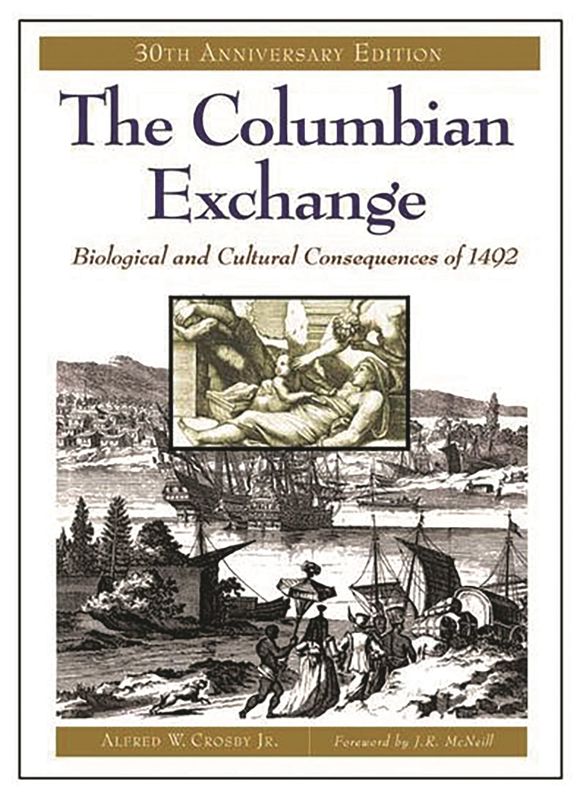
The Columbian Exchange Book Summary
In 'The Columbian Exchange,' Alfred W. Crosby uncovers the profound biological and cultural transformations that ensued after Columbus's voyages to the Americas. The book illustrates how the exchange of plants, animals, and diseases reshaped the world’s ecosystems and human societies. Crosby's vivid storytelling brings to life the irreversible impacts of this exchange, including the rise of global trade and shifts in agricultural practices. With a blend of history and ecology, he challenges readers to rethink the interconnectedness of our global past. Prepare to be fascinated by how a single event cascaded into monumental change across continents!
By Alfred W. Crosby
Published: 2003
"The exchange of plants, animals, and diseases between the Old and New Worlds irrevocably transformed societies, illustrating how interconnectedness shapes our history and our future."

Start Listening to Book Summary
Book Review of The Columbian Exchange
Thirty years ago, Alfred Crosby published a small work that illuminated a simple point, that the most important changes brought on by the voyages of Columbus were not social or political, but biological in nature. The book told the story of how 1492 sparked the movement of organisms, both large and small, in both directions across the Atlantic. This Columbian exchange, between the Old World and the New, changed the history of our planet drastically and forever. The book The Columbian Exchange changed the field of history drastically and forever as well. It has become one of the foundational works in the burgeoning field of environmental history, and it remains one of the canonical texts for the study of world history. This 30th anniversary edition of The Columbian Exchange includes a new preface from the author, reflecting on the book and its creation, and a new foreword by J. R. McNeill that demonstrates how Crosby established a brand new perspective for understanding ecological and social events. As the foreword indicates, The Columbian Exchange remains a vital book, a small work that contains within the inspiration for future examinations into what happens when two peoples, separated by time and space, finally meet.
Book Overview of The Columbian Exchange
About the Book Author
Alfred W. Crosby
Alfred W. Crosby is an acclaimed historian and author, best known for his pioneering work in environmental history and the study of ecological change. His notable works include 'The Columbian Exchange: Biological and Cultural Consequences of 1492,' which explores the global impact of the contact between the Old and New Worlds, and 'Ecological Imperialism: The Biological Expansion of Europe, 900-1900,' where he examines the role of ecology in European colonialism. Crosby's writing style is characterized by a blend of rich historical narrative and persuasive analysis, making complex themes accessible to a broad audience.
Book Details
Key information about the book.
- Authors
- Alfred W. Crosby
- Published
- April 2003
- Publisher
- Praeger
- ISBN
- 0275980928
- Language
- English
- Pages
- N/A
- Genres
- HistoryCultural HistoryHistory of Science
Purchase Options
 Buy on Amazon
 Buy via BookShop
Support local bookstores: BookShop gives a portion of each sale to independent bookshops!
Similar books you might like →
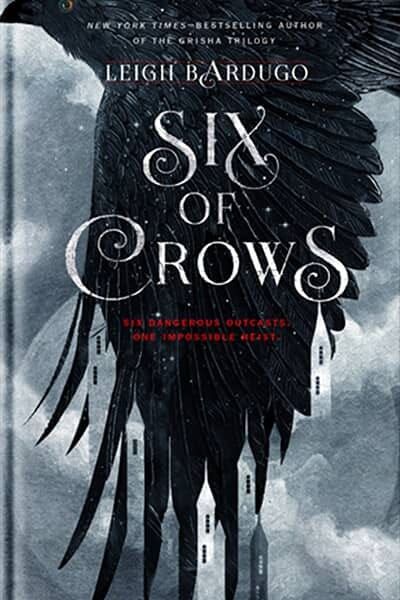
Six of Crows Book Summary
In "Six of Crows," a cunning thief named Kaz Brekker assembles a motley crew of misfits to pull off an impossible heist: breaking into the impenetrable Ice Court. Each member of his team harbors a dark past and unique talents, from a deadly bodyguard to a heart-wrenching spy. As they navigate treacherous alliances and deceitful foes, Kaz's meticulously crafted plan begins to unravel in unexpected ways. Themes of loyalty, revenge, and redemption intertwine, revealing the thin line between hero and villain. Will Kaz conquer his demons and achieve the ultimate victory, or will betrayal seal their fate?
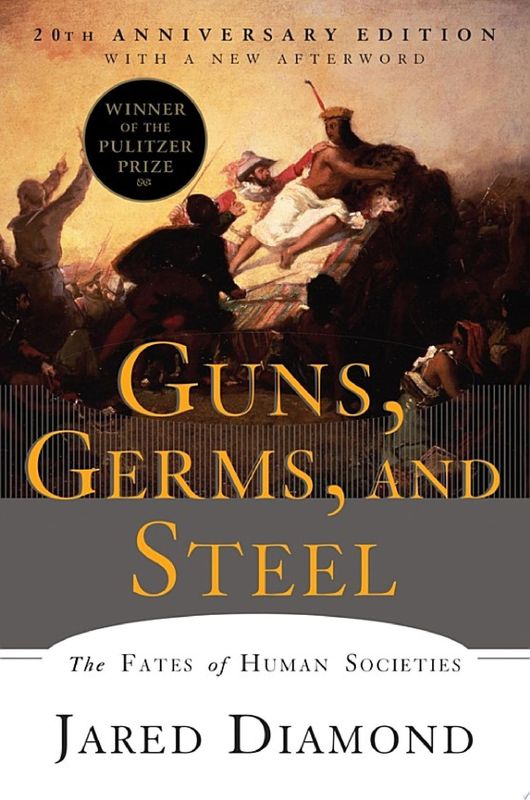
Guns, Germs, and Steel: The Fates of Human Societies (20th Anniversary Edition) Book Summary
In "Guns, Germs, and Steel," Jared Diamond embarks on a captivating exploration of the forces that shaped human civilization. He argues that geographic and environmental factors, rather than inherent differences among peoples, were pivotal in determining the fates of societies. Through a gripping narrative, Diamond unveils how the spread of agriculture, the domestication of animals, and the availability of resources laid the groundwork for conquest and colonialism. Readers are challenged to reconsider history's most significant events through the lens of ecology and evolution. This thought-provoking masterpiece invites you to question what truly drives societal power across civilizations.
Guns, Germs, and Steel Book Summary
In 'Guns, Germs, and Steel,' Jared Diamond investigates the factors that have shaped human societies over the last 13,000 years. He argues that environmental differences, rather than racial genetics, have been the primary drivers of inequality among civilizations. The book explores how agriculture, technology, and disease have influenced the rise and fall of empires. Through compelling narratives and insightful analysis, Diamond uncovers the unexpected connections between geography and history. Readers are left questioning the very foundations of societal development and the future of humanity.
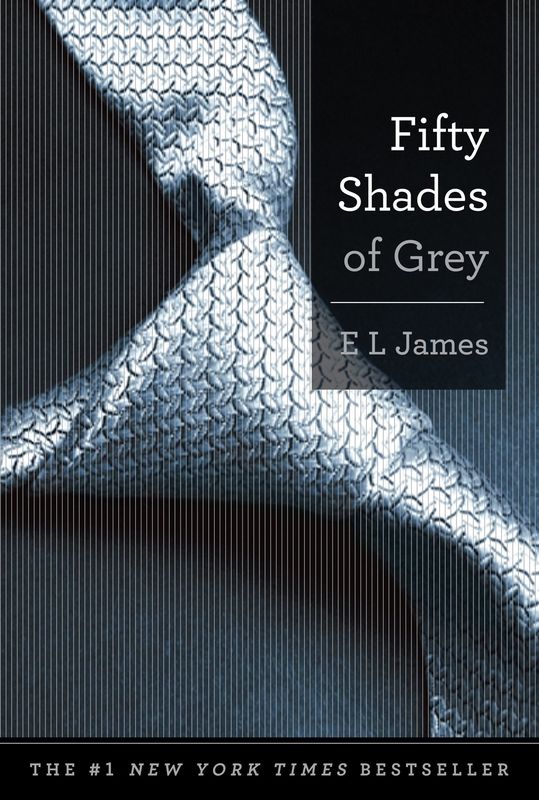
Fifty Shades of Grey Book Summary
In 'Fifty Shades of Grey', shy college student Anastasia Steele embarks on a tumultuous relationship with enigmatic billionaire Christian Grey. Drawn to his wealth and charisma, she quickly discovers a world of dominance and submission that challenges her boundaries. As their passion ignites, Ana grapples with her own desires and the dark secrets that Grey keeps hidden. This provocative tale explores the fine line between pleasure and pain, freedom and control. With every turn of the page, readers are left wondering: can love truly flourish in such uncharted territory?
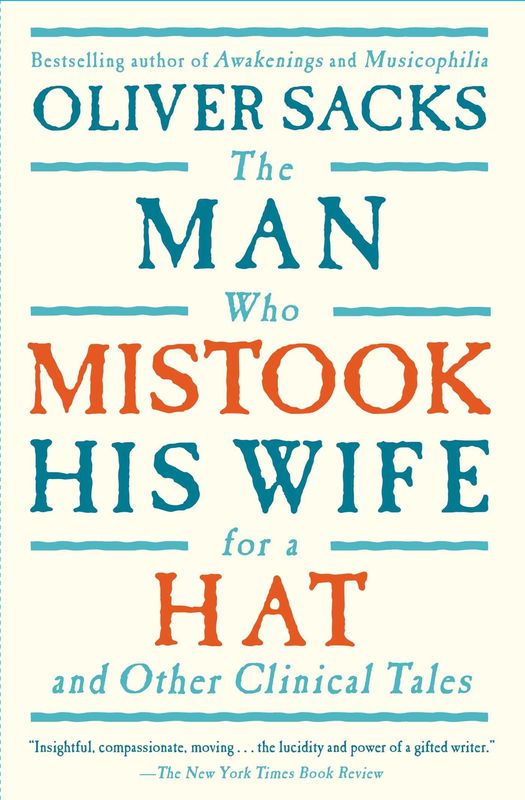
The Man Who Mistook His Wife For A Hat: And Other Clinical Tales Book Summary
In 'The Man Who Mistook His Wife For A Hat,' renowned neurologist Oliver Sacks delves into the intricate worlds of his patients, each with unique and perplexing neurological disorders. Through a series of captivating clinical tales, he explores the profound connection between mind and behavior, unveiling the mysteries of the human brain. The titular case of the man who mistakes his wife for a hat highlights the surreal experiences of those affected by cognitive dysfunction. Sacks invites readers to ponder the nature of identity and perception, raising questions about what it means to be truly human. This thought-provoking work is both a compelling exploration of neurology and a celebration of the resilience of the human spirit.


Things Hidden Since the Foundation of the World Book Summary
In 'Things Hidden Since the Foundation of the World,' Girard and his co-authors delve into the intricate web of human desire and violence that shapes societies. They explore the hidden mechanisms of mimetic rivalry and scapegoating that have persisted since ancient times. The authors challenge readers to uncover the often-ignored foundations of cultural and interpersonal conflict. With provocative insights, they reveal how understanding these hidden dynamics can foster harmony and unity. Prepare to rethink the very essence of human interaction through a new philosophical lens.

Coyote America Book Summary
In 'Coyote America,' Dan Flores unveils the fascinating journey of the coyote, a resilient survivor in the face of human encroachment. The book intertwines history, ecology, and personal anecdotes to reveal the coyote's adaptability and unique role in American culture. Flores challenges our perceptions of this misunderstood creature, inviting readers to explore its complex relationship with humanity. Through rich storytelling, he illuminates the broader themes of nature's resilience and our responsibility in preserving it. Dive into a narrative that transforms the way we see one of North America's most iconic animals.
Showing 8 of 29 similar books
Take your reading experience to the next level
Download our mobile app to enjoy your favorite books on the go. Get access to exclusive features, offline listening, and personalized recommendations.

Similar Book Recommendations →

Bret Victor's Book Recommendations
Bret Victor is a renowned American interface designer and computer scientist celebrated for his innovative contributions to interactive design and human-computer interaction. He is best known for creating dynamic, explorable explanations, which have significantly influenced the way educational content is presented and understood. Victor's seminal work, "Inventing on Principle," advocates for the integration of immediate feedback in creative processes, inspiring a new wave of interactive programming environments. As a former member of the Apple Human Interface team, he played a pivotal role in shaping modern user interfaces. Through his organization, Dynamicland, Victor continues to explore and expand the boundaries of immersive, collaborative computing environments.

Brian Earp's Book Recommendations
Brian Earp is a distinguished ethicist and interdisciplinary researcher, renowned for his extensive work in medical ethics, philosophy, and psychology. He serves as the Associate Director of the Yale-Hastings Program in Ethics and Health Policy at Yale University. Earp has co-authored several influential books, including "Love Drugs: The Chemical Future of Relationships," which explores the ethical implications of using pharmaceuticals to enhance romantic relationships. His scholarly articles have been widely published in leading academic journals, making significant contributions to debates on bioethics, sexuality, and human enhancement. Earp is also recognized for his engaging public outreach, effectively bridging the gap between academic research and public discourse.

Reid Hoffman's Book Recommendations
Reid Hoffman is an influential American entrepreneur, venture capitalist, and author, best known as the co-founder of LinkedIn, the professional networking platform that transformed online professional interactions. Hoffman has significantly impacted the business world through his investments in notable tech companies like Airbnb, Facebook, and Zynga. As an author, he has co-written several acclaimed books, including "The Start-Up of You" and "Blitzscaling," which provide strategic insights into career development and business growth. His works are celebrated for their practical advice and have become essential reading for aspiring entrepreneurs and business leaders. Hoffman's contributions extend beyond his literary efforts, as he remains a prominent figure in Silicon Valley, shaping the future of technology and innovation.

Elon Musk's Book Recommendations
Elon Musk is an influential entrepreneur and innovator known for founding and leading several groundbreaking companies, including Tesla, SpaceX, Neuralink, and The Boring Company. He has played a pivotal role in advancing electric vehicles, space exploration, and renewable energy. Musk's vision extends to colonizing Mars and reducing the risk of human extinction through space travel. In addition to his technological contributions, he has co-authored the book "Spacex: Making Commercial Spaceflight a Reality," providing insights into his ambitious projects and vision for the future. Musk's relentless pursuit of innovation continues to shape the trajectory of multiple industries.

David Perell's Book Recommendations
David Perell is a prominent writer and educator known for his influential work in the field of online education and digital writing. He is the creator of "Write of Passage," an acclaimed online writing course that has helped thousands of students refine their writing skills and build their personal brands. As a prolific blogger, Perell shares insights on topics ranging from technology and culture to productivity and creativity. His thought-provoking essays and articles have garnered a substantial following, establishing him as a thought leader in the digital age. Additionally, Perell hosts the popular "North Star Podcast," where he interviews leading thinkers and creators, further contributing to contemporary intellectual discourse.

Julie Zhuo's Book Recommendations
Julie Zhuo is a product design expert and author, best known for her work as the Vice President of Product Design at Facebook, where she played a key role in shaping the platform's user experience. Zhuo is also the author of the best-selling book The Making of a Manager, which offers insights into leadership and team management, especially for first-time managers. She is passionate about helping people navigate the complexities of leadership and product development. Since leaving Facebook, Zhuo has continued to focus on writing, advising, and mentoring leaders in the tech industry. Her expertise in design and management has made her a respected voice in Silicon Valley.

Alfred Lin's Book Recommendations
Alfred Lin is a venture capitalist and partner at Sequoia Capital, where he focuses on investments in consumer internet, enterprise, and mobile companies. Lin is known for his early investments in companies like Airbnb and DoorDash, helping them grow into major global brands. Before joining Sequoia, Lin was an executive at Zappos, where he worked closely with CEO Tony Hsieh to develop the company’s innovative culture and customer service model. Lin’s expertise in scaling businesses and his strategic vision have made him one of the most respected venture capitalists in Silicon Valley.

Guillermo del Toro's Book Recommendations
Guillermo del Toro is a Mexican filmmaker, author, and producer known for his dark fantasy and horror films, including Pan’s Labyrinth and The Shape of Water. Del Toro’s films often blend elements of fairy tales with gothic horror, exploring themes of humanity and monstrosity. He won the Academy Award for Best Director for The Shape of Water in 2018. Del Toro is also a passionate advocate for the preservation of film history and a mentor to emerging filmmakers. His unique visual style and storytelling have made him one of the most respected directors in modern cinema.
Showing 8 of 13 related collections
“The exchange of plants, animals, and diseases between the Old and New Worlds irrevocably transformed societies, illustrating how interconnectedness shapes our history and our future.”
The Columbian Exchange
By Alfred W. Crosby
Frequently Asked Questions
Explore Our Catalogue
Discover a world of knowledge through our extensive collection of book summaries.
Genres
Genres
Genres
Featured Collections
- Top Book Club Picks
- One-Stop Nutrition
- Summer Reads 2024
- Best Beach Reads 2024
- Work-Life Balance Guide
- Time Management
- Healthy Foods
- Entrepreneur Toolkit
- Mind & Body Wellness
- Future Tech Insights
- Leadership Essentials
- Financial Freedom
- Sci-Fi Masterpieces
- Parenting 101
- Books That Became Blockbusters
- Guide to a Healthy Pregnancy