The Control of Nature Book Summary
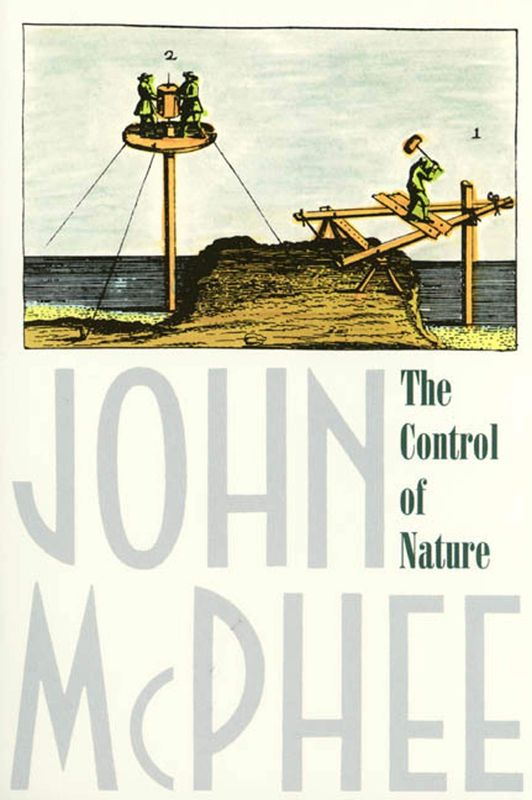
In 'The Control of Nature,' John McPhee explores humanity's relentless struggle to harness and manipulate the forces of nature. Through captivating narratives, he delves into three distinct locations, revealing the intricate dance between engineering prowess and natural chaos. Readers are drawn into the heart of Louisiana's eroding coastline, volcanic threats in Los Angeles, and the daunting challenges of managing the Mississippi River. With vivid characters and dramatic stakes, McPhee raises profound questions about control, survival, and our impact on the environment. This masterful work invites readers to ponder: can we ever truly dominate nature, or are we mere players in its grand design?
By John McPhee
Published: 1990
""We are always trying to control nature, but nature has its own way of reminding us that it is in charge.""

Start Listening to Book Summary
Book Review of The Control of Nature
The Control of Nature is John McPhee's bestselling account of places where people are locked in combat with nature. Taking us deep into these contested territories, McPhee details the strageties and tactics through which people attempt to control nature. Most striking is his depiction of the main contestants: nature in complex and awesome guises, and those attempting to wrest control from her - stubborn, sometimes foolhardy, more often ingenious, and always arresting characters.
Book Overview of The Control of Nature
About the Book Author
John McPhee
John McPhee is an acclaimed American author and journalist, known for his masterful narrative nonfiction and intricate storytelling. Born on March 8, 1931, he has penned numerous influential works, including 'Coming into the Country,' 'The Control of Nature,' and 'Annals of the Former World,' which won the Pulitzer Prize for Biography or Autobiography in 1999. McPhee's writing often emphasizes detailed research, vivid prose, and a deep sense of place, reflecting his keen interest in human interaction with the natural world. His ability to merge personal narrative with larger themes has made him a significant figure in contemporary literature.
Book Details
Key information about the book.
- Authors
- John McPhee
- Published
- September 1990
- Publisher
- Farrar, Straus and Giroux
- ISBN
- 0374522596
- Language
- English
- Pages
- 288
- Genres
- Climate ChangeScience and NatureNatural History
Purchase Options
 Buy on Amazon
 Buy via BookShop
Support local bookstores: BookShop gives a portion of each sale to independent bookshops!
Similar books you might like →
Hard Drive Book Summary
In "Hard Drive," authors James Wallace and Jim Erickson delve into the fascinating world of computer technology, revealing the untold stories behind the creation of the hard drive—an invention that revolutionized how we store and access information. They explore the fierce competition among engineers, the challenges of innovation, and the triumphs that led to the digital age. Through riveting anecdotes and insider insights, the book uncovers the personalities and passions driving this technology forward. As you journey through the captivating history of the hard drive, you'll discover how its development shaped our modern lives in unimaginable ways. Prepare to be intrigued by the intertwined destinies of hardware and human ambition!
Company of One Book Summary
In 'Company of One,' Paul Jarvis challenges the conventional wisdom of scale in business. Rather than chasing growth at all costs, he advocates for a deliberate and thoughtful approach to entrepreneurship that values independence and profit over expansion. Jarvis shares compelling case studies and practical insights on how being a 'company of one' offers flexibility, freedom, and the opportunity for greater fulfillment. This book prompts readers to rethink what success means in the modern business landscape. It's a provocative invitation to embrace a minimalist approach to work and life.
Accidental Presidents Book Summary
In 'Accidental Presidents', Jared Cohen explores the unexpected rise of U.S. leaders who ascended to the presidency by chance rather than through traditional paths. From political mishaps to sudden deaths, these leaders had to navigate unique challenges that transformed their presidencies and the nation. Cohen delves into their distinct personalities and pivotal moments, revealing how fortune and fate can shape history. This compelling narrative raises questions about leadership, legacy, and the unpredictability of political power. Discover how chance encounters led to monumental changes and what this means for the future of American leadership.

The Sixth Extinction Book Summary
In 'The Sixth Extinction,' Elizabeth Kolbert presents a compelling narrative about the ongoing mass extinction event caused by human activity. Through vivid storytelling and scientific research, she explores the alarming consequences of climate change, habitat loss, and the introduction of invasive species. Kolbert leads readers on a global journey, interacting with scientists and examining endangered species across various ecosystems. The book raises urgent questions about humanity's role in this ecological crisis and challenges us to reconsider our impact on the planet. Will we act in time to avert a future where biodiversity is all but lost?

Oceanic Book Summary
In 'Oceanic,' Aimee Nezhukumatathil invites readers on a breathtaking journey through the depths of the sea and the wonders of nature. With poetic lyricism, she intertwines personal reflection with vivid imagery of ocean life, exploring themes of connection, identity, and environmental awareness. Each essay captures the magic of the marine world, challenging readers to reconsider their relationship with the earth and its creatures. Nezhukumatathil's unique perspective offers insights into love, loss, and the strength found in the natural world. Dive into this captivating collection and discover how the ocean can mirror our own experiences and emotions.

Train Your Mind, Change Your Brain Book Summary
In 'Train Your Mind, Change Your Brain,' Sharon Begley explores the groundbreaking science behind neuroplasticity, revealing how our thoughts and mental practices can physically reshape our brains. With compelling research and engaging narratives, she illustrates how mindfulness, meditation, and cognitive exercises can enhance mental health, bolster emotional resilience, and boost overall cognitive function. Readers will discover fascinating case studies that demonstrate the transformative power of the mind, making the impossible seem attainable. As you delve into this insightful read, you’ll unlock secrets to harnessing your brain's potential for lasting change. Are you ready to embark on a journey that could redefine your understanding of the mind?

For the Win Book Summary
In "For the Win," Kevin Werbach and Dan Hunter explore how online games can influence real-world economics and social change. The authors dive into the vibrant world of virtual economies, revealing how game mechanics can incentivize cooperation and innovation. Through compelling examples, they demonstrate the potential of gamification to solve complex global issues, from labor rights to environmental sustainability. This thought-provoking work challenges readers to reconsider the interplay between gaming and everyday life. Will you see video games as mere entertainment or as powerful tools for transformation?

NW Book Summary
In 'NW,' Zadie Smith intricately weaves the lives of four friends from a working-class neighborhood in Northwest London, exploring their diverse paths and struggles. As they navigate adulthood, the characters grapple with issues of identity, class, and connection in a rapidly changing city. Each chapter unveils the raw complexities of their relationships, revealing both nostalgia and tension. Smith's sharp and lyrical prose invites readers to reflect on the impact of environment and choices in shaping one's destiny. Will their ties to each other endure the challenges they face, or will the divide of circumstance tear them apart?
Showing 8 of 30 similar books
Take your reading experience to the next level
Download our mobile app to enjoy your favorite books on the go. Get access to exclusive features, offline listening, and personalized recommendations.

Similar Book Recommendations →

Jordan Hughes's Book Recommendations
Jordan Hughes is a celebrated author known for their compelling narratives and richly developed characters. Their debut novel, "Echoes of Tomorrow," won the prestigious Man Booker Prize, marking a significant milestone in contemporary fiction. Hughes's work often explores themes of identity, resilience, and the human condition, earning them critical acclaim and a dedicated readership. In addition to their novels, Hughes has contributed thought-provoking essays to major literary journals, further solidifying their influence in the literary world. Their innovative storytelling continues to inspire and captivate audiences worldwide.

John Doerr's Book Recommendations
John Doerr is an American venture capitalist and chairman of Kleiner Perkins, one of the most prominent venture capital firms in Silicon Valley. Doerr has backed some of the biggest names in tech, including Google, Amazon, and Netscape, and has played a crucial role in the rise of the internet economy. He is also the author of Measure What Matters, which popularized the concept of Objectives and Key Results (OKRs) as a method for goal-setting in organizations. Doerr is a passionate advocate for addressing climate change and has invested in clean energy startups to help combat global warming. His contributions to tech and sustainability have made him a leading figure in venture capital.

Jan Losert's Book Recommendations
Jan Losert is a visionary author and digital design expert, renowned for his contributions to the intersection of technology and creativity. His most significant work includes co-authoring "Design Systems Handbook," which has become a seminal guide for creating cohesive and efficient design frameworks. Losert's expertise extends to his role as a speaker and educator, where he passionately shares his insights on user experience and interface design. In addition to his literary achievements, he co-founded several successful startups, leveraging his deep understanding of design to drive innovation. His work continues to influence and inspire both emerging and established designers worldwide.

Andrew Huberman's Book Recommendations
Andrew Huberman is a renowned neuroscientist and tenured professor at Stanford University, where he leads the Huberman Lab, focusing on brain function, behavior, and health. He has significantly contributed to the understanding of neural plasticity, particularly how the brain can change in response to experience and injury. Huberman is widely recognized for his engaging public science communication, which includes the popular "Huberman Lab" podcast that translates complex neuroscience topics into accessible insights for broad audiences. His research has been published in leading scientific journals, earning him numerous accolades and fostering a deeper public appreciation for neuroscience. Additionally, his work extends into practical applications, influencing fields such as mental health, vision restoration, and performance optimization.

Patrick Collison's Book Recommendations
Patrick Collison is an Irish entrepreneur and co-founder of Stripe, a global technology company that enables businesses to accept online payments. Along with his brother John, Patrick has transformed Stripe into one of the most valuable private tech companies in the world. Stripe’s innovative approach to online payments has made it a key player in the financial technology space. Collison is known for his deep interest in science, technology, and policy, often engaging in conversations about innovation, progress, and how to improve societal outcomes. He is an advocate for scientific advancement and the intersection of technology and public policy.

Barack Obama's Book Recommendations
Barack Obama is the 44th President of the United States, serving from 2009 to 2017. As the first African American president, Obama’s leadership marked a historic moment in American history. His administration focused on healthcare reform, economic recovery from the Great Recession, and environmental policies. He is best known for the Affordable Care Act, as well as his efforts to expand civil rights and restore diplomatic relations with Cuba. Since leaving office, Obama has continued to engage in public life through his foundation, focusing on leadership development, civic engagement, and global issues.

Jim Collins's Book Recommendations
Jim Collins is an acclaimed American author and business consultant known for his influential works on company sustainability and growth. His seminal book, "Good to Great," has sold millions of copies worldwide and is a staple in business literature, providing key insights into how companies transition from mediocre to exceptional. Collins' research-based approach has led to several other bestsellers, including "Built to Last" and "Great by Choice," which delve into the principles of enduring corporate success. A former faculty member at Stanford University's Graduate School of Business, Collins has also co-authored numerous academic articles. His contributions have cemented his reputation as a leading thinker in business strategy and leadership.

Bill Gates's Book Recommendations
Bill Gates, co-founder of Microsoft Corporation, is a pioneering figure in the tech industry, having played a key role in the personal computer revolution. His work at Microsoft, particularly the development of Windows, transformed software and computing globally. Beyond his technology contributions, Gates is also a prolific author, with notable works such as "The Road Ahead" and "Business @ the Speed of Thought," which offer insights into the future of technology and business. Additionally, his philanthropic efforts through the Bill & Melinda Gates Foundation have had a profound impact on global health, education, and poverty. Gates continues to influence both technology and literature with his forward-thinking perspectives and innovative ideas.
Showing 8 of 12 related collections
“"We are always trying to control nature, but nature has its own way of reminding us that it is in charge."”
The Control of Nature
By John McPhee
Frequently Asked Questions
Explore Our Catalogue
Discover a world of knowledge through our extensive collection of book summaries.
Genres
Genres
Genres
Featured Collections
- Top Book Club Picks
- One-Stop Nutrition
- Summer Reads 2024
- Best Beach Reads 2024
- Work-Life Balance Guide
- Time Management
- Healthy Foods
- Entrepreneur Toolkit
- Mind & Body Wellness
- Future Tech Insights
- Leadership Essentials
- Financial Freedom
- Sci-Fi Masterpieces
- Parenting 101
- Books That Became Blockbusters
- Guide to a Healthy Pregnancy