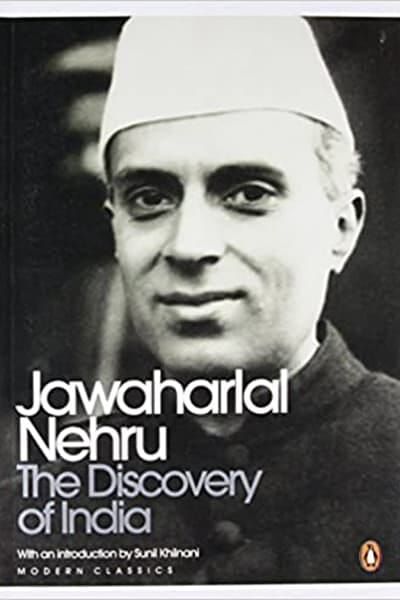

Gives an understanding of the glorious intellectual and spiritual tradition of (a) great country.' Albert Einstein Written over five months when Jawaharlal Nehru was imprisoned in the Ahmadnagar Fort, The Discovery of India has acquired the status of a classic since it was first published in 1946. In this work of prodigious scope and scholarship, one of the greatest figures of Indian history unfolds the panorama of the country's rich and complex past, from prehistory to the last years of British colonial rule. Analysing texts like the Vedas and the Arthashastra, and personalities like the Buddha and Mahatma Gandhi, Nehru brings alive an ancient culture that has seen the flowering of the world's great traditions of philosophy, science and art, and almost all its major religions. Nehru's brilliant intellect, deep humanity and lucid style make The Discovery of India essential reading for anyone interested in India, both its past and its present.
Showing 8 of 27 similar books
Anna Kendrick is an acclaimed actress and author, best known for her versatile performances in film and theater. She gained widespread recognition for her role in the "Twilight" series and earned an Academy Award nomination for her performance in "Up in the Air." In 2016, Kendrick expanded her creative repertoire by publishing her memoir, "Scrappy Little Nobody," which offers a candid, humorous look at her life and career. The book became a New York Times bestseller, showcasing her sharp wit and storytelling talent. Kendrick continues to influence both the entertainment and literary worlds with her engaging presence and authentic voice.
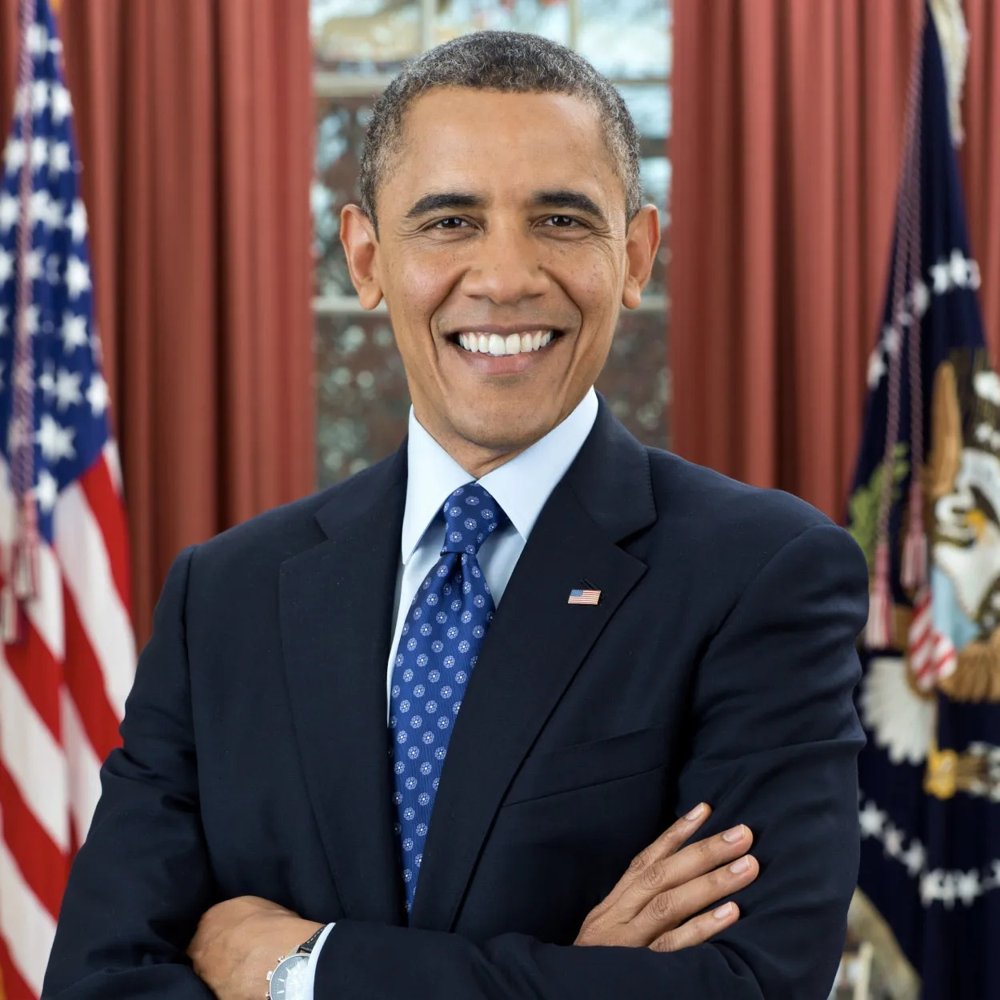
Barack Obama is the 44th President of the United States, serving from 2009 to 2017. As the first African American president, Obama’s leadership marked a historic moment in American history. His administration focused on healthcare reform, economic recovery from the Great Recession, and environmental policies. He is best known for the Affordable Care Act, as well as his efforts to expand civil rights and restore diplomatic relations with Cuba. Since leaving office, Obama has continued to engage in public life through his foundation, focusing on leadership development, civic engagement, and global issues.
Anya Taylor-Joy is an acclaimed actress known for her captivating performances in film and television. She gained widespread recognition for her role as Beth Harmon in the critically acclaimed Netflix series "The Queen's Gambit," which earned her a Golden Globe Award for Best Actress. Taylor-Joy has also starred in notable films such as "The Witch," "Split," and "Emma," showcasing her versatility and depth as an actress. In addition to her acting career, she has been praised for her contributions to promoting diverse and complex female characters in modern storytelling. Her work continues to inspire audiences and set a high standard in the entertainment industry.
Andrew Chen is a venture capitalist, entrepreneur, and thought leader in growth marketing, currently serving as a general partner at Andreessen Horowitz. Chen is known for his expertise in network effects, viral growth strategies, and marketplace dynamics, making him a sought-after advisor for startups looking to scale. Prior to joining Andreessen Horowitz, he worked in leadership roles at Uber, helping to grow the ride-sharing platform’s user base and develop key growth strategies. Chen is also a prolific writer, sharing his insights on growth, technology, and startups through his popular blog and newsletter, which has attracted a loyal following in the tech community. His work has helped shape how many startups approach user acquisition, retention, and product-market fit. As a venture capitalist, Chen focuses on early-stage companies in the consumer internet, SaaS, and marketplace sectors, and he has been involved in funding and advising several successful startups. His insights on technology and growth continue to influence both founders and investors alike.
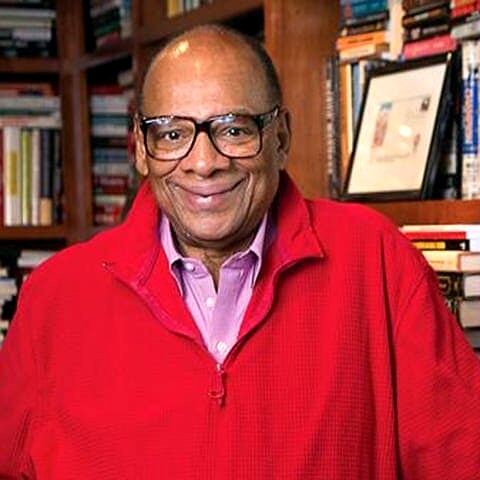
George Raveling is a celebrated figure in the realms of sports and literature, best known for his profound impact on basketball and his contributions as an author and speaker. As a pioneering African American coach, he broke barriers in collegiate basketball, notably serving as the head coach at Washington State, Iowa, and USC. Raveling is also renowned for his profound influence off the court, particularly as a Nike executive and motivational speaker. His literary contributions include "Coaching for Success," a book that blends his coaching philosophy with life lessons. Additionally, Raveling is a custodian of an important historical artifact—an original copy of Dr. Martin Luther King Jr.'s "I Have a Dream" speech, which he obtained while volunteering at the 1963 March on Washington.
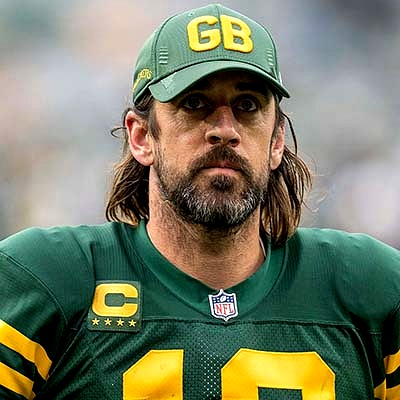
Aaron Rodgers is a renowned American football quarterback, widely recognized for his exceptional career with the Green Bay Packers in the NFL. Although his primary acclaim comes from sports, Rodgers has contributed to literature through insightful writings and interviews that offer a deep dive into the mindset of a professional athlete. His thoughtful perspectives on leadership, teamwork, and personal growth have resonated with readers beyond the sports community. Rodgers’ contributions have been featured in various sports and lifestyle publications, adding a unique voice to the literary world. His ability to articulate the nuances of his experiences has made him a respected figure in both athletic and literary circles.
Alfred Lin is a venture capitalist and partner at Sequoia Capital, where he focuses on investments in consumer internet, enterprise, and mobile companies. Lin is known for his early investments in companies like Airbnb and DoorDash, helping them grow into major global brands. Before joining Sequoia, Lin was an executive at Zappos, where he worked closely with CEO Tony Hsieh to develop the company’s innovative culture and customer service model. Lin’s expertise in scaling businesses and his strategic vision have made him one of the most respected venture capitalists in Silicon Valley.
Amelia Boone is a renowned American obstacle racer and ultrarunner, celebrated for her remarkable achievements in the sport. She has won multiple world championships, including the Spartan Race World Championship and the World's Toughest Mudder. Boone's compelling personal journey and resilience have inspired countless athletes and fitness enthusiasts. Though primarily known for her athletic prowess, Boone has also contributed to literature through insightful articles and motivational writings on endurance, mental toughness, and overcoming adversity. Her story continues to influence and empower individuals striving for excellence in both sports and life.
Showing 8 of 9 related collections
Discover a world of knowledge through our extensive collection of book summaries.
Jawaharlal Nehru (1889-1964) was a prominent Indian statesman, political leader, and author, recognized as a key figure in India's struggle for independence. As the first Prime Minister of India, he played a pivotal role in shaping modern India's policies and institutions. Nehru's notable works include 'The Discovery of India', where he explores the rich cultural and historical tapestry of India, and 'Glimpses of World History', a narrative that offers insights into global events from a historical perspective. His writing style is characterized by its lyrical prose, thoughtful reflections, and a keen sense of history, making complex ideas accessible to a wider audience. Nehru's literary contributions reflect his deep engagement with the political and social issues of his time.
Key information about the book.
 Buy on Amazon
 Buy via BookShop
Support local bookstores: BookShop gives a portion of each sale to independent bookshops!
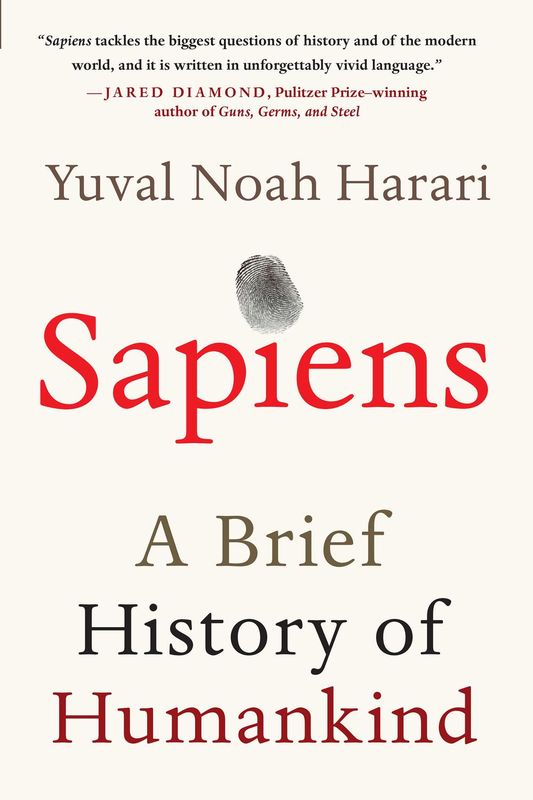
In "Sapiens: A Brief History of Humankind," Yuval Noah Harari takes readers on an exhilarating journey through the evolution of our species, from the dawn of Homo sapiens to the complexities of the modern world. He explores pivotal moments like the Cognitive Revolution that sparked human imagination, the Agricultural Revolution that reshaped societies, and the Scientific Revolution that propelled unprecedented advances. As Harari delves into the interplay of biology, culture, and history, he challenges our understanding of what it means to be human. This thought-provoking narrative raises crucial questions about our future in an age dominated by technology and artificial intelligence. Prepare to rethink humanity’s past and speculate about its fate—are we the architects of our destiny?
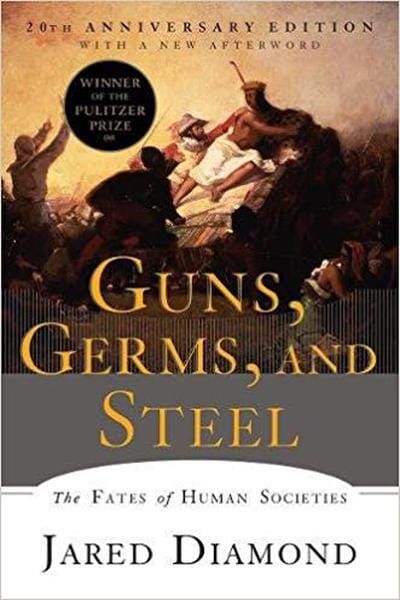
In 'Guns, Germs, and Steel,' Jared Diamond investigates the factors that have shaped human societies over the last 13,000 years. He argues that environmental differences, rather than racial genetics, have been the primary drivers of inequality among civilizations. The book explores how agriculture, technology, and disease have influenced the rise and fall of empires. Through compelling narratives and insightful analysis, Diamond uncovers the unexpected connections between geography and history. Readers are left questioning the very foundations of societal development and the future of humanity.
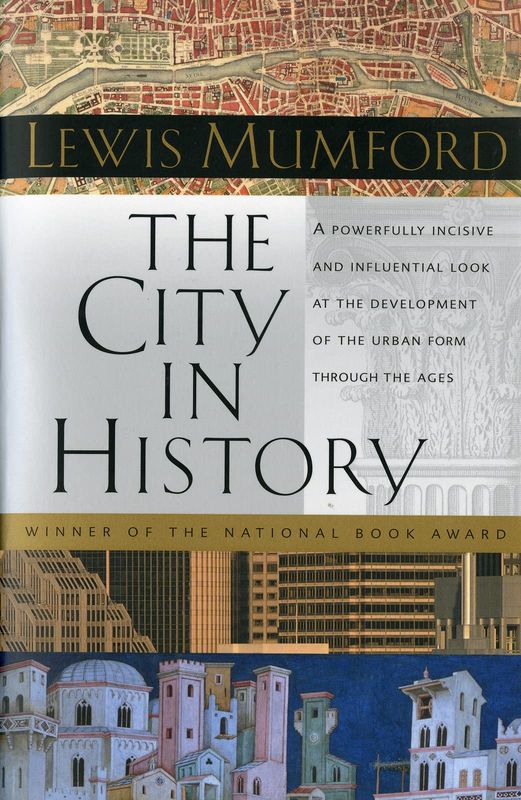
In 'The City in History,' Lewis Mumford explores the evolution of urban life from ancient times to the modern metropolis. He argues that cities are not just physical structures but reflections of human values and societal progress. Mumford delves into the interplay between architecture, technology, and culture, revealing how they shape the human experience. With incisive critiques and vivid historical examples, he presents a vision of the ideal city that promotes both individuality and community. This thought-provoking journey challenges readers to reconsider the role of cities in their own lives and the future of civilization.
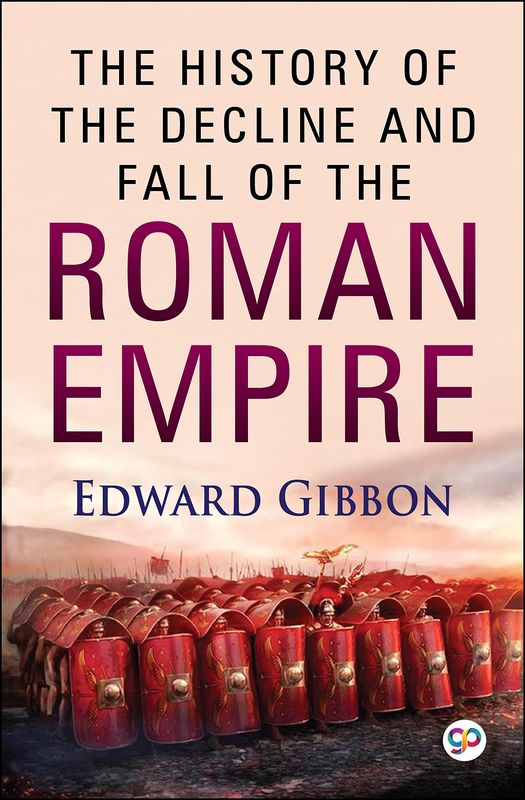
In 'The History of the Decline & Fall of the Roman Empire,' Edward Gibbon meticulously chronicles the mighty empire's descent into chaos and obscurity. With eloquent prose, Gibbon unveils the interplay of political intrigue, moral decay, and military defeats that eroded Rome's power. His analysis does not merely recount events but delves into the philosophical implications of decline and the lessons for future societies. As empires rise and fall, engage with the timeless questions Gibbon poses about civilization itself. Dive into this monumental work to understand how history shapes our present and future.
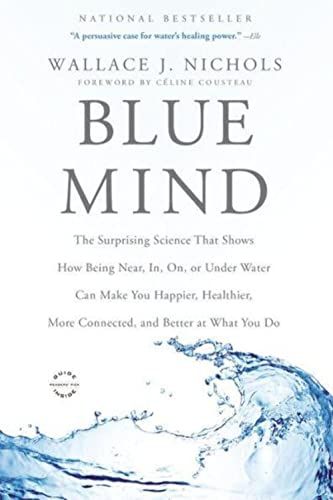
Dive into the captivating world of 'Blue Mind,' where Wallace J. Nichols unveils the profound effects of water on our brains and well-being. Discover how being near oceans, lakes, and rivers can enhance creativity, reduce stress, and inspire a sense of connection. With fascinating research and personal stories, Nichols invites readers to explore the science behind our intrinsic attraction to water. This book is not just a study; it's a call to action to reconnect with the natural world. Prepare to rethink your relationship with water and unlock the serenity it brings.
In 'A History of Economic Theory', Jürg Niehans takes readers on a captivating journey through the evolution of economic thought. From ancient philosophies to contemporary paradigms, the book unravels how ideas have shaped economic practices across cultures and eras. With each chapter, Niehans reveals the intellectual battles and breakthroughs that have defined the discipline. Rich in historical context, this work challenges readers to consider the relevance of past theories in today's economy. Dive into this scholarly adventure and discover how the past continually influences our understanding of wealth and value.
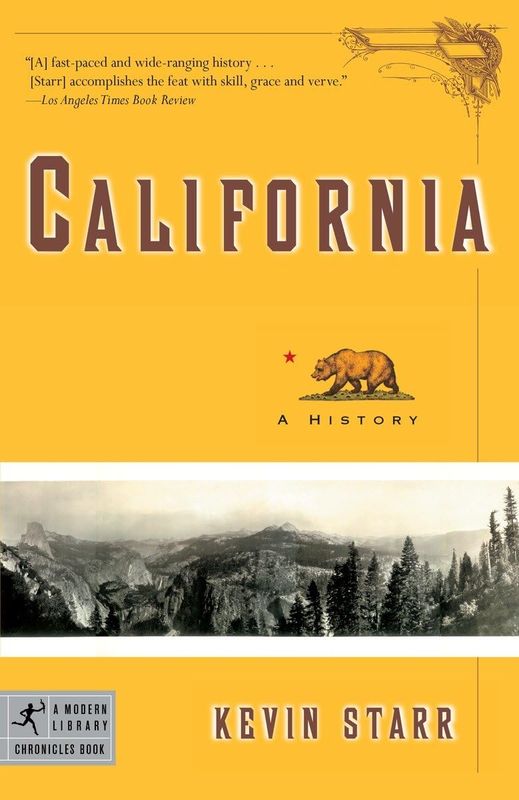
"California" by Kevin Starr is an evocative exploration of the Golden State's vibrant history, weaving together tales of its diverse cultures, technological advancements, and environmental challenges. Starr paints a vivid picture of California's transformation from a land of dreams to a complex reality, capturing the essence of its unique spirit and resilience. Readers will uncover the stories of influential figures who shaped the state's identity and the ongoing search for balance between progress and preservation. With rich narrative and insightful reflections, this book invites readers to ponder the future of California amidst ever-changing dynamics. Dive into this compelling journey and discover what makes California an enduring symbol of innovation and diversity.
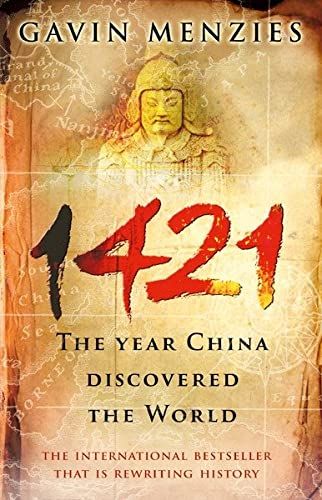
In '1421: The Year China Discovered The World,' Gavin Menzies presents a groundbreaking theory that suggests the Ming Dynasty launched a massive naval expedition that circumnavigated the globe long before Columbus. The narrative intertwines maritime exploration, historical intrigue, and compelling shipbuilding technologies, revealing a hidden chapter of world history. Menzies argues that these voyages led to encounters with distant lands, including America and Australia, fundamentally changing global trade and interaction. His thrilling investigation challenges long-held beliefs and ignites debate among historians about the true timeline of exploration. Are we ready to rethink the story of our past?





Download our mobile app to enjoy your favorite books on the go. Get access to exclusive features, offline listening, and personalized recommendations.