The Gallic Wars (Lllustrated) Book Summary
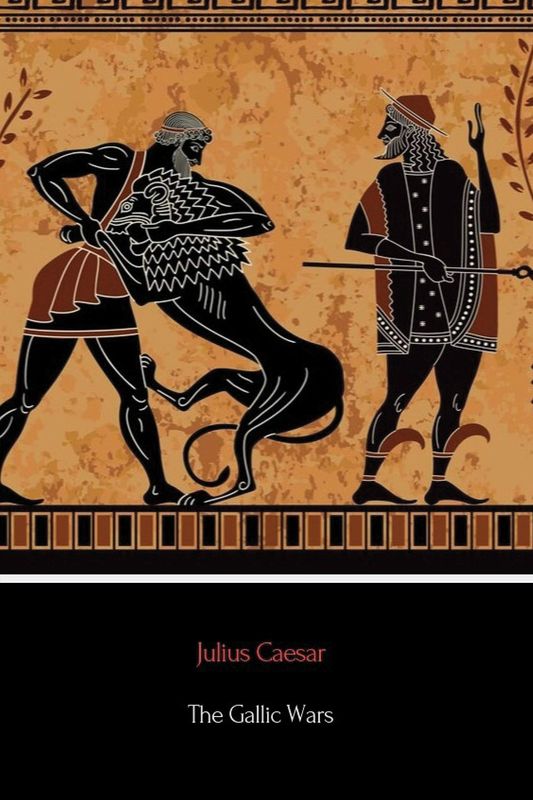
In 'The Gallic Wars (Illustrated)', Julius Caesar recounts his remarkable military campaigns against the Gallic tribes during 58-50 BC. With vivid illustrations complementing his sharp prose, Caesar offers a firsthand perspective on the intricacies of warfare, diplomacy, and the clash of cultures. Beyond mere battles, he unveils the complexities of leadership and the moral dilemmas faced in pursuit of power. This historical narrative captivates the reader with its combination of adventure, strategy, and political intrigue. Dive into a world where the fate of nations hangs in the balance and witness how one man's ambition shaped the course of history.
By Julius Caesar
Published: 2017
""I came, I saw, I conquered.""

Start Listening to Book Summary
Book Review of The Gallic Wars (Lllustrated)
Originally composed for propaganda purposes, Julius Caesar's war diary is one of the earliest examples of a military science manual, detailing arms technology, tactical maneuvers, battlefield politics, espionage, intelligence and even the role played by luck in ground and sea campaigns. This new 2017 print edition of The Gallic Wars includes a revised translation with modern spelling and punctuation. There is also an image gallery.
Book Overview of The Gallic Wars (Lllustrated)
About the Book Author
Julius Caesar
Julius Caesar (100 BC - 44 BC) was a renowned Roman general, statesman, and writer known for his significant contributions to both military strategy and Latin literature. His notable works include 'Commentarii de Bello Gallico' (Commentaries on the Gallic War), which outlines his military campaigns and provides insights into the Gallic society, and 'Commentarii de Bello Civili' (Commentaries on the Civil War), which chronicles the events of the civil conflict between his forces and those of Pompey. Caesar's writing style is characterized by its clarity, brevity, and directness, often employing a third-person narrative that creates an objective tone. His works not only serve as historical documents but have also influenced generations of leaders and writers.
Book Details
Key information about the book.
- Authors
- Julius Caesar
- Published
- October 2017
- Publisher
- Independently Published
- ISBN
- 1549920006
- Language
- English
- Pages
- 157
- Genres
- Ancient HistoryHistoryMilitary History
Purchase Options
 Buy on Amazon
 Buy via BookShop
Support local bookstores: BookShop gives a portion of each sale to independent bookshops!
Similar books you might like →

Guns, Germs, and Steel Book Summary
In 'Guns, Germs, and Steel,' Jared Diamond investigates the factors that have shaped human societies over the last 13,000 years. He argues that environmental differences, rather than racial genetics, have been the primary drivers of inequality among civilizations. The book explores how agriculture, technology, and disease have influenced the rise and fall of empires. Through compelling narratives and insightful analysis, Diamond uncovers the unexpected connections between geography and history. Readers are left questioning the very foundations of societal development and the future of humanity.
The History of the Decline & Fall of the Roman Empire Book Summary
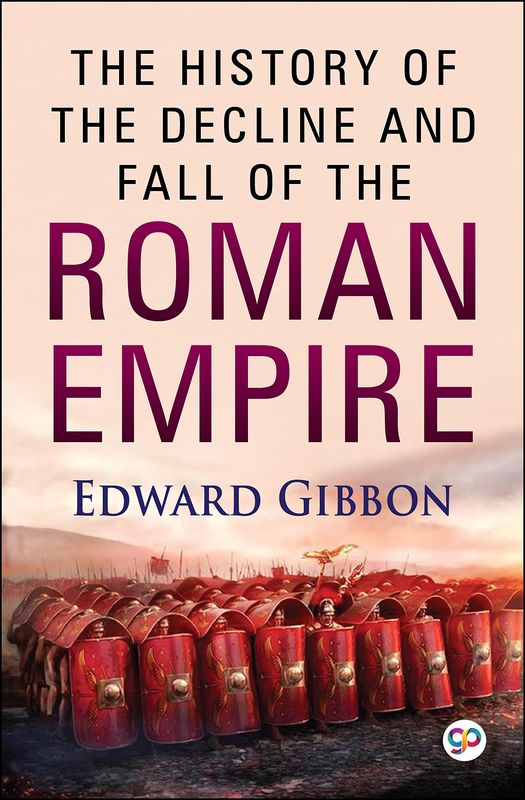
In 'The History of the Decline & Fall of the Roman Empire,' Edward Gibbon meticulously chronicles the mighty empire's descent into chaos and obscurity. With eloquent prose, Gibbon unveils the interplay of political intrigue, moral decay, and military defeats that eroded Rome's power. His analysis does not merely recount events but delves into the philosophical implications of decline and the lessons for future societies. As empires rise and fall, engage with the timeless questions Gibbon poses about civilization itself. Dive into this monumental work to understand how history shapes our present and future.
Bloodlands Book Summary
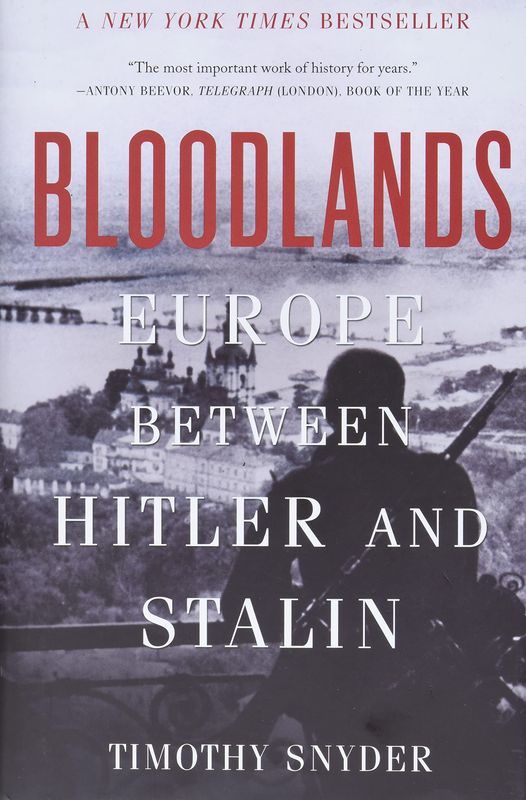
In 'Bloodlands', Timothy Snyder unveils the haunting history of the regions between Nazi Germany and Soviet Russia during World War II. The book meticulously explores the horrific atrocities committed by both regimes, resulting in the deaths of millions. Snyder's vivid narrative intertwines personal stories with broader historical contexts, painting a poignant picture of suffering and survival. As readers delve into this dark past, they are challenged to reflect on the consequences of totalitarianism and the fragility of human life. This compelling work not only educates but also provokes an urgent conversation about memory, history, and the moral responsibilities of the present.
A History of Economic Theory Book Summary
In 'A History of Economic Theory', Jürg Niehans takes readers on a captivating journey through the evolution of economic thought. From ancient philosophies to contemporary paradigms, the book unravels how ideas have shaped economic practices across cultures and eras. With each chapter, Niehans reveals the intellectual battles and breakthroughs that have defined the discipline. Rich in historical context, this work challenges readers to consider the relevance of past theories in today's economy. Dive into this scholarly adventure and discover how the past continually influences our understanding of wealth and value.
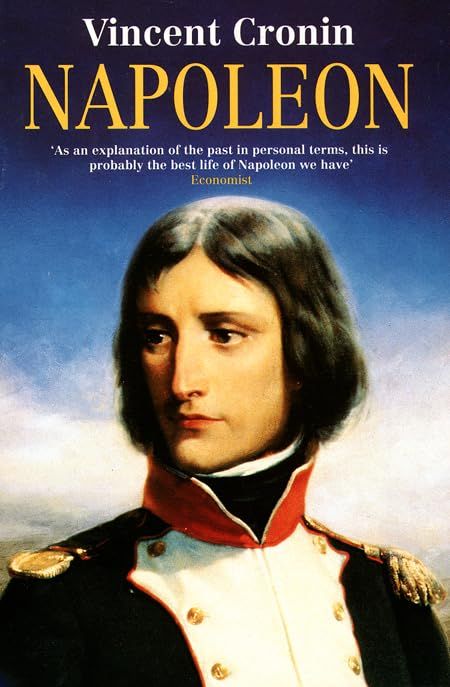
Napoleon Book Summary
In 'Napoleon,' Vincent Cronin unveils the captivating life of one of history's most enigmatic figures. Through vivid storytelling, readers are drawn into the rise of a young Corsican soldier to the heights of power as Emperor of the French. Cronin delves into Napoleon's complex personality, revealing his ambitious dreams and tragic flaws. As the narrative unfolds, it explores his military genius and the profound impact of his policies on Europe. This gripping biography not only chronicles a man's legacy but also poses questions about ambition, leadership, and the tides of history.
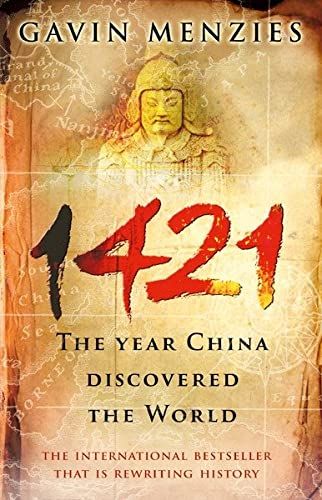
1421: The Year China Discovered The World Book Summary
In '1421: The Year China Discovered The World,' Gavin Menzies presents a groundbreaking theory that suggests the Ming Dynasty launched a massive naval expedition that circumnavigated the globe long before Columbus. The narrative intertwines maritime exploration, historical intrigue, and compelling shipbuilding technologies, revealing a hidden chapter of world history. Menzies argues that these voyages led to encounters with distant lands, including America and Australia, fundamentally changing global trade and interaction. His thrilling investigation challenges long-held beliefs and ignites debate among historians about the true timeline of exploration. Are we ready to rethink the story of our past?
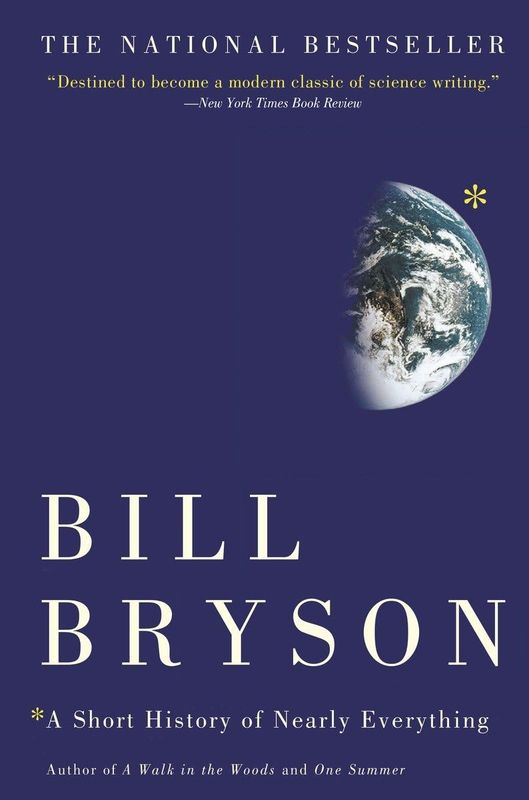
A Short History of Nearly Everything Book Summary
In 'A Short History of Nearly Everything,' Bill Bryson embarks on a whimsical journey through the annals of science, unraveling the mysteries of the universe and humankind's place within it. With wit and humor, he demystifies complex concepts, from the Big Bang to atoms, making them accessible to the layperson. Bryson introduces us to eccentric scientists and their groundbreaking discoveries, igniting a sense of wonder about the world we inhabit. This book is not merely a history; it's a celebration of curiosity, sparking an appreciation for the intricacies of life and the universe. Prepare to be entertained and enlightened as you explore the 'why' and 'how' behind nearly everything.
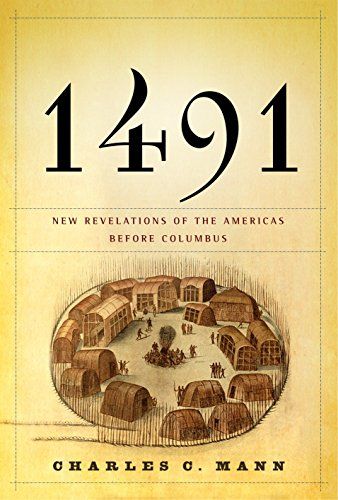
1491 Book Summary
In '1491', Charles C. Mann challenges the prevailing narratives of pre-Columbian America, revealing a world populated by sophisticated civilizations and vast networks of trade. He explores the advanced agricultural practices that sustained millions and the rich cultures that thrived long before European contact. Mann's research uncovers the ecological impacts of indigenous peoples on the landscape, reshaping our understanding of environmental history. As he delves into the intricate lives of Native Americans, mysteries unfold about their decline and the legacy they left behind. This thought-provoking journey invites readers to reconsider everything they thought they knew about the Americas before 1492.
Showing 8 of 30 similar books
Take your reading experience to the next level
Download our mobile app to enjoy your favorite books on the go. Get access to exclusive features, offline listening, and personalized recommendations.

Similar Book Recommendations →

Paul Graham's Book Recommendations
Paul Graham is a prominent programmer, venture capitalist, and essayist known for his influential work in the tech startup ecosystem. He co-founded Viaweb, one of the first web-based applications, which was later acquired by Yahoo! and became Yahoo! Store. As a co-founder of Y Combinator, Graham has been instrumental in funding and mentoring numerous successful startups, including Dropbox, Airbnb, and Reddit. His essays, collected in books such as "Hackers & Painters," offer profound insights into technology, entrepreneurship, and philosophy, making significant contributions to modern literature on these subjects. Graham's blend of technical expertise and thought leadership has made him a pivotal figure in both the tech and literary communities.

Barack Obama's Book Recommendations
Barack Obama is the 44th President of the United States, serving from 2009 to 2017. As the first African American president, Obama’s leadership marked a historic moment in American history. His administration focused on healthcare reform, economic recovery from the Great Recession, and environmental policies. He is best known for the Affordable Care Act, as well as his efforts to expand civil rights and restore diplomatic relations with Cuba. Since leaving office, Obama has continued to engage in public life through his foundation, focusing on leadership development, civic engagement, and global issues.

Morgan Housel's Book Recommendations
Morgan Housel is a financial writer and partner at The Collaborative Fund, best known for his book The Psychology of Money. His work explores the behavioral side of finance, emphasizing how emotions, history, and decision-making impact wealth-building. Housel’s writing is widely praised for being accessible, insightful, and engaging, making complex financial topics easier to understand. He contributes regularly to financial publications and speaks at conferences on the power of long-term thinking in finance. His book has become a modern classic in the personal finance genre.

Jocko Willink's Book Recommendations
Jocko Willink is a retired Navy SEAL officer, renowned for his leadership during the Battle of Ramadi in the Iraq War, which earned him the Silver Star and Bronze Star. Transitioning from military service, he co-authored the best-selling book "Extreme Ownership: How U.S. Navy SEALs Lead and Win" with fellow SEAL Leif Babin, which has become a cornerstone in leadership and management literature. Willink has also written the "Way of the Warrior Kid" series, aimed at empowering young readers with principles of discipline and resilience. Additionally, he hosts the popular "Jocko Podcast," where he discusses leadership, discipline, and personal development. Willink's influence extends beyond literature through his Echelon Front leadership consultancy, helping organizations implement effective leadership strategies.

Bridget Phetasy's Book Recommendations
Bridget Phetasy is a multi-talented writer, comedian, and podcaster known for her sharp wit and insightful commentary on contemporary culture and politics. She gained prominence through her work with Playboy, where her essays and columns attracted a wide readership. Bridget is the host of the popular podcast "Walk-Ins Welcome," where she engages in deep, humorous conversations with a variety of guests. Her candid and often provocative takes on societal issues have garnered her a loyal following on social media. Additionally, she created the satirical YouTube series "Dumpster Fire," where she humorously dissects current events.

Elon Musk's Book Recommendations
Elon Musk is an influential entrepreneur and innovator known for founding and leading several groundbreaking companies, including Tesla, SpaceX, Neuralink, and The Boring Company. He has played a pivotal role in advancing electric vehicles, space exploration, and renewable energy. Musk's vision extends to colonizing Mars and reducing the risk of human extinction through space travel. In addition to his technological contributions, he has co-authored the book "Spacex: Making Commercial Spaceflight a Reality," providing insights into his ambitious projects and vision for the future. Musk's relentless pursuit of innovation continues to shape the trajectory of multiple industries.

Bill Gates's Book Recommendations
Bill Gates, co-founder of Microsoft Corporation, is a pioneering figure in the tech industry, having played a key role in the personal computer revolution. His work at Microsoft, particularly the development of Windows, transformed software and computing globally. Beyond his technology contributions, Gates is also a prolific author, with notable works such as "The Road Ahead" and "Business @ the Speed of Thought," which offer insights into the future of technology and business. Additionally, his philanthropic efforts through the Bill & Melinda Gates Foundation have had a profound impact on global health, education, and poverty. Gates continues to influence both technology and literature with his forward-thinking perspectives and innovative ideas.

Brian Armstrong's Book Recommendations
Brian Armstrong is a renowned entrepreneur and author best known for co-founding and leading Coinbase, a major cryptocurrency exchange. His literary contributions include insightful writings on the future of digital currencies and blockchain technology. Armstrong's work has been pivotal in demystifying complex financial systems for a broader audience. Beyond his business acumen, his thought leadership in publications and public speaking engagements has cemented his status as a key voice in the fintech revolution. His dedication to innovation continues to influence the trajectory of global financial systems.
Showing 8 of 10 related collections
“"I came, I saw, I conquered."”
The Gallic Wars (Lllustrated)
By Julius Caesar
Frequently Asked Questions
Explore Our Catalogue
Discover a world of knowledge through our extensive collection of book summaries.
Genres
Genres
Genres
Featured Collections
- Top Book Club Picks
- One-Stop Nutrition
- Summer Reads 2024
- Best Beach Reads 2024
- Work-Life Balance Guide
- Time Management
- Healthy Foods
- Entrepreneur Toolkit
- Mind & Body Wellness
- Future Tech Insights
- Leadership Essentials
- Financial Freedom
- Sci-Fi Masterpieces
- Parenting 101
- Books That Became Blockbusters
- Guide to a Healthy Pregnancy